

Hindu Kush, Paropamisadae Travel Guide
Explore the majestic Hindu Kush: a crossroads of history, culture, and breathtaking mountain scenery in Central Asia.
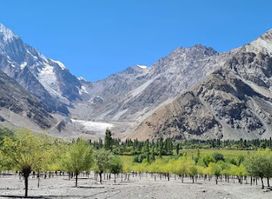
The Hindu Kush is an 800-kilometer-long mountain range stretching across Central and South Asia, west of the Himalayas [2, 3]. Known for its towering peaks, rugged terrain, and historical significance as a major center of Buddhism and a passageway for invasions into the Indian subcontinent, it offers a unique blend of natural beauty and cultural heritage [2].
A brief summary to Hindu Kush

Know before you go
Hi, I'm Eve. Here are a few practical things to know before exploring Hindu Kush.
- The best time to visit for trekking is during the summer months (June to September) [4].
- Engage a local guide for trekking, as the terrain can be challenging and technical [4].
- Respect local customs and traditions, especially in remote villages [13].
- Be prepared for varying weather conditions, even in summer [15].
- Carry sufficient supplies, including water and appropriate gear, when trekking [15].
Do you manage this location?
Take control to get all the benefits, like improved information, better appearance, and stronger visibility across AI-powered discovery. Learn more about listing your business on Evendo
Activate your presenceOther nearby places you may find interesting
The closest places of the same kind, if this one is not quite what you had in mind.
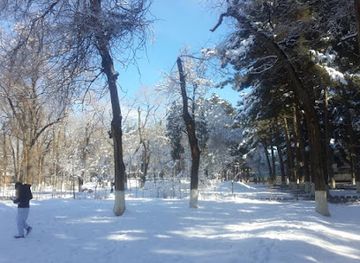
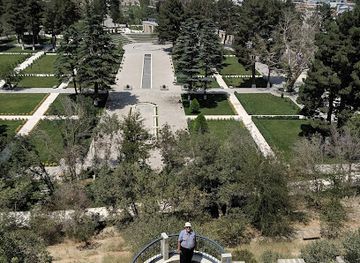

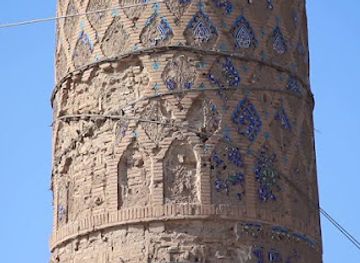
Explore Hindu Kush on the Map
A handpicked selection of must-see spots near Hindu Kush, mapped for you.
Getting There
-
Road
Access to the Hindu Kush is primarily via roads connecting major cities like Kabul and Chitral. These roads often traverse high mountain passes, such as the Salang Pass, and can be challenging, especially during winter. Travelers should be prepared for long drives and potential delays due to weather conditions. Hiring a local driver familiar with the terrain is highly recommended. Costs can vary widely depending on the distance and type of vehicle, but expect to pay between $50 to $150 USD for a day's travel with a private driver.
Discover more about Hindu Kush













Your all‑in‑one travel companion app
Explore expert travel guides, compare and book tours, experiences, hotels, and more—all from the palm of your hand. Download now for seamless trip planning wherever your wanderlust takes you.


Explore More of Paropamisadae
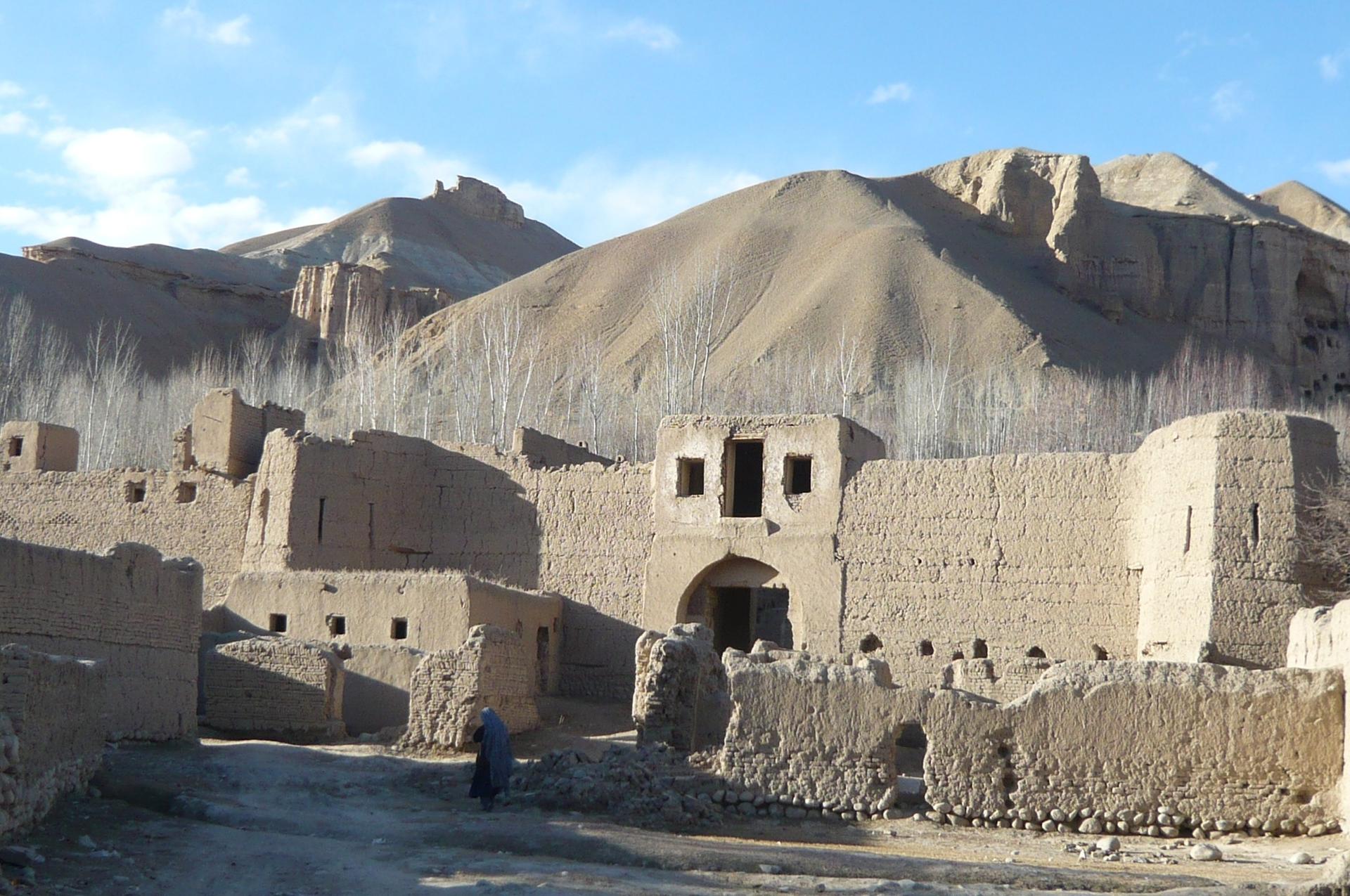
Looking beyond Hindu Kush? Discover Paropamisadae for broader travel guides, local hot-spots, and regional highlights.
Explore Paropamisadae
Explore the serene Buddhist Stupa in Vrang, a historical monument of spirituality set amidst the stunning landscapes of Tajikistan.
Explore Darkot Pass in Khyber Pakhtunkhwa, Pakistan - a breathtaking mountain pass offering stunning views and unforgettable trekking experiences.
