
Sipsey Wilderness: Alabama's Waterfall Wonderland
Discover Alabama's natural wonderland: hiking, waterfalls, and pristine wilderness in the heart of Bankhead National Forest.
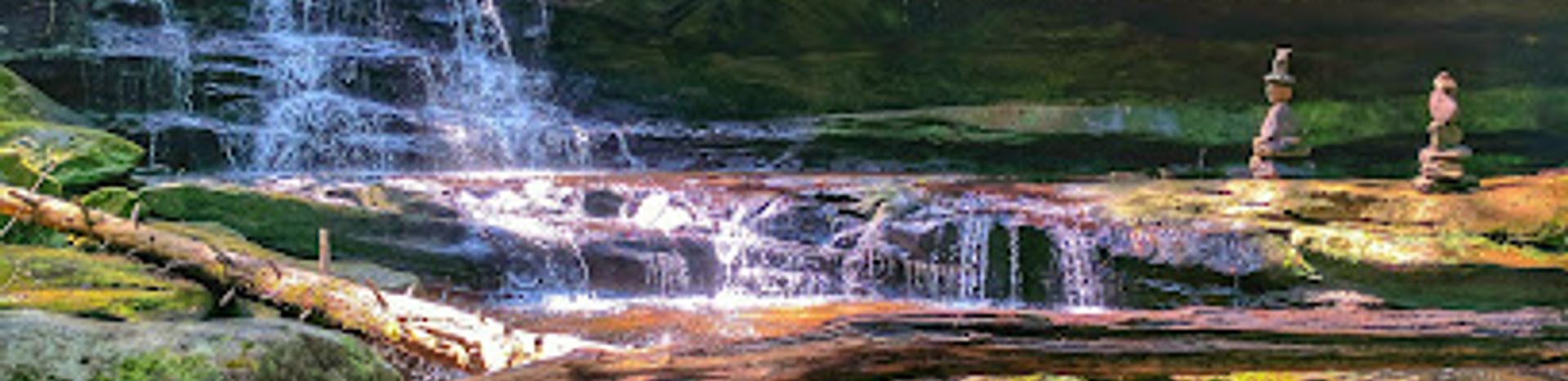
The Sipsey Wilderness, located in northwestern Alabama's Bankhead National Forest, is a remarkable natural area celebrated for its stunning beauty and ecological significance [5, 6, 14]. Designated as a wilderness area in 1975 and expanded in 1988, it encompasses approximately 25,970 acres [5, 6, 14]. Known as the 'Land of 1,000 Waterfalls,' Sipsey is home to a diverse landscape of sandstone bluffs, deep canyons, and the Sipsey Fork, Alabama's only National Wild and Scenic River [3, 5, 6]. The Sipsey Wilderness offers a unique opportunity to experience nature in its purest form [9, 14]. With over 50 miles of trails ranging from easy to moderate, the area is popular for hiking, backpacking, and horseback riding [2, 5]. Visitors can explore the numerous waterfalls, such as Feather Hawk Falls and East Bee Branch Falls, discover hidden caves like the Saltpeter Furnace, and marvel at unique rock formations like Ship Rock and Needle's Eye [4, 5, 12, 13]. The 'Big Tree,' a towering yellow poplar, stands as the tallest tree in Alabama [5]. The Sipsey Fork and its tributaries carve through the wilderness, creating a haven for diverse plant and animal life [2, 3, 5]. The area features Appalachian mixed mesophytic forest with some of the last virgin hardwood stands in Alabama [5]. Keep an eye out for wildlife, including white-tailed deer, various bird species, and the rare flattened musk turtle [4, 2]. Historically, the Sipsey Wilderness was the homeland of the Cherokee and Chickasaw tribes [5]. In 1975, it became the first designated wilderness area east of the Mississippi River, marking a pivotal moment in the Eastern Wilderness Movement [6, 12, 15]. Today, the Sipsey Wilderness continues to provide a sanctuary for both nature and those seeking an escape from the everyday [6, 10, 14].
Local tips
- A $3 per vehicle day-use fee is required at the Sipsey River Trailhead [2, 3, 5, 16]. Other trailheads and parking areas are free.
- Practice Leave No Trace principles to help preserve the wilderness [2]. Pack out all trash and minimize campfire impacts.
- Be aware of the potential for rapidly changing water levels in the Sipsey Fork [23]. Check the water gauge before your trip.
- There are limited trail signs within the wilderness [17, 21]. Bring a map, compass, or GPS device and pay close attention to trail markers.
- Camping is limited to 7 days, and group sizes are limited to 10 people [5, 9, 25]. No off-trail use of stock animals.

A brief summary to Sipsey Wilderness
- Mt Hope, Alabama, 35651, US
- +1205-489-5111
- Visit website
- Monday 12 am-12 am
- Wednesday 12 am-12 am
- Thursday 12 am-12 am
- Friday 12 am-12 am
- Saturday 12 am-12 am
- Sunday 12 am-12 am
Getting There
-
Driving
The Sipsey Wilderness is accessible via several trailheads, including the Sipsey River Recreation Area and the Borden Creek Trailhead [2, 4]. From the town of Double Springs, Alabama, head north on AL-33. Turn onto County Road 60 (Cranal Road) and follow signs to the Sipsey River Recreation Area [3, 4]. From Moulton, Alabama, take AL-33 south, then follow signs to the Borden Creek Trailhead. Note that forest roads may be gravel and unpaved.
-
Parking
Parking is available at the Sipsey River Recreation Area and other trailheads [2, 4]. Parking at the Sipsey River Recreation Area costs $3 per vehicle per day [2, 3, 5, 16]. Parking at other trailheads is free [16, 21]. Parking can be limited during peak seasons and on weekends [17]. There are no designated campsites within the Sipsey Wilderness [5].


