
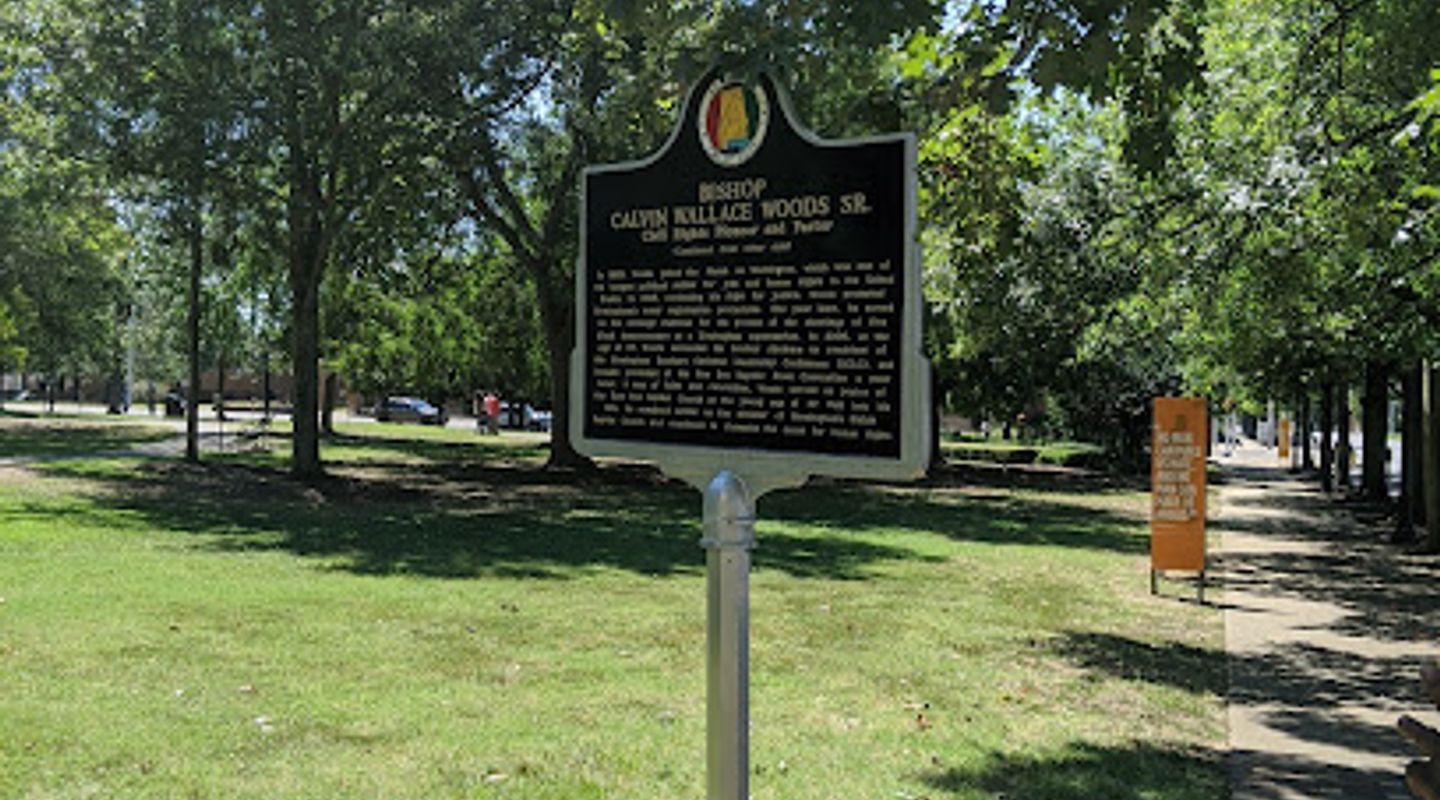
Kelly Ingram Park, Cahaba River Travel Guide
Explore Kelly Ingram Park in Birmingham, a historic landmark of the Civil Rights Movement, featuring powerful sculptures and offering a poignant journey through America's struggle for equality and justice.
Kelly Ingram Park, located in the heart of Birmingham's Civil Rights District, is a poignant and historically significant public space. Once a staging ground for civil rights demonstrations in the 1960s, the park now stands as a place of revolution and reconciliation. It features compelling sculptures depicting the struggles of the era, including confrontations with police dogs and fire hoses. Visitors can take a self-guided audio tour to learn about the park's pivotal role in the Civil Rights Movement. Adjacent to the Birmingham Civil Rights Institute and the 16th Street Baptist Church, Kelly Ingram Park offers a powerful and moving experience, inviting reflection on the past and hope for the future. The park is free to visit and open daily from 8 am to 8 pm, providing an accessible and impactful experience for all.
A brief summary to Kelly Ingram Park
- 500 17th St N, Birmingham, Fountain Heights, Alabama, 35203, US
- Click to display
- Click to display
- Monday 8 am-8 pm
- Tuesday 8 am-8 pm
- Wednesday 8 am-8 pm
- Thursday 8 am-8 pm
- Friday 8 am-8 pm
- Saturday 8 am-8 pm
- Sunday 8 am-8 pm

Know before you go
Hi, I'm Eve. Here are a few practical things to know before exploring Kelly Ingram Park.
- Take the self-guided audio tour (dial 205-307-5455) for an enhanced understanding of the park's history and significance.
- Visit during daylight hours for optimal safety and to fully appreciate the details of the sculptures and monuments.
- Combine your visit with a trip to the adjacent Birmingham Civil Rights Institute and the 16th Street Baptist Church for a comprehensive experience.
- Check the park's event schedule for local festivals and cultural events that may be taking place during your visit.
- Allow at least one hour to explore the park fully and reflect on its profound historical importance.
Do you manage this location?
Take control to get all the benefits, like improved information, better appearance, and stronger visibility across AI-powered discovery. Learn more about listing your business on Evendo
Activate your presenceOther nearby places you may find interesting
The closest places of the same kind, if this one is not quite what you had in mind.
Explore Kelly Ingram Park on the Map
A handpicked selection of must-see spots near Kelly Ingram Park, mapped for you.
Unlock the Best of Kelly Ingram Park
Buy tickets
-
No tickets available
Book tours with entry


Getting There
-
Walking
From the Birmingham Civil Rights Institute, simply cross 16th Street North. The park is directly adjacent to the Institute. From the 16th Street Baptist Church, walk south along 6th Avenue North to 17th Street North, then turn right. The park will be on your left. Both walks are short, no more than 5 minutes.
-
Public Transport
MAX Transit provides fixed-route bus service through the Birmingham - Jefferson County area. Several bus routes stop near Kelly Ingram Park. Check the MAX Transit website for the most up-to-date routes and schedules. From a bus stop near 17th St N, it is a short 5-10 minute walk to Kelly Ingram Park. A single ride fare is typically around $1.50.
-
Taxi/Ride-Share
Taxis and ride-sharing services like Uber and Lyft are readily available in Birmingham. A short ride from downtown hotels or attractions to Kelly Ingram Park will typically cost between $8 and $15, depending on traffic and distance.
-
Driving
If driving, navigate to 500 17th St N, Birmingham, AL 35203. Street parking is available around the park, but parking fees may apply in certain areas. Parking garages are also located within walking distance. Expect to pay around $10-$15 for parking in a nearby garage for a few hours. The AT&T City Center Building is near Kelly Ingram Park.
Discover more about Kelly Ingram Park













Your all‑in‑one travel companion app
Explore expert travel guides, compare and book tours, experiences, hotels, and more—all from the palm of your hand. Download now for seamless trip planning wherever your wanderlust takes you.


Explore More of Cahaba River
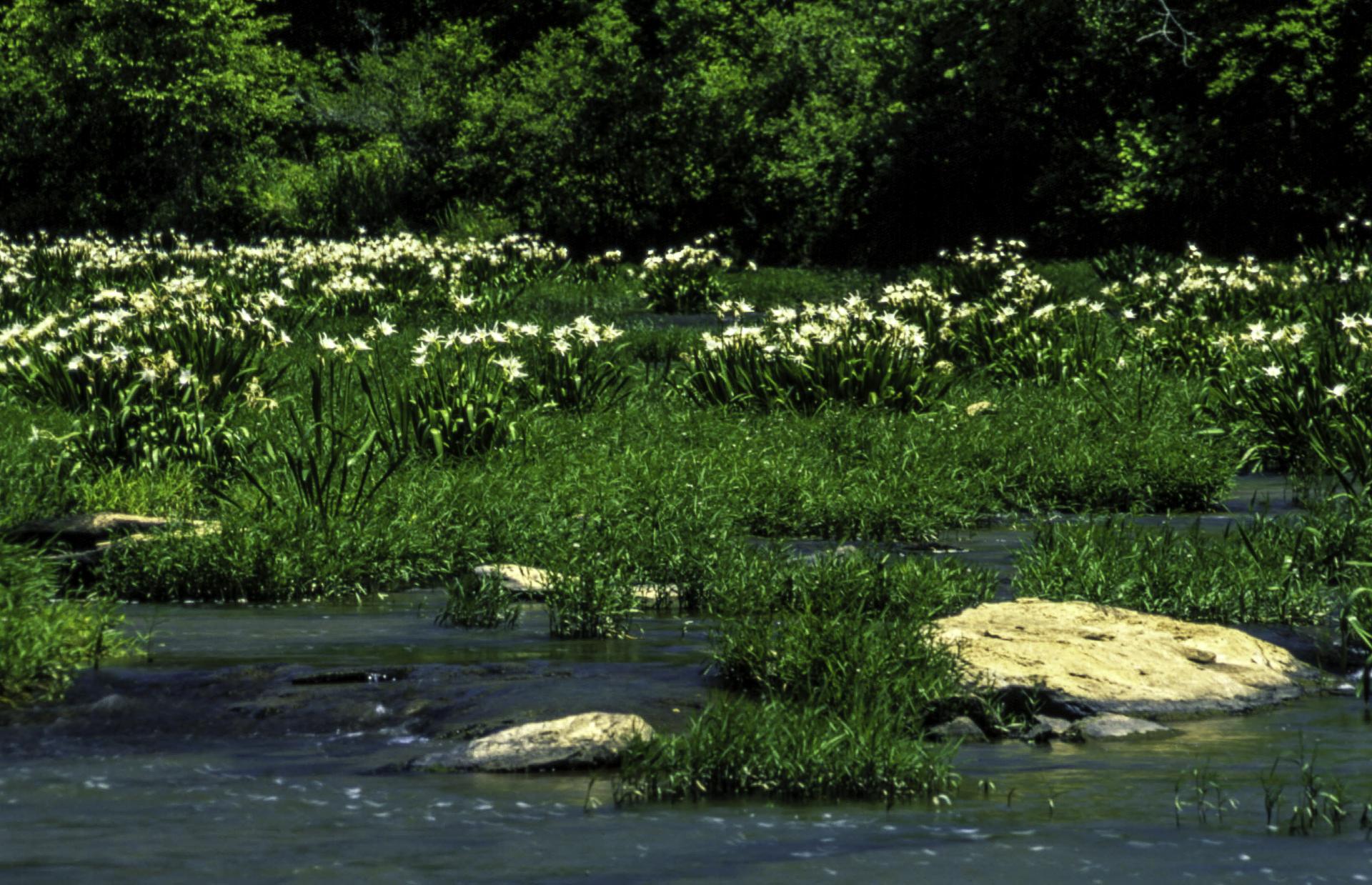
Looking beyond Kelly Ingram Park? Discover Cahaba River for broader travel guides, local hot-spots, and regional highlights.
Explore Cahaba River
Discover a world of art at the Birmingham Museum of Art, home to over 25,000 objects spanning diverse cultures and historical periods, with free admission for all.
Explore Birmingham's Civil Rights District: a powerful journey through history, resilience, and the ongoing pursuit of equality and justice.
