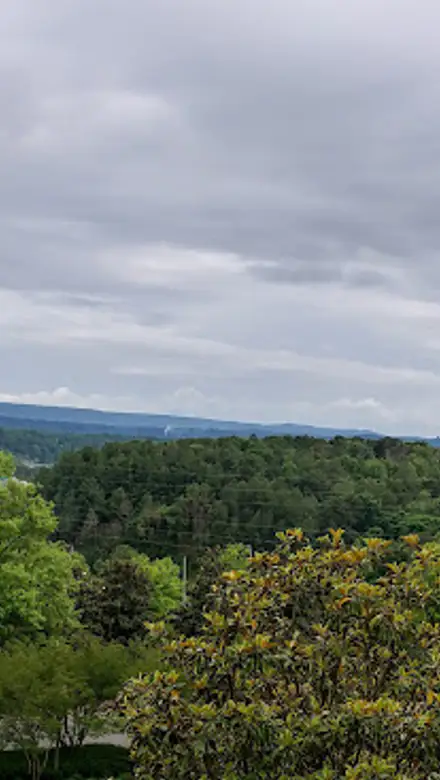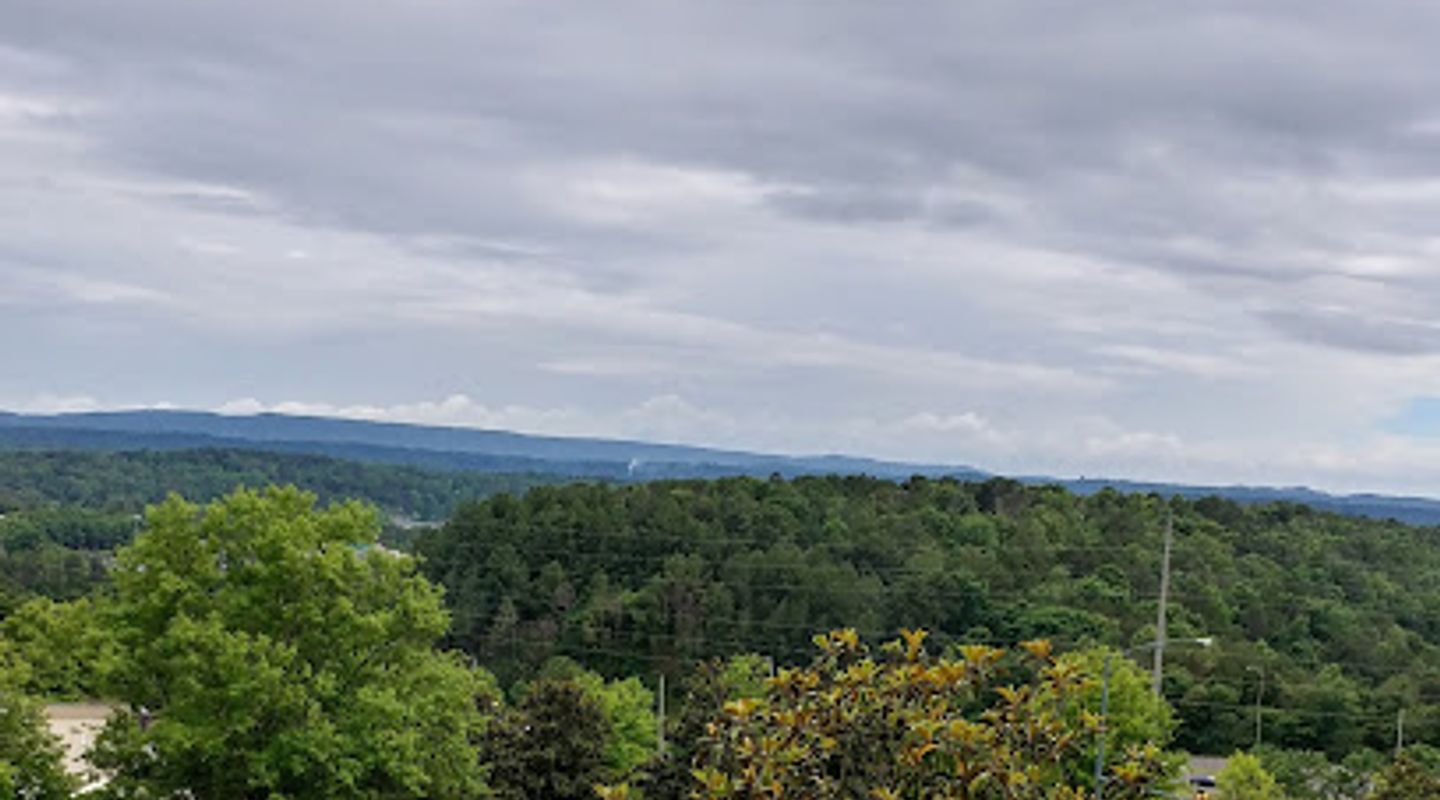
Historic Cahaba Pumping Station, Cahaba Valley Travel Guide
Explore Birmingham's waterworks history at the Historic Cahaba Pumping Station, a museum showcasing the city's early engineering and vital role in community growth.
Explore the Historic Cahaba Pumping Station, a museum and conference center showcasing Birmingham's early waterworks engineering. Completed in 1890, the station played a vital role in providing a reliable water supply to the growing city. Discover the ingenuity and challenges of constructing this essential infrastructure.
A brief summary to Historic Cahaba Pumping Station
- 4012 Sicard Hollow Rd, Birmingham, Overton, Alabama, 35243, US
- Click to display
- Click to display
- Monday 10 am-6 pm
- Tuesday 10 am-6 pm
- Wednesday 10 am-6 pm
- Thursday 10 am-6 pm
- Friday 10 am-6 pm
- Saturday 10 am-6 pm
- Sunday 12 pm-6 pm

Know before you go
Hi, I'm Eve. Here are a few practical things to know before exploring Historic Cahaba Pumping Station.
- Check the Birmingham Water Works website for updated hours and possible event closures before visiting [4].
- Consider visiting during a weekday for a quieter, less crowded experience [4].
- Combine your visit with a trip to nearby Cahaba Heights for dining and shopping [4].
Do you manage this location?
Take control to get all the benefits, like improved information, better appearance, and stronger visibility across AI-powered discovery. Learn more about listing your business on Evendo
Activate your presenceOther nearby places you may find interesting
The closest places of the same kind, if this one is not quite what you had in mind.

Explore Historic Cahaba Pumping Station on the Map
A handpicked selection of must-see spots near Historic Cahaba Pumping Station, mapped for you.
Getting There
-
Driving
From US Highway 280, take the exit for Sicard Hollow Road [3, 4]. Head north on Sicard Hollow Road for approximately 1.5 miles [3, 4]. The Historic Cahaba Pumping Station will be on your left [3, 4]. Parking is available on-site and is free [3, 4, 9].
-
Public Transport
While direct public transportation to the Historic Cahaba Pumping Station is limited, you can take the MAX bus 280 from downtown Birmingham to the Summit Shopping Center [3, 4]. From there, a taxi or ride-sharing service (Uber/Lyft) is needed to cover the remaining distance to the station on Sicard Hollow Road [3, 4]. The bus fare is $2 [3, 4]. A taxi/ride-share from The Summit to the Pumping Station will cost approximately $15-$20 [3, 4].
Discover more about Historic Cahaba Pumping Station
More to explore near Historic Cahaba Pumping Station
-

Best experiences near Historic Cahaba Pumping Station
-

Best hotels near Historic Cahaba Pumping Station
-

Best landmarks near Historic Cahaba Pumping Station
-

Best shops near Historic Cahaba Pumping Station
-

Best restaurants near Historic Cahaba Pumping Station
-

Best bars near Historic Cahaba Pumping Station







Your all‑in‑one travel companion app
Explore expert travel guides, compare and book tours, experiences, hotels, and more—all from the palm of your hand. Download now for seamless trip planning wherever your wanderlust takes you.


Explore More of Cahaba Valley
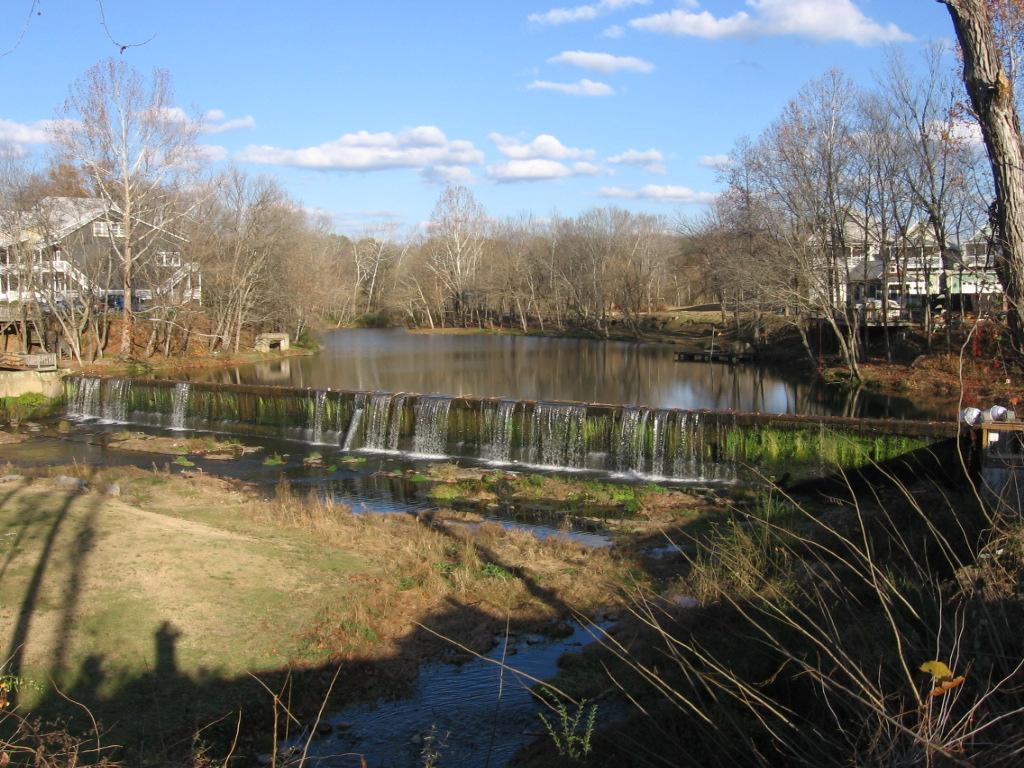
Looking beyond Historic Cahaba Pumping Station? Discover Cahaba Valley for broader travel guides, local hot-spots, and regional highlights.
Explore Cahaba Valley