Fort Decatur: Echoes of the Creek War
Explore Fort Decatur, a serene historical landmark in Alabama, blending rich heritage with natural beauty in a tranquil woodland setting.
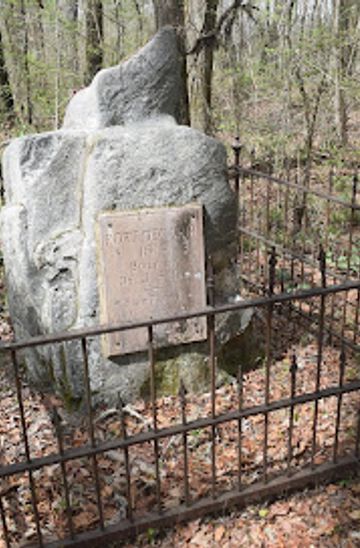
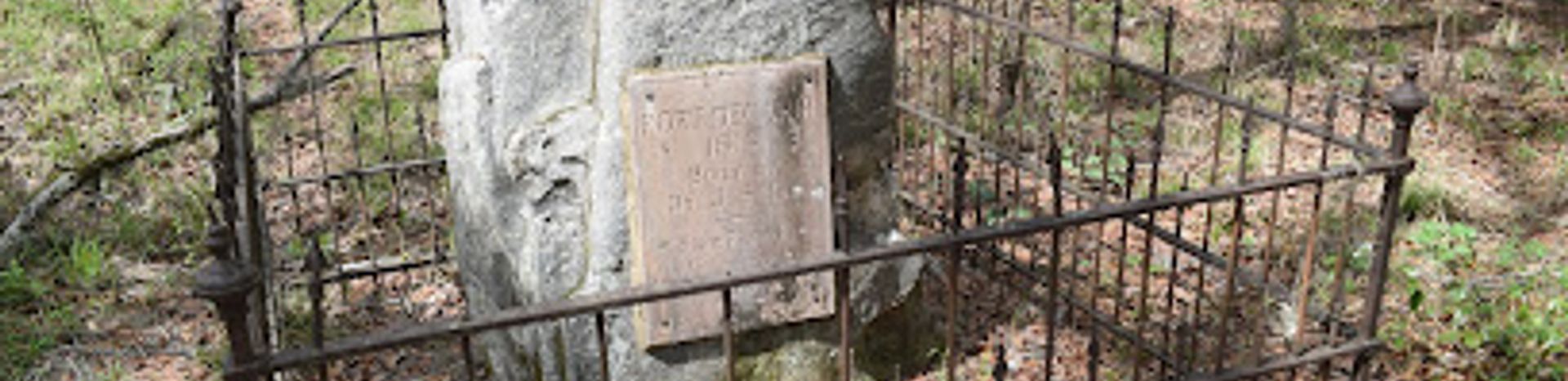
Fort Decatur, near Shorter, Alabama, is a historical landmark dating back to the Creek War and the War of 1812. While the original earthen fort is gone, a stone monument marks the site of this crucial military outpost. Visitors can explore the peaceful, wooded area and reflect on the fort's history and significance.
A brief summary to Fort Decatur
- Crimson Rd, Shorter, Alabama, 36075, US

Know before you go
Hi, I'm Eve. Here are a few practical things to know before exploring Fort Decatur.
- Wear comfortable shoes for walking the unpaved paths around the historical site.
- Bring insect repellent, especially during warmer months, as the area is heavily wooded.
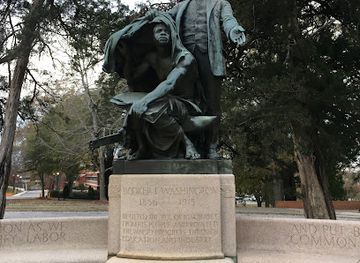
- Combine your visit with a trip to nearby Tuskegee to explore more of Alabama's rich history.
Do you manage this location?
Take control to get all the benefits, like improved information, better appearance, and stronger visibility across AI-powered discovery. Learn more
Activate your presence

Getting There
-
Driving
From Shorter, Alabama, head north on AL-81 towards Crimson Road. Turn left onto Crimson Road and continue for approximately 2 miles. Fort Decatur will be on your right, marked by a historical marker. Parking is available near the marker. Be mindful of the unpaved road conditions as you approach the site. There are no tolls or parking fees.
Discover more about Fort Decatur
Explore the best of what Fort Decatur has to offer













More about River Region

Discover the River Region in Alabama: A blend of natural beauty, historic landmarks, and Southern charm centered around Montgomery, offering a unique and memorable experience.
Tell me more about River Region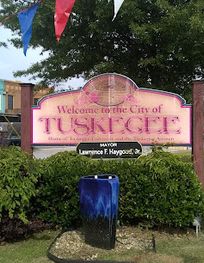
Explore Tuskegee's pivotal role in African American history: education, civil rights, and the legacy of Tuskegee University and the Airmen.

Experience the thrill of gaming and dining at VictoryLand Casino in Alabama—your ultimate entertainment destination!