
Background

Arab Historic Village: A Step Back in Time

Step back in time at Arab Historic Village, exploring life in rural North Central Alabama from the 1880s to 1940s. A unique historical experience awaits!

4.7

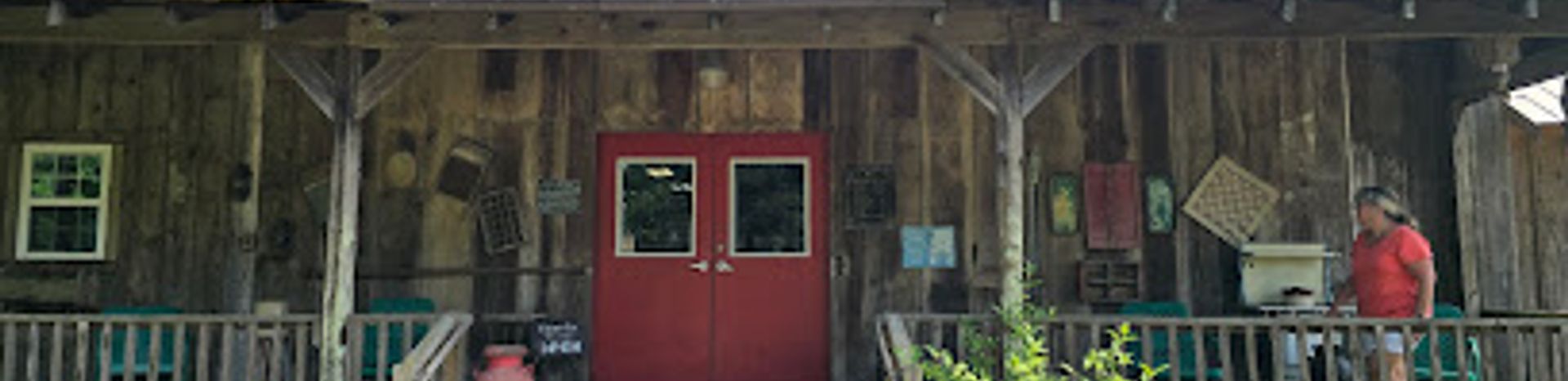
Experience rural North Central Alabama life from the late 19th to mid-20th centuries at the Arab Historic Village. This open-air museum features ten meticulously preserved historic buildings showcasing authentic furnishings and décor from the 1880s to 1940s, offering a glimpse into the region's pioneer past.

A brief summary to Arab Historic Village

  • Tuesday 8 am-3 pm
  • Wednesday 8 am-3 pm
  • Thursday 8 am-3 pm
  • Friday 8 am-3 pm

Local tips

  • Check the Arab City website for special events like the Back When Fair or Santa in the Village for an enhanced, immersive experience.
  • Wear comfortable shoes, as the village is an outdoor complex with some uneven ground.
  • Visit during the week for a quieter experience, as weekends can be busier, especially during events.
  • Bring a camera to capture the charming historical buildings and artifacts.
  • Combine your visit with a stroll through the adjacent Arab City Park for a relaxing afternoon.
widget icon

Getting There

  • Driving

    From Highway 231 in Arab, turn east onto City Park Drive NE. Continue for approximately 0.5 miles. The Arab Historic Village is located adjacent to Arab City Park. Parking is available within the park and is free.

  • Walking

    If you are already in Arab City Park, follow the walking paths towards the back of the park, near the outdoor arena. The Arab Historic Village is located directly behind the park's main recreational area, adjacent to the parking area off Shoal Creek Trail NE.

Unlock the Best of Arab Historic Village

Buy tickets

    No tickets available

Book tours with entry

    No tours available

Book tours without entry

    No tours available

Discover more about Arab Historic Village

The Arab Historic Village, located adjacent to Arab City Park in Arab, Alabama, offers visitors a unique opportunity to step back in time and experience rural life in North Central Alabama between the 1880s and 1940s. The village was established in 1991 as a centennial project by the Arab Historical Society to honor the pioneer settlers who built the area. The village comprises ten meticulously preserved historic buildings, each showcasing authentic furnishings and décor from the era. Knowledgeable volunteers and staff bring the village to life, sharing stories and demonstrating traditional skills. Key structures include : * **The 1935 Old Hunt School:** A two-room schoolhouse offering a glimpse into early education before modern amenities. * **The 1912 Rice Church:** A charming Primitive Baptist Church that hosts weddings, singings, and other special events. * **Smith's Country Store:** A typical country store from the 1930s and 1940s, complete with a vintage gas pump and stocked with period goods. * **The Elvin Light Museum:** Honoring Elvin Light, a local carpenter instrumental in the village's creation, this museum displays a vast collection of artifacts and tools. * **The Smalley Grist Mill:** Discover how cornmeal was made in the days of old at this fully functional grist mill. * **Phillips' Blacksmith Shop:** See demonstrations of blacksmithing, a necessary trade in the early days of the community. * **Lola Boyd Farmhouse:** Peek into Santa's bedroom during the Christmas season in this 1890s farmhouse. The Arab Historic Village is not just a collection of old buildings; it's a living testament to the spirit and resilience of the people who built North Central Alabama. It offers a unique opportunity to connect with the past, learn about traditional skills, and appreciate the simple pleasures of rural life.

Popular Experiences near Arab Historic Village

Popular Hotels near Arab Historic Village

Select Currency