Parc Culturel du Tassili: A Window to Prehistoric Sahara
Explore ancient rock art & stunning landscapes in Algeria's Tassili n'Ajjer, a UNESCO World Heritage Site revealing Sahara's prehistoric past.
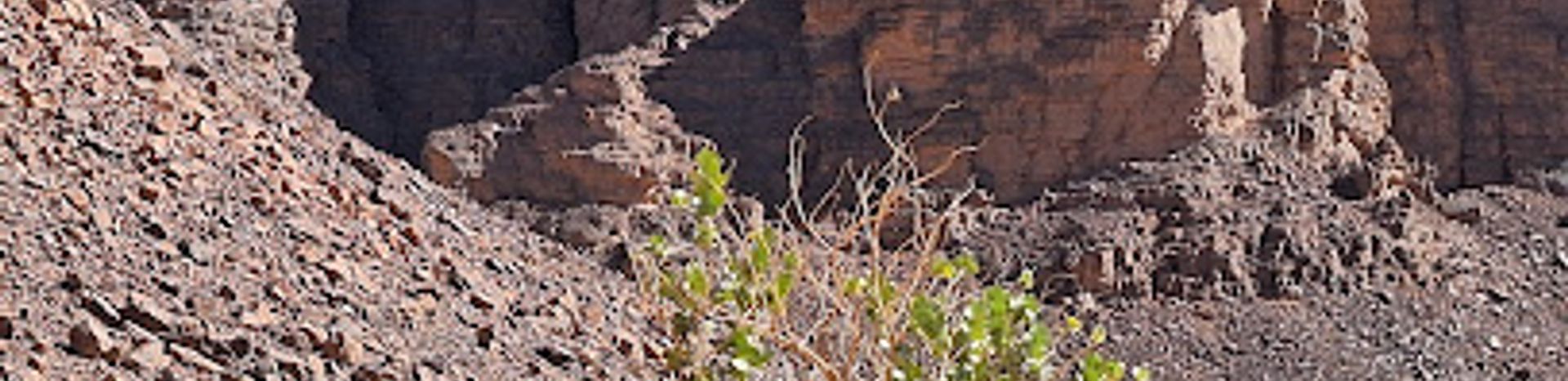
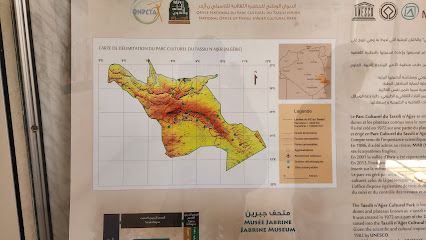
The Parc Culturel du Tassili, formerly Tassili National Park, is an immense national park and UNESCO World Heritage Site located in southeastern Algeria, near Djanet. It protects a vast plateau of geological wonders and one of the world's most significant collections of prehistoric rock art, offering insights into the Sahara's past when it was a fertile and inhabited land.
A brief summary to Parc culturel du Tassili
- X2F6+MR8, Djanet, DZ
Local tips
- A permit is required to enter the park and take photographs, obtainable through government-approved tour agencies or a Tassili Cultural Park conservationist.
- Engage a local guide to navigate the park and discover the rock art sites, as access is restricted and the terrain can be challenging.
- The best time to visit is between October and April to avoid the intense summer heat.

Getting There
-
Air
The most common way to reach the Parc Culturel du Tassili is by flying into Djanet Airport (DJG). Air Algérie operates regular flights from Algiers to Djanet. From Djanet, you'll need to arrange transportation with a local tour operator to enter the park.
-
Land
Alternatively, you can drive to Djanet via Route N3, though organized bus transport is limited. Be prepared for a long journey through the Sahara Desert. From Djanet, a 4x4 vehicle is necessary to navigate the park's terrain and reach specific sites.
Discover more about Parc culturel du Tassili
Iconic landmarks you can’t miss

Office national du parc culturel du Tassili n'Ajjer
63.9 km
Explore the stunning landscapes and ancient rock art of Tassili n'Ajjer National Park, preserved by the Office National du Parc Culturel.
La vache qui pleure
78.5 km
Discover ancient Neolithic rock art at La Vache Qui Pleure near Djanet, Algeria, showcasing the Sahara's rich history and cultural heritage.
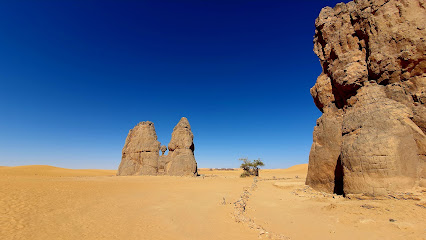
Ouarsisene
99.8 km
Discover the breathtaking beauty of the Ouarsisene Plateau in Bordj El Haouas, Algeria. A serene escape into the heart of the Sahara.

Unmissable attractions to see

تين اضريلال
59.0 km
Explore ancient rock art at Tine Adhrirlal near Bordj El Haouas, Algeria, and discover the Sahara's prehistoric cultural heritage and artistic legacy.
Ihrir
77.3 km
Discover Ihrir, a hidden oasis in the Tassili n'Ajjer mountains, offering ancient rock art and stunning natural beauty in the Algerian Sahara.
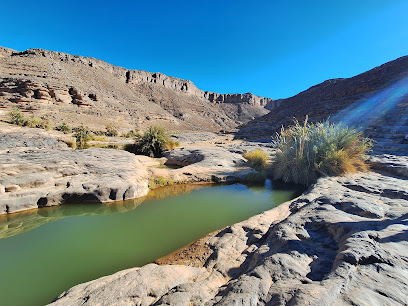
Oued Ihrir
77.5 km
Discover Oued Ihrir: A tranquil Algerian oasis with stunning landscapes, rich biodiversity, and ancient rock art in the heart of the Sahara.
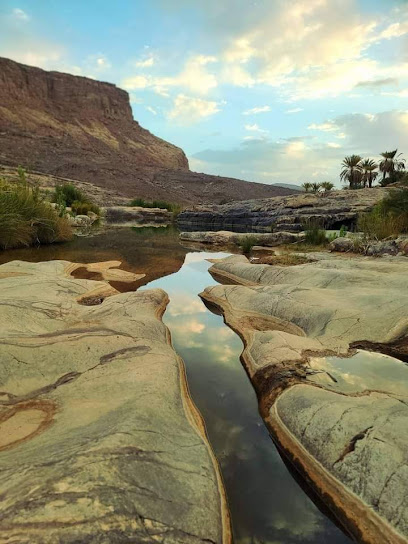
Tin Tiferiest
78.0 km
Explore Tin Tiferiest in Djanet, Algeria: A historical landmark with stunning rock formations, ancient Berber culture, and breathtaking Sahara Desert views.
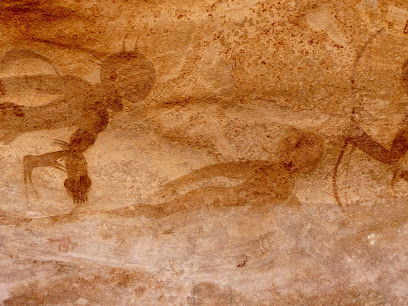
هضبة تاجلاهين
80.6 km
Discover the breathtaking landscapes and serene trails of هضبة تاجلاهين, a hiking gem near Bordj El Haouas, Algeria.
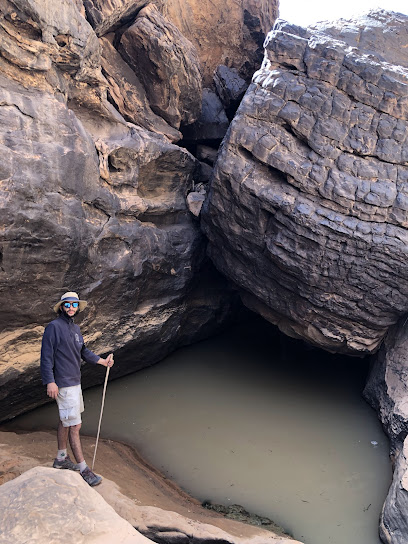
ڨلتة وانمينا
81.3 km
Discover ڨلتة وانمينا, a serene oasis within Algeria's Tassili N'Ajjer National Park, offering a refreshing escape amidst stunning desert landscapes.
Essential places to dine

Markets, malls and hidden boutiques

Sktm .BEH
58.4 km
Explore Sktm .BEH, Bordj El Haouas' premier outlet mall, where every shopping trip becomes a delightful adventure filled with amazing deals and local charm.
بحر بحر
58.9 km
Discover the authentic flavors of Algeria at بحر بحر Bakery in Bordj El Haouas, your go-to spot for fresh pastries and local delicacies.
Ihaket Djanet Travels
74.7 km
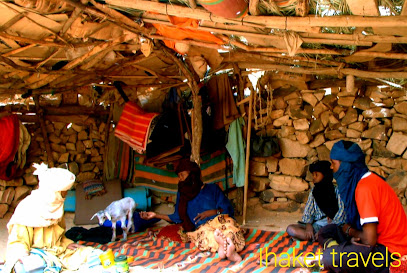
Discover the captivating landscapes and rich culture of Djanet, Algeria with Ihaket Djanet Travels, your expert tour agency in the Sahara.
Essential bars & hidden hideouts

سوبرماركت
58.5 km
Discover the vibrant tastes of Algeria at the local supermarket in Bordj El Haouas, offering fresh produce and unique local products.
Camping ZERIBA
66.7 km
Discover the beauty of the Sahara Desert at Camping ZERIBA, a unique lodging experience in Djanet, Algeria, perfect for adventure and relaxation.
مقهى و مطعم
72.8 km
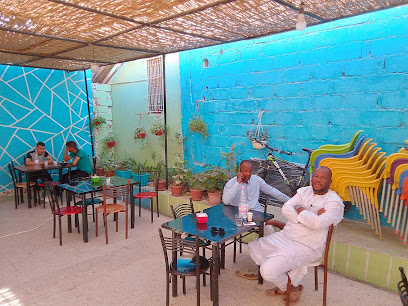
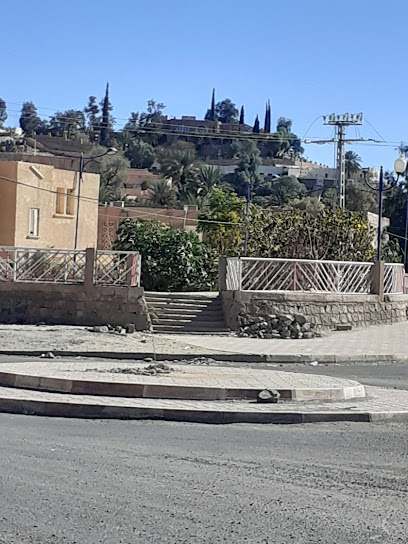
Discover the essence of Algerian flavors at مقهى و مطعم, the perfect grill restaurant in Djanet for an authentic dining experience.