

Murray Springs Clovis Site, Cochise County Travel Guide
Explore an ancient Clovis hunting camp in Arizona, where mammoths roamed and early humans crafted stone tools 13,000 years ago.
Step back 13,000 years at Murray Springs Clovis Site, near Sierra Vista, Arizona, where nomadic hunters of the Clovis culture camped and hunted megafauna like mammoths, bison, and horses. Explore the archaeological site with its interpretive trail, discovering remnants of stone tool manufacturing and animal butchering that offer a glimpse into the lives of these early Paleoindians.
A brief summary to Murray Springs Clovis Site
- N Moson Rd, Sierra Vista, Arizona, 85635, US
- Click to display
- Click to display

Know before you go
Hi, I'm Eve. Here are a few practical things to know before exploring Murray Springs Clovis Site.
- Visit early in the morning or late afternoon to avoid the desert heat and enjoy cooler hiking conditions.
- Bring plenty of water and snacks, as the desert environment can be very dry.
- Wear sturdy hiking shoes, as the terrain can be uneven in areas.
- Stay on the marked trails to protect the archaeological site and adhere to Leave No Trace principles.
Do you manage this location?
Take control to get all the benefits, like improved information, better appearance, and stronger visibility across AI-powered discovery. Learn more about listing your business on Evendo
Activate your presenceOther nearby places you may find interesting
The closest places of the same kind, if this one is not quite what you had in mind.
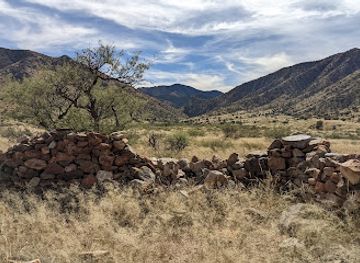
Explore Murray Springs Clovis Site on the Map
A handpicked selection of must-see spots near Murray Springs Clovis Site, mapped for you.
Getting There
-
Car
From Sierra Vista, take Arizona Route 90 east for approximately 6 miles. Turn left onto Moson Road and continue for about 1.2 miles. Turn right onto Murray Springs Road; proceed on foot from the trailhead. Note that the access road leading to the trail is currently closed to vehicle traffic. Day use is free.
-
Public Transport
Take a Greyhound bus or local shuttle to Sierra Vista from Tucson. From the Sierra Vista bus station, a taxi or rideshare (Uber/Lyft) to Murray Springs Clovis Site will cost approximately $15-$20, as the site is about 10 miles away from the station. Check bus schedules in advance.
Discover more about Murray Springs Clovis Site
More to explore near Murray Springs Clovis Site













Your all‑in‑one travel companion app
Explore expert travel guides, compare and book tours, experiences, hotels, and more—all from the palm of your hand. Download now for seamless trip planning wherever your wanderlust takes you.


Explore More of Cochise County
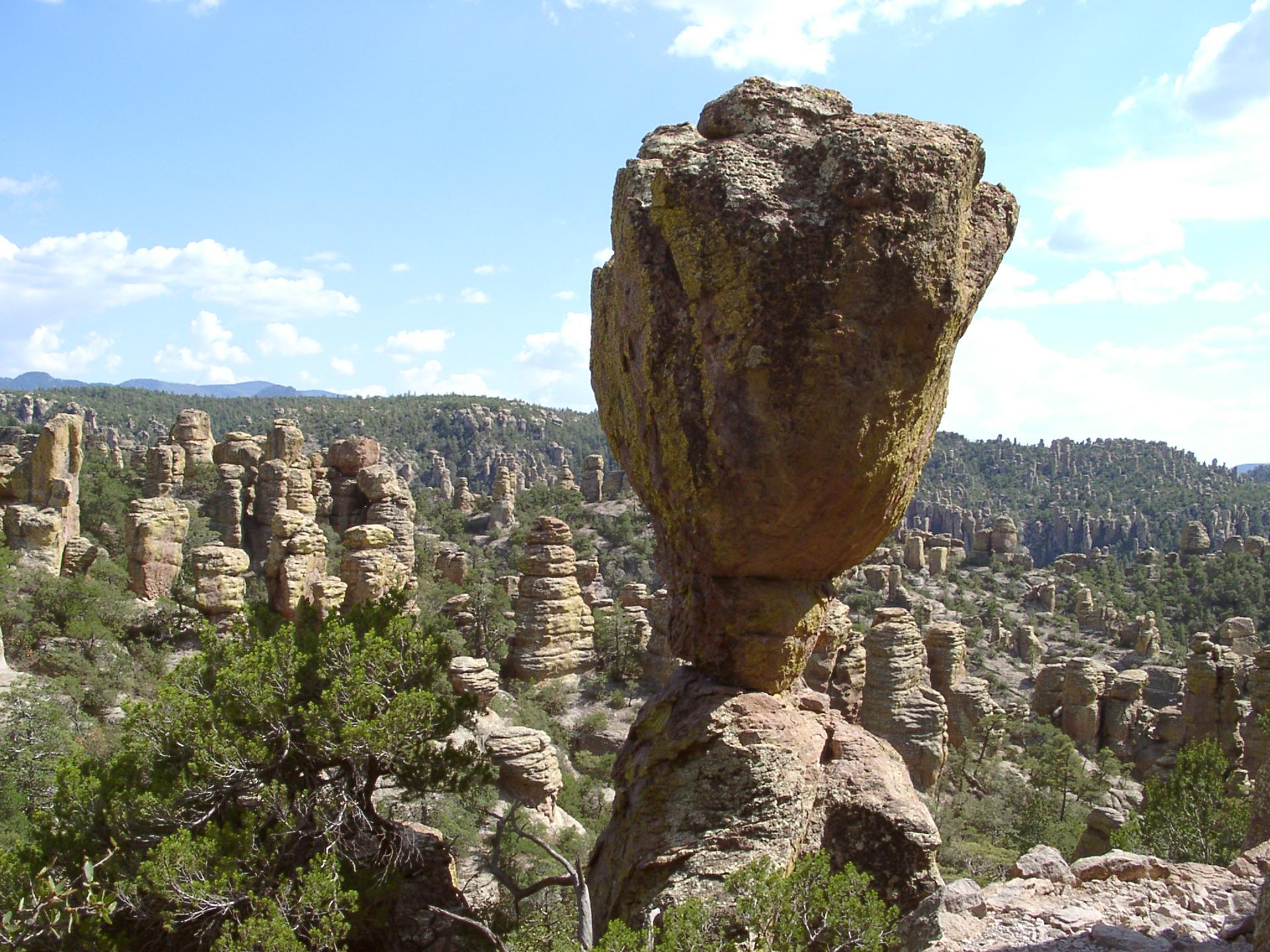
Looking beyond Murray Springs Clovis Site? Discover Cochise County for broader travel guides, local hot-spots, and regional highlights.
Explore Cochise County
Discover the legacy of Fort Huachuca, where the Old West meets military history and the valor of the Buffalo Soldiers is forever remembered.
Explore Clanton Ranch in Sierra Vista, AZ: A historical landmark that captures the spirit of the Wild West with engaging tours and rich narratives.
