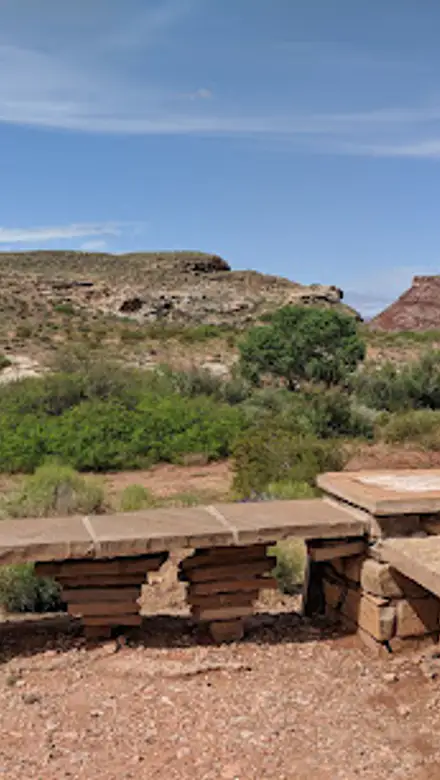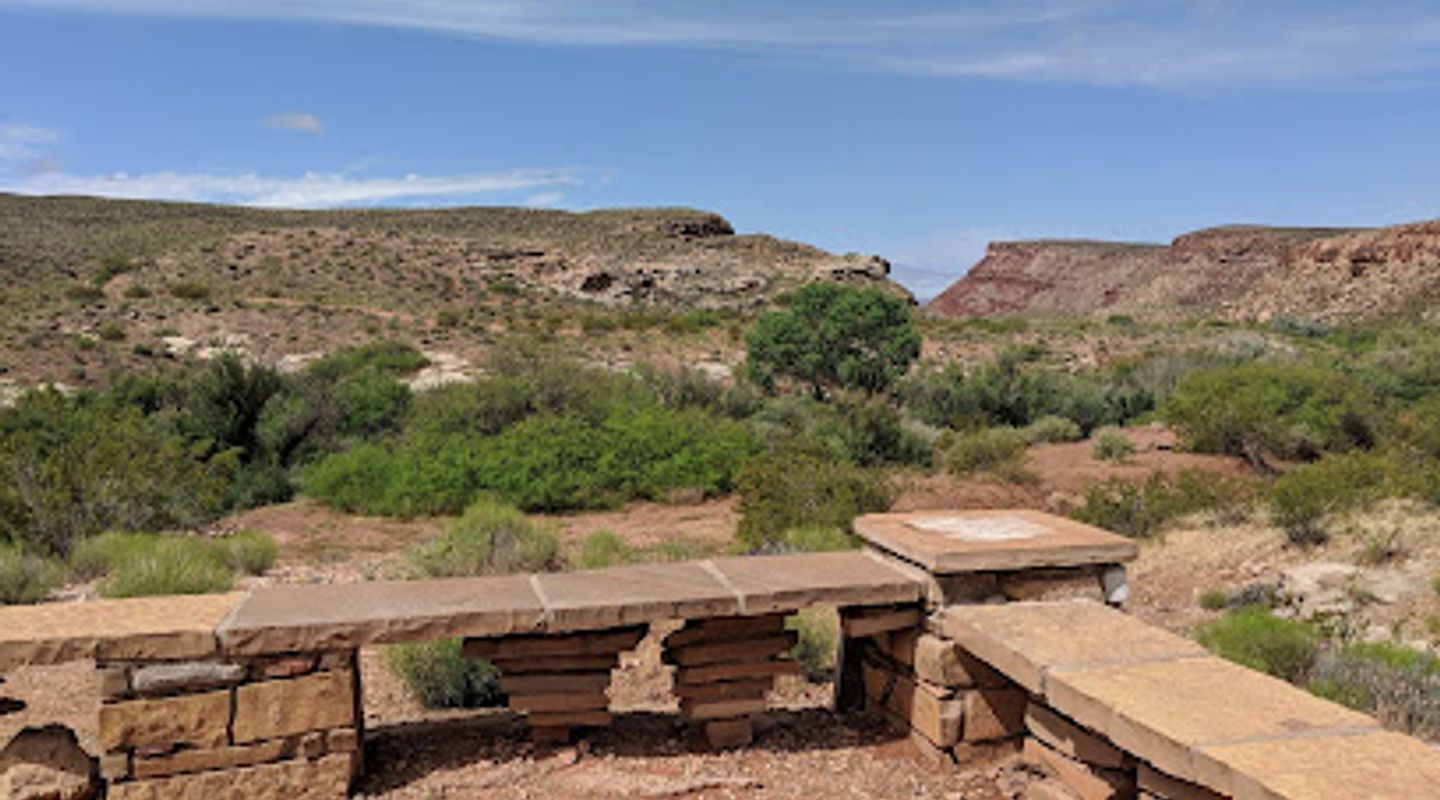
Fort Pearce, Mohave County Travel Guide
Explore the remnants of a 19th-century Mormon fort, offering a glimpse into Utah's pioneer past and the conflicts of the Black Hawk War.
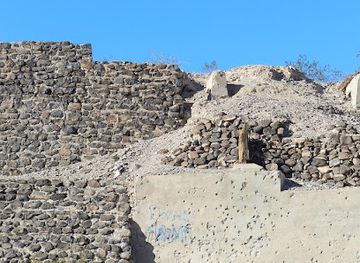
Explore the ruins of Fort Pearce, a 19th-century Mormon fort built to protect settlers from Native American raids during the Black Hawk War. Located near St. George, Utah, the site offers a glimpse into pioneer life and conflicts of the Old West.
A brief summary to Fort Pearce
- St. George, Utah, 84790, US
- Click to display
- Click to display

Know before you go
Hi, I'm Eve. Here are a few practical things to know before exploring Fort Pearce.
- The unpaved Warner Valley Road leading to the fort is generally accessible year-round, but a high-clearance vehicle is recommended, especially in wet conditions.
- Bring water, especially during warmer months, as there are limited facilities at the site.
- Combine your visit with other nearby attractions such as the Honeymoon Trail and the Warner Valley Dinosaur Track Site.
Do you manage this location?
Take control to get all the benefits, like improved information, better appearance, and stronger visibility across AI-powered discovery. Learn more about listing your business on Evendo
Activate your presenceOther nearby places you may find interesting
The closest places of the same kind, if this one is not quite what you had in mind.
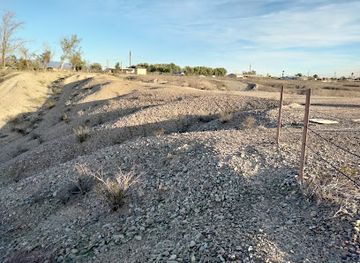

Explore Fort Pearce on the Map
A handpicked selection of must-see spots near Fort Pearce, mapped for you.
Getting There
-
Driving
From St. George, take UT-7 (Southern Parkway) east. Exit onto Warner Valley Road and follow the signs to Fort Pearce Historic Site. The last portion of the road is unpaved but generally accessible. Parking is available at the site. No fees are required for access or parking.
Discover more about Fort Pearce













Your all‑in‑one travel companion app
Explore expert travel guides, compare and book tours, experiences, hotels, and more—all from the palm of your hand. Download now for seamless trip planning wherever your wanderlust takes you.


Explore More of Mohave County
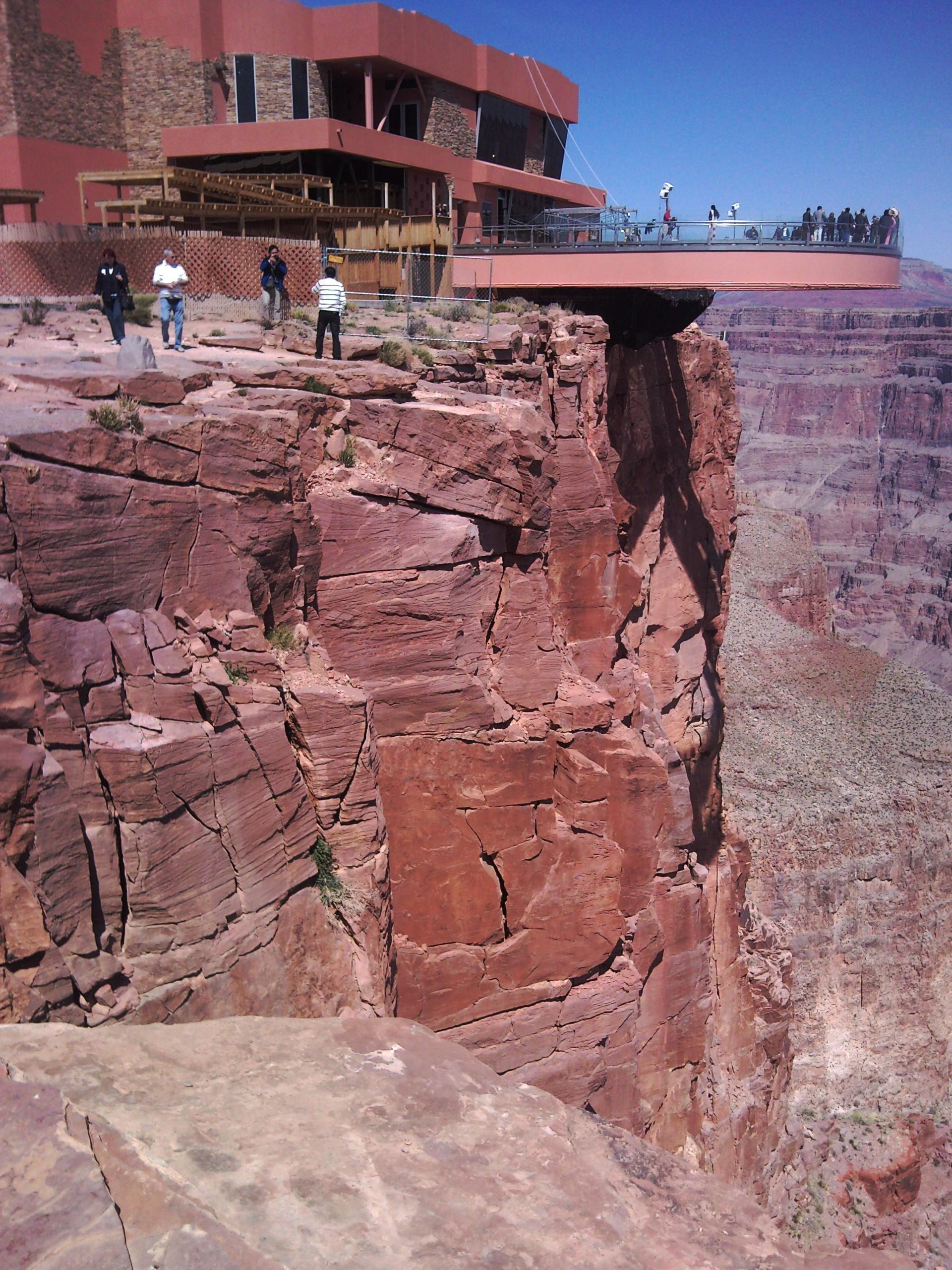
Looking beyond Fort Pearce? Discover Mohave County for broader travel guides, local hot-spots, and regional highlights.
Explore Mohave County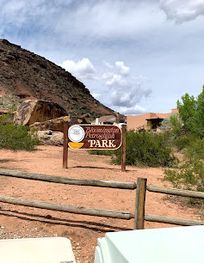
Explore Bloomington Petroglyph Park, a unique blend of ancient rock art and stunning natural beauty in St. George, Utah, perfect for history and nature lovers.

Discover the enchanting Lovers Leap in St. George, Utah, where romance meets breathtaking views and captivating history awaits.