
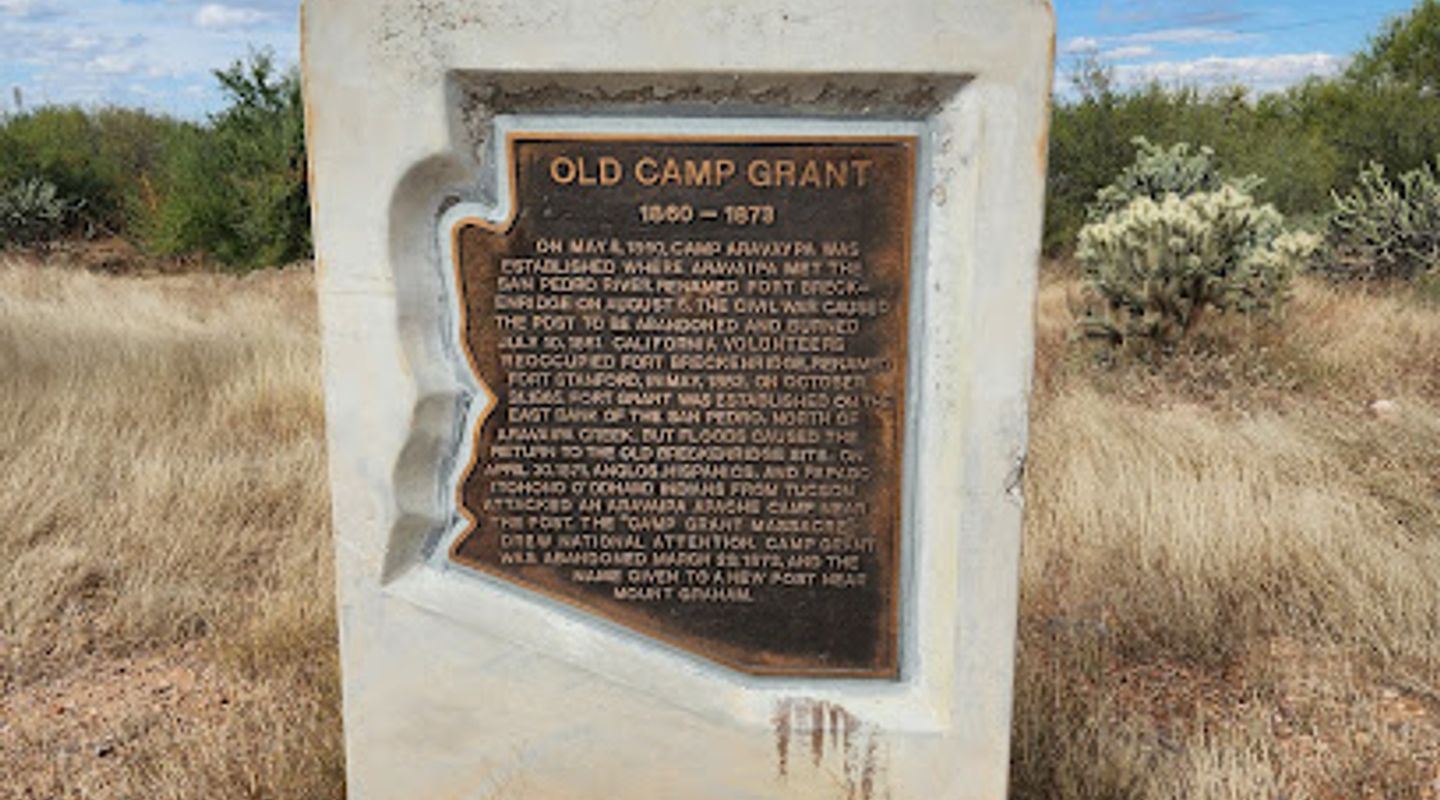
Camp Grant Historical Marker, Pima County Travel Guide
Reflect on Arizona's complex past at the Camp Grant Historical Marker, remembering the stories of settlers, soldiers, and native tribes.
The Camp Grant Historical Marker, located near Winkelman, Arizona, commemorates the site of the former Camp Grant, a 19th-century military post. The marker provides a glimpse into the complex history of the area, including the tragic Camp Grant Massacre, and the interactions between settlers, the U.S. Army, and native Apache tribes.
A brief summary to Camp Grant Historical Marker
- 3204 AZ-77, Winkelman, Arizona, 85192, US

Know before you go
Hi, I'm Eve. Here are a few practical things to know before exploring Camp Grant Historical Marker.
- Consider visiting the Aravaipa Canyon Wilderness, located nearby, to experience the natural beauty of the area.
- Read about the Camp Grant Massacre before your visit to understand the historical context of the site.
- Remember that the actual site of the massacre is unmarked and located a few miles from the marker.
Do you manage this location?
Take control to get all the benefits, like improved information, better appearance, and stronger visibility across AI-powered discovery. Learn more about listing your business on Evendo
Activate your presenceOther nearby places you may find interesting
The closest places of the same kind, if this one is not quite what you had in mind.

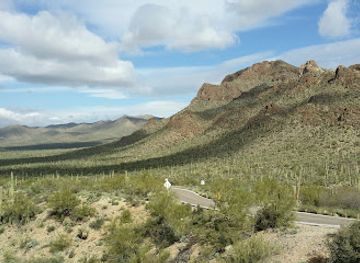
Explore Camp Grant Historical Marker on the Map
A handpicked selection of must-see spots near Camp Grant Historical Marker, mapped for you.
Getting There
-
Driving
The Camp Grant Historical Marker is located off AZ-77, north of Winkelman, Arizona. From Winkelman, head north on AZ-77 for approximately 2 miles. The marker will be on your right-hand side. There is no admission fee to visit the marker. Parking is available on-site.
Discover more about Camp Grant Historical Marker
More to explore near Camp Grant Historical Marker













Your all‑in‑one travel companion app
Explore expert travel guides, compare and book tours, experiences, hotels, and more—all from the palm of your hand. Download now for seamless trip planning wherever your wanderlust takes you.


Explore More of Pima County
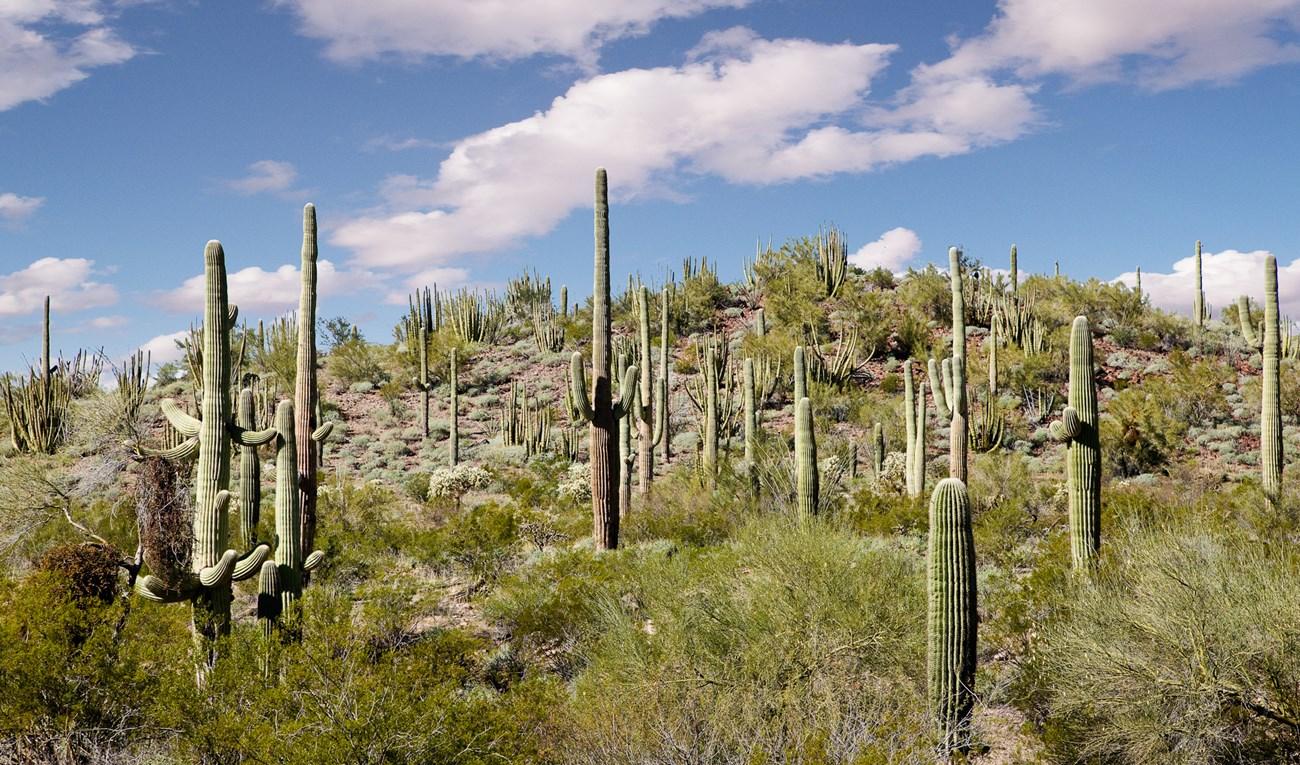
Looking beyond Camp Grant Historical Marker? Discover Pima County for broader travel guides, local hot-spots, and regional highlights.
Explore Pima County
A roadside tribute to Tom Mix, the original King of Cowboys, honoring his legacy in film and the Wild West on Arizona's Highway 79.
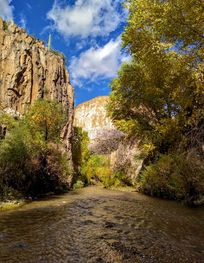
Discover a hidden world of towering cliffs, flowing water, and diverse wildlife in Arizona's Aravaipa Canyon Wilderness. Permits required.
