

Springdale, Arkansas Travel Guide
Discover the charm of Springdale, Arkansas - where natural beauty meets vibrant culture, perfect for outdoor adventures, historical exploration, and family fun.
Springdale, nestled in the scenic Ozark Mountains of Northwest Arkansas, offers a blend of natural beauty and modern charm. As you wander through the city, you'll be captivated by its friendly atmosphere and the promise of adventure around every corner. From its lush parks and trails to its vibrant downtown, Springdale is a haven for outdoor enthusiasts and culture seekers alike. Explore the rich history of Springdale at the Shiloh Museum of Ozark History, which showcases artifacts and exhibits that tell the story of the Ozarks. For a taste of local flavor, visit the bustling farmers market where you can sample fresh produce and handmade goods. Don't miss the Arkansas & Missouri Railroad, offering scenic train rides that capture the essence of the region's picturesque landscapes. For those who love the great outdoors, the Razorback Greenway provides miles of trails perfect for biking, jogging, or a leisurely stroll. And for a fun family outing, the Botanical Garden of the Ozarks is a must-see, featuring beautiful gardens and educational programs. Springdale's culinary scene is also a treat, with a variety of restaurants offering everything from Southern comfort food to international cuisine.

Know before you go
Hi, I'm Eve. Here are a few practical things to know before exploring Springdale.
- Visit in the spring or fall for the best weather and beautiful foliage.
- Check out local events at the Jones Center for sports and community activities.
- Take a scenic train ride on the Arkansas & Missouri Railroad for stunning views.
- Explore the Razorback Greenway for a day of biking or walking.
- Visit the farmers market early to get the best selection of local produce.
Explore Springdale: Things to Do, Places to Eat, Hotels & More
Handpicked recommendations for top attractions, local dining, accommodations, and more

Best attractions in Springdale
Top-rated picks
Best Attractions

Grafton Ghost Town
Explore the haunting beauty of Grafton Ghost Town, a historical gem nestled near Zion National Park, offering a glimpse into the past and breathtaking landscapes.

Murphy Park
Experience the natural beauty and family-friendly atmosphere of Murphy Park in Springdale, Arkansas, a perfect retreat for relaxation and outdoor fun.

1 Zion Park Blvd
Your gateway to Zion National Park: Information, shuttles, and expert advice for exploring Zion Canyon's majestic trails and scenic wonders.

Observation Point Trail
Hike to Zion's Observation Point for unmatched panoramic views of Zion Canyon and Angels Landing via the scenic East Mesa Trail.

Best landmarks in Springdale
Top-rated picks
Best Landmarks

The Jones Center
Explore The Jones Center in Springdale, Arkansas, where ice skating, swimming, and fitness come together for an unforgettable recreational experience.

Taqueria El Cuñado Abierto Todos Los Dias
Discover the essence of Mexican cuisine at Taqueria El Cuñado in Springdale, where every dish is a celebration of authentic flavors and vibrant culture.

Neal's Cafe
Discover the heart of Southern cuisine at Neal's Cafe in Springdale, Arkansas, where hearty meals and warm hospitality await every visitor.

Ozark Center Point Place
Experience the best of shopping and dining at Ozark Center Point Place, the ultimate destination for tourists in Springdale, Arkansas.

Best restaurants in Springdale
Top-rated picks
Best Restaurants

MarketPlace Grill
Experience delicious American cuisine at MarketPlace Grill in Springdale - where great flavors meet warm hospitality.

Outback Steakhouse
Experience the best of Australian-inspired American dining at Outback Steakhouse in Springdale – where hearty meals meet warm hospitality.
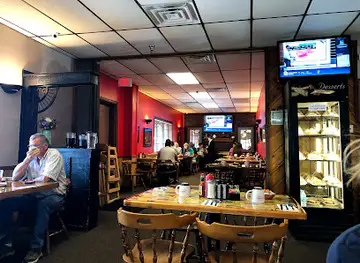
Susan's Restaurant
Discover authentic American cuisine at Susan's Restaurant in Springdale - where great taste meets affordability.

Hawaiian Bros Island Grill
Experience authentic Hawaiian cuisine at Hawaiian Bros Island Grill in Springdale - where every meal feels like a tropical getaway.

Best bars in Springdale
Top-rated picks
Best Bars

Outback Steakhouse
Experience the perfect blend of Australian and American cuisine at Outback Steakhouse in Springdale, offering a vibrant dining atmosphere and delicious meals.

Applebee's Grill + Bar
Discover the taste of American classics at Applebee's Grill + Bar – a family-friendly restaurant perfect for every occasion.

La Huerta - Mexican Restaurant
Experience authentic Mexican flavors at La Huerta in Springdale, offering a vibrant atmosphere and delicious dishes for an unforgettable dining experience.

Foghorn's Springdale
Experience a lively dining atmosphere at Foghorn's Springdale, home to delectable chicken wings, juicy hamburgers, and refreshing drinks.

Best nightclubs in Springdale
Top-rated picks
Best Nightclubs

Shirley's
Discover the vibrant atmosphere and live music at Shirley's, a must-visit bar in Springdale, Arkansas, perfect for unwinding and socializing.

Buck’s Emma Ave. Bar & Tap
Discover the lively atmosphere and delicious drinks at Buck's Emma Ave. Bar & Tap, a must-visit spot in Springdale for an unforgettable night out.

C4 Nightclub & Lounge
Discover the electrifying nightlife of C4 Nightclub & Lounge in Fayetteville, Arkansas - a vibrant hub for dancing, drinks, and unforgettable experiences.

Fatty Hackers Sports Bar
Experience the vibrant nightlife at Fatty Hackers Sports Bar in Springdale, where great food, drinks, and live music come together in a lively atmosphere.

Best shops in Springdale
Top-rated picks
Best Shops

Ozark Center Point Place
Discover unique shops and delicious dining at Ozark Center Point Place, the vibrant shopping mall in Springdale, Arkansas.

Me & the Flea Market
Explore a vibrant flea market in Springdale, Arkansas, where unique treasures and local artistry come together in a lively shopping experience.

Tontitown Flea Market & Antique Mall
Explore an eclectic mix of antiques, vintage collectibles, and handmade crafts at Tontitown Flea Market & Antique Mall in Springdale, Arkansas.

Samaritan Shop
Explore the Samaritan Shop: a thrift store in Springdale filled with unique finds and a mission to support local charities.

Explore Springdale on the Map
A handpicked selection of must-see spots in Springdale, mapped for you.
Springdale Essentials
-
Springdale is located in northwest Arkansas. The nearest major airport is Northwest Arkansas National Airport (XNA), approximately 15 miles from Springdale. From the airport, you can rent a car, take a taxi, or use ride-sharing services to reach the city. Alternatively, you can drive to Springdale via major highways such as I-49, which connects with other significant routes in the region.
-
Springdale offers a variety of transportation options. For local travel, Ozark Regional Transit provides bus services around the city and to neighboring areas. Taxis and ride-sharing services like Uber and Lyft are also readily available. Renting a car is a convenient option for exploring the broader region, including nearby attractions like the Ozark Mountains.
-
The official currency is the US Dollar (USD). Credit and debit cards are widely accepted in hotels, restaurants, and shops. ATMs are conveniently located throughout the city, but it's advisable to carry some cash for smaller establishments or in case of emergency.
-
Springdale is generally a safe city for tourists. However, it's wise to take standard precautions such as avoiding poorly lit areas at night and keeping an eye on personal belongings in crowded places. Some areas in the city have higher crime rates, so it's best to consult local advisories for up-to-date information.
-
In case of emergency, dial 911 for immediate assistance. Springdale has a well-equipped police force and medical facilities. The Northwest Medical Center is a major hospital in the area. It's recommended to have travel insurance that covers medical emergencies. Pharmacies are available for minor health issues.
-
Fashion: Do dress comfortably and appropriately for the weather. Don't wear overly revealing clothing in public. Religion: Do respect local religious customs and places of worship. Public Transport: Do be courteous to fellow passengers and offer your seat to elderly individuals. Don't play loud music or eat on public transportation. Greetings: Do greet people with a friendly handshake or a nod. Eating & Drinking: Do try local cuisines and respect dining customs. Don't waste food, as it is considered disrespectful.
-
To experience Springdale like a local, visit the Farmers Market at the Jones Center for fresh produce and local crafts. Take a stroll through Downtown Springdale, where you can find unique shops and eateries. Engage with locals at community events and festivals, such as the Rodeo of the Ozarks and the Ozarktober Fest. For outdoor enthusiasts, the Razorback Greenway offers scenic biking and walking trails.
When is the best time to visit Springdale?
Useful Local Phrases for Springdale
You don't need to speak the language perfectly. Even learning a few simple words can make conversations warmer—and locals usually appreciate the effort.
— Eve

Here are the phrases I use most often in Springdale. Try a few—you'll be surprised how far they go! 😊
❤️
-
- HelloHowdy
[haw-dee] - GoodbyeSee ya
[see yuh] - YesYep
[yep] - NoNah
[nah] - Please/You're welcomePlease/No problem
[pleez/no prob-lem] - Thank youThanks
[thanks] - Excuse me/SorryPardon me/My bad
[par-dn me/my bad] - How are you?How y'all doin'?
[how y'all doin'] - Fine. And you?Fine. And y'all?
[fine. and y'all?] - Do you speak English?Ya speak English?
[ya speak english?] - I don't understandI ain't gettin' it
[i ain't get-tin' it]
- HelloHowdy
-
- I'd like to see the menu, pleaseCan I check out the menu, please
[can i check out the menu, please] - I don't eat meatI don't do meat
[i don't do meat] - Cheers!Cheers!
[cheers!] - I would like to pay, pleaseI'm ready to settle up
[i'm ready to settle up]
- I'd like to see the menu, pleaseCan I check out the menu, please
-
- Help!Help!
[help!] - Go away!Git!
[git!] - Call the Police!Call the cops!
[call the cops!] - Call a doctor!Call a doc!
[call a doc!] - I'm lostI'm turned around
[i'm turned around] - I'm illI'm feelin' poorly
[i'm feelin' poorly]
- Help!Help!
-
- I'd like to buy...I'm fixin' to buy...
[i'm fixin' to buy...] - I'm just lookingI'm just browsin'
[i'm just browsin'] - How much is it?How much does it run?
[how much does it run?] - That's too expensiveThat's steep
[that's steep] - Can you lower the price?Can you knock some off?
[can you knock some off?]
- I'd like to buy...I'm fixin' to buy...
-
- What time is it?What's the time?
[what's the time?] - It's one o'clockIt's one
[it's one] - Half past (10)Ten-thirty
[ten-thur-tee] - MorningMornin'
[mornin'] - AfternoonAfternoon
[afternoon] - EveningEvenin'
[evenin'] - YesterdayYest'day
[yest'day] - TodayToday
[today] - TomorrowTomorrah
[tomorrah] - 1One
[wun] - 2Two
[too] - 3Three
[three] - 4Four
[four] - 5Five
[five] - 6Six
[six] - 7Seven
[seven] - 8Eight
[eight] - 9Nine
[nine] - 10Ten
[ten]
- What time is it?What's the time?
-
- Where's a/the...?Where's the...
[where's the...] - What's the address?What's the addy?
[what's the addy?] - Can you show me (on the map)?Can you point it out (on the map)?
[can you point it out (on the map)?] - When's the next (bus)?When's the next (bus)?
[when's the next (bus)?] - A ticket (to ....)A ticket (to ....)
[a ticket (to ....)]
- Where's a/the...?Where's the...
History of Springdale
-
Springdale, Arkansas, originally known as Shiloh, was founded in the early 1840s by a group of settlers led by the Holcomb and Fitzgerald families. The community was named after the Shiloh Church, which was an important landmark and meeting place for the early settlers. The town was officially renamed Springdale in 1872 when the first post office was established.
-
The arrival of the St. Louis-San Francisco Railway in 1881 marked a significant turning point in the history of Springdale. The railway facilitated the transportation of goods and people, boosting the local economy and encouraging population growth. This development transformed Springdale from a small farming community into a bustling town with a more diverse economy.
-
In the late 19th and early 20th centuries, Springdale became known for its thriving fruit and berry industry. The region's fertile soil and favorable climate made it an ideal location for growing apples, strawberries, and other fruits. The annual Strawberry Festival, which began in the early 1900s, celebrated this agricultural success and drew visitors from across the state.
-
Springdale's modern identity is closely tied to its poultry industry, which began to flourish in the mid-20th century. The establishment of Tyson Foods in 1935 by John W. Tyson played a pivotal role in this transformation. Tyson Foods grew to become one of the world's largest processors of chicken, beef, and pork, making Springdale a hub for the poultry industry and contributing significantly to the local economy.
-
In recent decades, Springdale has experienced significant growth and diversification. The city's population has become increasingly diverse, with a notable influx of Hispanic and Marshallese communities. This cultural richness is evident in the variety of local businesses, festivals, and community events that celebrate the unique heritage and traditions of its residents.
-
Springdale boasts several historic landmarks and attractions that offer a glimpse into its past. The Shiloh Museum of Ozark History, located in downtown Springdale, preserves and interprets the history of the Arkansas Ozarks. Additionally, the historic Fitzgerald Station and Farmstead, a key stop on the Butterfield Overland Mail Route, stands as a testament to the area's early transportation history.
Cities near Springdale
The closest cities to Springdale, if you have time for more than one stop.
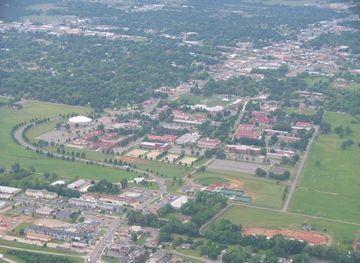


Your all‑in‑one travel companion app
Explore expert travel guides, compare and book tours, experiences, hotels, and more—all from the palm of your hand. Download now for seamless trip planning wherever your wanderlust takes you.


Springdale in Photos
Browse through our photo collection highlighting the charm and character of the destination.

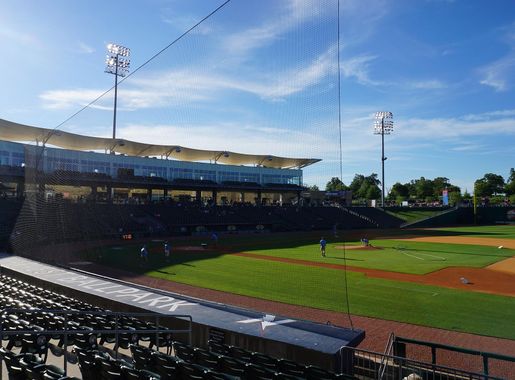


Springdale: The Heart of Northwest Arkansas
Springdale, nestled in the scenic Ozark Mountains of Northwest Arkansas, offers a blend of natural beauty and modern charm. As you wander through the city, you'll be captivated by its friendly atmosphere and the promise of adventure around every corner. From its lush parks and trails to its vibrant downtown, Springdale is a haven for outdoor enthusiasts and culture seekers alike. Explore the rich history of Springdale at the Shiloh Museum of Ozark History, which showcases artifacts and exhibits that tell the story of the Ozarks. For a taste of local flavor, visit the bustling farmers market where you can sample fresh produce and handmade goods. Don't miss the Arkansas & Missouri Railroad, offering scenic train rides that capture the essence of the region's picturesque landscapes. For those who love the great outdoors, the Razorback Greenway provides miles of trails perfect for biking, jogging, or a leisurely stroll. And for a fun family outing, the Botanical Garden of the Ozarks is a must-see, featuring beautiful gardens and educational programs. Springdale's culinary scene is also a treat, with a variety of restaurants offering everything from Southern comfort food to international cuisine.
Explore More of Arkansas

Looking beyond Springdale? Discover Arkansas for broader travel guides, local hot-spots, and regional highlights.
Explore Arkansas