Astarachay, Lankaran Astara Region Travel Guide
Astarachay River: Where nature draws the line between Azerbaijan and Iran, linking trade, history, and scenic beauty.
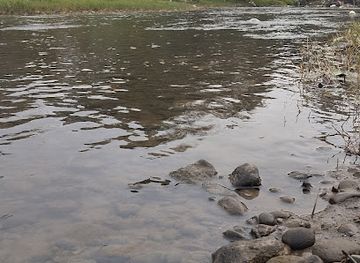
The Astarachay River, a modest waterway, forms the natural boundary between Azerbaijan and Iran, flowing from the Talysh Mountains into the Caspian Sea. It's a picturesque, historically significant landmark and a key element in regional trade and transport.
A brief summary to Astarachay

Know before you go
Hi, I'm Eve. Here are a few practical things to know before exploring Astarachay.
- Explore the surrounding region for a glimpse into the diverse landscapes of both Azerbaijan and Iran.
- Visit the nearby Hirkan National Park in Azerbaijan for a chance to see rare plant species.
- Consider visiting the Astara Bazaar to experience local culture and trade.
Do you manage this location?
Take control to get all the benefits, like improved information, better appearance, and stronger visibility across AI-powered discovery. Learn more about listing your business on Evendo
Activate your presenceOther nearby places you may find interesting
The closest places of the same kind, if this one is not quite what you had in mind.

Explore Astarachay on the Map
A handpicked selection of must-see spots near Astarachay, mapped for you.
Getting There
-
Walking
From either Astara city (Azerbaijan) or Astara (Iran), the river is accessible by walking towards the border area. Be mindful of border regulations and crossing points. The river itself forms the boundary, so specific points of interest might be limited to viewpoints and border crossings.
-
Public Transport
Local buses and taxis can take you to Astara city centers on either side of the border. From there, walking or a short taxi ride can get you closer to the river. Bus fares within the cities are typically inexpensive (around 0.20-0.50 AZN in Azerbaijan). Taxi fares for short distances are generally between 1-3 AZN.
Discover more about Astarachay













Your all‑in‑one travel companion app
Explore expert travel guides, compare and book tours, experiences, hotels, and more—all from the palm of your hand. Download now for seamless trip planning wherever your wanderlust takes you.


Explore More of Lankaran Astara Region
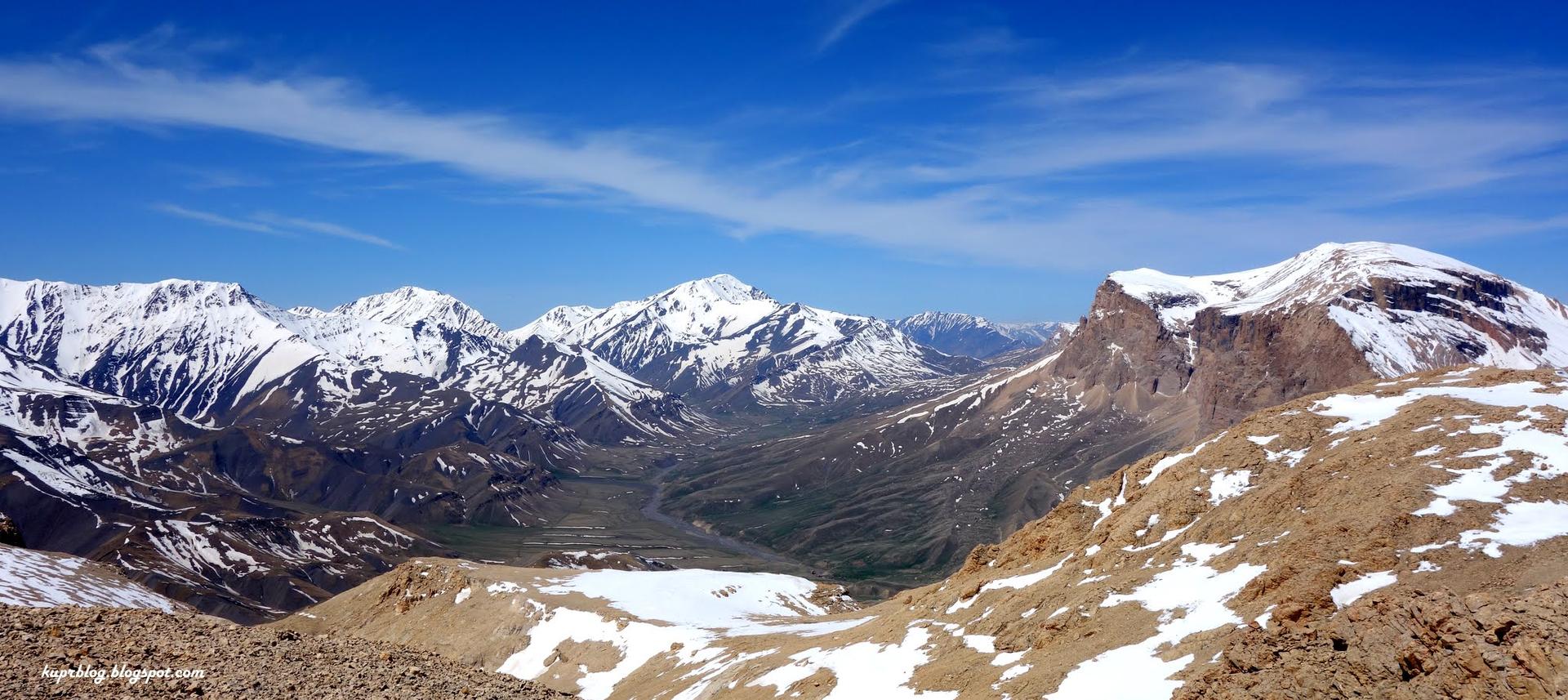
Looking beyond Astarachay? Discover Lankaran Astara Region for broader travel guides, local hot-spots, and regional highlights.
Explore Lankaran Astara Region