
Background

Liberation War Museum: A Chronicle of Independence

Explore Bangladesh's struggle for independence at the Liberation War Museum in Dhaka, a poignant tribute to the nation's history and the spirit of its people.

4.6

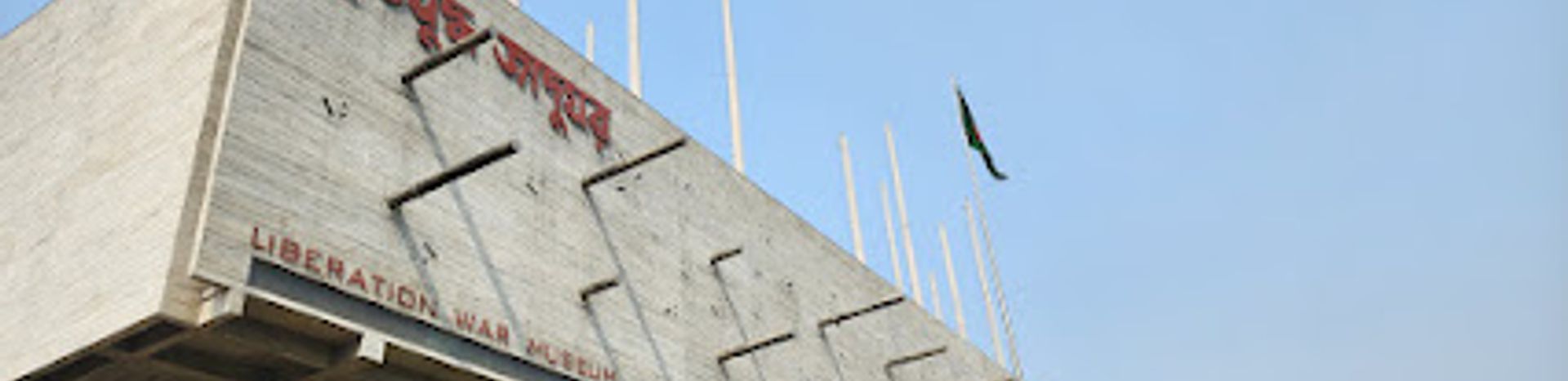
The Liberation War Museum in Dhaka stands as a solemn reminder of Bangladesh's arduous journey to independence in 1971. Established in 1996, the museum meticulously chronicles the events leading up to the war, the conflict itself, and the aftermath, offering visitors a comprehensive understanding of this pivotal period in the nation's history. Through a rich collection of photographs, documents, personal artifacts, and multimedia exhibits, the museum vividly portrays the sacrifices, struggles, and triumphs of the Bengali people. It serves not only as a repository of historical information but also as a place of remembrance, reflection, and education, fostering a deeper appreciation for the values of freedom, democracy, and human rights. A visit here is a profoundly moving experience, providing invaluable insights into the spirit and resilience of Bangladesh.

A brief summary to Liberation War Museum

  • Civic Centre, Plot : F11/A & F11/B, Dhaka, Sher-E-Bangla Nagar, 1207, BD
  • Visit website

Local tips

  • Allow at least 2-3 hours to fully explore the museum's extensive collection and exhibits.
  • Consider visiting during the cooler months (November to February) for a more comfortable experience.
  • Check the museum's website for information on special events, exhibitions, and holiday closures.
  • Photography may be restricted in certain areas; inquire about the museum's policy upon arrival.
  • Hire a guide for in-depth insights into the exhibits and the historical context of the Bangladesh Liberation War.
widget icon

Getting There

  • Public Transport

    From Gabtoli Bus Terminal, take a direct bus towards Agargaon. Ask the conductor to drop you off near the Liberation War Museum (Muktijuddho Jadughar). The museum is a short walk from the main road. Bus fare is approximately 20-30 BDT.

  • Taxi/Ride-Share

    From Farmgate, a taxi or ride-sharing service (Uber/Pathao) to the Liberation War Museum will cost approximately 150-250 BDT, depending on traffic. The journey typically takes 20-30 minutes. Direct the driver to the Civic Centre in Agargaon; the museum is located there.

  • Walking

    If you are near the IDB Bhaban in Agargaon, the Liberation War Museum is approximately a 15-20 minute walk. Head east towards the Planning Commission and then follow the road towards the Civic Centre. The museum will be on your left.

Unlock the Best of Liberation War Museum

Buy tickets

    No tickets available

Book tours with entry

    No tours available

Book tours without entry

    No tours available

Discover more about Liberation War Museum

The Liberation War Museum in Dhaka is more than just a repository of artifacts; it's a living testament to the spirit of a nation forged in the crucible of conflict. Established in 1996, the museum commemorates the Bangladesh Liberation War of 1971, a watershed moment that saw the birth of Bangladesh as an independent nation. The museum's mission extends beyond mere preservation; it seeks to educate, inspire, and foster a deeper understanding of the values of freedom, democracy, and human rights. The museum's collection is vast and varied, encompassing over 21,000 items that paint a vivid picture of the war and its context. These include rare photographs, historical documents, personal letters, weapons, and everyday objects that bear witness to the struggles and sacrifices of the Bengali people. The exhibits are thoughtfully curated, guiding visitors through a chronological narrative that begins with the pre-war period and culminates in the triumphant emergence of Bangladesh. The first gallery, 'Our Heritage, Our Struggle,' sets the stage by exploring the rich cultural heritage of Bengal and the historical context of colonial rule and Pakistani oppression. Ancient maps, terracotta art, and artifacts from various historical periods illustrate the region's vibrant past and the growing discontent that fueled the independence movement. This section highlights the cultural and political identity that the people of East Pakistan were striving to protect. The second gallery, 'Our Rights, Our Sacrifice,' delves into the period of Pakistani rule, highlighting the systematic discrimination and oppression faced by the Bengali population. Exhibits showcase the resistance movements that emerged in response to economic, political, and cultural injustices. Key events, such as the Language Movement of 1952, are given prominence, underscoring the Bengali people's determination to preserve their language and cultural identity. This gallery also features powerful photographs and video footage of Bangabandhu Sheikh Mujibur Rahman's historic March 7 speech, a pivotal moment that galvanized the nation and set the stage for the war. The third gallery, 'Our War, Our Friend,' focuses on the Liberation War itself, documenting the genocide of 1971 and the heroic resistance of the Mukti Bahini (Bangladesh Liberation Forces). This section features harrowing accounts of the atrocities committed by the Pakistani army, as well as stories of courage and resilience from freedom fighters and ordinary citizens. Exhibits also highlight the plight of war refugees who sought shelter in India, and the support provided by international allies. The gallery showcases news prints published in foreign media, training of freedom fighters, activities of razakars, guerilla shelters of freedom fighters and various artifacts from home and abroad supporting the liberation war. The fourth gallery, 'Our Joy, Our Values,' celebrates the victory of the Liberation War and the establishment of Bangladesh as an independent nation. This section explores the values that underpin the new nation, including democracy, secularism, and social justice. Exhibits showcase the post-war reconstruction efforts and the challenges faced in building a new society. The bronze mural of Father of the Nation Bangabandhu Sheikh Mujibur Rahman and four national leaders has been placed in the Liberation War Museum. Beyond its permanent exhibitions, the Liberation War Museum also hosts a range of educational programs and outreach activities. These include seminars, workshops, film screenings, and mobile exhibitions that travel to schools and communities across Bangladesh. The museum also operates the Jalladkhana Killing Field Memorial Site in Mirpur, a poignant reminder of the atrocities committed during the war. The Liberation War Museum stands as a beacon of hope and resilience, reminding visitors of the power of the human spirit to overcome adversity. It is a place where history comes alive, inspiring present and future generations to cherish the values of freedom, democracy, and human rights. The museum is a must-visit destination for anyone seeking to understand the history and culture of Bangladesh, and to pay tribute to the sacrifices made in the name of independence.

Popular Experiences near Liberation War Museum

Popular Hotels near Liberation War Museum

Select Currency