Tara Masjid, Dhaka Travel Guide
Free Guide: Discover the dazzling Star Mosque in Old Dhaka, a mesmerizing blend of Mughal architecture and intricate mosaic art, adorned with countless shimmering stars, a true cultural gem.


A brief summary of Tara Masjid
Discover the dazzling Star Mosque in Old Dhaka, a mesmerizing blend of Mughal architecture and intricate mosaic art, adorned with countless shimmering stars, a true cultural gem.
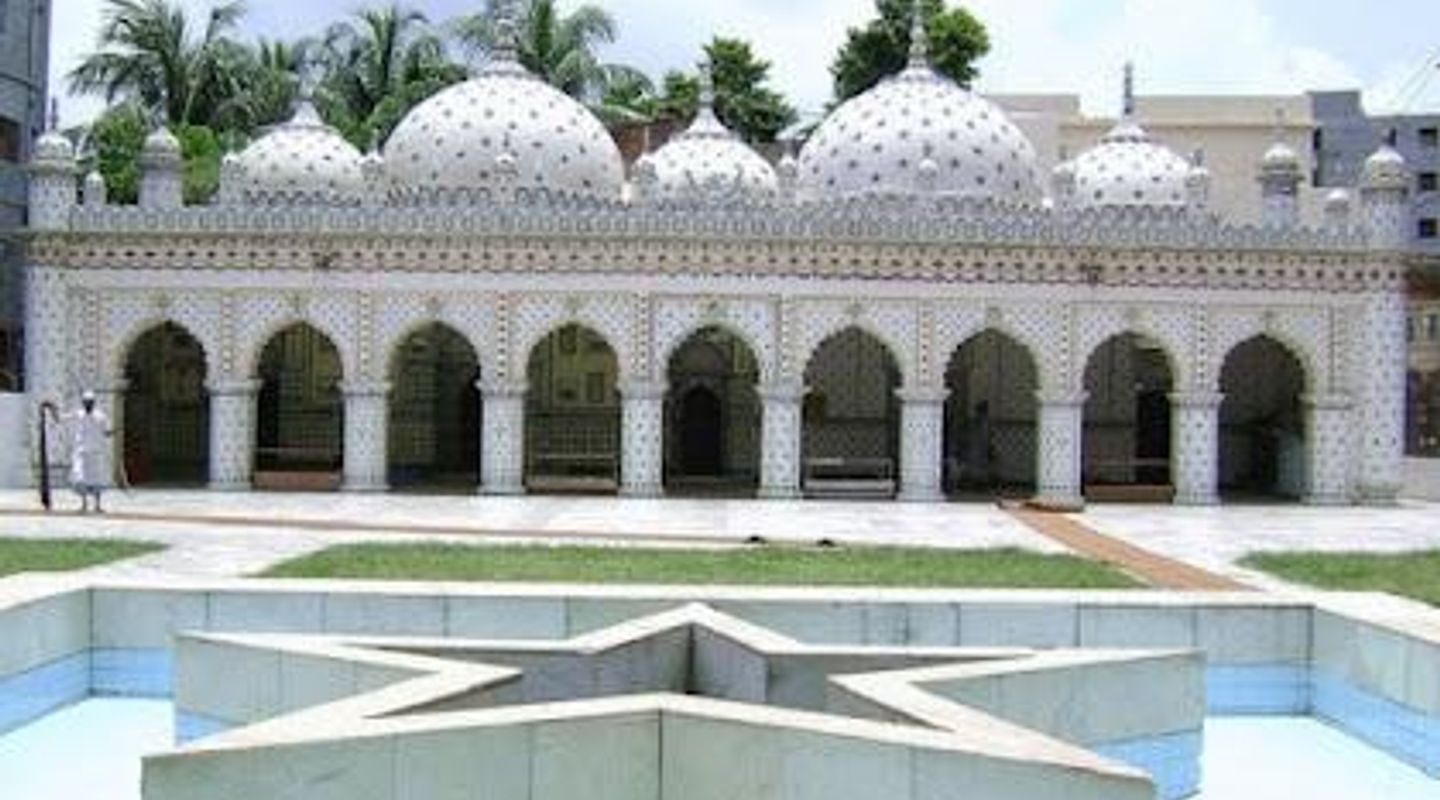
Tara Masjid, also known as the Star Mosque, is a dazzling architectural gem nestled in the Armanitola area of Old Dhaka. This early 19th-century mosque captivates visitors with its intricate designs and the countless star motifs that adorn its walls, domes, and ceilings. Originally built in the Mughal style, the mosque underwent significant renovations in the early 20th century, incorporating Japanese and English china tiles in a unique mosaic style known as 'Chini Tikri.' The result is a mesmerizing blend of architectural styles and artistic influences, making it a must-see destination for anyone exploring Dhaka's rich cultural heritage. The mosque is not only a place of worship but also a testament to the artistic sensibilities of its benefactors and the enduring legacy of Mughal architecture in Bangladesh. Its location in the heart of Old Dhaka places it near other historical landmarks, allowing visitors to immerse themselves in the city's vibrant past.
Opening hours
- Every dayOpen 24 hours
Opening hours as listed on the venue’s Google Business Profile. Hours can change for services and special events, so check with the venue before you go.
- Address
- Abul Khairat Rd, Dhaka 1100
- Website
Getting there
Public Transport
Taxi/Ride-Share
Walking
Discover more about Tara Masjid
Overview
Tara Masjid, or Star Mosque, stands as a captivating testament to Dhaka's rich architectural and cultural heritage. Located in the historic Armanitola neighborhood of Old Dhaka, this mosque is renowned for its stunning ornamentation, particularly the intricate star motifs that embellish its every surface. These star patterns, created using delicate china clay mosaic work, lend the mosque its popular name and contribute to its unique visual appeal. The history of Tara Masjid is layered and fascinating. The original structure was erected in the first half of the 19th century by Mirza Golam Pir, a local nobleman. Initially, it was a modest Mughal-style mosque, characterized by a rectangular layout, three doorways on the eastern facade, and a trio of domes, the central one being the largest. Corner towers added to its traditional Mughal aesthetic. However, the mosque's transformation into the dazzling spectacle it is today occurred in 1926, thanks to the patronage of Ali Jan Bepari, a local businessman. Bepari financed a comprehensive renovation and expansion project that dramatically altered the mosque's appearance. He added a front verandah, nearly doubling the mosque's width while preserving its original plan. Five arches were constructed on four pillars along the eastern facade of the verandah. The most significant change, however, was the application of 'Chini Tikri,' a mosaic technique using broken china pieces, to adorn the mosque's surfaces. Artisans meticulously arranged these shards of china to create intricate patterns, with the blue star motif becoming the dominant theme. The use of 'Chini Tikri' was particularly innovative. The artisans employed broken shards of China porcelain as mosaic pieces, a technique that reflects an early form of recycling. The size of the pieces varied, and the preferred shapes were rhomboid and triangular. This mosaic work is now a rare example of architectural decoration, making the mosque even more significant. In 1987, further modifications were made to the mosque. The prayer hall was extended, and two additional domes were added, bringing the total to five. This expansion, while providing more space for worshippers, has been criticized by some for not fully respecting the mosque's original architectural style and decoration. Despite these changes, Tara Masjid remains a remarkable example of 'Chini Tikri' mosaic work. The mosque's interior is equally impressive. The central prayer hall is spacious and adorned with delicate designs, creating a tranquil atmosphere for worship. Arabic calligraphy graces the walls and domes, reflecting the artistic sensibilities of the era in which it was constructed and renovated. A large star-shaped fountain and water reservoir were also added for the pre-prayer ritual ablution of Muslims. Today, Tara Masjid stands as a symbol of Dhaka's cultural fusion, blending Mughal architectural elements with later artistic embellishments. It is a testament to the generosity and vision of its benefactors, who transformed a simple mosque into a dazzling landmark. Visitors to Tara Masjid are encouraged to dress modestly and respect local customs. Women should bring a head covering. Photography is generally permitted, but it's best to avoid taking pictures during prayer times. Exploring the surrounding area of Old Dhaka offers a glimpse into the city's vibrant past, with its narrow streets, colorful markets, and other historical sites. The mosque is prominently displayed on the Bangladesh Bank's current Tk 100 printed note, underscoring its importance as a national cultural icon. Its location in Armanitola, Dhaka, makes it easily accessible to visitors interested in experiencing the city's history and architecture. The mosque is open to visitors, and the government organizes cultural programs and events on the mosque's premises. Visiting Tara Masjid offers a glimpse into the rich architectural heritage of Bangladesh and provides a serene environment for those interested in exploring its historical and cultural significance. It is a must-see destination for anyone interested in architecture, history, or religion. The mosque is a testament to the rich cultural heritage of Bangladesh and is a reminder of the country's long and vibrant history. Tara Masjid is not just a place of worship; it is a living museum, a canvas upon which the history and artistry of Dhaka are vividly painted. Its shimmering star mosaics, its blend of architectural styles, and its serene atmosphere combine to create an unforgettable experience for all who visit.
Evendo Review Centre
 Google
Guest reviews
Explore Tara Masjid on the map
A handpicked selection of must-see spots near Tara Masjid, mapped for you.
Get your free copy of our complete guide to Tara Masjid, delivered straight to you.
Everything on this page, from opening hours and how to get there to Eve’s tips and the best time to go, in one PDF you can read offline, print or share.
Already have an account? Sign in
Your Tara Masjid guide is ready.
We'll send it to · Not you? Sign out

Getting your guide ready…
We are putting together a fresh copy of the Tara Masjid guide. This can take up to a minute.
This can take a few moments. If your browser asks, choose Allow so the download can start. You'll find the guide in your Downloads folder.
Nothing happened? Download it again
Sorry, the guide is taking longer than usual. Please try again in a minute, or get it by email instead.
Unlock the best of Tara Masjid
Skip-the-line tickets, guided tours with entry, and walking tours of the area, booked in a few clicks.



Other nearby places you may find interesting
The closest places of the same kind, if this one is not quite what you had in mind.
-
-
-
-
-


Swipe for more places
More to explore near Tara Masjid

 Best experiences near Tara Masjid

 Best hotels near Tara Masjid

 Best landmarks near Tara Masjid

 Best attractions near Tara Masjid

 Best shops near Tara Masjid

 Best restaurants near Tara Masjid

 Best bars near Tara Masjid
Do you manage this location?
Take control to get all the benefits, like improved information, better appearance, and stronger visibility across AI-powered discovery.
Explore more

Explore more of Dhaka
Explore Dhaka: A vibrant city of history, culture, and culinary delights in the heart of Bangladesh.
Explore Dhaka
Explore more of Bangladesh
Discover Bangladesh: A land of rivers, rich culture, and breathtaking landscapes. Explore ancient sites, vibrant cities, and the unique flavors of this South Asian gem.
Explore Bangladesh