

gangetic delta, Ganges Delta Travel Guide
Explore the Gangetic Delta: A vibrant ecosystem where rivers meet the sea, offering unique biodiversity and cultural experiences in Bangladesh and India.
The Gangetic Delta, also known as the Ganges-Brahmaputra Delta, is the world's largest river delta, spanning Bangladesh and West Bengal, India. Formed by the confluence of the Ganges, Brahmaputra, and Meghna rivers, it's a fertile region and home to the Sundarbans, the world's largest mangrove forest.
A brief summary to gangetic delta
- PJG6+C3V, West Bengal, 743371, IN

Know before you go
Hi, I'm Eve. Here are a few practical things to know before exploring gangetic delta.
- Travel by boat to experience the delta's intricate network of waterways and mangrove forests.
- Visit during the cooler months (October to March) to avoid the monsoon season and extreme heat.
- Respect local customs and traditions, especially when visiting villages and religious sites.
- Hire a local guide for a more immersive and informative experience, especially in the Sundarbans.
- Be prepared for potential disruptions due to weather conditions, especially during the monsoon season.
Do you manage this location?
Take control to get all the benefits, like improved information, better appearance, and stronger visibility across AI-powered discovery. Learn more about listing your business on Evendo
Activate your presenceOther nearby places you may find interesting
The closest places of the same kind, if this one is not quite what you had in mind.
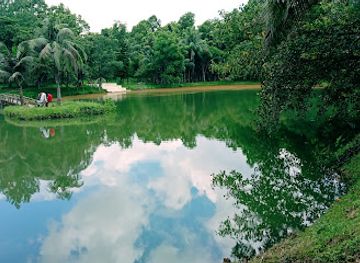
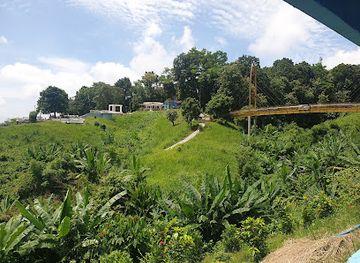
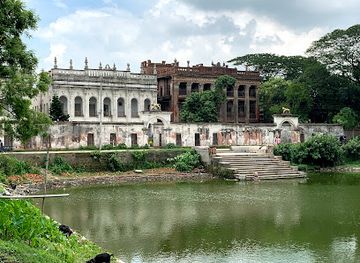
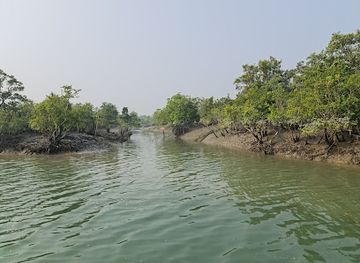
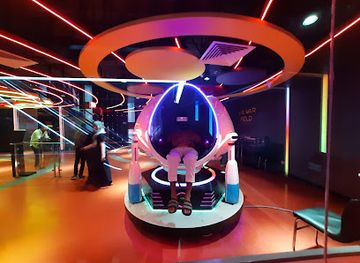
Explore gangetic delta on the Map
A handpicked selection of must-see spots near gangetic delta, mapped for you.
Getting There
-
Train and Boat
From Kolkata, take a local train from Sealdah Railway Station to Canning. Trains depart frequently, and the journey takes approximately 2 hours. From Canning, shared vans, buses, or auto-rickshaws are available to Godkhali Jetty, the primary gateway to the Sundarbans. This road journey takes about 1 hour. At Godkhali, pre-booked boats or ferries are available for transfer into the Sundarbans. Boat tour costs vary widely depending on duration and inclusions, ranging from ₹3,000 to ₹6,000 per person for a 2-day, 1-night tour. Boat entry fees to the park are additional and must be paid at Sajnekhali, along with guide fees, which are compulsory. A shared van from Canning to Godkhali costs approximately ₹50 per person.
-
Road and Boat
Alternatively, drive or take a bus from Kolkata to Godkhali, Sonakhali, or other entry points like Namkhana or Raidighi. Buses depart from Esplanade (Dharmatala) in Kolkata. The road journey to Godkhali takes around 3.5 hours, covering approximately 120 km. From these points, ferries or pre-booked boats are necessary to enter the Sundarbans. Bus fares from Kolkata to Godkhali range from ₹150 to ₹250. Parking is available at Godkhali Jetty for private cars, with fees around ₹100 per day. Boat tour costs remain similar to the train option, ranging from ₹3,000 to ₹6,000 per person for a 2-day, 1-night tour, excluding park entry and guide fees.
Discover more about gangetic delta













Your all‑in‑one travel companion app
Explore expert travel guides, compare and book tours, experiences, hotels, and more—all from the palm of your hand. Download now for seamless trip planning wherever your wanderlust takes you.


Explore More of Ganges Delta
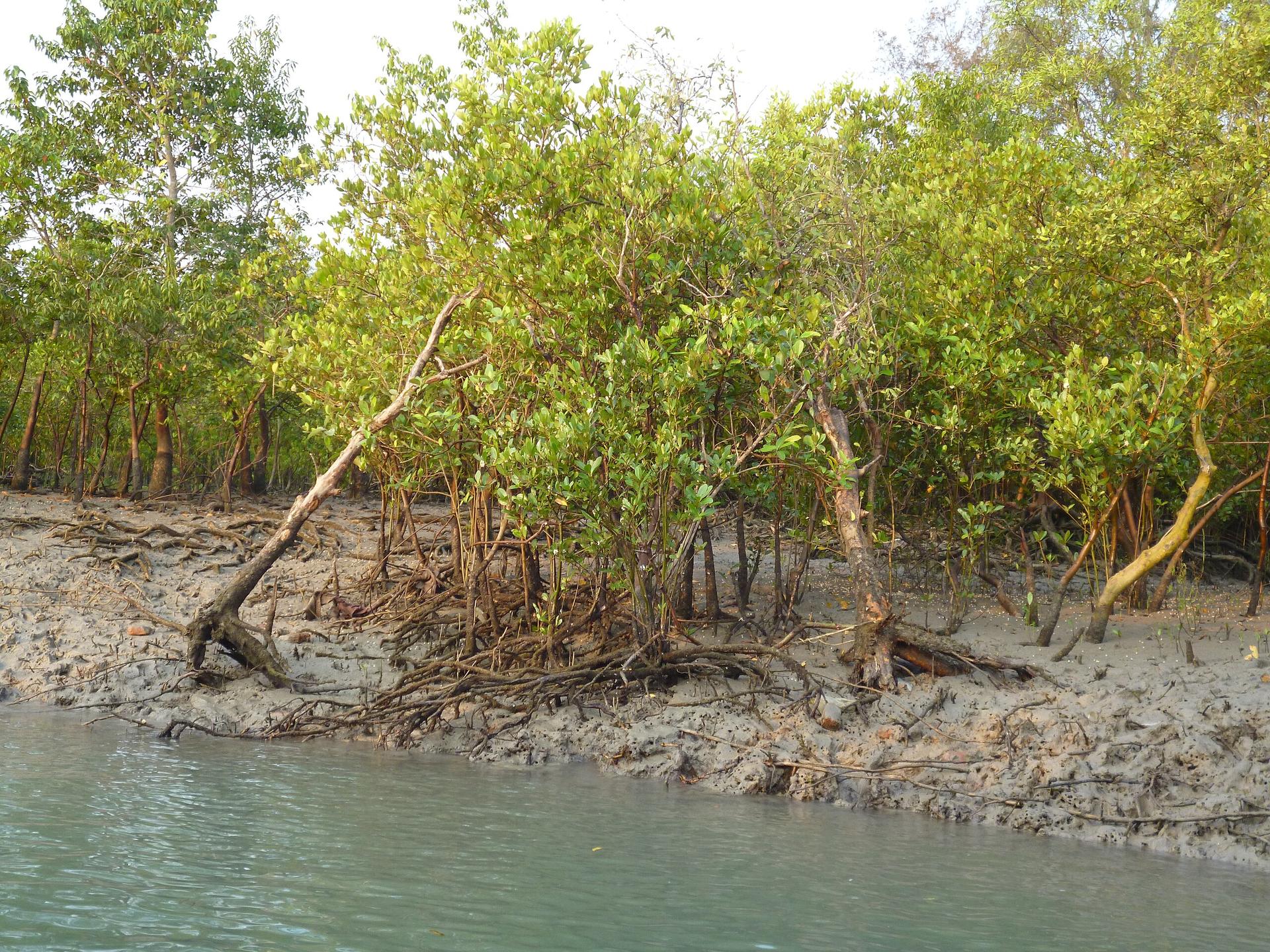
Looking beyond gangetic delta? Discover Ganges Delta for broader travel guides, local hot-spots, and regional highlights.
Explore Ganges Delta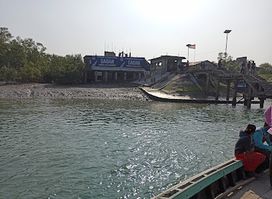
Discover the serene beauty of Pathar Pratima Island, a hidden gem in West Bengal offering rich wildlife and tranquil escape for every traveler.
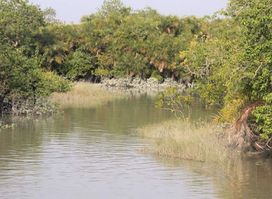
Explore Kalas Camp in West Bengal, a tranquil tourist attraction for boating and camping amidst stunning natural landscapes.
