
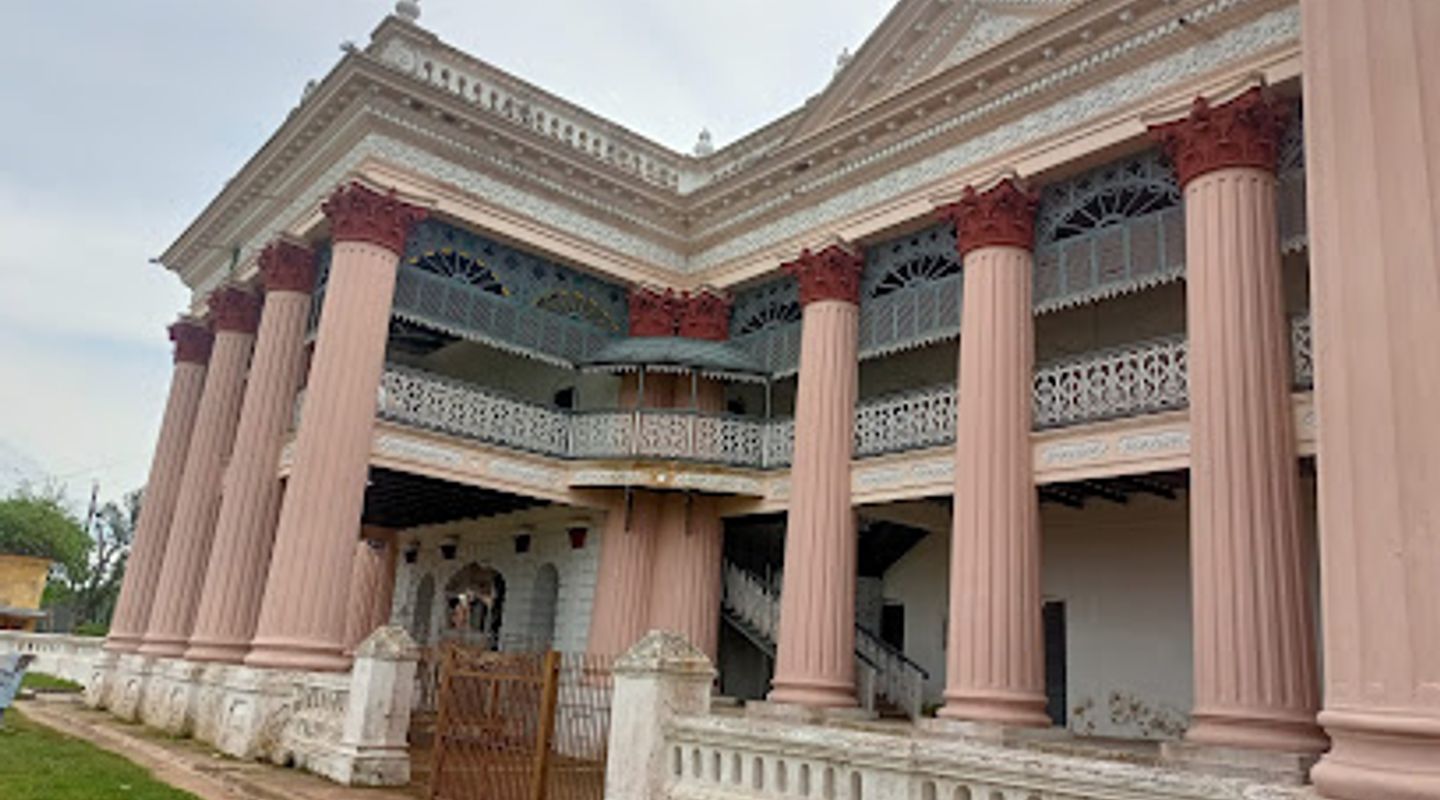
Puthia Rajbari, Rajshahi Division Travel Guide
Explore Puthia Rajbari: A majestic palace showcasing Bengal's rich zamindari history and Indo-Saracenic architecture.
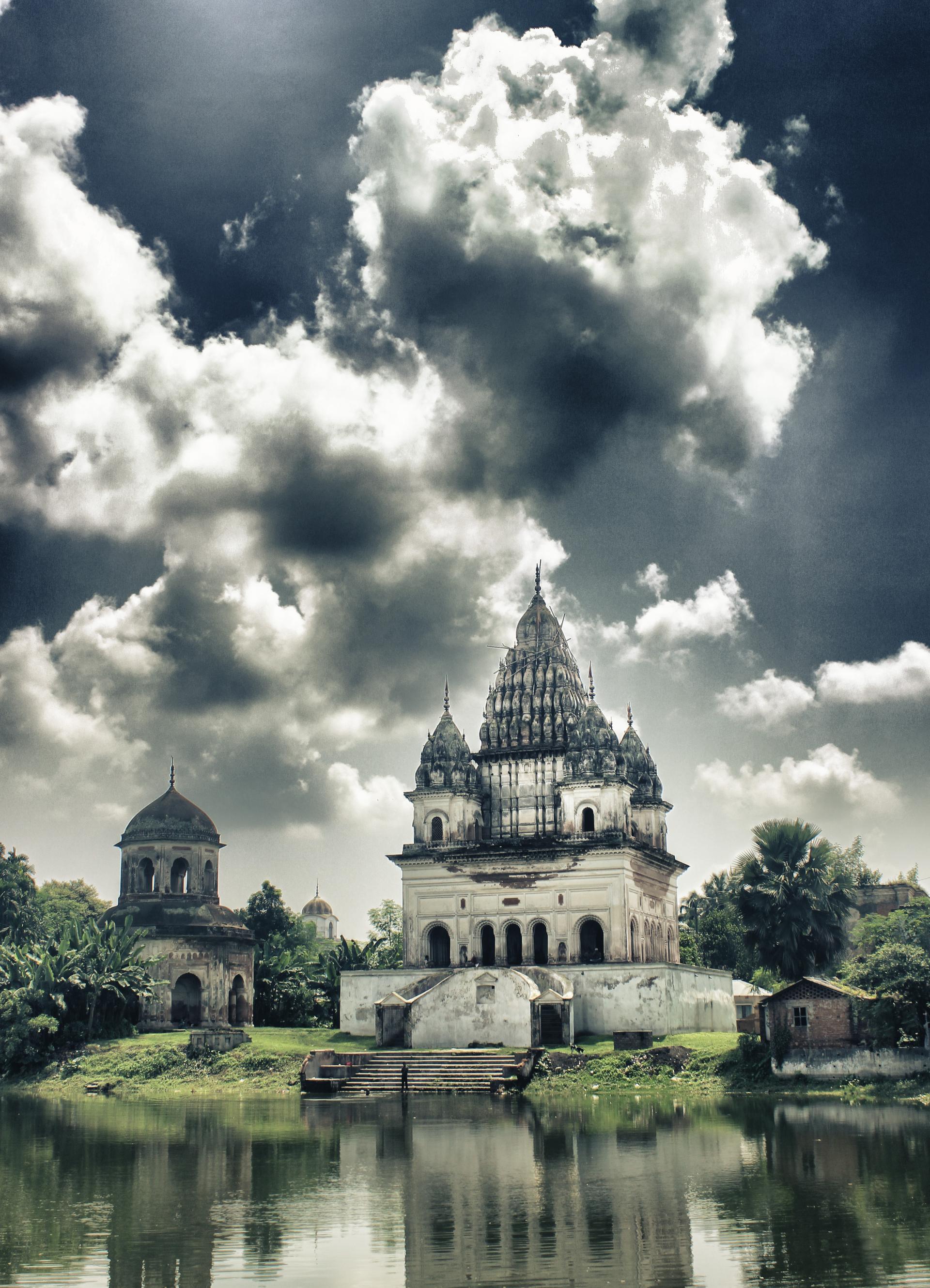
Puthia Rajbari, a magnificent palace in Puthia Upazila, Rajshahi, stands as a testament to Bengal's zamindari heritage. Built in 1895 by Maharani Hemanta Kumari Devi, the palace showcases a captivating blend of Indo-Saracenic Revival architecture.
A brief summary to Puthia Rajbari
- Puthia - Bagha Rd, Puthia, BD
- Click to display
- Monday 2 pm-5 pm
- Tuesday 9 am-5 pm
- Wednesday 9 am-5 pm
- Thursday 9 am-5 pm
- Friday 9 am-5 pm
- Saturday 9 am-5 pm

Know before you go
Hi, I'm Eve. Here are a few practical things to know before exploring Puthia Rajbari.
- Visit on weekdays to avoid crowds and enjoy a more peaceful exploration of the palace and temples.
- Hire a local guide to gain deeper insights into the history and architectural details of the Rajbari and surrounding complex.
- Bring your camera to capture the intricate terracotta designs and the overall beauty of the palace and temples.
- Consider visiting during the cooler months (October to March) for a more comfortable experience.
Do you manage this location?
Take control to get all the benefits, like improved information, better appearance, and stronger visibility across AI-powered discovery. Learn more about listing your business on Evendo
Activate your presenceOther nearby places you may find interesting
The closest places of the same kind, if this one is not quite what you had in mind.
Explore Puthia Rajbari on the Map
A handpicked selection of must-see spots near Puthia Rajbari, mapped for you.
Unlock the Best of Puthia Rajbari
Buy tickets
-
No tickets available
Book tours with entry

Book tours without entry
-
No tours available
Getting There
-
Public Transport
From Rajshahi, take a bus heading towards Natore. These buses frequently ply the Rajshahi-Natore highway. Ask to be dropped off at the Puthia bus stand, approximately 30 km from Rajshahi. From there, it's a short 1km walk south to the Rajbari. Bus fare from Rajshahi to Puthia is approximately Tk 30.
-
Walking
From Puthia Bus Stand, walk south. The Puthia Rajbari is located approximately 1 kilometer south of the bus stand. Local rickshaws can also be hired for this short trip.
Discover more about Puthia Rajbari













Your all‑in‑one travel companion app
Explore expert travel guides, compare and book tours, experiences, hotels, and more—all from the palm of your hand. Download now for seamless trip planning wherever your wanderlust takes you.


Explore More of Rajshahi Division
Looking beyond Puthia Rajbari? Discover Rajshahi Division for broader travel guides, local hot-spots, and regional highlights.
Explore Rajshahi Division
Experience the tranquility of the Padma River from Rajshahi's scenic footbridge, a peaceful escape in the heart of Bangladesh's 'Silk City'.
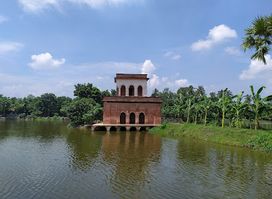
Discover the regal history of Bangladesh at Tarapur Hawa Khana, a serene palace museum showcasing Indo-Saracenic architecture.
