Background

Meghna River: Bangladesh's Majestic Waterway

Discover the serene beauty and cultural richness of the Meghna River, a lifeline of Bangladesh, offering tranquil boat rides, vibrant flora, and insights into traditional riverine life.

4.5

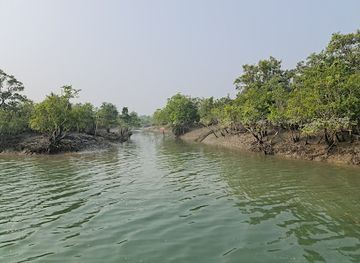
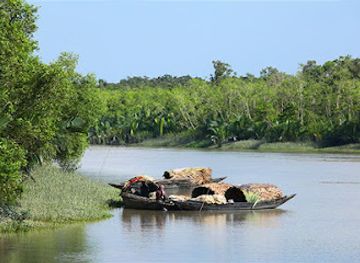
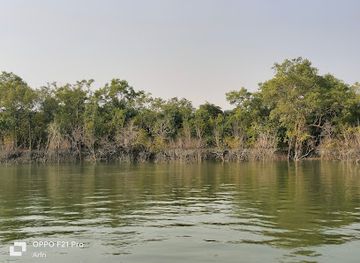
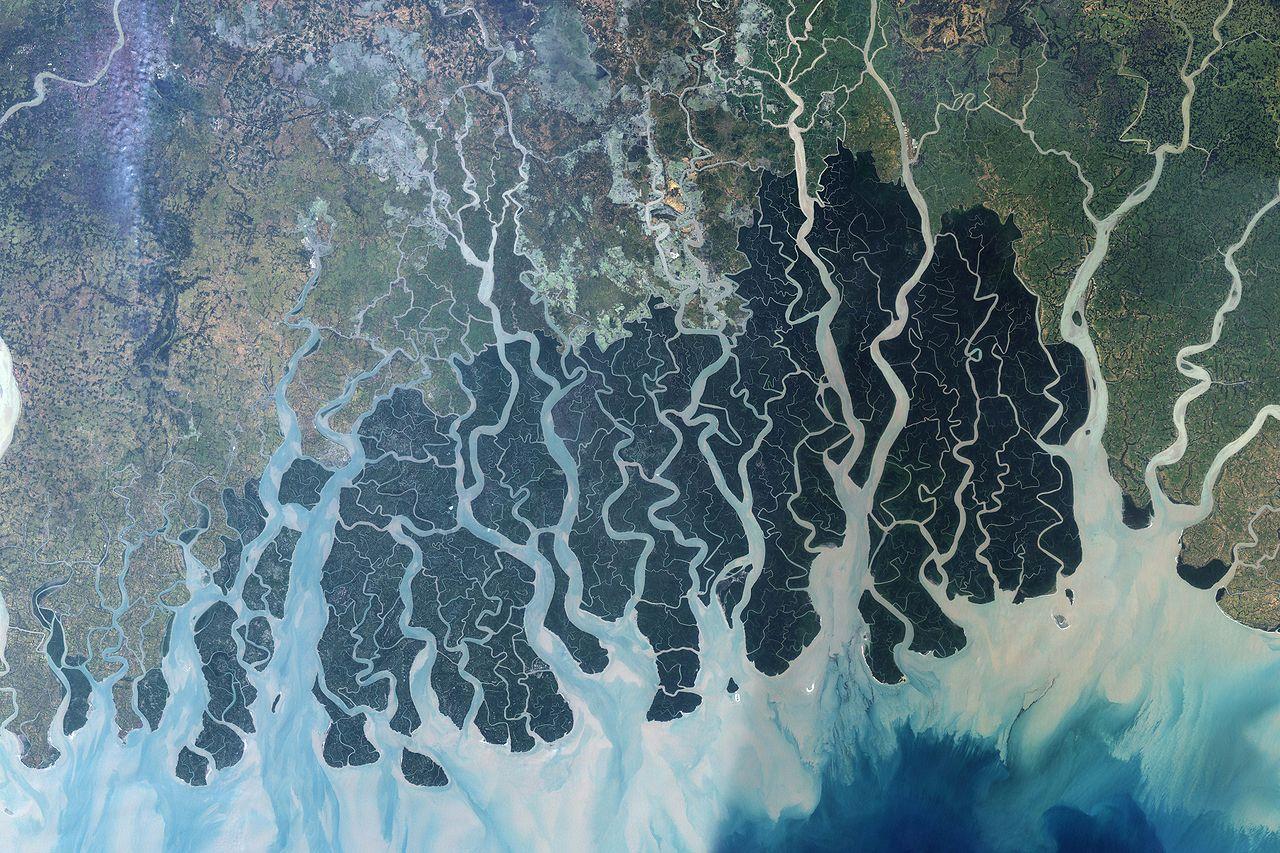
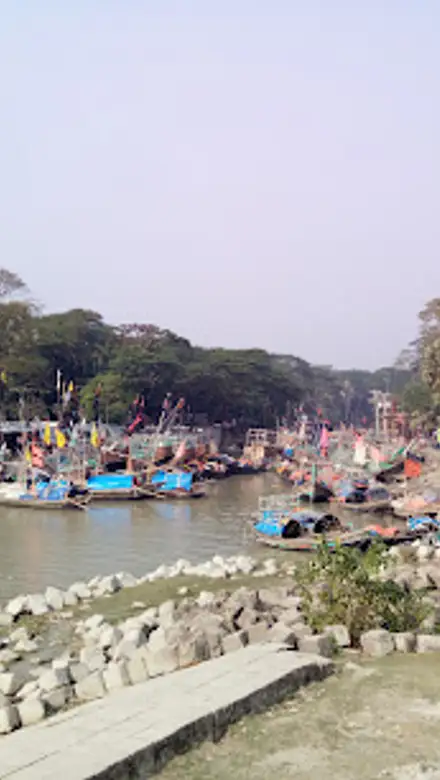
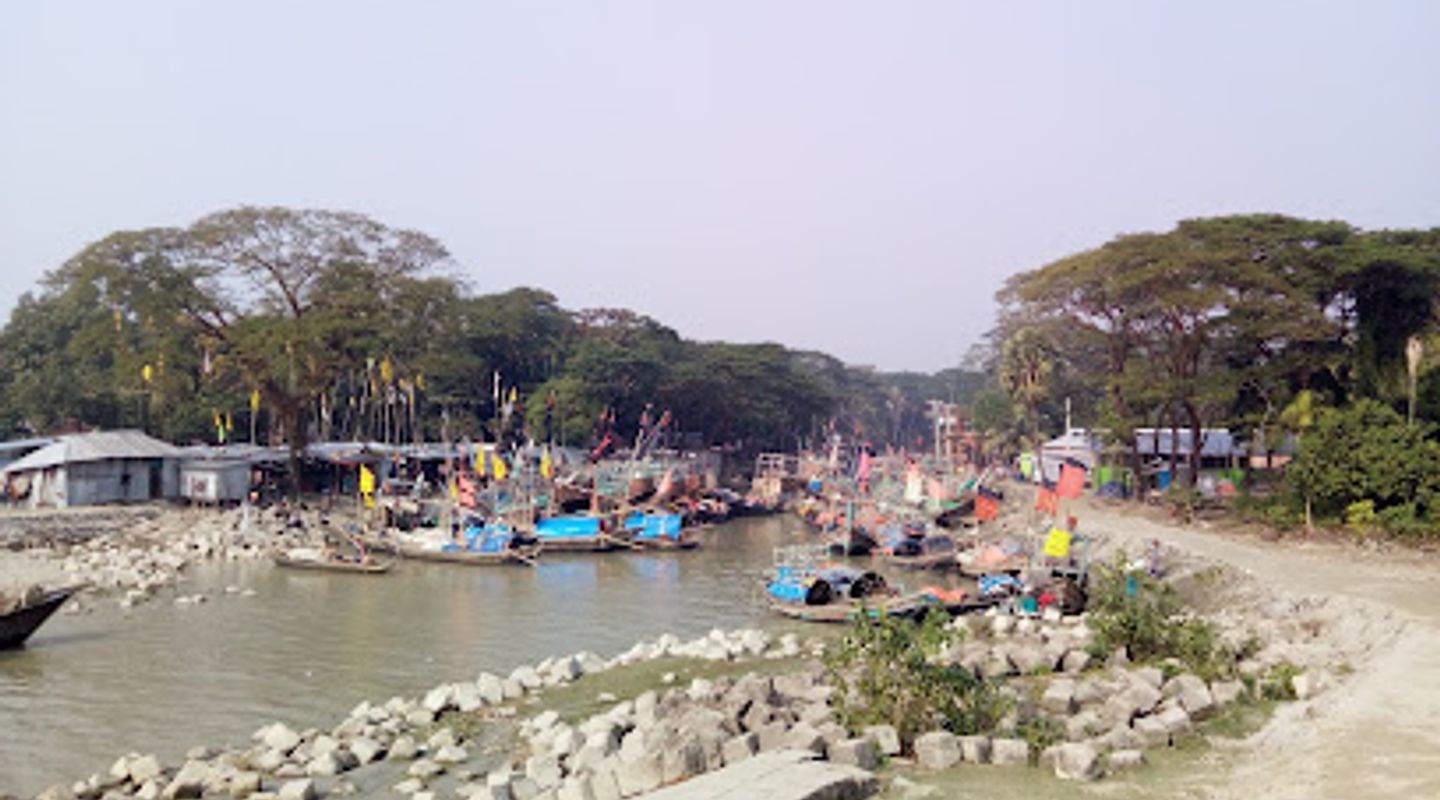
The Meghna River, a vital artery of Bangladesh, offers a captivating blend of natural beauty and cultural significance. Formed by the confluence of the Surma and Kushiyara rivers, it merges with the Padma and Jamuna before emptying into the Bay of Bengal. Known for its impressive width, especially near Bhola, the Meghna supports countless communities through fishing, transportation, and agriculture. A boat trip along its tranquil waters reveals lush greenery, diverse birdlife, and the traditional practices of local fishermen. Visit during the early morning or late afternoon for the best light and a peaceful atmosphere, and consider engaging with local fishermen to learn about their river-dependent livelihoods. Whether you seek adventure or simply wish to bask in the serene ambiance, the Meghna River provides an unforgettable experience.

A brief summary to Meghna River

  • BD

Local tips

  • Visit during the early morning or late afternoon for the best light for photography and a peaceful atmosphere.
  • Consider taking a boat tour to experience the river's beauty from the water and to access remote areas.
  • Engage with local fishermen to learn about their traditional practices and the river's importance to their livelihoods.
  • Pack a picnic to enjoy along the riverbanks, as there are many scenic spots ideal for relaxation.
widget icon

Getting There

  • Public Transport

    From Dhaka, take a bus to Chandpur (approx. 3-4 hours, cost 200-300 BDT). From Chandpur bus stand, CNG (auto rickshaw) to the ferry ghat (approx. 20-30 minutes, 80-120 BDT). Ferries cross the Meghna to various destinations. Check schedules and fares at the ghat. Local boats are also available for shorter trips along the river.

  • Taxi/Ride-Share

    From Dhaka, a direct taxi or ride-share to Chandpur is possible (approx. 4-5 hours, 2500-4000 BDT). This offers door-to-door service. Once in Chandpur, taxis or CNGs can take you to the ferry ghat for onward river travel.

Unlock the Best of Meghna River

Buy tickets

    No tickets available

Book tours with entry

    No tours available

Book tours without entry

    No tours available

Discover more about Meghna River

The Meghna River, one of Bangladesh's most significant waterways, is a breathtaking testament to the country's rich natural heritage and the enduring relationship between its people and the water. As part of the Surma-Meghna River System, it plays a crucial role in the Ganges Delta, the world's largest delta, shaping the landscape and livelihoods of millions. The river's journey begins in the Kishoreganj District, where the Surma and Kushiyara rivers converge near Bhairab Bazar. These two rivers originate in the hilly regions of eastern India as the Barak River, eventually joining to form the Meghna within Bangladesh. From this point, the Meghna flows southward, gathering strength and volume as it receives numerous tributaries, including the Dhaleshwari, Gumti, and Feni rivers. The river's character transforms as it approaches Chandpur District, where it meets its major tributary, the Padma River, the largest distributary of the Ganges in Bangladesh. This confluence marks the beginning of the Lower Meghna, a truly majestic waterway. Below Shatnol, the Lower Meghna expands into one of the world's largest rivers, characterized by its immense width and powerful currents. The combined waters of the Padma, Jamuna (the largest distributary of the Brahmaputra), and Meghna create a formidable force as they flow towards the Bay of Bengal. The river's path, almost perfectly straight in its lower reaches, occasionally braids into a network of smaller riverines, including the Pagli, Katalia, Dhonagoda, Matlab, and Udhamodi, before ultimately emptying into the Bay of Bengal through four principal mouths: Tetulia (Ilsha), Shahbazpur, Hatia, and Bamni. The Meghna's significance extends far beyond its geographical features. It serves as a vital transportation route, connecting communities and facilitating trade throughout Bangladesh. Ferries and boats of all sizes navigate its waters, carrying passengers and goods to various destinations. The river also supports a thriving fishing industry, providing sustenance and livelihoods for countless families. Agriculture flourishes along its banks, with fertile lands nourished by the river's waters. For tourists, the Meghna River offers a unique and unforgettable experience. A boat trip along its tranquil waters provides an opportunity to witness the stunning landscapes and rich cultural heritage of Bangladesh. The riverbanks are adorned with lush greenery, vibrant flora, and diverse birdlife, making it a paradise for nature enthusiasts and birdwatchers. The local fishing communities add a unique cultural dimension to the experience, offering insights into their traditional practices and deep connection to the river. Several destinations along the Meghna River are particularly noteworthy. Chandpur, located at the confluence of the Meghna and Padma rivers, is a bustling hub with a rich history and vibrant culture. Sonargaon, the old capital of Bengal, boasts ancient ruins, historical mosques, and the fascinating Folk Art and Craft Museum. A cruise on the Meghna River often includes a visit to Sonargaon, allowing travelers to explore its historical treasures and experience the beauty of the river. However, the Meghna River also faces significant challenges. Erosion, particularly along its banks and estuaries, poses a threat to communities and infrastructure. Climate change and rising sea levels further exacerbate these challenges, increasing the risk of flooding and displacement. Efforts are underway to mitigate these risks and protect the river's ecosystem, including the construction of embankments, afforestation projects, and community-based adaptation strategies. Despite these challenges, the Meghna River remains a symbol of resilience and hope for the people of Bangladesh. It is a source of life, a pathway to prosperity, and a reminder of the enduring power of nature. Whether you are seeking adventure, cultural immersion, or simply a moment of tranquility, the Meghna River offers an unforgettable experience that will leave you with a deep appreciation for the beauty and significance of this majestic waterway. Visiting the Meghna River is best done during the cooler months (November to February) to avoid the intense heat and humidity of the summer and the heavy rains of the monsoon season. Early morning or late afternoon boat rides offer the most pleasant temperatures and the best light for photography. Be sure to bring sunscreen, a hat, and insect repellent, and dress in comfortable clothing suitable for the weather. Respect local customs and traditions, and be mindful of the environment. With its stunning landscapes, rich cultural heritage, and warm hospitality, the Meghna River is a destination that will captivate your senses and leave you with lasting memories.

Popular Experiences near Meghna River

Popular Hotels near Meghna River

Select Currency