Barbados Wildlife Reserve: A Walk on the Wild Side
Discover Barbados' diverse wildlife in a natural mahogany forest setting, where green monkeys roam freely and fascinating creatures await around every corner.
Escape the beach for a few hours and immerse yourself in the natural world at the Barbados Wildlife Reserve. Unlike a traditional zoo, this unique sanctuary allows visitors to stroll freely among a variety of animals roaming in their natural habitat. Green monkeys are the star attraction, scampering and playing throughout the mahogany forest, especially during feeding times. You'll also encounter red-footed tortoises lumbering along the paths, colorful birds in the walk-through aviary, and other fascinating creatures like deer, agouti, and caiman. It's an engaging experience for all ages, offering a chance to observe wildlife up close and learn about the island's biodiversity. The reserve is conveniently located near other attractions like Farley Hill National Park and Grenade Hall Forest, making it easy to combine with a day of exploring the northern part of Barbados. Remember to bring cash for admission and arrive before feeding time for the best monkey viewing!
A brief summary to Barbados Wildlife Reserve
- Benny Hall, Saint Peter, BB
- +1246-422-8826
- Visit website
Local tips
- Arrive before 11:00 AM or 2:00 PM to witness the lively monkey feeding times, a highlight of the Wildlife Reserve experience.
- Bring cash, as the reserve does not accept credit cards for admission.
- Combine your visit with a trip to nearby Farley Hill National Park or Grenade Hall Forest for a full day of exploring the St. Peter region.
- Wear comfortable shoes, as you'll be walking on brick paths and uneven terrain throughout the reserve.
- Be prepared for close encounters with animals, especially the tortoises, which roam freely and may cross your path.

Getting There
-
Public Transport
From Speightstown Terminal, the Barbados Transport Board operates buses to Farley Hill (1E). The ride takes approximately 18 minutes. From the Farley Hill bus stop, it's an 8-minute walk to the Barbados Wildlife Reserve. Bus fare is BBD$3.50 (USD$1.75). Exact change in Barbadian currency is required.
-
Taxi/Ride-Share
Taxis are readily available in Barbados. A taxi from Speightstown to the Barbados Wildlife Reserve will cost approximately BBD$22-27 (USD$11-13.50) and takes about 8 minutes. Confirm the fare with the driver before starting your journey. Note that Uber is not available in Barbados.
-
Driving
From Highway 1, follow signs for Highway 2A. Continue on Highway 2A, and look for signs directing you to the Barbados Wildlife Reserve. Turn onto the road leading to the reserve. There is ample free parking available in the car park between the Wildlife Reserve and Grenade Hall Forest.
Discover more about Barbados Wildlife Reserve
Iconic landmarks you can’t miss

Scotland View Bar&Variety
1.8 km
Experience the vibrant flavors and lively atmosphere of Scotland View Bar & Variety, a must-visit Caribbean restaurant in Saint Andrew, Barbados.
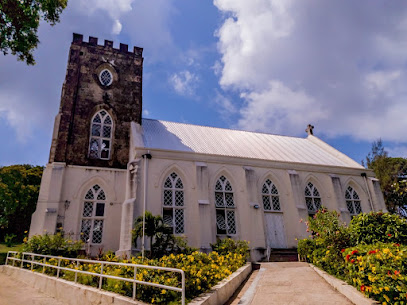
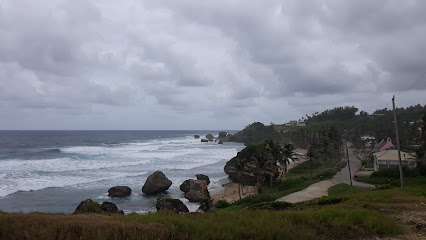
Saint Andrew Parish Church
3.2 km
Discover the serene beauty and rich history of St. Andrew Parish Church, a tranquil escape offering architectural charm and cultural insights in Barbados.
Walkers Beach
4.1 km
Discover the unspoiled beauty of Walkers Beach in Barbados: a tranquil escape offering stunning coastal scenery and a connection with nature.
Unmissable attractions to see

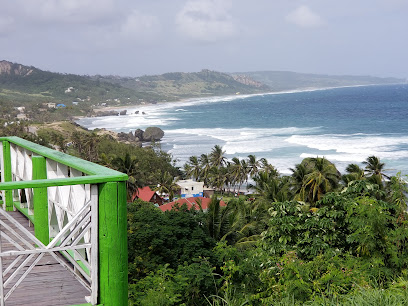
Grenade Hall Forest & Signal Station
0.2 km
Discover Barbados' history and nature at Grenade Hall Forest & Signal Station: Explore a restored signal station, wander through a lush forest, and enjoy panoramic island views.
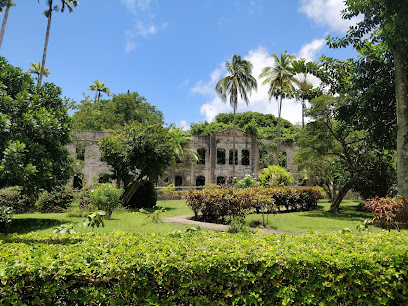
Farley Hill National Park
0.4 km
Discover the breathtaking landscapes and historical treasures of Farley Hill National Park, a serene escape in Barbados for nature lovers and adventurers alike.
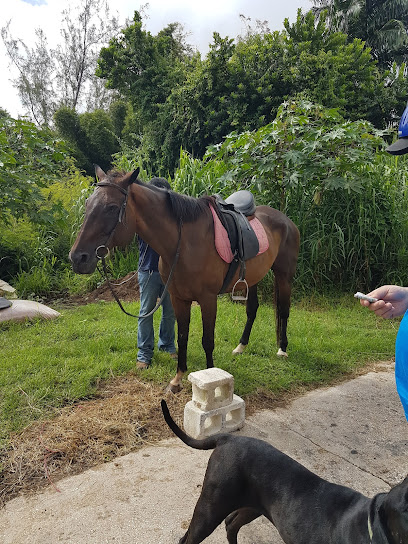
Ride Barbados
0.7 km
Explore Barbados's scenic beauty on horseback with guided tours suitable for all skill levels in the tranquil parish of Saint Andrew.
Cherry Tree Hill
1.1 km
Experience the stunning views and tranquility of Cherry Tree Hill in Saint Andrew, Barbados - a perfect escape for nature lovers and photographers.
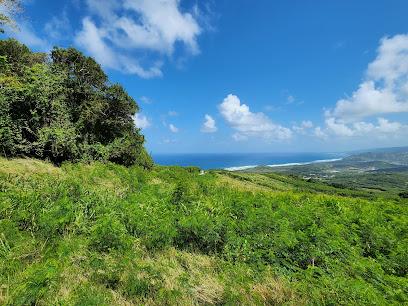
Cherry Tree Hill Reserve
1.2 km
Experience breathtaking panoramic views of Barbados' east coast from Cherry Tree Hill Reserve, a scenic and historically rich destination in the heart of St. Andrew.
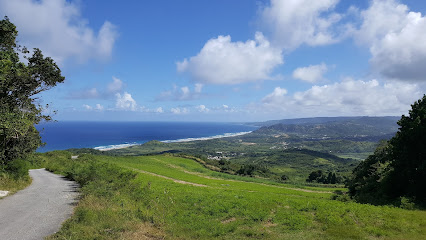
St. Nicholas Abbey and Steam Railway
1.2 km
Experience the rich history and scenic beauty of St. Nicholas Abbey, a heritage museum and steam railway in Barbados, perfect for tourists seeking culture and adventure.

St.Nicholas Abbey Destillerie
1.2 km
Discover Barbadian heritage at St. Nicholas Abbey: Explore a Jacobean mansion, tour a traditional rum distillery, and ride a scenic railway.
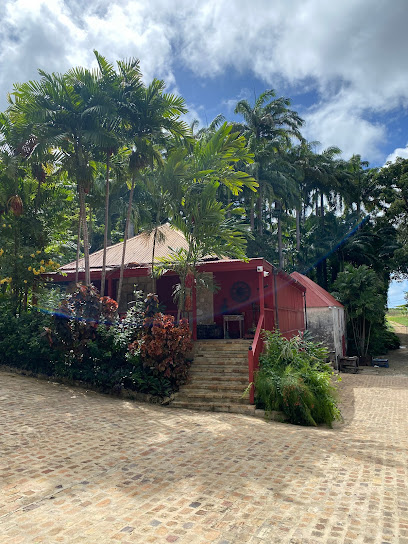
Magnetic Hill
1.8 km
Experience the mystery of Magnetic Hill in Barbados, where cars roll uphill in an intriguing optical illusion, surrounded by scenic views and historical landmarks in St. Andrew.
Morgan Lewis Windmill
2.1 km
Discover Barbados's sugar heritage at Morgan Lewis Windmill, the Caribbean's only fully intact sugar mill, offering panoramic views and a glimpse into 18th-century ingenuity.
Professional Scammer
2.1 km
Experience authentic Barbadian life in Gays, Saint Peter: a charming village with pristine beaches, local flavors, and cultural immersion.
Bawdens Aquaculture Park
2.6 km
Discover a tranquil escape in Saint Andrew, Barbados, where sustainable fish farming meets natural beauty and environmental stewardship.
Morgan Lewis Beach
3.1 km
Experience the tranquil beauty of Morgan Lewis Beach in Saint Andrew, Barbados, where golden sands meet the serene Caribbean waters for the perfect getaway.
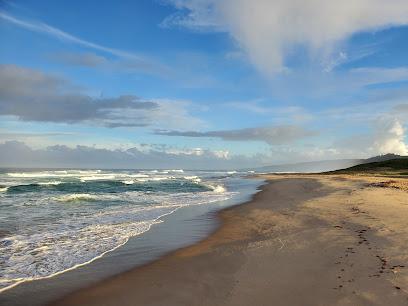
Walkers Reserve
3.3 km
Explore the ecological treasures of Walkers Reserve in Barbados, a serene park blending nature, adventure, and environmental education for all travelers.
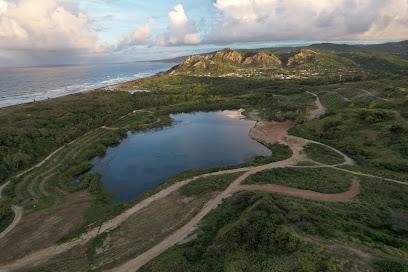
Pico Teneriffe
3.4 km
Discover the rugged beauty of Pico Teneriffe, a dramatic coral cliff pinnacle on Barbados' northeast coast, best viewed from picturesque Cove Bay.
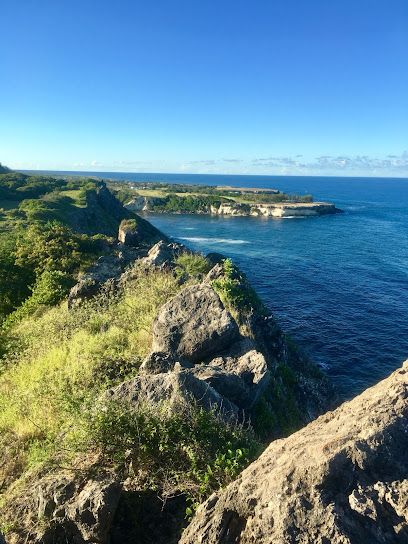
Mount Gay Rum Distillery
3.5 km
Experience the heritage of the world's oldest rum distillery. Discover the flavors and traditions of Mount Gay Rum in Barbados since 1703.
Essential places to dine

It's a Mirage
0.2 km
Discover the vibrant flavors of Barbados at It's a Mirage - where every meal is an unforgettable culinary journey.
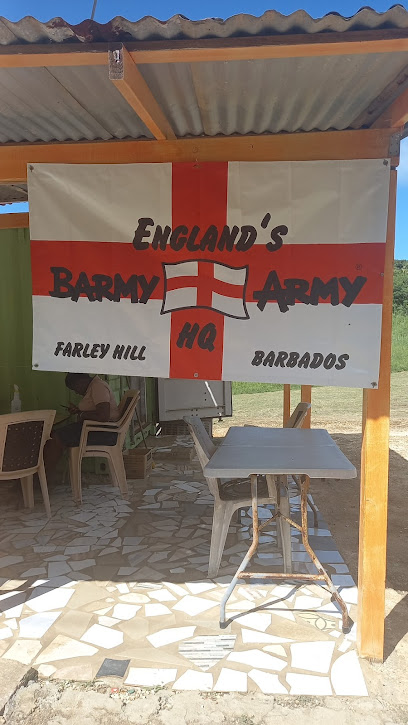
LK's Hideaway & Kitchen
3.1 km
Experience the essence of Barbadian cuisine at LK's Hideaway & Kitchen in Speightstown - where every dish tells a story.
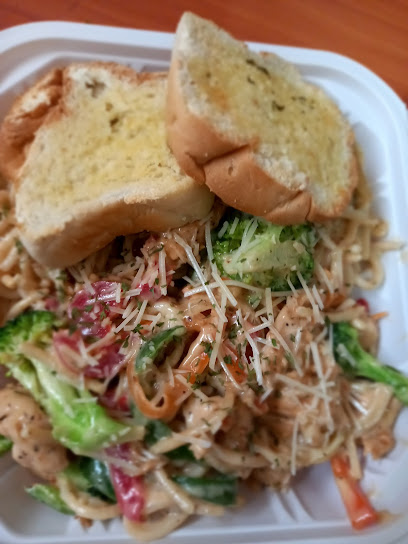
Angie’s Kitchen
3.2 km
Experience authentic Barbadian flavors at Angie’s Kitchen in Saint Lucy - a culinary delight showcasing local ingredients and warm hospitality.
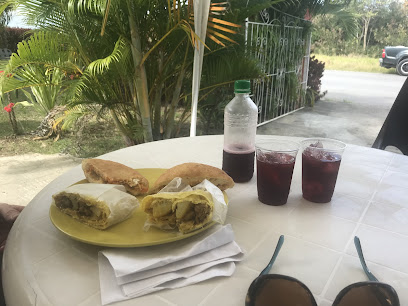
Sharad's Bar & Grill
3.9 km
Savor the authentic tastes of Barbados at Sharad's Bar & Grill—where delicious grilled dishes meet vibrant island culture.
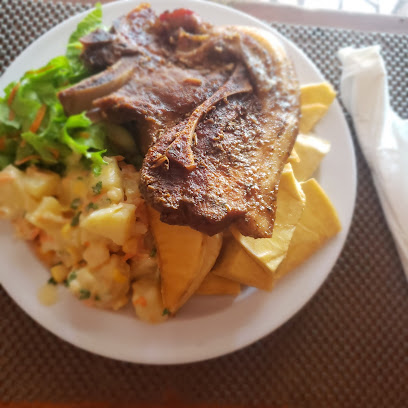
Sand Dunes
4.2 km
Explore Barbados' breathtaking Sand Dunes—where nature meets adventure amidst stunning landscapes.
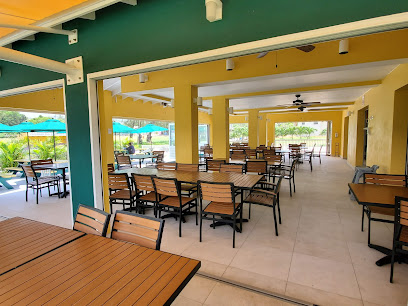
Pizza Mania
4.3 km
Discover delicious pizzas crafted with local ingredients at Pizza Mania in Ashton Hall, Saint Peter - a true Caribbean culinary gem.
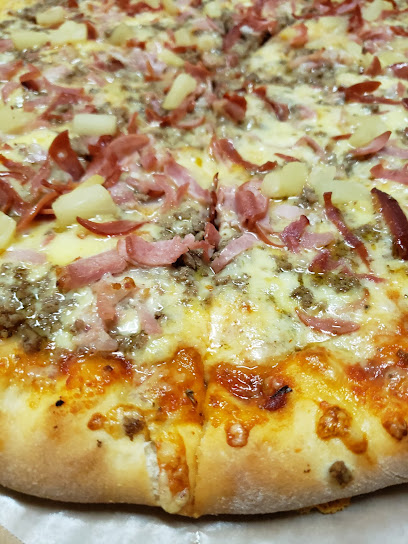
Black Bess Canteen
4.4 km
Discover authentic Barbadian cuisine at Black Bess Canteen in Bakers, Saint Peter - a culinary gem with delicious local flavors.
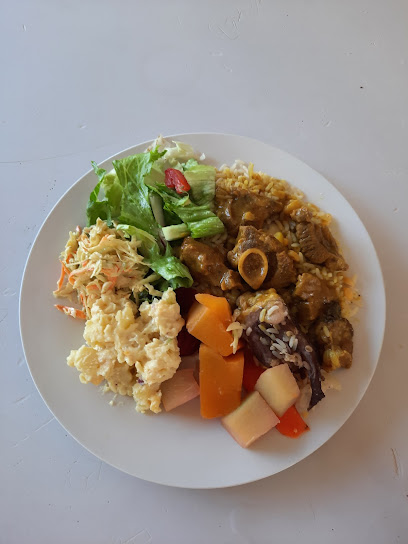
Pitstop Bar and Grill
4.6 km
Experience authentic Caribbean flavors at Pitstop Bar and Grill in Ashton Hall, where every meal is a celebration of Barbados' rich culinary heritage.
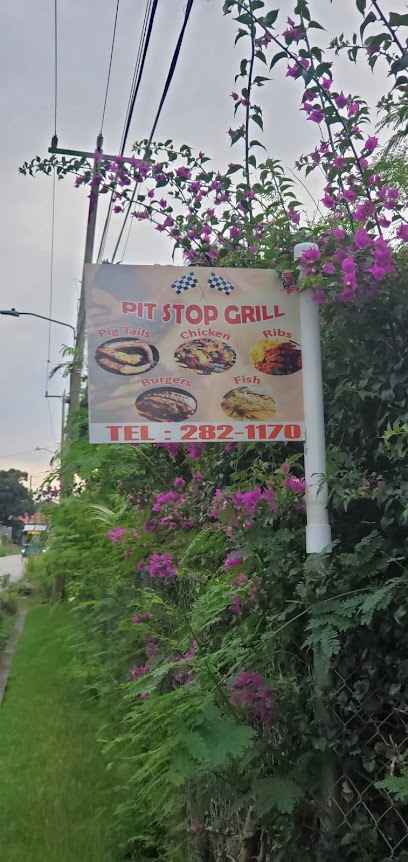
La Salsa
4.6 km
Discover authentic Barbadian flavors at La Salsa in Retreat - where every meal tells a story.
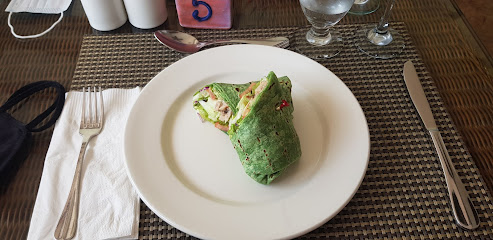
The Chattel Bar, Caribbean Restaurant
4.7 km
Discover authentic Caribbean cuisine at The Chattel Bar in Retreat, Saint Peter - a culinary haven blending vibrant flavors and warm hospitality.
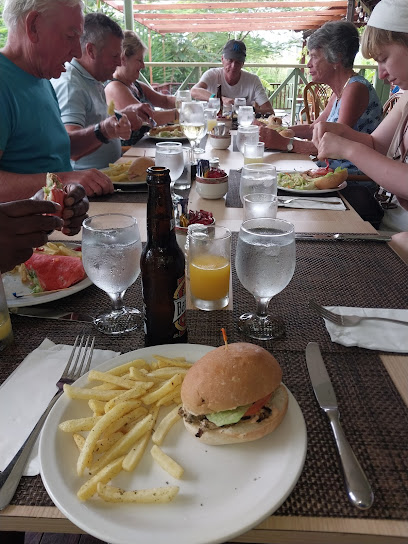
The Black Urchin
4.7 km
Discover the vibrant flavors of tapas at The Black Urchin in Speightstown - where fresh seafood meets gourmet burgers in a charming setting.
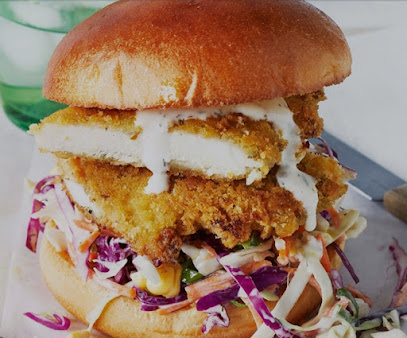
The Haymans Social
4.8 km
Experience the heart of Barbadian cuisine at The Haymans Social in Warleigh - where every meal is a celebration of local flavors.
11 Parishes Sports Bar & Restaurant
4.8 km
Discover authentic Barbadian cuisine at 11 Parishes Sports Bar & Restaurant in Windy Hill - where flavor meets island hospitality.
Lancaster village c/berbice
5.2 km
Experience the essence of Barbadian cuisine at Lancaster Village Restaurant in Speightstown - where every meal tells a story.
Rum shack
5.3 km
Discover the authentic taste of Barbados at Rum Shack - where vibrant flavors meet island hospitality.
Markets, malls and hidden boutiques

Tt's_creations246
1.9 km
Discover the delightful world of Tt's Creations246, where every cupcake is a sweet masterpiece inspired by the vibrant flavors of Barbados.
Village Vine Variety aka ( C Variety Kiosks)
2.5 km
Experience the vibrant flavors of Barbados at Village Vine Variety, your go-to grocery store for local and international delights in Boscobelle.
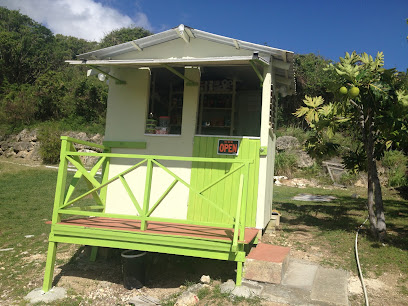
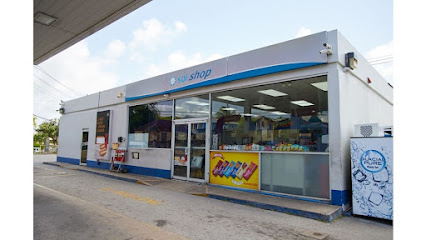
Sol Shop Convenience Store
3.0 km
Experience local Barbadian culture at Sol Shop Convenience Store, your essential stop for snacks, drinks, and more in Mile and A Quarter.
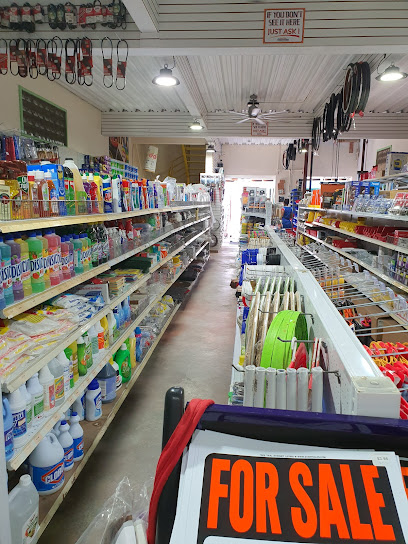
Junction Hardware
3.1 km
Explore Junction Hardware in Mile and A Quarter for unique local crafts and essential home goods in a charming Barbadian setting.
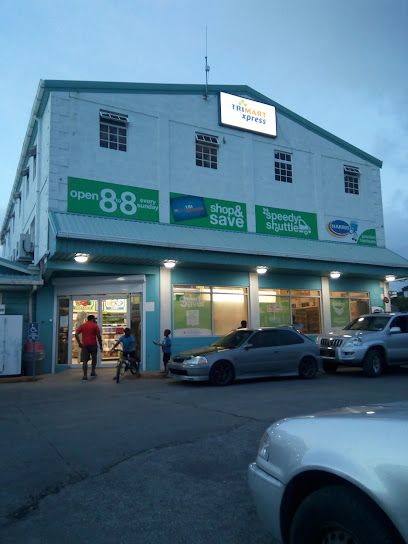
Trimart Supermarket, Mile & A Quarter
3.2 km
Discover the best of Barbadian flavors and essentials at Trimart Supermarket, your go-to shopping destination in Mile & A Quarter.
Chataik Boutique
3.4 km
Discover unique fashion accessories that embody the spirit of Barbados at Chataik Boutique in Bridgetown, where local artistry meets vibrant style.
Weekes Variety
4.0 km
Explore Weekes Variety, a local grocery store in Saint Peter, Barbados, offering authentic Barbadian products and essential supplies for your island adventure.
Island Naturals Boutique
4.1 km
Explore the beauty of handcrafted jewelry at Island Naturals Boutique, where each piece tells a story of Barbados' natural charm.
Brie's Minimart
4.3 km
Discover Brie's Minimart in Saint Lucy for fresh local produce, snacks, and essential grocery items in a friendly community setting.
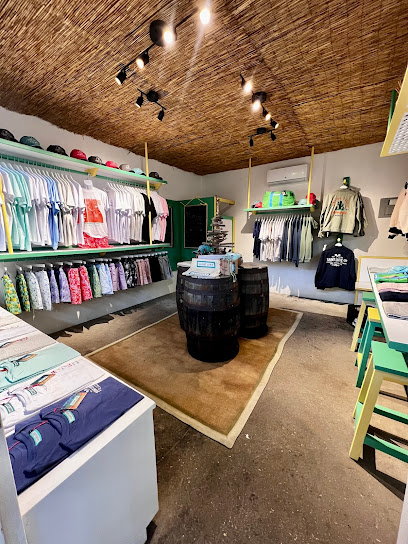
Saint Luke Barbados
4.7 km
Explore stylish men's clothing at Saint Luke Barbados in Speightstown, where local and international fashion meet the vibrant spirit of the island.
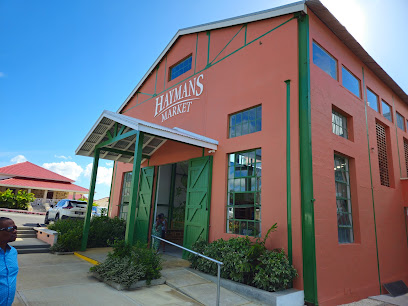
Haymans Market
4.7 km
Explore Haymans Market: A vibrant Barbadian hub for fresh produce, unique crafts, and local culture in a lively atmosphere.
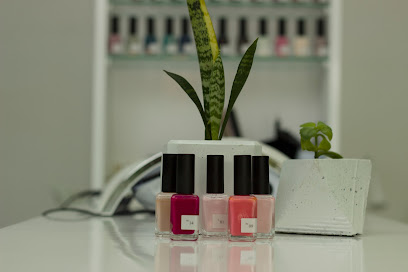
THE STUDIO x Regal Organic Therapy
4.7 km
Discover wellness and organic living at The Studio x Regal Organic Therapy in Haymans, Saint Peter, Barbados, your go-to destination for health and beauty.
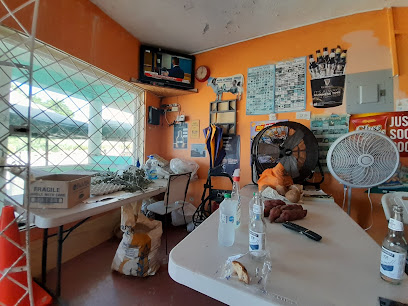
Simply Essential Barbados
4.7 km
Immerse yourself in the essence of natural beauty at Simply Essential Barbados, a serene haven for wellness enthusiasts in Saint Peter.
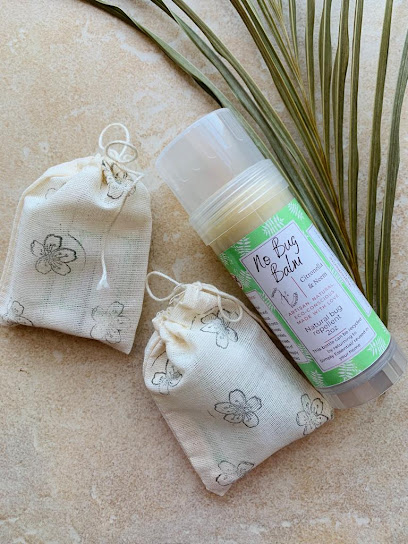
The Nubianaire Club
4.8 km
Discover a treasure trove of literature and unique finds at The Nubianaire Club in Saint Peter, Barbados, a must-visit for book lovers.

Sweet Limón by She Markets WEC
4.8 km
Explore Sweet Limón in Speightstown, Barbados - where island charm meets contemporary fashion for an unforgettable shopping experience.
Essential bars & hidden hideouts

Nigel Benn Aunty Bar
2.3 km
Discover the vibrant local culture and refreshing drinks at Nigel Benn Aunty Bar in beautiful Saint Andrew, Barbados.
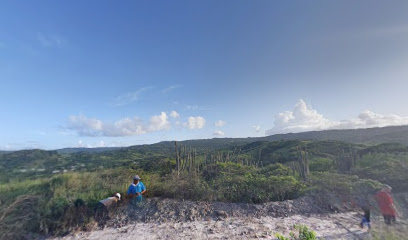
Sunset Bar
2.5 km
Experience breathtaking sunsets and refreshing drinks at Sunset Bar in Gays, Saint Peter, Barbados—a must-visit for every traveler.
The Constitution Bar
2.6 km
Discover the lively spirit of Barbados at The Constitution Bar, where friendly vibes meet local flavors in a charming atmosphere.
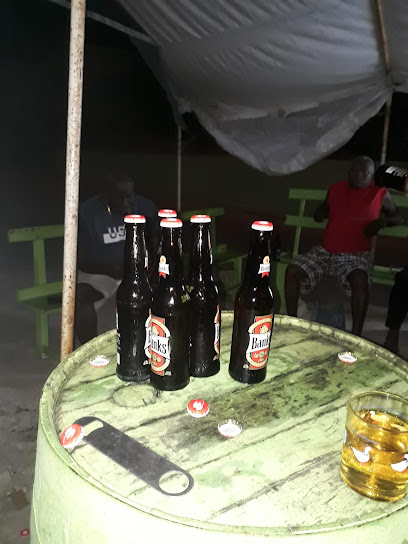
Date Tree Delight
3.0 km
Discover the vibrant atmosphere and delicious drinks at Date Tree Delight, a hidden bar gem in Saint Peter, Barbados - perfect for unwinding!
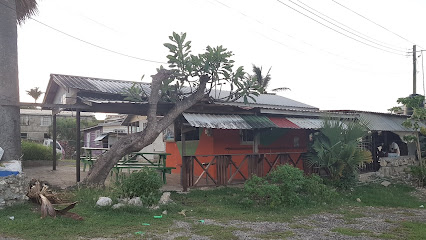
Cane Hole Bar
3.1 km
Experience the vibrant spirit of Barbados at Cane Hole Bar, where local flavors and friendly vibes come together in a picturesque setting.
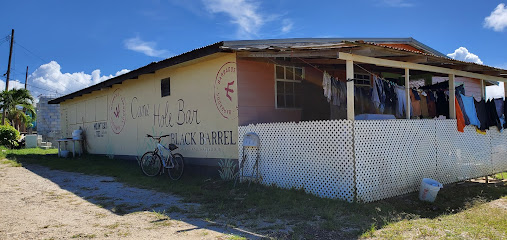
The bay lounge
3.2 km
Discover the tranquil charm of The Bay Lounge in Belleplaine, Saint Andrew - a serene bar experience amidst the beauty of Barbados.
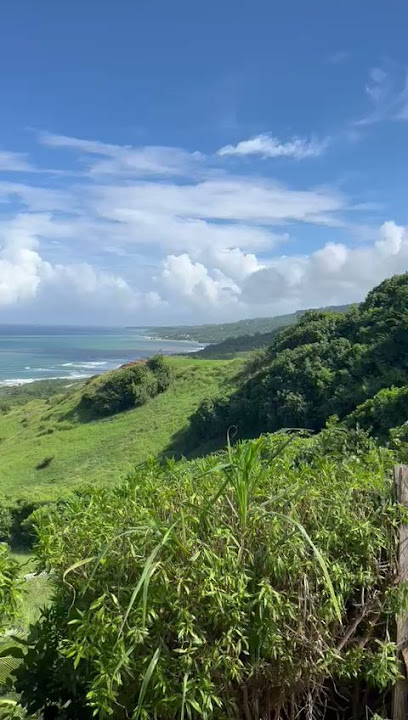
Wizzard's Bar
3.9 km
Experience the vibrant atmosphere of Wizzard's Bar in Rock Hall, Saint Lucy, the perfect spot for relaxation and local flavors in Barbados.
Big Don Food & Bar
4.0 km
Experience the vibrant flavors of Barbados at Big Don Food & Bar, where Caribbean cuisine meets a lively bar atmosphere.
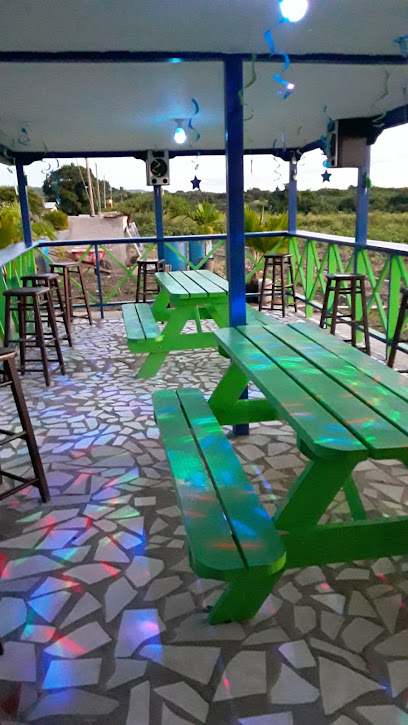
P&M Variety Shop & Bar
4.0 km
Discover the local flavors and charm at P&M Variety Shop & Bar in Belleplaine, a must-visit for an authentic Barbadian experience.
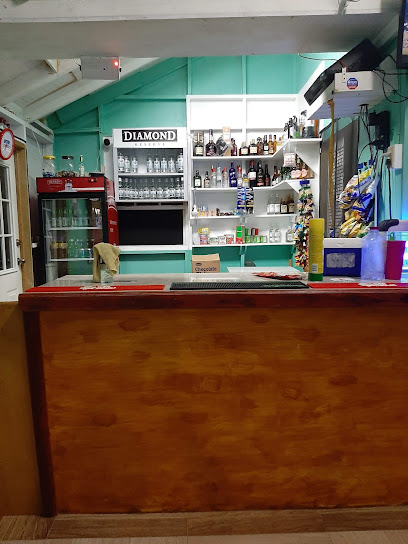
Leslie's Bar
4.1 km
Discover the vibrant spirit of Barbados at Leslie's Bar in Josey Hill, where friendly locals and refreshing drinks await to enhance your Caribbean adventure.
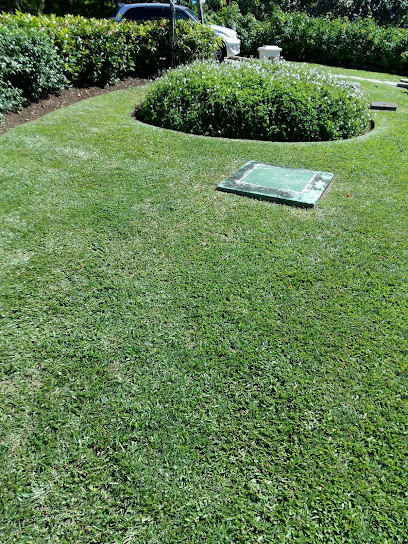
Brie's Bar
4.3 km
Discover Brie's Bar in Saint Lucy, Barbados - a cozy escape for delightful drinks and authentic local vibes amidst stunning natural beauty.
Tiki Bar
4.3 km
Experience the vibrant atmosphere of Tiki Bar in Windy Hill, Barbados, where tropical cocktails and stunning views create an unforgettable escape.
Bishops Tenantry
4.7 km
Experience the vibrant Caribbean culture at Bishops Tenantry, a charming bar in Saint Lucy, Barbados, offering local drinks and lively atmosphere.
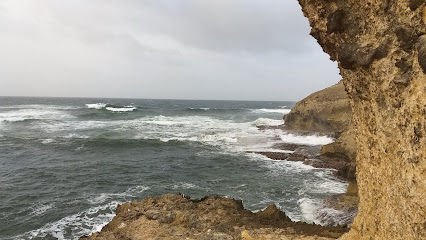
Coast to Coast Bar & Restaurant
4.8 km
Experience the best of Caribbean flavors at Coast to Coast Bar & Restaurant, where every meal comes with stunning coastal views.

The Black Rose Bar
5.0 km
Experience the vibrant Caribbean nightlife at The Black Rose Bar in Trents, Saint Lucy, where locals and tourists unwind together.
Nightclubs & after hour spots

De Club Bar, Benn Hill
2.9 km
Experience the vibrant local culture at De Club Bar in Mile and A Quarter, Saint Peter, a must-visit destination for tourists in Barbados.
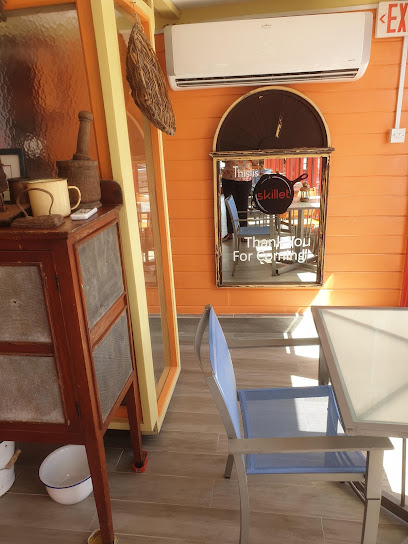
Tyrone's Bar
5.8 km
Experience the vibrant nightlife and local culture at Tyrone's Bar in Speightstown, the perfect spot for refreshing drinks and live music.
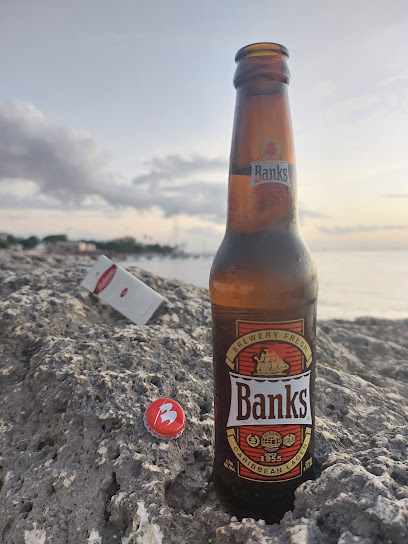
BAREFOOT IN THE BAR
5.8 km
Experience the essence of Caribbean dining at Barefoot in the Bar in Speightstown, Barbados, where fresh flavors meet stunning coastal views.
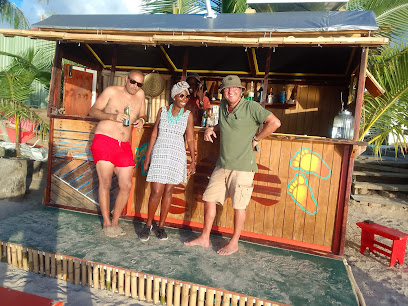
Drunken Lobster
5.8 km
Discover the lively atmosphere of Drunken Lobster in Speightstown, Barbados - a perfect bar for relaxation and socializing after a day of exploring.
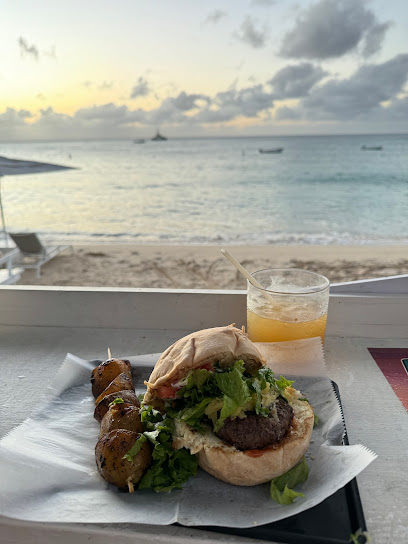
Babbie's Cool Spot
5.8 km
Experience the vibrant spirit of Barbados at Babbie's Cool Spot, Speightstown's favorite bar for drinks and local culture.
Lotus Bar
6.1 km
Experience the vibrant nightlife and local culture at Lotus Bar, the perfect spot to unwind in Bromefield, Saint Lucy, Barbados.
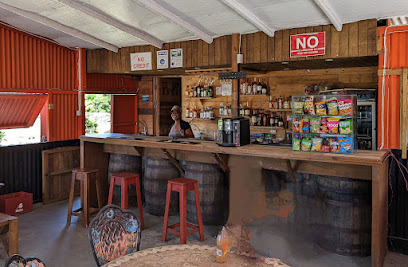
Ackee Tree Bar
6.1 km
Discover the lively Ackee Tree Bar in Saint Andrew, Barbados, where local culture meets refreshing drinks and vibrant entertainment.
Hindzz Bar
6.4 km
Discover the vibrant flavors and lively atmosphere of Hindzz Bar in Mullins, Barbados – a must-visit dining destination for every traveler.
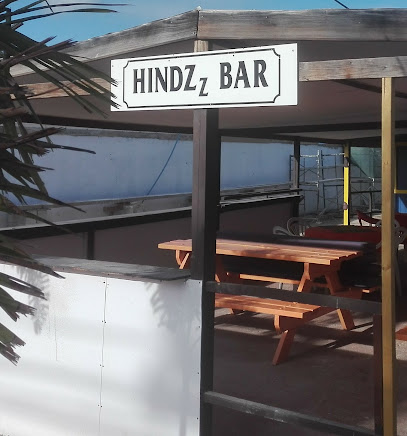
Royal Westmoreland Beach Club
6.5 km
Experience exquisite dining at Royal Westmoreland Beach Club, where Caribbean flavors meet stunning ocean views in Speightstown, Barbados.
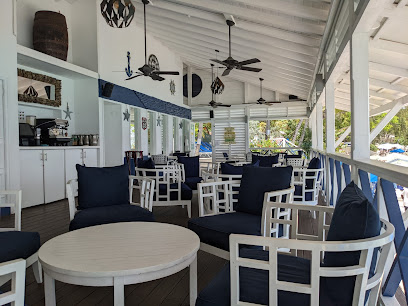
Larry Rogers at Mullins Bay
6.5 km
Discover the vibrant atmosphere of Larry Rogers at Mullins Bay, a perfect blend of bar, restaurant, and beach club in Speightstown, Barbados.
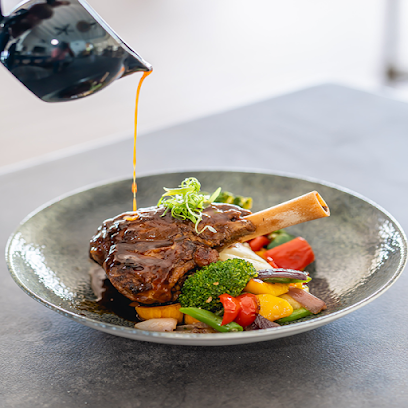
Adrian’s bar
6.5 km
Experience the vibrant atmosphere of Adrian’s Bar in Mullins, a Caribbean haven for relaxation and socializing with stunning beach views.
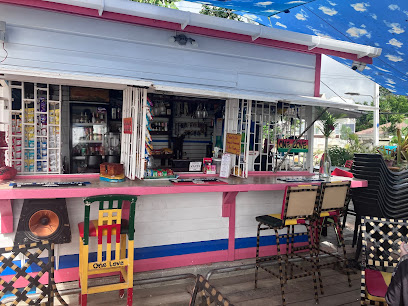
Denise Variety
7.0 km
Experience the essence of Barbados at Denise Variety, a charming bar in Saint Lucy with local drinks and a welcoming atmosphere.
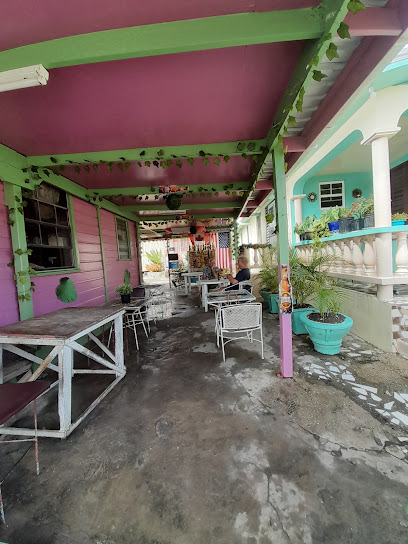
De Corner Bar
7.4 km
Discover the flavors of Barbados at De Corner Bar, where delicious grilled dishes meet a relaxing atmosphere in Saint Lucy.
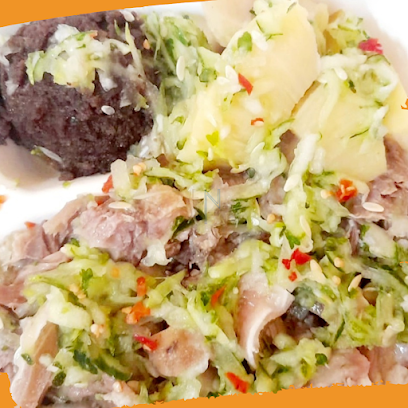
John Moore Bar
7.6 km
Experience the vibrant spirit of Barbados at John Moore Bar, where refreshing drinks and lively music create the perfect atmosphere for relaxation and fun.
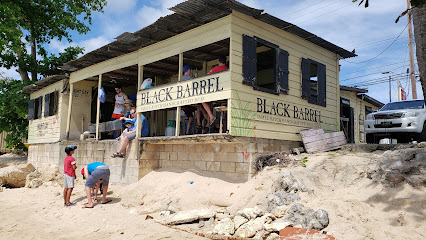
Animal Flower Cave & Restaurant
7.8 km
Experience the natural beauty and culinary delights at Animal Flower Cave & Restaurant, the ultimate family-friendly attraction in Barbados.