Background

Horta Museum: A Masterpiece of Art Nouveau

Discover the world of Victor Horta, a pioneer of Art Nouveau architecture, at his meticulously preserved home and studio, a UNESCO World Heritage site in Brussels.

4.4

Step back in time and immerse yourself in the world of Victor Horta, a pioneer of Art Nouveau architecture, at his former home and studio in Brussels. The Horta Museum, a UNESCO World Heritage site, showcases the architect's innovative use of light, space, and organic forms. Explore the meticulously preserved interiors, adorned with original furnishings, intricate mosaics, and breathtaking stained-glass skylights. Discover the harmonious blend of nature and architecture that defines Horta's unique style. A visit to this architectural gem offers a captivating glimpse into the life and work of a visionary artist and the birth of a revolutionary movement that transformed the art of living at the turn of the 20th century. The museum is easily accessible by public transport, making it a convenient and enriching experience for any visitor to Brussels.

A brief summary to Horta Museum

Local tips

  • Purchase tickets online in advance to avoid potential queues, especially during peak season.
  • Photography is not allowed inside the museum to protect the delicate interiors and preserve the visitor experience.
  • Combine your visit with a walk through the Saint-Gilles neighborhood to admire other examples of Art Nouveau architecture.
  • Consider purchasing the Art Nouveau Pass for access to multiple Art Nouveau sites in Brussels at a discounted price.
  • Visit on the first Sunday of the month for free entry, but be prepared for larger crowds.
widget icon

Getting There

  • Public Transport

    The Horta Museum is easily accessible via Brussels' extensive public transport network. From the city center, take tram lines 81 or 97 to the 'Janson' stop, which is a short walk from the museum. Alternatively, tram line 81 stops at 'Trinité', also within walking distance. Several bus lines, including 54, 60, R36, and W, also serve nearby stops like 'Trinité' and 'Ma Campagne'. A single ticket for local transport costs approximately €3. Purchasing a Brussels Card can offer unlimited travel on public transport, along with access to other attractions.

  • Taxi/Ride-Share

    Taxis and ride-sharing services like Uber are readily available throughout Brussels. A taxi ride from the city center to the Horta Museum typically costs between €13 and €16, depending on traffic and the specific starting point. The journey usually takes around 10-15 minutes. Be sure to confirm the fare with the driver or through the ride-sharing app before starting your trip.

  • Driving

    If driving, be aware that parking in the vicinity of the Horta Museum can be challenging due to limited street parking. Paid on-street parking is available in the yellow zones of Saint-Gilles, with rates of approximately €1.80 for 1 hour and €5.50 for 2 hours, Monday to Saturday, from 9:00 to 18:00. The orange dotted zones are more expensive: €3.60 for 1 hour and €9.20 for 2 hours, Monday to Saturday, from 9:00 to 21:00. Several parking garages are located within walking distance, such as BePark – Parking Chatelain, but fees vary. Consider using a parking app like Mobypark to find and reserve parking in advance.

Unlock the Best of Horta Museum

Buy tickets

    No tickets available

Book tours with entry

    No tours available

Book tours without entry

    No tours available

Discover more about Horta Museum

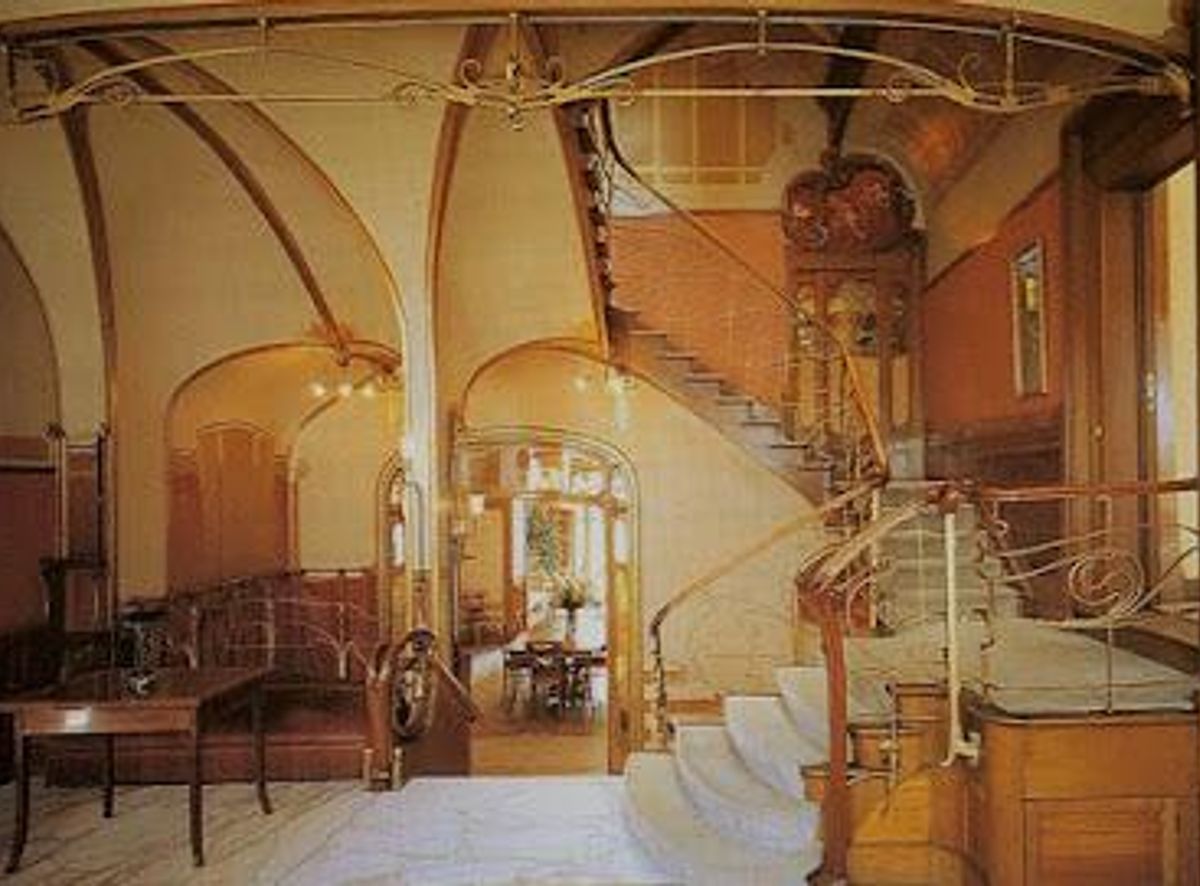
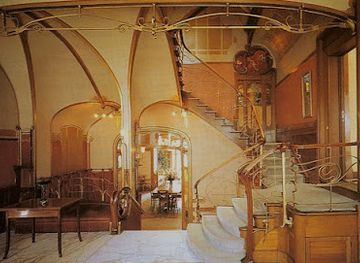
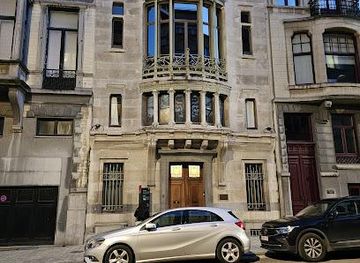
The Horta Museum, nestled in the Saint-Gilles district of Brussels, is a testament to the genius of Victor Horta, one of the founding fathers of Art Nouveau architecture. Housed in Horta's former home and studio, built between 1898 and 1901, the museum offers an unparalleled glimpse into the architect's personal world and the revolutionary design principles that defined his career. Victor Horta (1861-1947) was a Belgian architect and designer whose name is synonymous with Art Nouveau. His innovative approach to architecture, characterized by flowing lines, organic forms, and the integration of art into everyday life, transformed the urban landscape of Brussels and influenced architects worldwide. Horta's designs sought to create a harmonious environment where every element, from the grand staircase to the smallest door handle, contributed to a unified aesthetic experience. The Horta Museum itself is a masterpiece of Art Nouveau design. The building's facade, though relatively understated, hints at the architectural wonders within. Upon entering, visitors are immediately captivated by the play of light and space, the intricate details of the interior, and the seamless integration of architecture and decoration. The museum's interior is a showcase of Horta's signature design elements. The central staircase, bathed in natural light streaming through a stained-glass skylight, is a breathtaking example of his innovative use of light and space. The wrought-iron banisters, with their elegant curves and organic motifs, are a testament to his mastery of metalwork. The mosaic floors, the stained-glass windows, and the wall decorations all contribute to a harmonious and elegant whole. The museum's rooms, including the reception, music room, dining room, living room, and private apartments, are furnished with original pieces designed by Horta himself. These furnishings, characterized by their flowing lines, organic forms, and meticulous attention to detail, offer a glimpse into the lifestyle of a prominent architect at the turn of the 20th century. The Horta Museum also houses a collection of Horta's personal archives, including drawings, plans, and photographs. These documents provide valuable insights into his design process and the evolution of his architectural style. The museum also organizes temporary exhibitions on topics related to Horta and Art Nouveau, further enriching the visitor experience. Beyond its architectural and historical significance, the Horta Museum offers a unique and immersive experience for visitors. Stepping into the museum is like stepping back in time, into the world of a visionary artist who sought to transform the art of living. The museum's intimate scale and meticulously preserved interiors create a sense of intimacy and authenticity that is rare in museum settings. The Horta Museum is more than just a museum; it is a living testament to the power of architecture to shape our lives and inspire our imaginations. It is a must-see destination for anyone interested in Art Nouveau, architecture, or the history of Brussels. While in the Saint-Gilles area, take the time to admire the numerous other Art Nouveau buildings that grace the streets. This district, along with Ixelles and Schaerbeek, boasts a high concentration of these architectural gems, showcasing the widespread influence of the Art Nouveau movement in Brussels. Keep an eye out for the distinctive facades adorned with ornate ironwork, stained glass windows, and decorative tiles that characterize this unique style. The Horta Museum stands as a beacon of Art Nouveau, inviting visitors to explore the beauty and innovation of this transformative architectural style. It is a place where art, architecture, and history converge to create an unforgettable experience.

Popular Experiences near Horta Museum

Popular Hotels near Horta Museum

Select Currency