Background

Hôtel Tassel: Birthplace of Art Nouveau

Discover Hôtel Tassel in Brussels, the groundbreaking masterpiece by Victor Horta that launched the Art Nouveau movement, a UNESCO World Heritage site.

4.8
Find your perfect hotel, anywhere in the world.

When's your trip?

Who's coming?

Adult (18-90)
Min: 1 Max: 6
Add a child
At least one participant is required. Please adjust and try again.

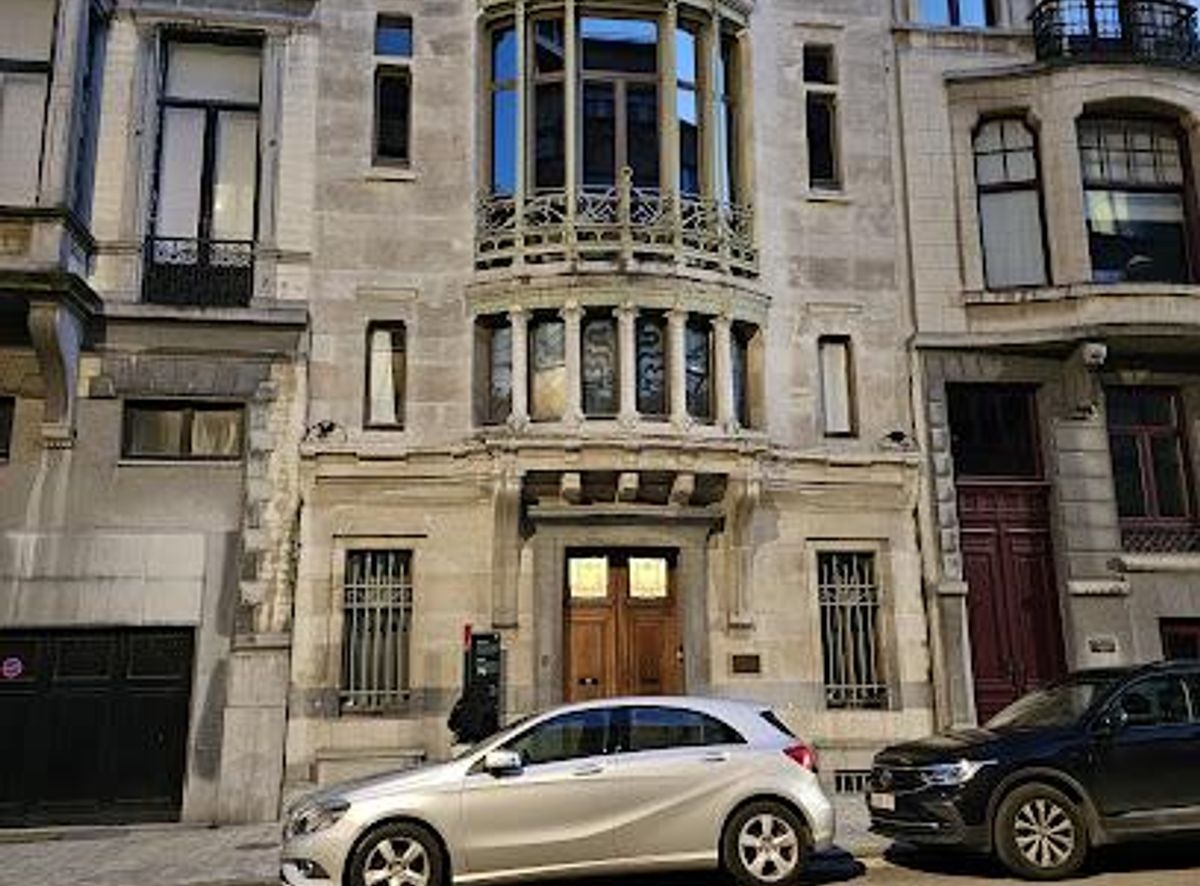
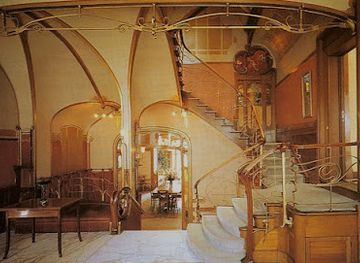
Hôtel Tassel, designed by Victor Horta in 1893-1894, stands as a pivotal landmark in architectural history, marking the true beginning of Art Nouveau. Commissioned by scientist Emile Tassel, this Brussels townhouse broke from traditional designs with its innovative use of materials like iron and glass, creating open, light-filled spaces. Its influence resonated throughout Europe, inspiring countless architects and artists. Though now primarily a private office, the building's exterior remains a captivating testament to Horta's genius and the birth of a revolutionary artistic movement. A walk by this UNESCO World Heritage site offers a glimpse into the origins of a style that transformed architecture and design, characterized by flowing lines, natural motifs, and an integration of art and structure. While interior access is limited, the facade speaks volumes, inviting admiration for its historical significance and aesthetic beauty. Hôtel Tassel is a must-see for architecture enthusiasts visiting Brussels.

A brief summary to Hôtel Tassel

  • Rue Paul Emile Janson 6, Brussels, Brussel, 1000, BE
  • +3225138940

Local tips

  • Admire the facade even if you can't go inside; the exterior details showcase Horta's innovative use of iron and glass.
  • Check for occasional guided tours online for a chance to see the interior mosaics and stained glass.
  • Explore nearby Avenue Louise for more stunning examples of Art Nouveau architecture.
widget icon

Getting There

  • Public Transport

    From Brussels Central Station, take bus line 71 towards 'Delta' and alight at the 'Musée d'Ixelles' stop. Alternatively, take bus N11 towards 'Homborch' and alight at 'Faider' stop. From either stop, walk approximately 5 minutes along Rue Paul Emile Janson to reach Hôtel Tassel. A single bus fare is approximately €3.

  • Taxi/Ride-Share

    A taxi or ride-share from the city center (e.g., Grand Place) to Hôtel Tassel will take approximately 10-15 minutes, depending on traffic. The estimated cost is between €10-€15.

  • Walking

    From Avenue Louise, walk along Rue Paul Emile Janson. Hôtel Tassel is located at number 6. The walk is relatively flat and takes about 10 minutes. Look for the distinctive Art Nouveau facade.

Unlock the Best of Hôtel Tassel

Buy tickets

    No tickets available

Book tours with entry

    No tours available

Book tours without entry

    No tours available

Discover more about Hôtel Tassel

Hôtel Tassel, located on Rue Paul Emile Janson in Brussels, is more than just a building; it's a cornerstone of architectural history. Designed by Victor Horta and built between 1893 and 1894 for Emile Tassel, a Belgian scientist and professor, it is widely regarded as the first true Art Nouveau building. Its innovative design and groundbreaking use of materials revolutionized architecture and decorative arts, setting the stage for a movement that would sweep across Europe. Horta's design for Hôtel Tassel was a radical departure from the prevailing architectural styles of the time. Instead of adhering to historical references, Horta embraced new materials like iron and glass to create open, flowing spaces filled with natural light. The building's structure is characterized by its integration of decorative elements, with swirling lines and organic motifs seamlessly incorporated into the ironwork, mosaics, and stained glass. This holistic approach, where every detail contributes to the overall aesthetic, is a hallmark of Art Nouveau. The house consists of three distinct parts: two conventional buildings made of brick and natural stone, one facing the street and the other the garden, are connected by a steel structure covered in glass. This central section functions as the spatial and visual heart of the house, housing the staircases and landings that connect the different rooms and floors. The glass roof acts as a light shaft, flooding the interior with natural light and creating a sense of openness and airiness. The innovations introduced in Hôtel Tassel would become defining features of Horta's subsequent townhouses, including Hôtel van Eetvelde, Hôtel Solvay, and his own house and workshop (now the Horta Museum). These buildings, characterized by their expensive construction and avant-garde design, were primarily commissioned by wealthy members of the bourgeoisie. While the pure architectural innovations of Horta's style were not widely adopted, his decorative 'whiplash' style inspired countless Art Nouveau dwellings across Belgium and Europe. Stepping back to the late 19th century, Brussels was a city undergoing rapid growth and transformation. This burgeoning metropolis provided fertile ground for artistic experimentation, and Horta emerged as a leading figure in the Art Nouveau movement. His designs reflected a desire to break free from the constraints of traditional architecture and embrace a more modern, organic aesthetic. Hôtel Tassel's influence extended far beyond Brussels, inspiring architects and designers across Europe. Hector Guimard, the architect of the Paris Metro entrances, was among the first to recognize Horta's genius, declaring him the inventor of Art Nouveau. The building's open floor plan, flowing lines, and integration of art and structure became hallmarks of the style, influencing countless buildings and designs. Today, Hôtel Tassel stands as a testament to Horta's vision and the transformative power of Art Nouveau. Designated a UNESCO World Heritage site in 2000, along with three other Horta-designed townhouses, it is recognized as a masterpiece of modern architecture. Although the building is currently a private office and not generally open to the public, its exterior remains a captivating sight for architecture enthusiasts and visitors to Brussels. The facade, with its characteristic steel ornaments and undulating shapes, stands out among its neighbors, offering a glimpse into the origins of a style that revolutionized the art of living. While interior access is limited, occasional guided tours offer a rare opportunity to explore the building's interior and appreciate its intricate details. These tours provide insights into Horta's design philosophy and the building's historical significance. However, even without stepping inside, a visit to Hôtel Tassel is a worthwhile experience for anyone interested in architecture, art, or the history of Brussels. As you stand before Hôtel Tassel, take a moment to appreciate the building's historical significance and aesthetic beauty. Imagine the bustling streets of Brussels in the late 19th century, and the excitement and innovation that surrounded the birth of Art Nouveau. Hôtel Tassel is not just a building; it's a symbol of creativity, progress, and the enduring power of art to transform the world around us. Visiting Hôtel Tassel offers a unique opportunity to connect with the origins of Art Nouveau and appreciate the genius of Victor Horta. Whether you're an architecture enthusiast, a history buff, or simply a curious traveler, a visit to this iconic building is sure to leave a lasting impression. Take the time to explore the surrounding neighborhood, discover other examples of Art Nouveau architecture, and immerse yourself in the rich cultural heritage of Brussels. Hôtel Tassel is a must-see destination for anyone seeking to understand the birth of a revolutionary artistic movement and its lasting impact on the world of architecture and design.

Popular Experiences near Hôtel Tassel

Popular Hotels near Hôtel Tassel

Select Currency