

Plantin-Moretus Museum, Antwerp Travel Guide
Explore the world's oldest printing press and a UNESCO World Heritage site, the Plantin-Moretus Museum, in the heart of Antwerp, showcasing the history of printing and a family's legacy.
Step back in time at the Plantin-Moretus Museum, a UNESCO World Heritage site in the heart of Antwerp. This unique museum, housed in the former home and printing works of the Plantin-Moretus family, offers a captivating glimpse into the world of 16th-century printing and publishing. Explore the meticulously preserved workshops, admire the oldest printing presses in the world, and discover a rich collection of books, manuscripts, and artwork, including portraits by Peter Paul Rubens. Immerse yourself in the history of this influential family and their contribution to the spread of knowledge and culture during the Renaissance and Baroque periods. A visit here is a must for book lovers, history enthusiasts, and anyone seeking a unique cultural experience in Antwerp.
A brief summary to Plantin-Moretus Museum
- Vrijdagmarkt 22, Antwerp, Antwerp, 2000, BE
- Click to display
- Click to display
- Tuesday 10 am-5 pm
- Wednesday 10 am-5 pm
- Thursday 10 am-5 pm
- Friday 10 am-5 pm
- Saturday 10 am-5 pm
- Sunday 10 am-5 pm

Know before you go
Hi, I'm Eve. Here are a few practical things to know before exploring Plantin-Moretus Museum.
- Visit during the week to avoid weekend crowds and enjoy a more peaceful exploration of the museum.
- Allow at least 2-3 hours to fully appreciate the museum's extensive collection and exhibits.
- Check the museum's website for temporary exhibitions and special events that may enhance your visit.
- Take advantage of the audio guide or guided tour to gain deeper insights into the history and significance of the museum's artifacts.
- Combine your visit with a stroll through the charming Vrijdagmarkt square and explore the surrounding historic district of Antwerp.
Do you manage this location?
Take control to get all the benefits, like improved information, better appearance, and stronger visibility across AI-powered discovery. Learn more about listing your business on Evendo
Activate your presenceOther nearby places you may find interesting
The closest places of the same kind, if this one is not quite what you had in mind.

Explore Plantin-Moretus Museum on the Map
A handpicked selection of must-see spots near Plantin-Moretus Museum, mapped for you.
Unlock the Best of Plantin-Moretus Museum
Buy tickets
-
No tickets available
Book tours with entry


Getting There
-
Walking
The Plantin-Moretus Museum is located on Vrijdagmarkt 22, in the center of Antwerp, and is easily accessible on foot from many central locations. From the Grote Markt (main market square), walk south along the Melkmarkt, then turn left onto the Oude Beurs. Continue onto the Borzestraat, which leads directly to the Vrijdagmarkt. The museum will be on your right. The walk is approximately 5 minutes. Note that Vrijdagmarkt is undergoing construction until mid-September 2025, which may cause slight detours.
-
Public Transport
The Plantin-Moretus Museum is well-served by public transport. From Antwerpen-Centraal Station, take tram line 9 to the Groenplaats stop. From Groenplaats, the museum is a 5-minute walk. Alternatively, tram lines 4 and 7 stop at the Lange Gasthuisstraat, which is also a short walk to the museum. A single ride ticket on De Lijn trams costs €3. An Antwerp City Card provides free access to public transport and many attractions.
-
Taxi/Ride-Share
Taxis and ride-sharing services like Uber are readily available in Antwerp. A taxi ride from Antwerpen-Centraal Station to the Plantin-Moretus Museum typically costs between €8-€11 and takes approximately 5 minutes, depending on traffic. Be sure to specify the Vrijdagmarkt address to the driver.
-
Driving
Driving to the Plantin-Moretus Museum is possible, but parking in the immediate vicinity can be challenging due to the city center location and ongoing construction on Vrijdagmarkt until mid-September 2025. Limited paid on-street parking is available in the area (€3.80 per 30 minutes, maximum 30 minutes). Several parking garages are located within walking distance, including Parking Brabo and garages along the P-route Meir-Stadsschouwburg (Oudaen, Arenberg, Horta, Lombardia). Parking fees typically range from €1 to €4 per hour.
Discover more about Plantin-Moretus Museum













Your all‑in‑one travel companion app
Explore expert travel guides, compare and book tours, experiences, hotels, and more—all from the palm of your hand. Download now for seamless trip planning wherever your wanderlust takes you.


Explore More of Antwerp
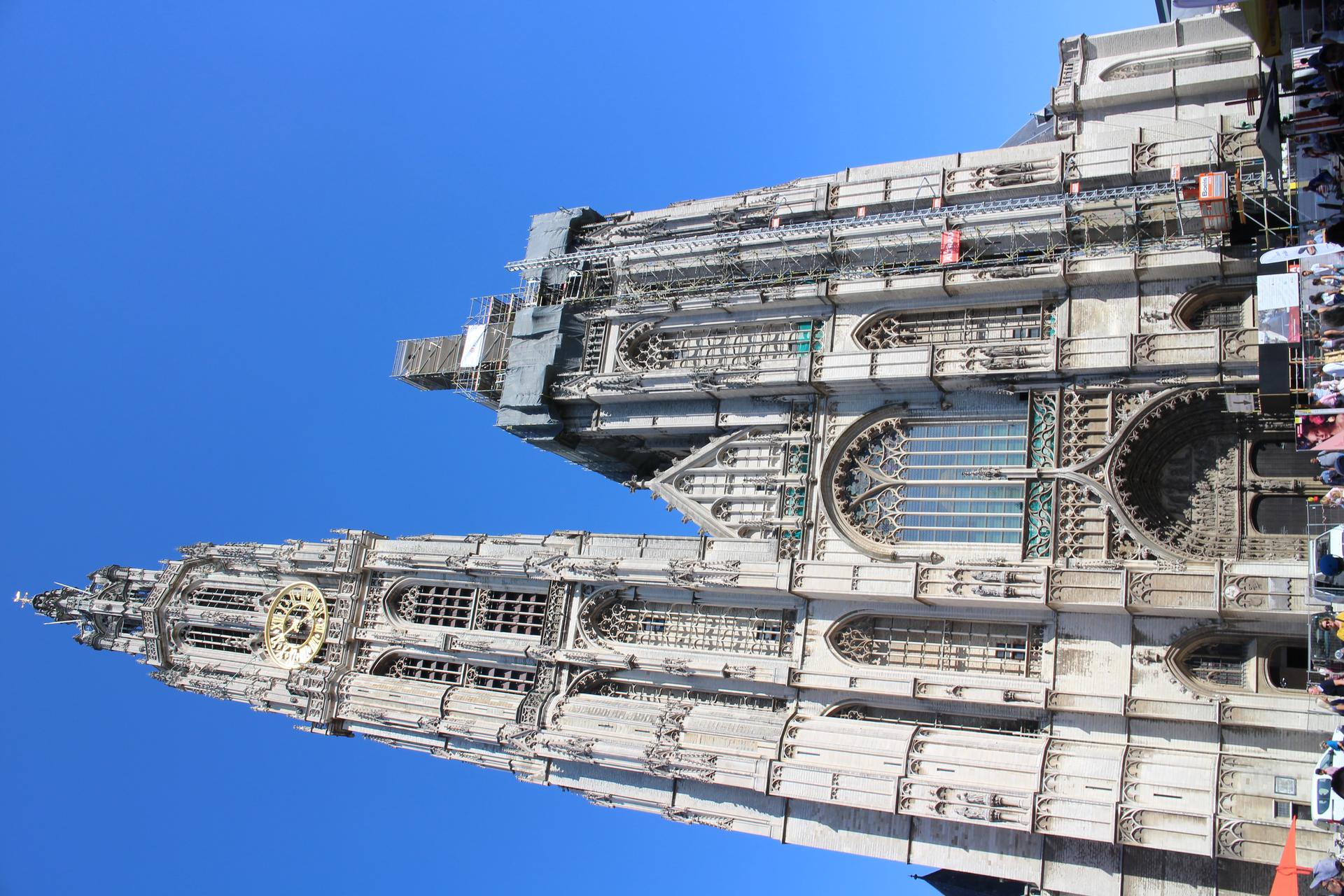
Looking beyond Plantin-Moretus Museum? Discover Antwerp for broader travel guides, local hot-spots, and regional highlights.
Explore Antwerp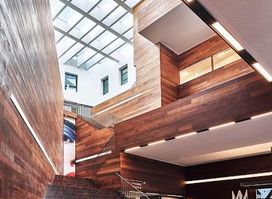
Discover the essence of fashion at MoMu - Fashion Museum Antwerp, where innovation meets history in a stylish setting.
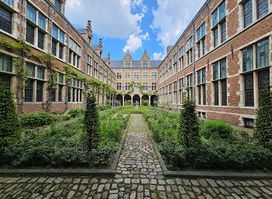
Explore the legacy of 16th-century printing at the Plantin-Moretus Museum, a UNESCO World Heritage site in Antwerp's historic heart.
