
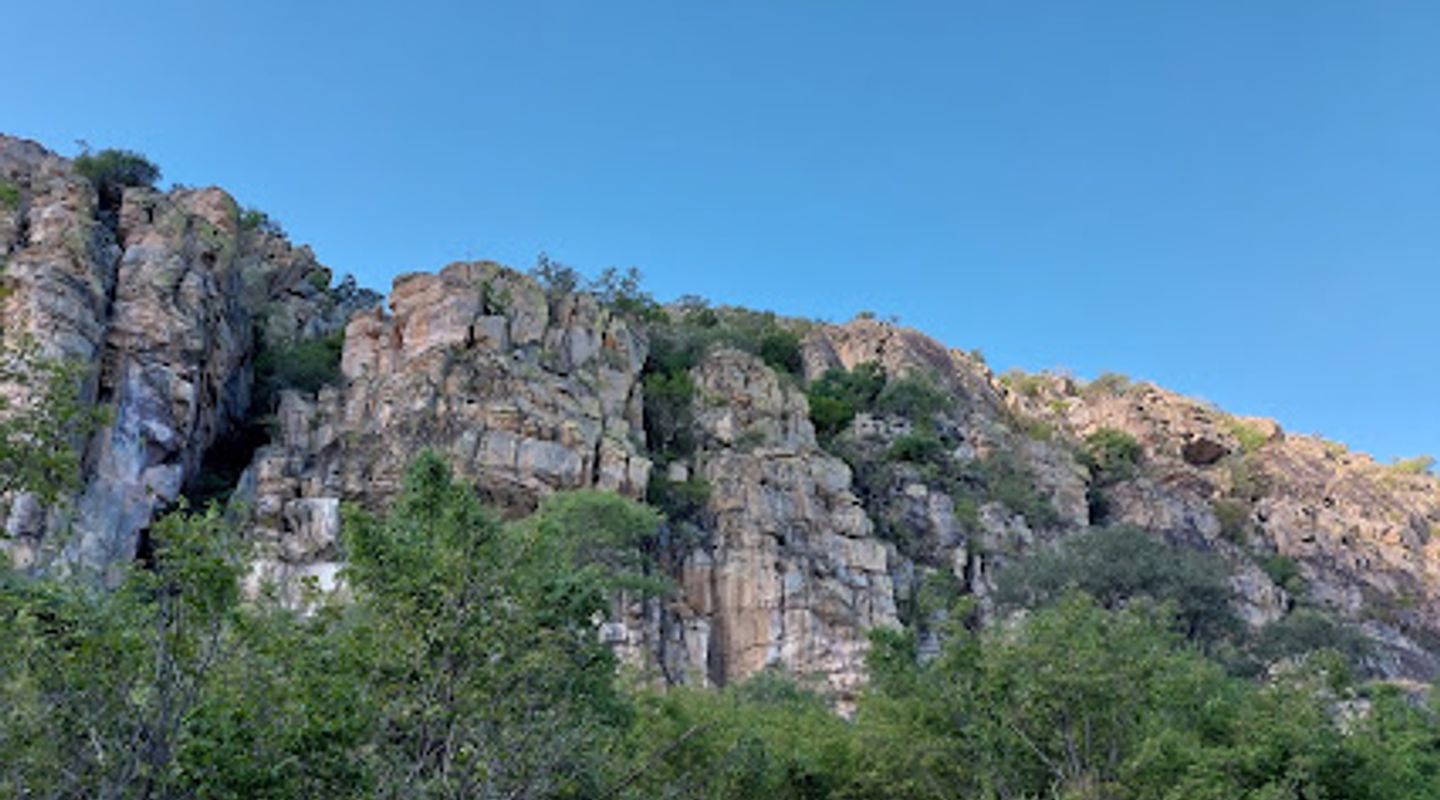
Tsodilo Hills (World Heritage Site), Tsodilo Hills Travel Guide
Explore ancient rock art and spiritual heritage at Tsodilo Hills, a UNESCO World Heritage Site in the heart of the Kalahari Desert.
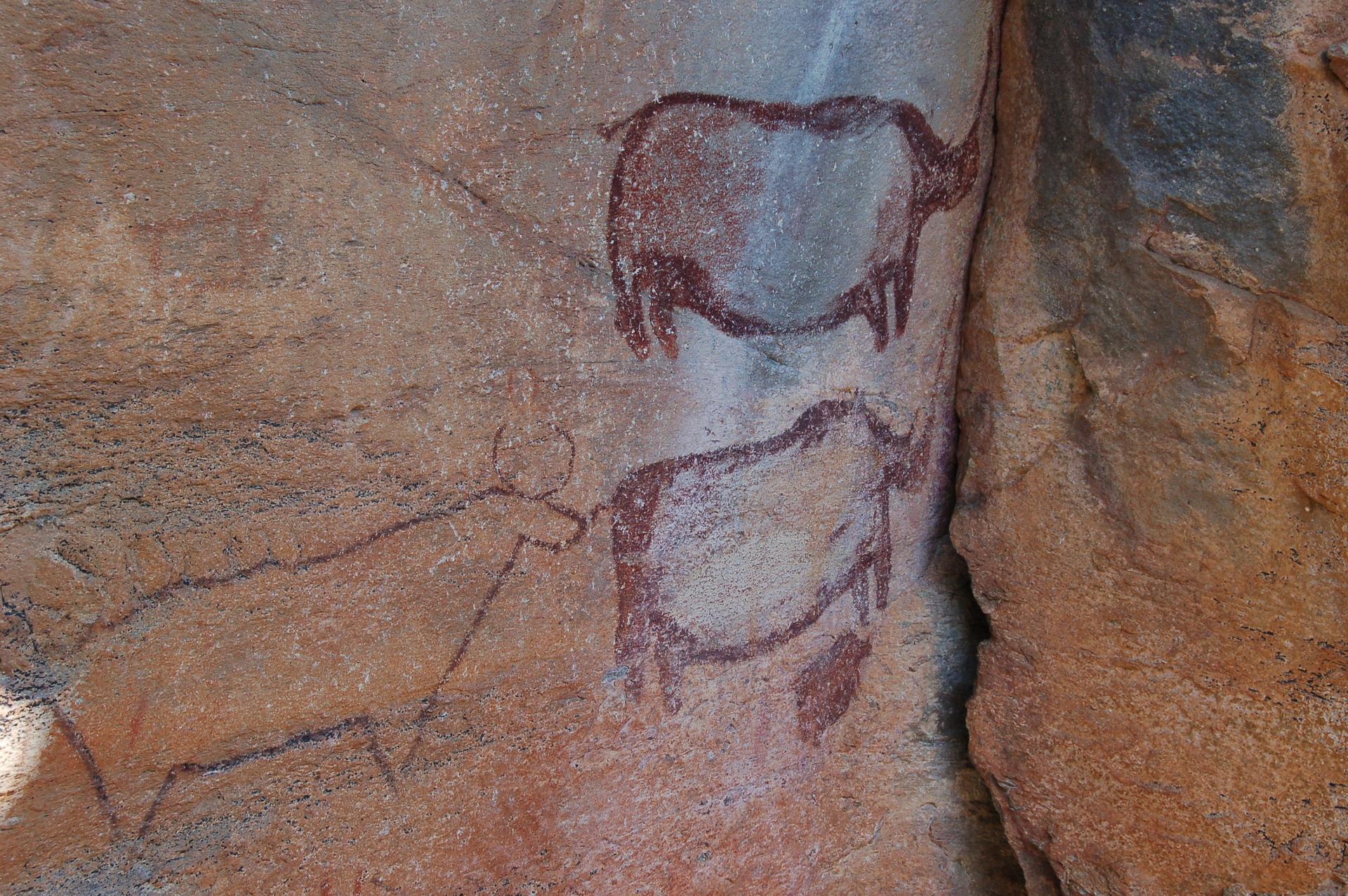
Rising dramatically from the Kalahari Desert, the Tsodilo Hills are a UNESCO World Heritage Site and a sacred place for the San and Hambukushu people. This mystical site boasts over 4,500 ancient rock paintings, some dating back 20,000 years, offering a glimpse into the spiritual beliefs and daily life of early humans.
A brief summary to Tsodilo Hills (World Heritage Site)
- BW

Know before you go
Hi, I'm Eve. Here are a few practical things to know before exploring Tsodilo Hills (World Heritage Site).
- Hire a local guide from the nearby villages to learn about the history, legends, and personal stories of the San people.
- Visit during the cooler months (April to September) for a more comfortable hiking experience.
- Bring plenty of water and sunscreen, as the sun can be harsh.
- A 4x4 vehicle is recommended to navigate the dirt roads leading to the hills.
- Respect the site's sanctity as it is a sacred place for the local communities.
Do you manage this location?
Take control to get all the benefits, like improved information, better appearance, and stronger visibility across AI-powered discovery. Learn more about listing your business on Evendo
Activate your presenceOther nearby places you may find interesting
The closest places of the same kind, if this one is not quite what you had in mind.

Explore Tsodilo Hills (World Heritage Site) on the Map
A handpicked selection of must-see spots near Tsodilo Hills (World Heritage Site), mapped for you.
Unlock the Best of Tsodilo Hills (World Heritage Site)
Buy tickets
-
No tickets available
Book tours with entry

Book tours without entry
-
No tours available
Getting There
-
Driving
From Maun, take the A3 to the A35, then turn onto the Sehithwa-Shakawe road towards Tsodilo Hills. The turning off the main Maun/Shakawe road is just south of Sepupa and is indicated with a National Museum signpost. The Tsodilo Hills are 40 km (4 hours) from Shakawe on an extremely rough dirt road. A 4x4 vehicle is recommended. Note: There are no ATMs or banks in Shakawe, so bring enough cash for entrance fees, guide services, and camping fees. Entrance fees for day visitors aged 15 and up is 50 Botswana Pula (approximately $4 USD). Children aged 2 to 10 are P10 per visit. Guided tours for the Rhino Trail cost P120. Payment must be made in cash.
Discover more about Tsodilo Hills (World Heritage Site)
More to explore near Tsodilo Hills (World Heritage Site)
-

Best experiences near Tsodilo Hills (World Heritage Site)
-

Best hotels near Tsodilo Hills (World Heritage Site)
-

Best attractions near Tsodilo Hills (World Heritage Site)
-

Best shops near Tsodilo Hills (World Heritage Site)
-

Best restaurants near Tsodilo Hills (World Heritage Site)
-

Best bars near Tsodilo Hills (World Heritage Site)







Your all‑in‑one travel companion app
Explore expert travel guides, compare and book tours, experiences, hotels, and more—all from the palm of your hand. Download now for seamless trip planning wherever your wanderlust takes you.


Explore More of Tsodilo Hills
Looking beyond Tsodilo Hills (World Heritage Site)? Discover Tsodilo Hills for broader travel guides, local hot-spots, and regional highlights.
Explore Tsodilo Hills
