Museu do Homem do Nordeste, Recife Travel Guide
Free Guide: Explore the cultural heart of Northeastern Brazil at Recife's Museu do Homem do Nordeste, showcasing the region's diverse heritage and history.


A brief summary of Museu do Homem do Nordeste
Explore the cultural heart of Northeastern Brazil at Recife's Museu do Homem do Nordeste, showcasing the region's diverse heritage and history.
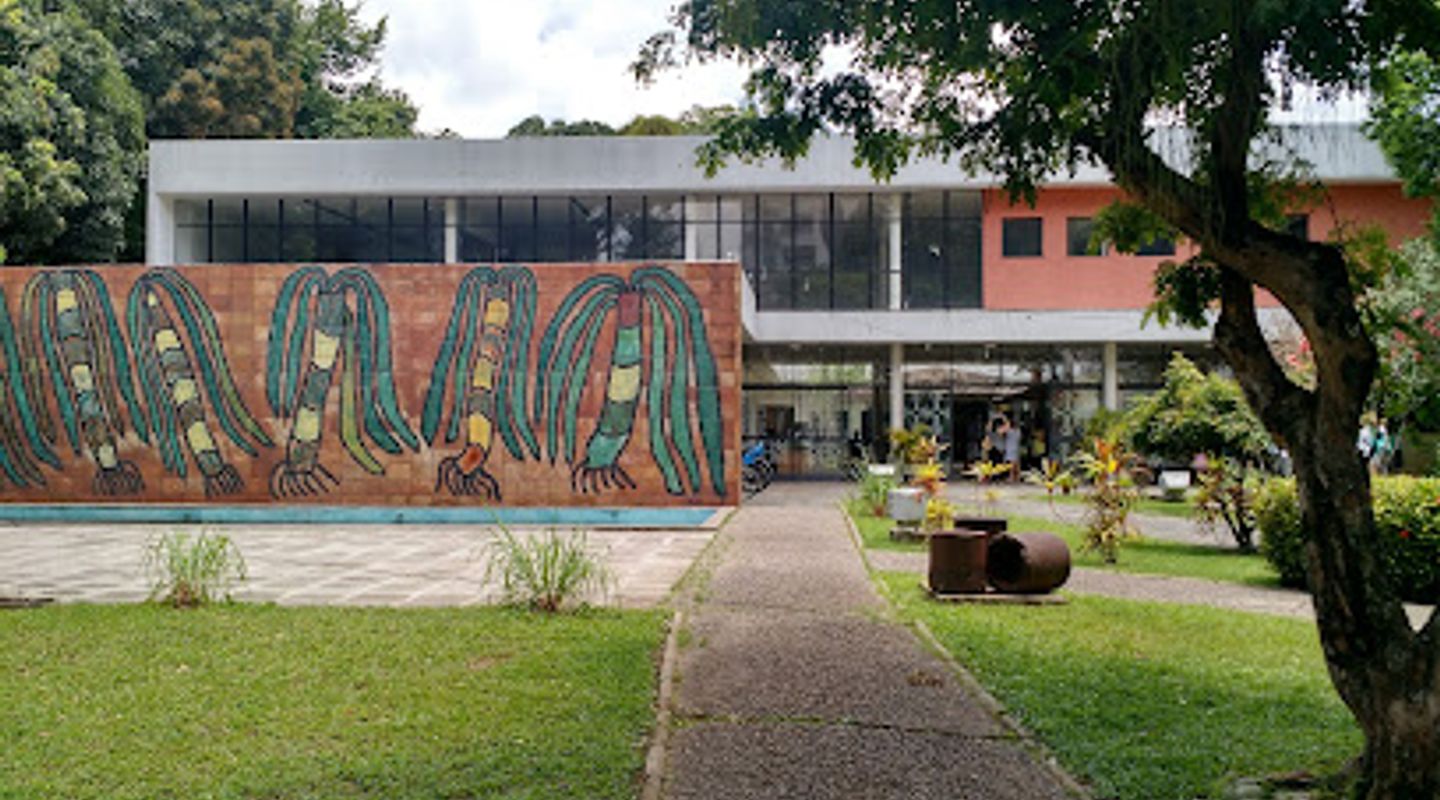
The Museu do Homem do Nordeste (Museum of the Northeastern Man), in Recife, Pernambuco, offers a deep dive into the history, anthropology, and culture of Northeastern Brazil. Founded in 1979 by sociologist Gilberto Freyre, the museum showcases the diverse heritage of the region's people, from indigenous roots to European colonization and African influences.
Opening hours
- MonClosed
- Tue8:30 am–5 pm
- Wed8:30 am–5 pm
- Thu8:30 am–5 pm
- Fri8:30 am–5 pm
- Sat1 pm–5 pm
- Sun1 pm–5 pm
Opening hours as listed on the venue’s Google Business Profile. Hours can change for services and special events, so check with the venue before you go.
- Address
- Av. Dezessete de Agosto, 2187 - Casa Forte, Recife - PE, 52061-540
- Website
Getting there
Public Transport
Taxi/Ride-sharing
Walking
Discover more about Museu do Homem do Nordeste
Overview
The Museu do Homem do Nordeste (Muhne) is more than just a museum; it's a vibrant cultural and historical center dedicated to preserving and showcasing the rich heritage of Northeastern Brazil. Founded in 1979 by the renowned sociologist Gilberto Freyre, the museum emerged from the fusion of three existing museums: the Museum of Anthropology, the Museum of Popular Art, and the Museum of Sugar. This unification created a comprehensive collection that explores the historical, ethnic, and social formation of the region.The museum's collection comprises over 16,000 pieces, reflecting the cultural contributions of indigenous peoples, European colonizers, and enslaved Africans in shaping Northeastern Brazil. Visitors can explore a wide array of artifacts, from 18th and 19th-century construction materials to objects found in 20th-century Quilombos (settlements of escaped slaves). The exhibits also feature Catholic ex-votos, Afro-Brazilian religious items, folk toys, traditional clothing, and the regional ceramics of renowned artists like Vitalino, Nhô Caboclo, and Zé Rodrigues.The museum also delves into the technologies used in sugar production and highlights the social inequalities of the past, contrasting the lives of those in grand houses with those in slave quarters. The long-term exhibition, “Nordeste: territórios plurais, culturais e direitos coletivos” (Northeast: plural territories, cultures, and collective rights), explores Northeastern culture and anthropological themes. The Muhne is not only a repository of artifacts but also a dynamic institution that actively engages with schools, universities, and other cultural organizations. It serves as a vital educational and cultural resource, fostering reflection on identity and the diverse influences that have shaped contemporary Brazilian society.
Evendo Review Centre
 Google
Guest reviews
Explore Museu do Homem do Nordeste on the map
A handpicked selection of must-see spots near Museu do Homem do Nordeste, mapped for you.
Get your free copy of our complete guide to Museu do Homem do Nordeste, delivered straight to you.
Everything on this page, from opening hours and how to get there to Eve’s tips and the best time to go, in one PDF you can read offline, print or share.
Already have an account? Sign in
Your Museu do Homem do Nordeste guide is ready.
We'll send it to · Not you? Sign out

Getting your guide ready…
We are putting together a fresh copy of the Museu do Homem do Nordeste guide. This can take up to a minute.
This can take a few moments. If your browser asks, choose Allow so the download can start. You'll find the guide in your Downloads folder.
Nothing happened? Download it again
Sorry, the guide is taking longer than usual. Please try again in a minute, or get it by email instead.
Other nearby places you may find interesting
The closest places of the same kind, if this one is not quite what you had in mind.
-
-
-
-
-


Swipe for more places
More to explore near Museu do Homem do Nordeste
-
 Best experiences near Museu do Homem do Nordeste
-
 Best hotels near Museu do Homem do Nordeste
-
 Best landmarks near Museu do Homem do Nordeste
-
 Best attractions near Museu do Homem do Nordeste
-
 Best shops near Museu do Homem do Nordeste
-
 Best restaurants near Museu do Homem do Nordeste
-
 Best bars near Museu do Homem do Nordeste


Do you manage this location?
Take control to get all the benefits, like improved information, better appearance, and stronger visibility across AI-powered discovery.
Explore more
Explore more of Recife
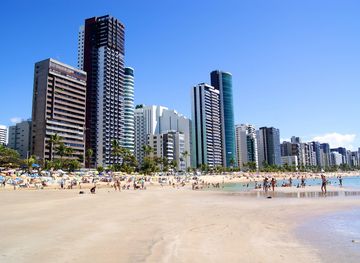
Discover Recife: A city where historic charm meets vibrant culture and stunning beaches, offering a unique blend of modernity and tradition in the heart of Brazil.
Explore Recife
Explore more of Brazil
Discover Brazil: a land of samba, stunning landscapes, and rich history. From the Amazon to Rio, explore diverse cultures, world-class cuisine, and vibrant festivals.
Explore Brazil