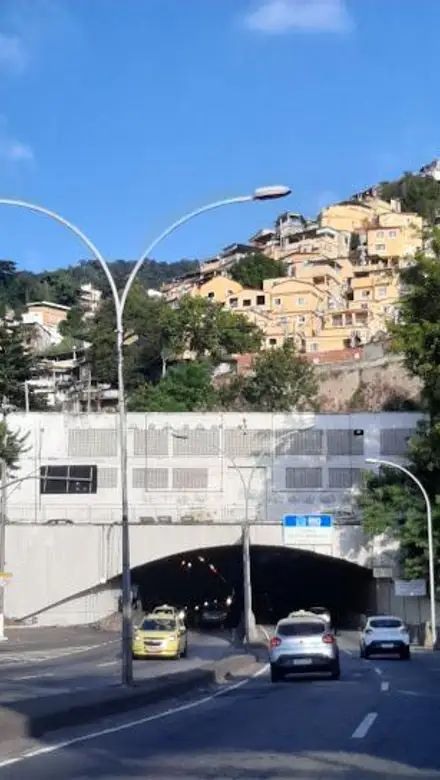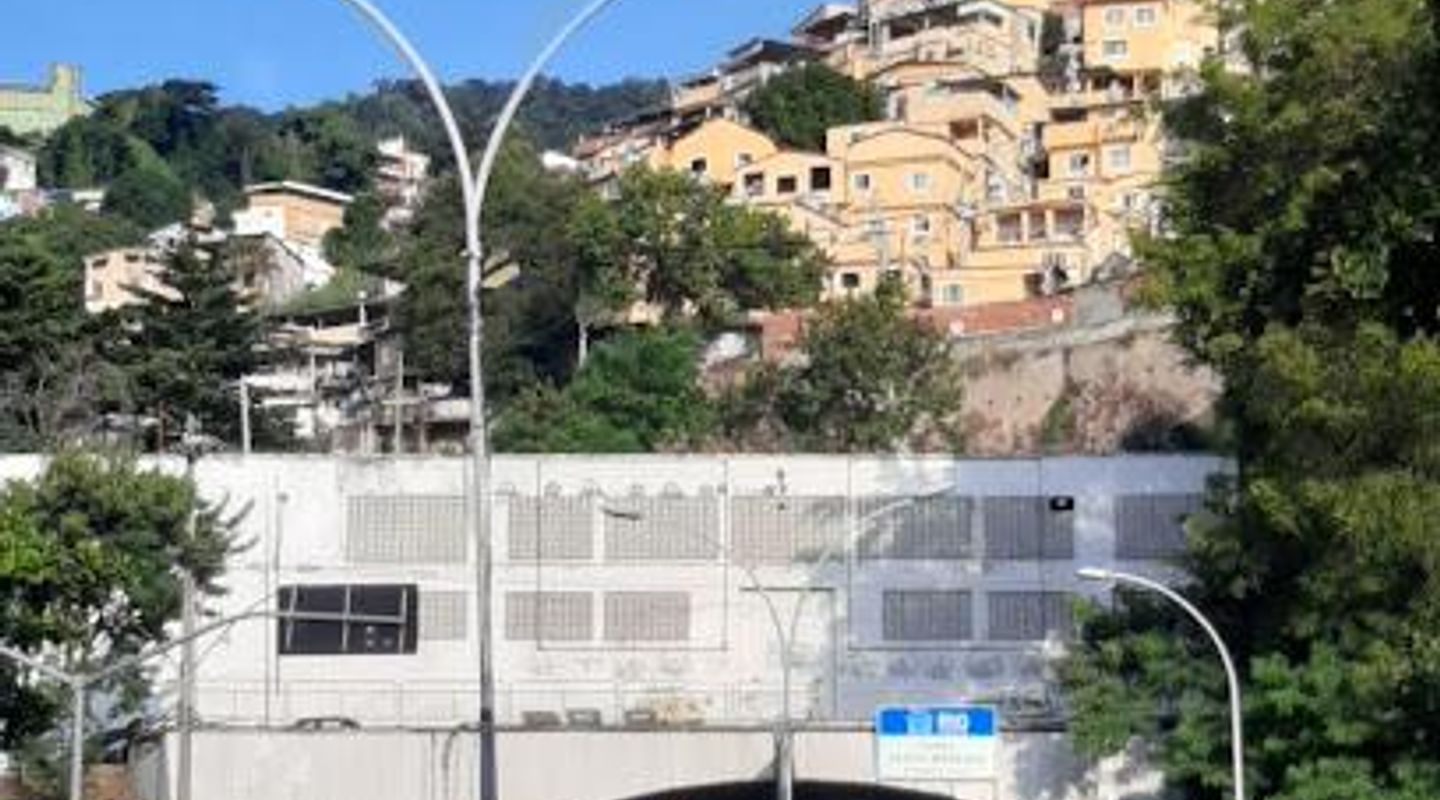
Túnel Santa Bárbara, Rio De Janeiro Travel Guide
Experience Rio's efficient urban transit through the Santa Bárbara Tunnel, connecting North and South with ease.
The Túnel Santa Bárbara is a crucial tunnel in Rio de Janeiro, Brazil, linking the Catumbi and Laranjeiras neighborhoods. It facilitates transit between the North and South zones of the city, bypassing the often congested city center. Known for its significant length and role in urban mobility, the tunnel is a key element of Rio's infrastructure.
A brief summary to Túnel Santa Bárbara
- Rio de Janeiro, State of Rio de Janeiro, BR

Know before you go
Hi, I'm Eve. Here are a few practical things to know before exploring Túnel Santa Bárbara.
- Consider using the tunnel to avoid heavy traffic in Rio's city center.
- Be aware of the tunnel's closure schedule for maintenance on Mondays and Wednesdays late at night.
- Note that the most convenient route to the Sambadrome from the South Zone is through the Santa Bárbara tunnel.
Do you manage this location?
Take control to get all the benefits, like improved information, better appearance, and stronger visibility across AI-powered discovery. Learn more about listing your business on Evendo
Activate your presenceOther nearby places you may find interesting
The closest places of the same kind, if this one is not quite what you had in mind.

Explore Túnel Santa Bárbara on the Map
A handpicked selection of must-see spots near Túnel Santa Bárbara, mapped for you.
Getting There
-
Public Transport
From various points in Centro, take a bus heading towards Laranjeiras or Botafogo. Many buses utilize the tunnel to connect these areas. Check the bus route to ensure it passes through the Túnel Santa Bárbara. Bus fares in Rio de Janeiro typically cost around R$4.05.
-
Taxi/Ride-Share
Taxis and ride-sharing services are readily available throughout Rio de Janeiro. Request a ride to an address on either side of the tunnel (Catumbi or Laranjeiras) and the driver will likely use the tunnel to expedite the journey. A short taxi ride within Centro to either entrance of the tunnel will likely cost between R$20-R$30, depending on traffic.
Discover more about Túnel Santa Bárbara













Your all‑in‑one travel companion app
Explore expert travel guides, compare and book tours, experiences, hotels, and more—all from the palm of your hand. Download now for seamless trip planning wherever your wanderlust takes you.


Explore More of Rio De Janeiro

Looking beyond Túnel Santa Bárbara? Discover Rio De Janeiro for broader travel guides, local hot-spots, and regional highlights.
Explore Rio De Janeiro
Discover the Lampadário da Lapa, a historical landmark in Rio de Janeiro's vibrant Lapa, showcasing art, culture, and stunning urban beauty.

Experience the essence of Brazilian cuisine at Aprazível, a stunning restaurant in Santa Teresa, Rio de Janeiro, with breathtaking views and vibrant ambiance.