

Roman aqueduct Travel Guide
Free Guide: Explore the Roman Aqueduct in Plovdiv, a marvel of ancient engineering and a testament to the rich history of Philippopolis.


A brief summary of Roman aqueduct
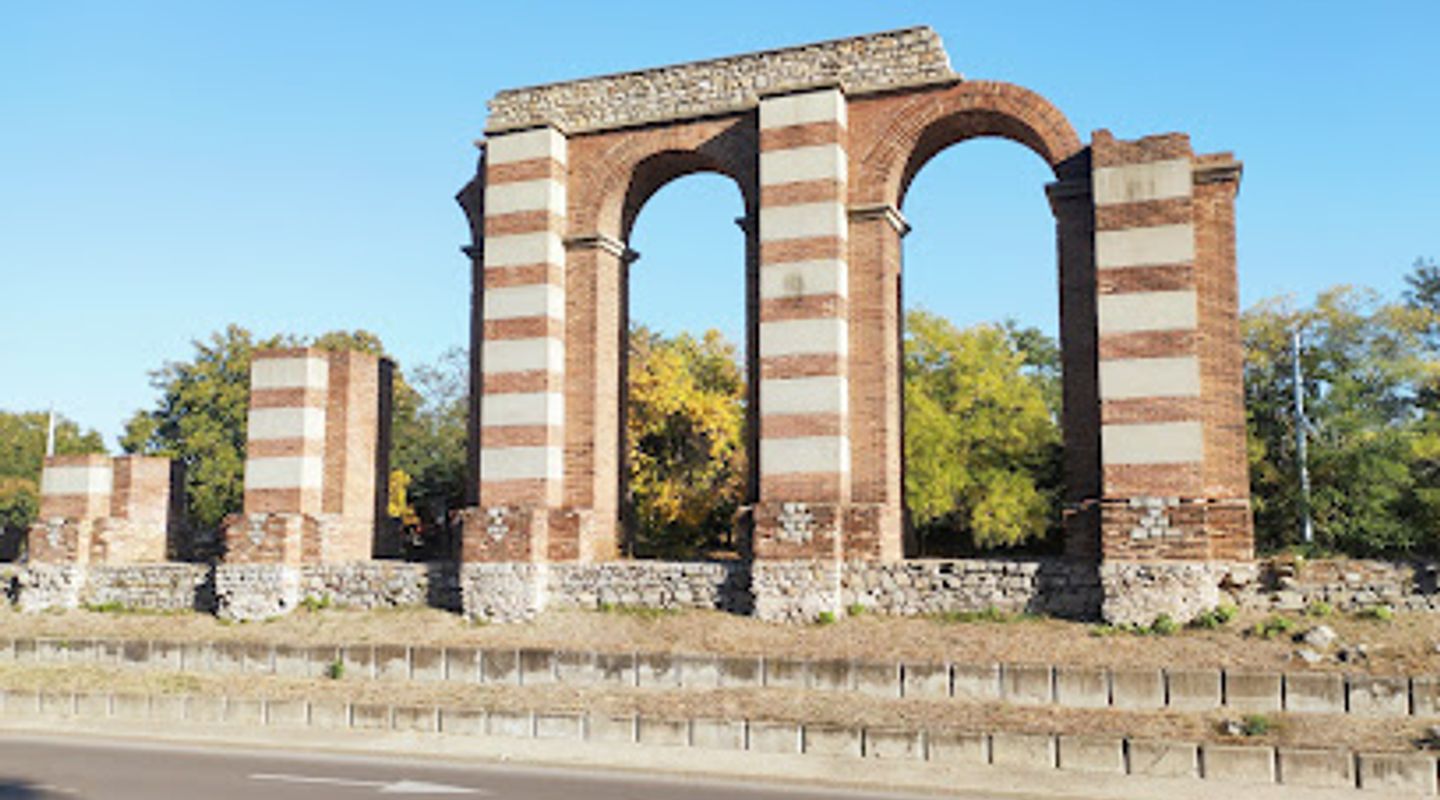
Explore the Roman Aqueduct in Plovdiv, a marvel of ancient engineering and a testament to the rich history of Philippopolis.
The Roman Aqueduct in Plovdiv, a testament to Roman engineering, once supplied the ancient city of Philippopolis with fresh water from the Rhodope Mountains. Built in the 2nd century AD, its well-preserved remains offer a glimpse into the city's rich history.
Opening hours
- Every dayOpen 24 hours
Opening hours as listed on the venue’s Google Business Profile. Hours can change for services and special events, so check with the venue before you go.
- Address
- ж.к. Христо Ботев - ЮгSouthern district, 4004 Plovdiv
Getting there
Public Transport
Walking
Taxi
Discover more about Roman aqueduct
Overview
The Roman Aqueduct of Plovdiv, also known as the Aqueduct of Philippopolis, stands as a remarkable feat of ancient engineering. Constructed in the 2nd century AD during the reign of Emperor Hadrian, this impressive structure provided a vital water supply to the ancient city, showcasing the advanced skills of Roman architects and engineers.Spanning approximately 18 kilometers, the aqueduct channeled water from springs in the Rhodope Mountains to Philippopolis. This reliable water source supported the city's inhabitants and various public amenities, including baths, thermae, and theaters. The aqueduct's design features a series of arched structures that traverse the landscape, demonstrating the Romans' mastery of hydraulic engineering.Today, the Roman Aqueduct is an important cultural and historical landmark, attracting tourists and researchers from around the globe. Visitors can explore the aqueduct's remains along a specially designed trail that follows the original route. The site offers a unique opportunity to witness firsthand the ingenuity and grandeur of Roman infrastructure. The aqueduct serves as a reminder of Plovdiv's significance during antiquity and its enduring legacy as one of Europe's oldest cities.While exploring the aqueduct, take the opportunity to discover nearby attractions in Plovdiv, a city celebrated for its rich history and vibrant culture. Wander through the charming streets of the Old Town, sample local cuisine at nearby restaurants, or visit other historical sites such as the Roman Stadium and the Ancient Theatre.
Evendo Review Centre
 Google
Guest reviews
Explore Roman aqueduct on the map
A handpicked selection of must-see spots near Roman aqueduct, mapped for you.
Get your free copy of our complete guide to Roman aqueduct, delivered straight to you.
Everything on this page, from opening hours and how to get there to Eve’s tips and the best time to go, in one PDF you can read offline, print or share.
Already have an account? Sign in
Your Roman aqueduct guide is ready.
We'll send it to · Not you? Sign out

Getting your guide ready…
We are putting together a fresh copy of the Roman aqueduct guide. This can take up to a minute.
This can take a few moments. If your browser asks, choose Allow so the download can start. You'll find the guide in your Downloads folder.
Nothing happened? Download it again
Sorry, the guide is taking longer than usual. Please try again in a minute, or get it by email instead.
Other nearby places you may find interesting
The closest places of the same kind, if this one is not quite what you had in mind.
-
-
-
-
-


Swipe for more places
More to explore near Roman aqueduct

 Best experiences near Roman aqueduct
 Best hotels near Roman aqueduct
 Best landmarks near Roman aqueduct
 Best attractions near Roman aqueduct
 Best shops near Roman aqueduct
 Best restaurants near Roman aqueduct
 Best bars near Roman aqueduct
Do you manage this location?
Take control to get all the benefits, like improved information, better appearance, and stronger visibility across AI-powered discovery.
Explore more
Explore more of Plovdiv Region
Discover the Plovdiv Region: a harmonious blend of ancient history, vibrant arts, and stunning natural beauty in the heart of Bulgaria.
Explore Plovdiv Region
Explore more of Bulgaria
Explore Bulgaria: From Sofia's bustling streets to the serene mountains and stunning Black Sea beaches, discover the rich history, culture, and natural beauty of Bulgaria.
Explore Bulgaria
