

El Capitan Theatre, Westside Travel Guide
Experience the magic of Disney in a historic Hollywood movie palace, where first-run films come to life with spectacular stage shows and timeless elegance, creating unforgettable memories.
Step back in time at the El Capitan Theatre, a meticulously restored movie palace on Hollywood Boulevard. Owned by The Walt Disney Company, this opulent theater showcases first-run Disney films, often accompanied by live stage shows and pre-movie entertainment, offering a nostalgic movie-going experience. Beyond the films, the El Capitan boasts a rich history, originally opening as a live performance venue in 1926, hosting legendary stars before transitioning to a movie theater and eventually becoming a Disney treasure. Its stunning Spanish Colonial Revival exterior and lavish interiors make it a landmark destination, offering a glimpse into Hollywood's golden age. Whether you're a Disney enthusiast, a film buff, or simply seeking a unique and memorable experience, the El Capitan Theatre promises an enchanting escape.
A brief summary to El Capitan Theatre
- 6838 Hollywood Blvd, Los Angeles, Hollywood, California, 90028, US
- Click to display
- Click to display

Know before you go
Hi, I'm Eve. Here are a few practical things to know before exploring El Capitan Theatre.
- Arrive early to enjoy the pre-movie stage show and secure the best seats, as these performances are a highlight of the El Capitan experience.
- Check the El Capitan Theatre's schedule for special events, movie premieres, and themed screenings, which offer unique and memorable experiences.
- Consider purchasing tickets in advance, especially for popular movies and events, as they tend to sell out quickly.
Do you manage this location?
Take control to get all the benefits, like improved information, better appearance, and stronger visibility across AI-powered discovery. Learn more about listing your business on Evendo
Activate your presenceOther nearby places you may find interesting
The closest places of the same kind, if this one is not quite what you had in mind.
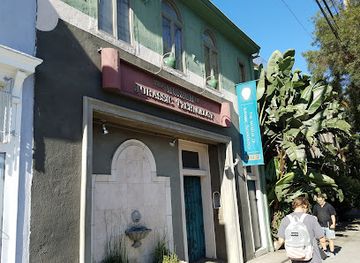
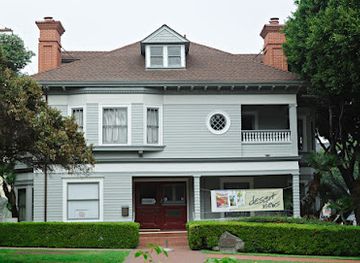
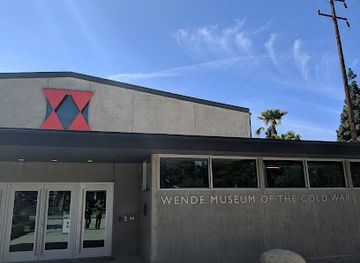

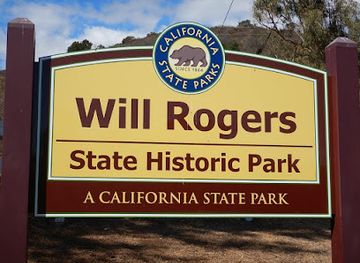
Explore El Capitan Theatre on the Map
A handpicked selection of must-see spots near El Capitan Theatre, mapped for you.
Unlock the Best of El Capitan Theatre
Buy tickets
-
No tickets available
Book tours with entry


Getting There
-
Public Transport
The El Capitan Theatre is conveniently accessible via the Metro B Line (Red Line). Exit at the Hollywood/Highland station, which is just a short walk from the theater. From the station, walk east along Hollywood Boulevard. You'll see the El Capitan Theatre on your right, easily recognizable by its bright marquee. A single ride on the Metro costs $1.75.
-
Taxi/Ride-Share
If arriving by taxi or ride-sharing service, simply provide the address, 6838 Hollywood Blvd, Los Angeles, CA 90028, as your destination. Be aware that traffic on Hollywood Boulevard can be heavy, especially during peak hours and event nights. Expect to pay around $10-$15 for a short ride within Hollywood.
-
Driving
If driving, be aware that the El Capitan Theatre does not have its own dedicated parking. Several parking lots are available nearby, but they can be expensive, especially during premieres and special events. The closest parking is at 1755, North Highland Avenue, Hollywood, Los Angeles, Los Angeles County, California, 90028, USA. Parking fees typically range from $15-$40 for a few hours. Consider booking a spot in advance through apps like SpotHero or Way.com to secure a space and potentially save money. Metered street parking is also available on nearby streets, but it can be difficult to find and has time restrictions.
Discover more about El Capitan Theatre













Your all‑in‑one travel companion app
Explore expert travel guides, compare and book tours, experiences, hotels, and more—all from the palm of your hand. Download now for seamless trip planning wherever your wanderlust takes you.


Explore More of Westside
Looking beyond El Capitan Theatre? Discover Westside for broader travel guides, local hot-spots, and regional highlights.
Explore Westside
Explore a world of immersive fun at Player One VR World, Hollywood's premier destination for virtual reality adventures and unforgettable experiences.
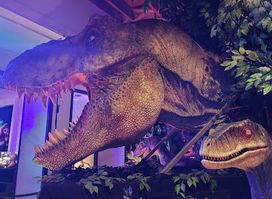
Delve into the world of horror at the Icons of Darkness Museum in Hollywood, where iconic memorabilia and immersive exhibits await.
