Background

Bradbury Building: A Victorian Masterpiece

Explore the Bradbury Building, a Victorian-era architectural masterpiece in downtown Los Angeles, famed for its stunning skylit atrium and iconic film appearances.

4.5

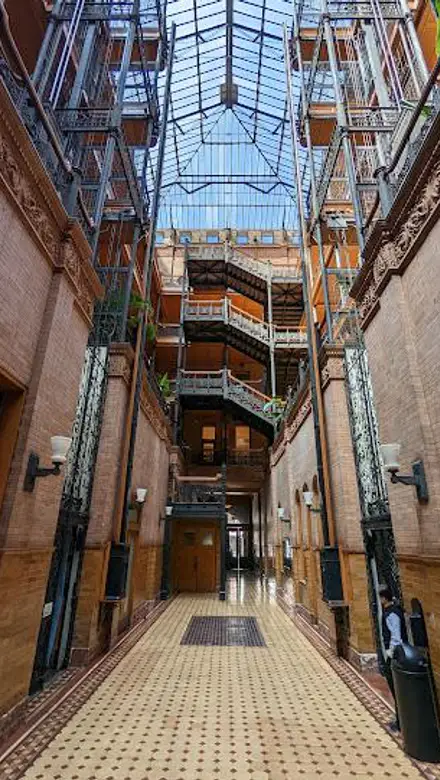
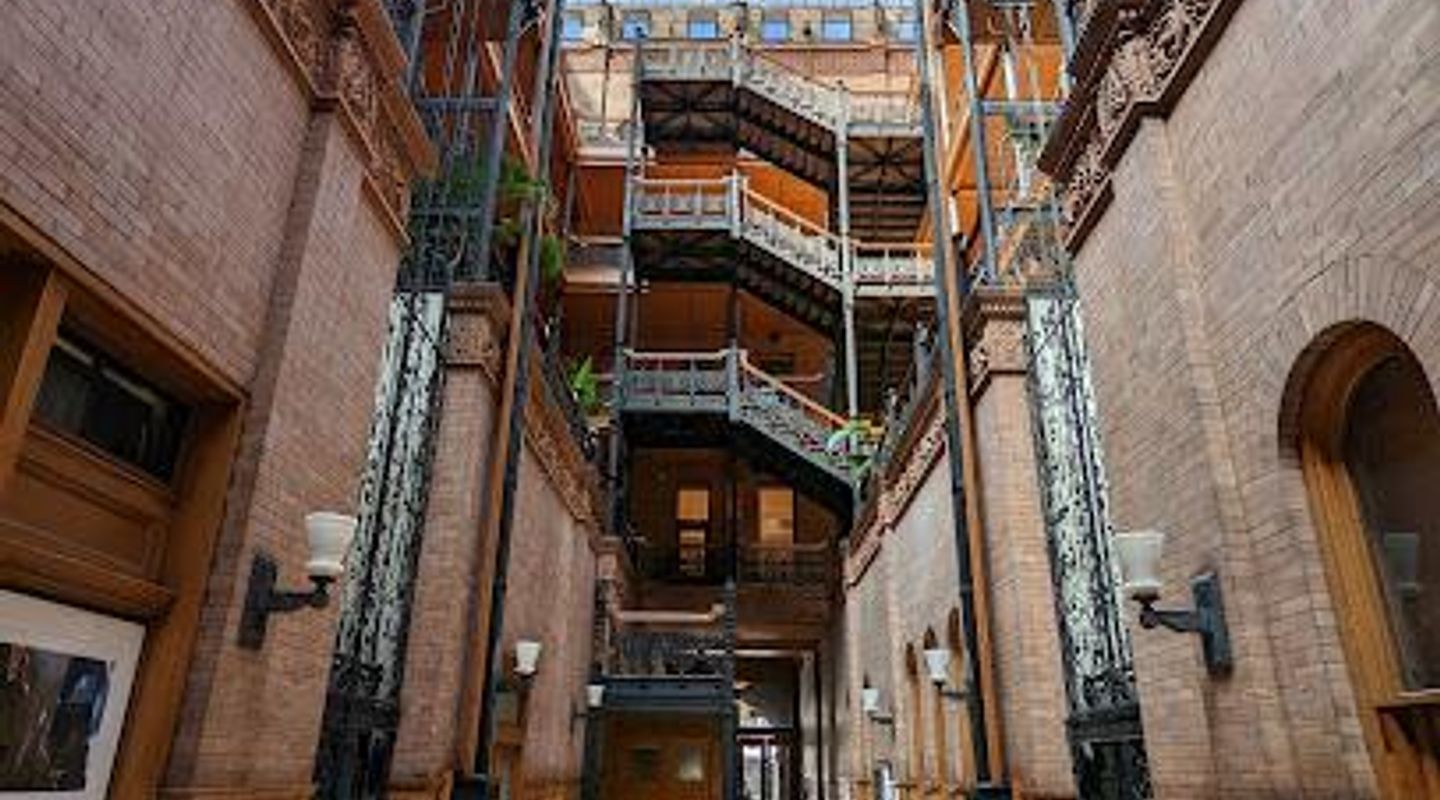
Step back in time inside the Bradbury Building, a stunning architectural gem in the heart of downtown Los Angeles. Completed in 1893, this five-story office building is renowned for its breathtaking Victorian-era interior, featuring a soaring skylit atrium, ornate ironwork, marble staircases, and open-cage elevators. Though the exterior presents a modest Romanesque Revival facade, the interior explodes with light and intricate detail, creating a dramatic and unforgettable experience. A popular filming location, the Bradbury Building has appeared in numerous movies and television shows, most notably Blade Runner and The Artist. Visitors can explore the first level for free, soaking in the building's unique atmosphere and architectural grandeur. Its central location makes it a convenient stop while exploring other downtown attractions.

A brief summary to Bradbury Building

  • Monday 9 am-5 pm
  • Tuesday 9 am-5 pm
  • Wednesday 9 am-5 pm
  • Thursday 9 am-5 pm
  • Friday 9 am-5 pm
  • Saturday 10 am-2 pm
  • Sunday 10 am-2 pm

Local tips

  • Visit during daylight hours to fully appreciate the natural light flooding the atrium through the skylight.
  • Look for the original open-cage elevators, a rare and fascinating glimpse into the building's past.
  • Combine your visit with a trip to the nearby Grand Central Market for a taste of Los Angeles' diverse culinary scene.
  • Consider taking a guided walking tour of downtown Los Angeles to learn more about the Bradbury Building and its surrounding historic landmarks.
  • Keep an eye out for filming activity, as the Bradbury Building is still a popular location for movies, TV shows, and commercials.
widget icon

Getting There

  • Public Transport

    The Bradbury Building is easily accessible via the Metro Rail. Take the Metro B (Red) or D (Purple) Line to Pershing Square Station. From the station, walk south on Hill Street, then turn right onto 3rd Street. Walk one block west to Broadway; the Bradbury Building will be on your left. A single ride fare on Metro Rail is $1.75.

  • Bus

    Several Metro Bus lines stop near the Bradbury Building. Check the Metro website or app for the most up-to-date routes and schedules. Some of the bus lines that stop near the Bradbury Building are 4, 28, 62, 76, and 94. A single ride fare on Metro Bus is $1.75.

  • Taxi/Ride-Share

    Taxis and ride-sharing services like Uber and Lyft are readily available in downtown Los Angeles. A short ride from Union Station or other nearby locations will typically cost between $8 and $15, depending on traffic and surge pricing.

  • Driving

    If driving, be aware that parking in downtown Los Angeles can be challenging and expensive. Several parking structures are located near the Bradbury Building, including the Broadway Spring Center Garage at 333 S Spring Street and the Grand Central Market garage. Expect to pay between $15 and $30 for a few hours of parking, depending on the location and time of day. Consider using a parking app like SpotHero to find and reserve parking in advance.

  • Walking

    The Bradbury Building is within walking distance of many other downtown Los Angeles attractions, including Grand Central Market, Angels Flight Railway, and The Broad museum. If you are already in the area, walking is a convenient and enjoyable way to reach the building.

Unlock the Best of Bradbury Building

Buy tickets

    No tickets available

Book tours with entry

    No tours available

Book tours without entry

    No tours available

q

Discover more about Bradbury Building

The Bradbury Building, located in the heart of downtown Los Angeles, stands as a testament to Victorian-era architectural ingenuity and a beloved landmark. Completed in 1893, this five-story office building has captivated visitors and filmmakers alike for over a century with its breathtaking interior and rich history. Commissioned by Los Angeles gold-mining millionaire Lewis L. Bradbury, the building was intended to be a grand and enduring monument to his name. Initially, Bradbury hired Sumner Hunt to design the building, but dissatisfied with Hunt's plans, he turned to George Wyman, a draftsman in Hunt's office. Legend has it that Wyman consulted a Ouija board, receiving the message, "Take Bradbury Building. It will make you famous." Whether fact or folklore, Wyman accepted the commission, creating what would become his singular masterpiece. The Bradbury Building's exterior presents a surprisingly unassuming facade of brown brick, sandstone, and terracotta detailing, designed in the commercial vernacular Italian Renaissance Revival style. However, stepping inside is like entering another world. The narrow entrance lobby, with its low ceiling, opens into a bright, naturally lit central court that rises almost 50 feet to a glass skylight. This awe-inspiring atrium is the building's most notable feature, creating a cathedral-like space filled with light and intricate ironwork. The building's design incorporates innovative elements rarely seen at the time. The open-air atrium, extensive use of glass, and ingenious ventilation systems set a new standard for architectural sophistication. The atrium is enclosed with a combination of cast- and wrought-iron balconies and staircases. Light-colored pressed brick and terracotta form the walls and piers, reflecting light from the skylight overhead and creating a warm, inviting atmosphere. The Bradbury Building's interior showcases meticulous masonry work, blending various materials to create a stunning visual and tactile experience. Marble staircases, elaborate French wrought-iron railings in the Art Nouveau style, glazed and unglazed tiles, decorative terracotta Mexican tiles, and polished wood railings add to the building's aesthetic appeal. The open-cage elevators, still in operation, provide a glimpse into the past, offering a unique and memorable experience. The Bradbury Building has earned numerous accolades throughout its history. It was added to the National Register of Historic Places in 1971, designated a National Historic Landmark in 1977, and recognized as a landmark by the Los Angeles Cultural Heritage Commission. In the late 1980s, developer Ira Yellin purchased the building and invested $7 million in its restoration, preservation, and seismic retrofitting, ensuring its survival for future generations. Beyond its architectural beauty, the Bradbury Building holds significant cultural importance. It has appeared in numerous works of fiction and has been the site of many movie and television shoots and music videos. Its cinematic journey began in 1944 with Double Indemnity and reached iconic status with its prominent role in Ridley Scott's Blade Runner (1982), where it provided a dystopian yet hauntingly beautiful setting for the film's climactic scenes. Other notable appearances include The Artist (2011), 500 Days of Summer (2009), and countless commercials and television series. Today, the Bradbury Building continues to serve as a functional office space while also attracting tourists and architecture enthusiasts from around the world. The building's ground floor is home to various retail establishments, while the upper floors house offices for creative and tech companies. Visitors can explore the first level of the building for free, marveling at the atrium, ironwork, and overall architectural grandeur. Guided tours are also available, offering a more in-depth exploration of the building's history and design. The Bradbury Building stands as a symbol of Los Angeles' rich architectural heritage and its enduring appeal as a filming location. Its unique blend of Victorian elegance and cinematic history makes it a must-see destination for anyone visiting downtown Los Angeles.

Popular Experiences near Bradbury Building

Popular Hotels near Bradbury Building

Select Currency