Los Angeles State Historic Park: A Green Oasis in the City
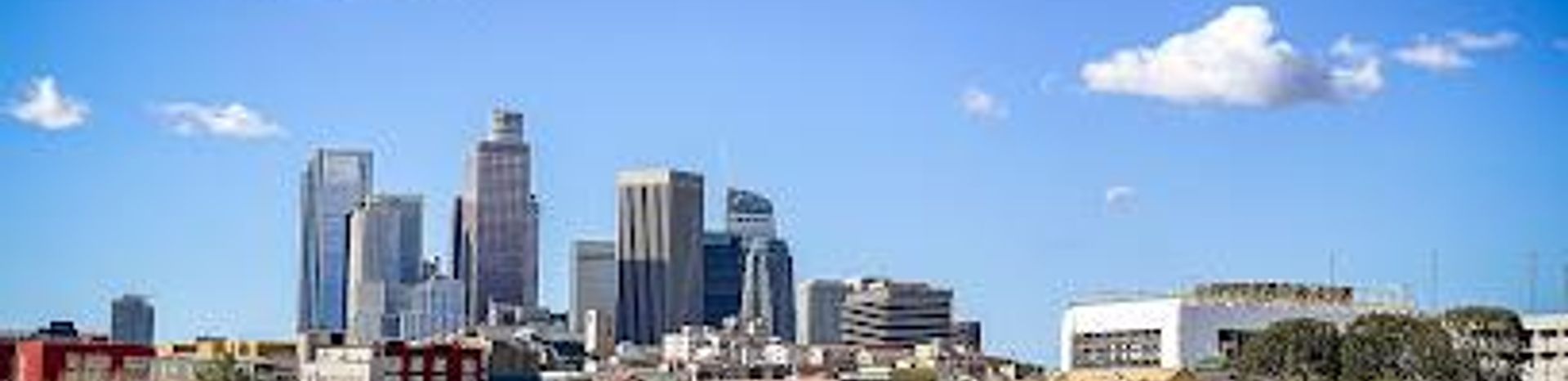
Discover a vibrant urban oasis in Los Angeles State Historic Park: where history, culture, and nature converge for an unforgettable experience with stunning views of the city skyline.
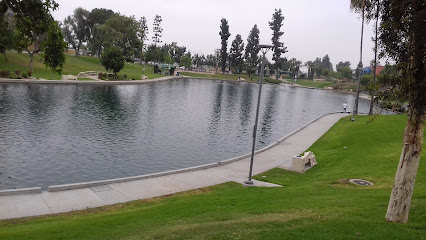
Los Angeles State Historic Park, a 32-acre green space adjacent to Chinatown, offers a unique blend of recreation, history, and stunning views of the downtown skyline. Once the site of the Southern Pacific Railroad's River Station, the park now provides walking and biking paths, picnic areas, and opportunities for urban wildlife spotting. The park's design incorporates elements of its past, hinting at the vanished railroad tracks and the area's significance as a gateway for newcomers to Los Angeles. With free admission and a variety of events, the park serves as a vibrant community hub, inviting visitors to explore the city's cultural heritage and enjoy a peaceful escape from the urban bustle. Whether you're interested in history, nature, or simply a relaxing day out, Los Angeles State Historic Park provides a refreshing and enriching experience.
A brief summary to Los Angeles State Historic Park
- 1245 N Spring St, Los Angeles, Chinatown, California, 90012, US
- +1323-441-8819
- Visit website
Local tips
- Check the park's event calendar before your visit to see if there are any festivals, concerts, or guided tours happening during your visit.
- Take the Metro Gold Line to the Chinatown Station for easy access to the park and avoid parking hassles.
- Bring a picnic blanket and enjoy a relaxing lunch or dinner with a view of the downtown skyline.
- Explore the park's historical markers and architectural features to learn about its past as a railyard and gateway for newcomers to Los Angeles.
- Visit during sunset for stunning views of the city skyline as the sun dips below the horizon.

Getting There
-
Public Transport
For those arriving via public transport, the Metro L (Gold) Line offers the most convenient access. Exit at the Chinatown Station, which is directly adjacent to Los Angeles State Historic Park. From the station, walk northeast on N Spring St, and the park entrance will be readily visible. A single Metro fare is $1.75, and a TAP card ($2 to purchase) allows for easy transfers and fare payment. Alternatively, a day pass can be purchased for $3.50, offering unlimited rides within a 2-hour window.
-
Taxi/Ride-Share
If arriving by taxi or ride-sharing service (Uber/Lyft), instruct your driver to drop you off at the intersection of N Spring St and College St, near the park's main entrance. From there, it's a short walk northeast along Spring Street to the park entrance. A typical ride-share from Downtown Los Angeles (e.g., Union Station) will cost approximately $8-$15, depending on traffic and demand.
-
Driving
For those driving, Los Angeles State Historic Park is located at 1245 N Spring St, Los Angeles, CA 90012. Parking is available in the park's main lot at 1501 N Spring Street for $2 per hour, with a daily maximum of $8. Free street parking is also available in the surrounding area, but be sure to pay close attention to posted signs and anti-gridlock zones, especially between 4 PM and 6 PM. Note that parking can be limited during peak hours and special events.
Discover more about Los Angeles State Historic Park
Iconic landmarks you can’t miss

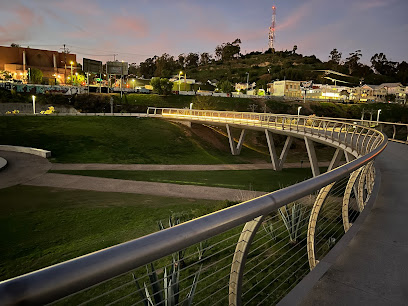
Roundhouse Bridge at LA State Historic Park
0.1 km
Explore the architectural beauty and historical significance of the Roundhouse Bridge at LA State Historic Park, a must-visit landmark in Los Angeles.
Los Angeles Historic Pavers Park
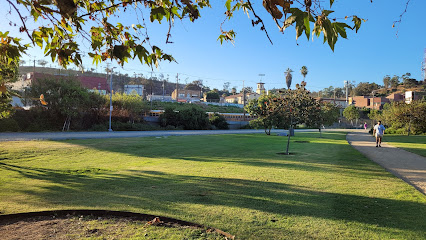
0.4 km
Explore the historical significance of Los Angeles at Historic Pavers Park, where each step reveals the city's rich cultural tapestry.
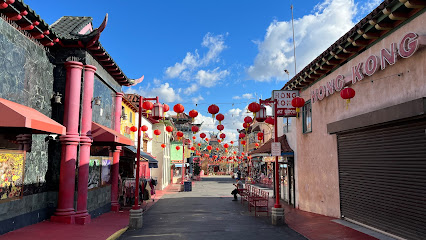
Chinatown West Gate
0.6 km
Explore the vibrant culture and history of Chinatown West Gate, a historical landmark in Los Angeles, offering a unique blend of tradition and modernity.
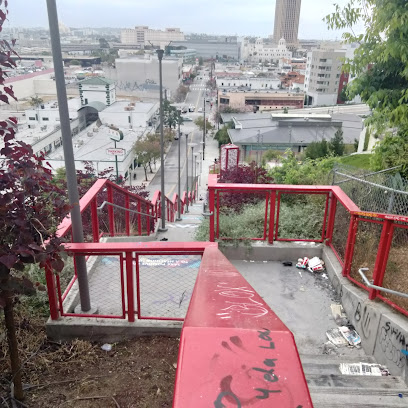
Ord to N Hill St Steps
1.2 km
Explore the historic Ord to N Hill St Steps in Los Angeles, a captivating landmark that offers stunning views and a glimpse into Chinatown's rich cultural heritage.
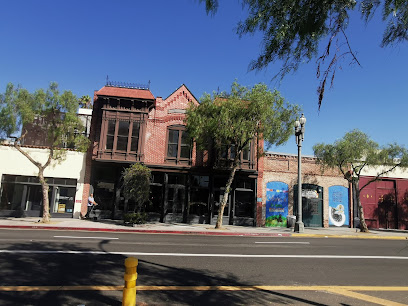
Sepulveda House Museum
1.3 km
Explore the rich history of early 20th century Los Angeles at the Sepulveda House Museum, a hidden gem in Downtown LA.
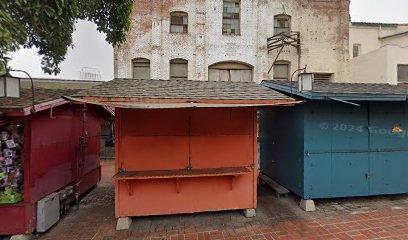
5 Olvera St
1.4 km
Experience the rich cultural tapestry of Los Angeles at Olvera Street, a historic marketplace brimming with authentic Mexican food, art, and vibrant traditions.
Los Angeles Union Station
1.4 km
Explore Los Angeles Union Station - a historic transportation hub with stunning architecture and vibrant culture in the heart of downtown LA.
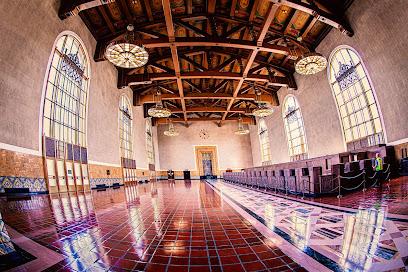
City of Los Angeles Bicentennial Historical Plaque
1.4 km
Discover the City of Los Angeles Bicentennial Historical Plaque, a key historical landmark celebrating the rich heritage of this iconic city.
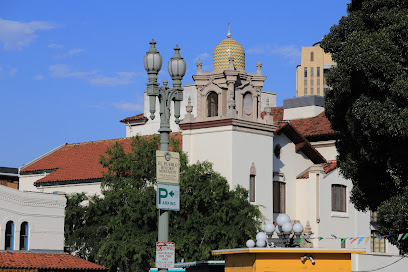
El Pueblo de Los Angeles Historical Monument
1.5 km
Discover the vibrant cultural heritage at El Pueblo de Los Angeles Historical Monument, a unique blend of history, art, and community in Downtown LA.
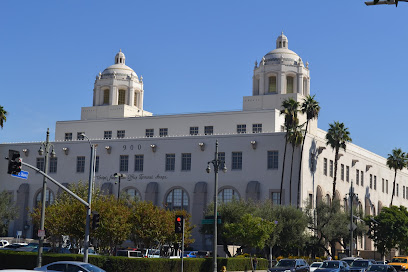
Fort Moore Pioneer Memorial
1.5 km
Discover the Fort Moore Pioneer Memorial, a serene historical landmark in Downtown Los Angeles celebrating the legacy of early settlers and the city's rich heritage.
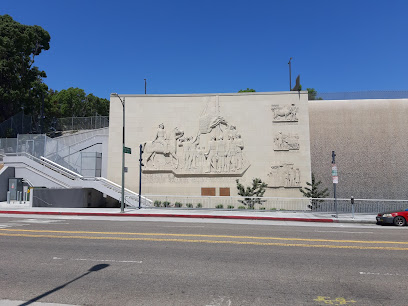
Pico House
1.5 km
Explore the historical charm of Pico House, a stunning landmark in Downtown Los Angeles showcasing the city's rich cultural heritage and architectural beauty.
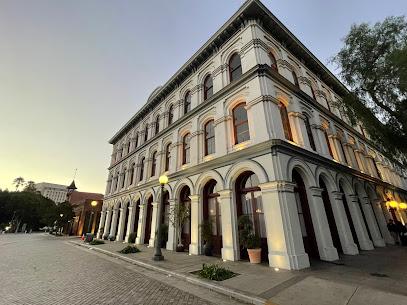
Merced Theater
1.5 km
Discover the Merced Theater, a historic landmark in Downtown Los Angeles that showcases the city's rich cinematic history and architectural beauty.
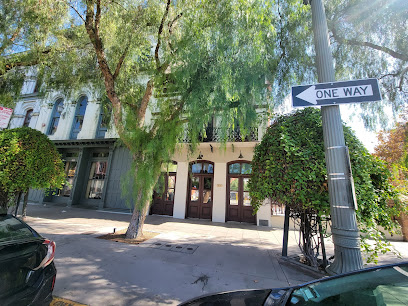
Bill Keene Memorial Interchange
1.7 km
Discover the Bill Keene Memorial Interchange, a historic engineering marvel in Downtown Los Angeles, showcasing the city's intricate freeway systems and urban evolution.

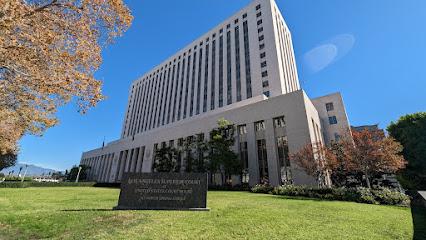
Spring Street Courthouse - Los Angeles Superior Court
1.7 km
Discover the architectural beauty and historical significance of the Spring Street Courthouse in downtown Los Angeles, a must-see landmark.
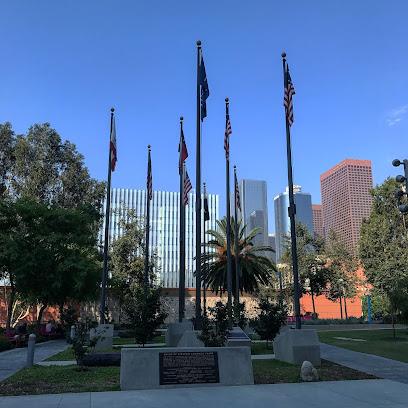
Vietnam Memorial
1.9 km
Discover the Vietnam Memorial, a poignant historical landmark in Little Tokyo, Los Angeles, honoring the sacrifices of Vietnam War veterans.
Unmissable attractions to see

Chinese Historical Society
0.4 km
Discover the Chinese Historical Society in Los Angeles, a cultural landmark celebrating the contributions and history of Chinese Americans.
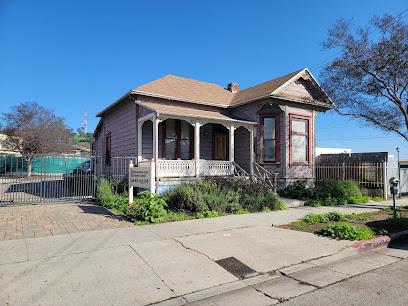
Chinatown Central Plaza
0.6 km
Explore the cultural richness and vibrant atmosphere of Chinatown Central Plaza, a premier shopping and dining destination in Los Angeles.
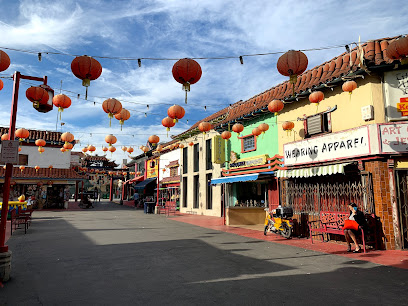
Chinatown
0.8 km
Discover the vibrant culture and culinary delights of Chinatown in Los Angeles, where tradition meets modernity in a bustling urban oasis.
San Antonio Winery
0.9 km
Discover the charm of San Antonio Winery in Los Angeles - a historic winery offering exquisite wines, delicious Italian cuisine, and captivating tours.
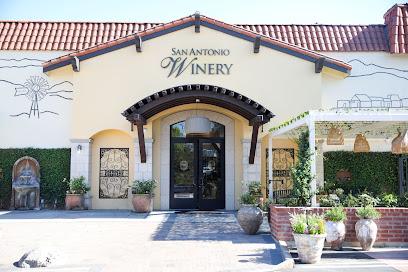
Thien Hau Temple
1.0 km
Explore the spiritual oasis of Thien Hau Temple in Los Angeles' Chinatown, an architectural marvel dedicated to the Taoist goddess of the sea.
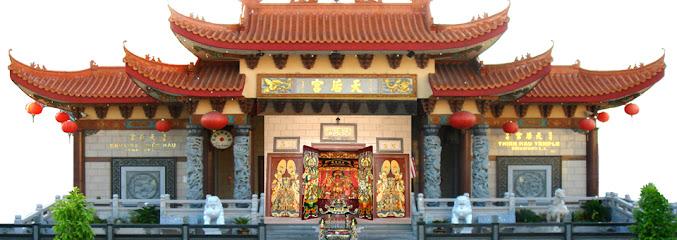
Velveteria: The Museum of Velvet Art
1.1 km
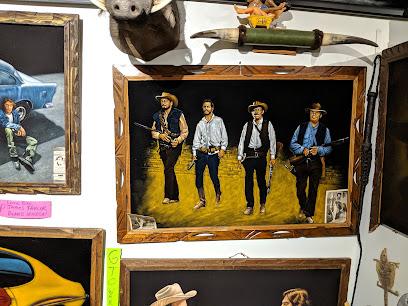
Explore the fascinating world of velvet art at Velveteria in Los Angeles, a unique museum that showcases vibrant and eclectic velvet paintings.
Olvera St
1.3 km
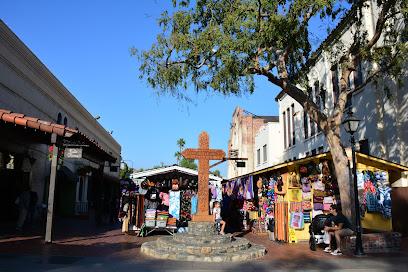
Experience the colors, flavors, and history of Olvera Street, the vibrant heart of Los Angeles' Mexican heritage.
Avila Adobe
1.3 km
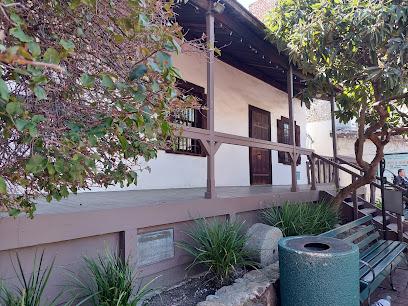
Discover the historic Avila Adobe in Los Angeles, the city's oldest house, and immerse yourself in the rich cultural heritage of California.
Scavenger Hunt Walking Tours - Los Angeles Union Station
1.4 km
Embark on a unique adventure at Union Station with Scavenger Hunt Walking Tours, exploring history, culture, and stunning architecture in Los Angeles.
Our Lady Queen of Angels Catholic Church
1.4 km
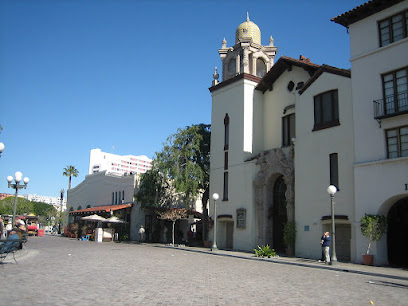
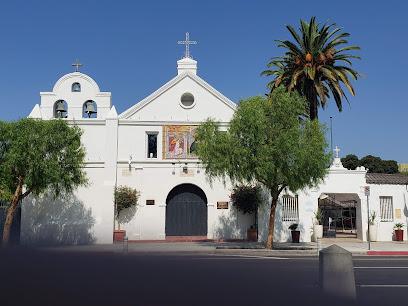
Explore the historic Our Lady Queen of Angels Catholic Church in Downtown Los Angeles, a tranquil haven of faith and culture amidst the urban bustle.
Elysian Park
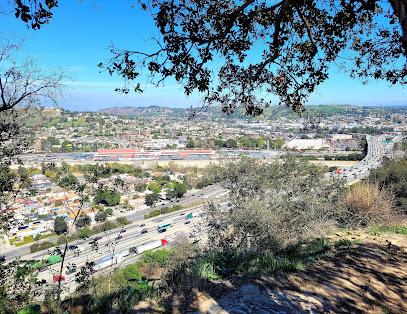
1.5 km
Explore the serene Elysian Park in Los Angeles, a vast urban oasis with stunning views, hiking trails, picnic areas, and rich history.
Essential places to dine

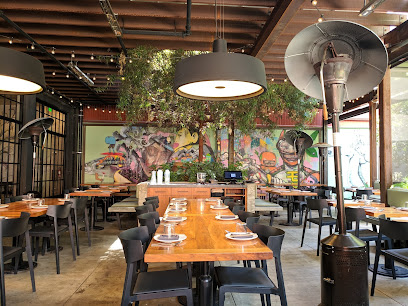
Majordomo
0.5 km
Experience innovative Asian fusion cuisine at Majordomo, where every dish tells a story in the heart of Los Angeles' Chinatown.
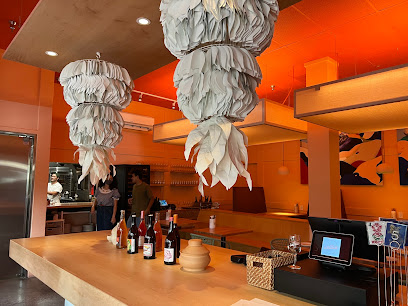
Lasita Rotisserie & Natural Wine
1.0 km
Experience authentic Filipino flavors at Lasita Rotisserie & Natural Wine in Los Angeles' vibrant Chinatown – where tradition meets modernity.
Abernethy's
1.9 km
Experience exquisite fine dining at Abernethy’s in Little Tokyo, where culinary artistry meets cultural richness.
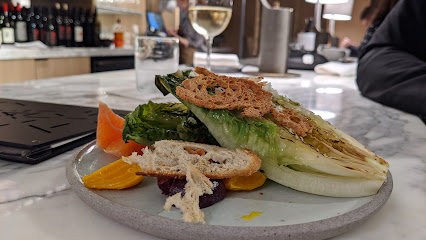
Kendall's Brasserie
2.0 km
Experience exquisite modern French cuisine at Kendall's Brasserie in Los Angeles' vibrant Music Center—where elegance meets flavor.
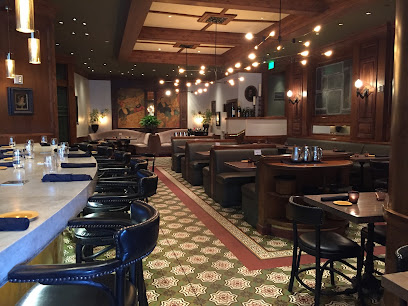
San Laurel
2.1 km
Discover authentic Spanish flavors at San Laurel in Downtown Los Angeles—where tradition meets modern culinary artistry.
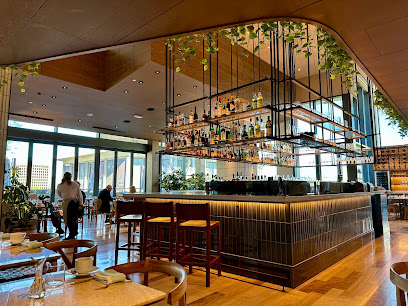
BADMAASH Downtown LA
2.3 km
Experience the vibrant fusion of Indian cuisine and American flavors at Badmaash Downtown LA – where tradition meets innovation.
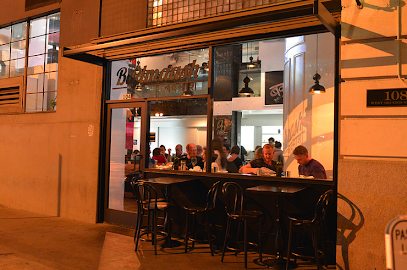
Redbird
2.3 km
Discover Redbird: An exceptional New American dining experience in Downtown LA featuring seasonal flavors and an inviting atmosphere.
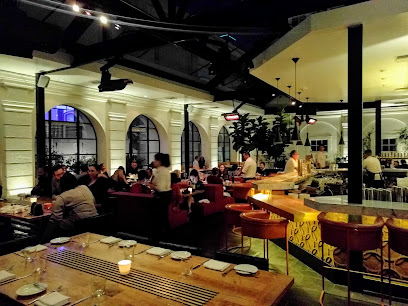
Spitz - Little Tokyo Restaurant & Bar - Mediterranean Food and More
2.3 km
Experience Mediterranean flavors at Spitz in Little Tokyo - a vibrant restaurant offering delicious falafel, gyros & more!
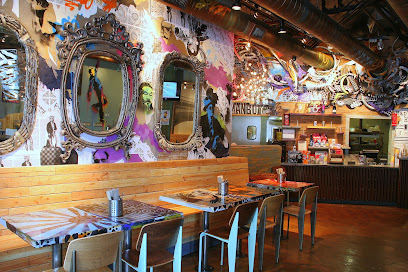
Peking Tavern
2.4 km
Savor authentic Chinese cuisine at Peking Tavern in Little Tokyo - where every dish is crafted with passion and tradition.
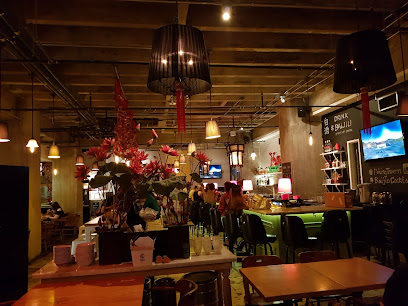
Otium
2.4 km
Discover Otium in Downtown LA - where contemporary American cuisine meets artistic elegance for an unforgettable fine dining experience.
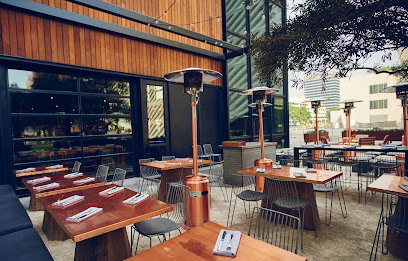
Vespaio
2.4 km
Experience exquisite Italian cuisine at Vespaio in Downtown Los Angeles – where tradition meets modern elegance.
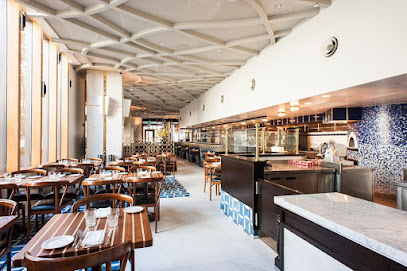
Hearts & Flame
2.4 km
Experience exquisite Italian cuisine at Hearts & Flame in Los Angeles' Arts District - where culinary artistry meets vibrant culture.
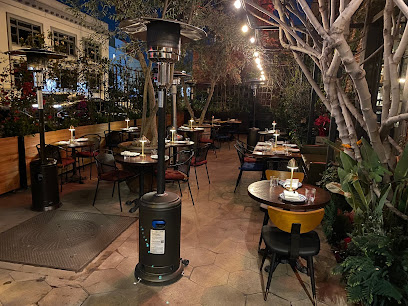
Noe Restaurant & Bar
2.4 km
Experience exquisite grilled flavors and fresh seafood at Noe Restaurant & Bar in Downtown LA, where elegance meets culinary excellence.
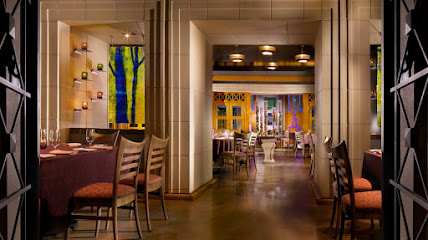
Eat Drink Americano
2.5 km
Discover Eat Drink Americano: A vibrant gastropub in Los Angeles' Arts District serving inventive New American cuisine and craft cocktails.
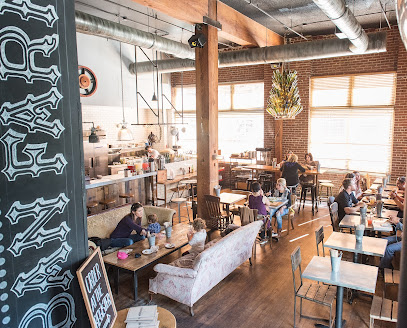
The Mermaid
2.5 km
Experience exquisite cocktails and delightful cuisine at The Mermaid in Little Tokyo - where every sip and bite tells a story.
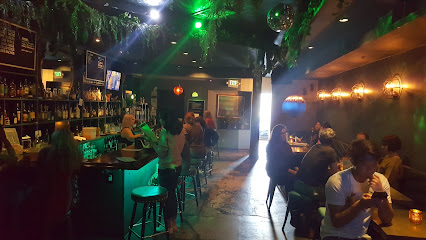
Markets, malls and hidden boutiques

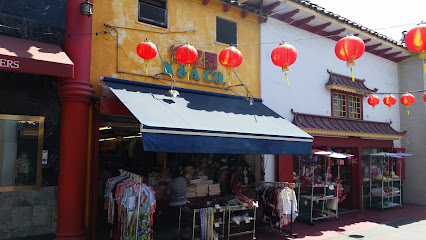
K & A Co.
0.6 km
Explore K & A Co. in Old Chinatown, Los Angeles for unique handcrafted gifts and souvenirs that reflect the city's vibrant cultural heritage.
Wishing Glory Gift Shop
0.6 km
Explore Wishing Glory Gift Shop in Old Chinatown, where unique gifts and cultural treasures await every visitor.
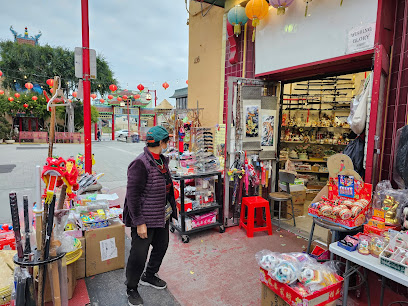
A & K Gift & Fashion
1.0 km
Explore the cultural charm of Chinatown at A & K Gift & Fashion, where unique gifts and local artistry collide in a vibrant shopping experience.
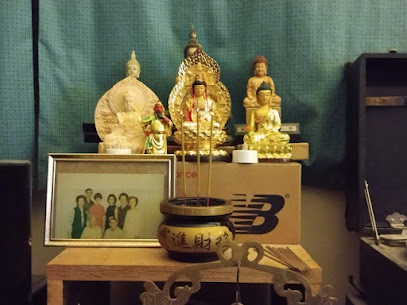
East West Shop
1.1 km
Explore the charm of vintage fashion at East West Shop in Chinatown, Los Angeles, where each piece tells a story and sustainability meets style.
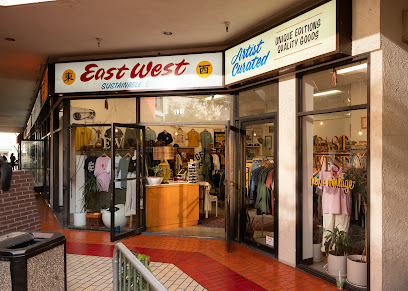
Sunset Shop
1.8 km
Explore Sunset Shop, a vintage clothing store in Echo Park, Los Angeles, where timeless fashion meets community spirit and creativity.
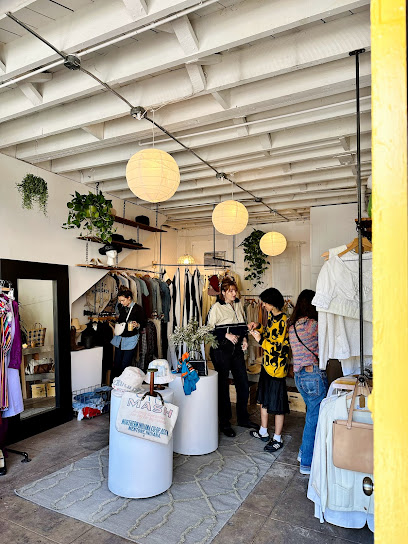
Space City Vintage
2.2 km
Uncover vintage gems and eclectic finds at Space City Vintage in the heart of Little Tokyo, Los Angeles.
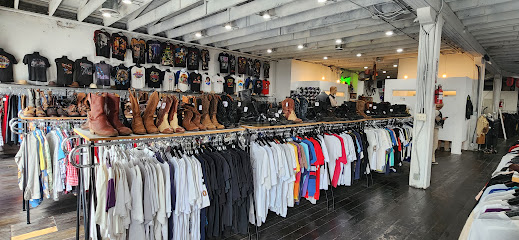
Bunkado
2.2 km
Discover unique gifts and traditional Japanese crafts at Bunkado in the heart of Little Tokyo, a perfect stop for every traveler seeking a cultural experience.
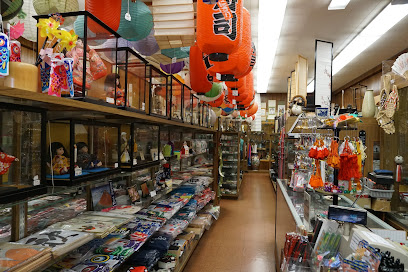
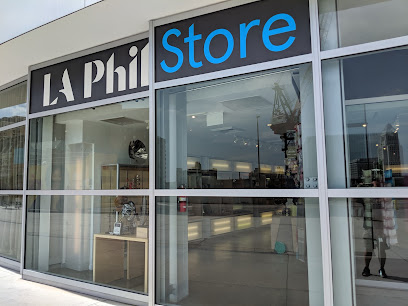
LA Phil Store
2.2 km
Explore the LA Phil Store in Downtown Los Angeles for unique music-inspired gifts and art that celebrate the city's vibrant cultural heritage.
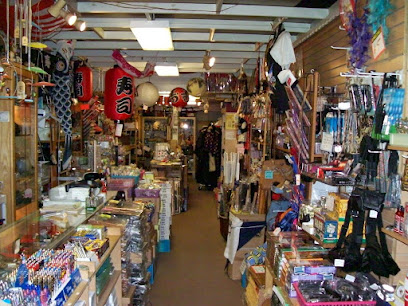
Ginza-USA Gifts & Music
2.2 km
Explore a unique blend of Japanese collectibles, musical instruments, and vintage records at Ginza-USA Gifts & Music in Little Tokyo.
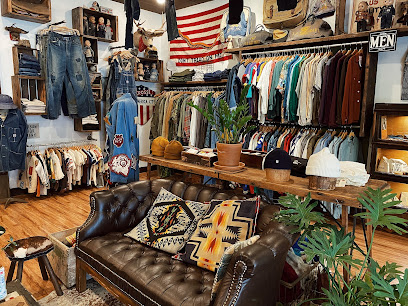
Raggedy Threads
2.4 km
Explore the charm of vintage fashion at Raggedy Threads in Little Tokyo, Los Angeles, where unique treasures await every fashion enthusiast.
The House of Woo
2.4 km
Discover a treasure trove of unique gifts and local creations at The House of Woo in Los Angeles' Arts District.
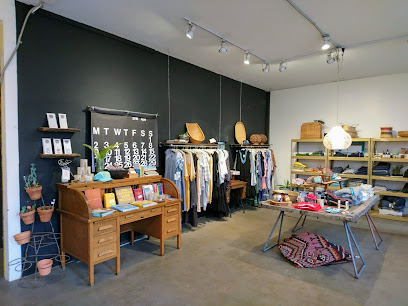
Alchemy Works
2.6 km
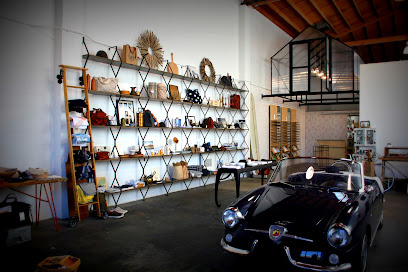
Explore the artsy Alchemy Works boutique in Los Angeles, a treasure trove of unique artisanal products and eclectic home decor.
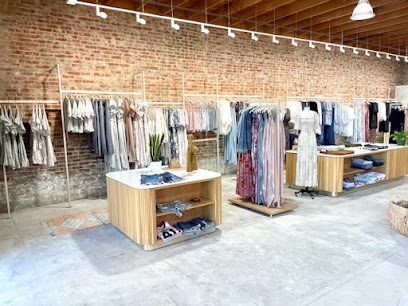
Lovestitch Los Angeles Retail Store
2.7 km
Explore Lovestitch in Los Angeles' Arts District—your destination for unique women's fashion and vibrant style that captures the essence of the city.
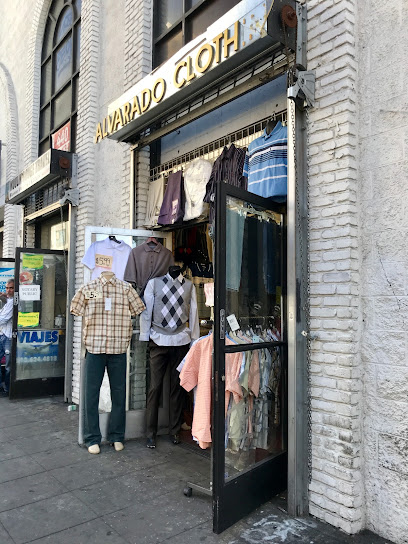
Alvarado Clothing
2.8 km
Discover your unique style at Alvarado Clothing in LA's Historic Core, where fashion meets the vibrant culture of the city.
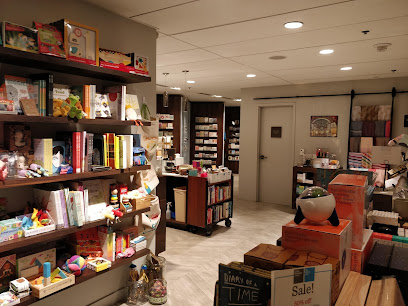
The Library Store
3.0 km
Explore The Library Store in Los Angeles for unique gifts and books that celebrate literature and creativity in a charming atmosphere.
Essential bars & hidden hideouts

Wolf & Crane Bar
2.4 km
Experience the vibrant cocktail culture at Wolf & Crane Bar in Little Tokyo, where traditional Japanese flavors meet modern mixology.
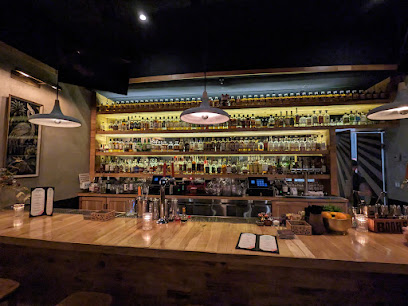
Death & Co Los Angeles
2.5 km
Discover innovative cocktails and a vibrant atmosphere at Death & Co Los Angeles, a must-visit cocktail bar in the Arts District.
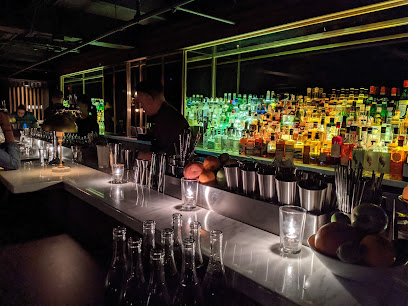
The Slipper Clutch
2.6 km
Experience the vibrant live music scene at The Slipper Clutch, a unique bar in the Historic Core of Los Angeles, perfect for music lovers and night owls.
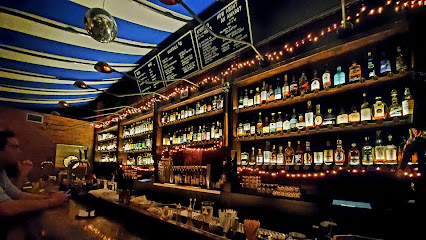
Bar Franca
2.8 km
Discover the vibrant nightlife at Bar Franca in Los Angeles, where expertly crafted cocktails meet an intimate and stylish atmosphere.
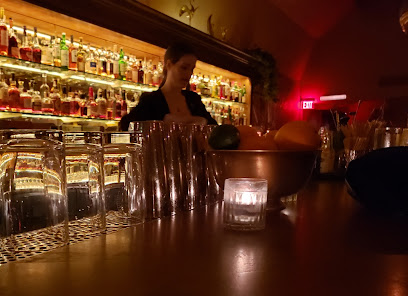
The Love Song Bar
2.8 km
Experience the enchanting vibes of The Love Song Bar in Los Angeles, where creative cocktails and live music intertwine for an unforgettable night.
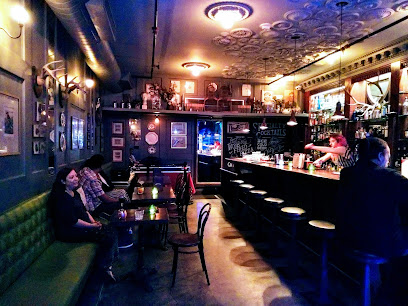
The Varnish
3.1 km
Discover The Varnish, a cocktail bar in Los Angeles blending classic drinks, live music, and a vintage ambiance for an unforgettable night out.
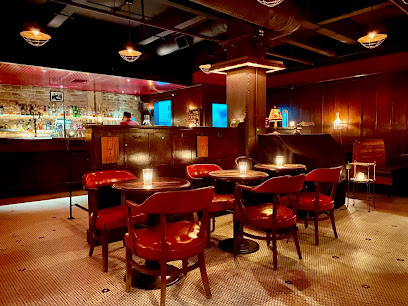
Library Bar
3.1 km
Experience the chic ambiance of Library Bar in Los Angeles, where unique drinks and delightful dining converge in a stylish lounge setting.
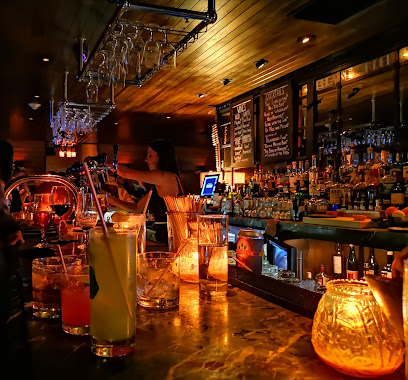
Bar Jackalope
3.2 km
Discover Bar Jackalope: A hidden gem in Los Angeles offering an exquisite selection of whiskey and cocktails in a cozy, upscale atmosphere.
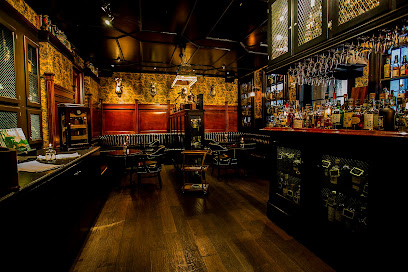
Seven Grand
3.2 km
Discover the vibrant nightlife of Los Angeles at Seven Grand, a premier bar with an extensive whiskey selection and live music events.
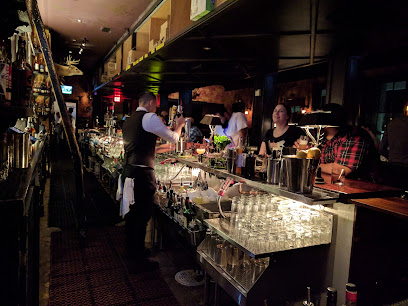
Broken Shaker at Freehand Los Angeles
3.5 km
Discover Broken Shaker in Los Angeles, a rooftop cocktail bar offering creative drinks, stunning skyline views, and a vibrant social atmosphere.
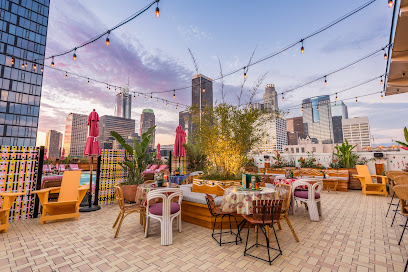
Crane's Bar Downtown
3.5 km
Discover Crane's Bar Downtown, where vibrant sports culture meets a casual dive bar experience in the heart of Los Angeles.
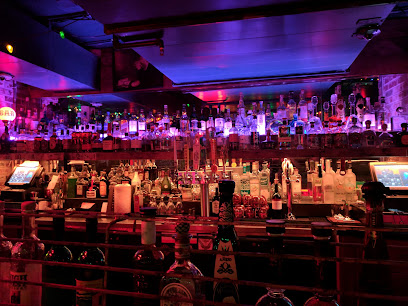
Good Clean Fun
3.6 km
Discover the vibrant wine culture of Los Angeles at Good Clean Fun, where every sip tells a story and every visit feels like home.
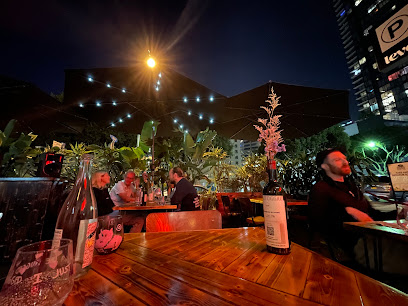
Pattern Bar
3.7 km
Discover the eclectic atmosphere of Pattern Bar, a unique cocktail bar and breakfast spot in Los Angeles' Historic Core.
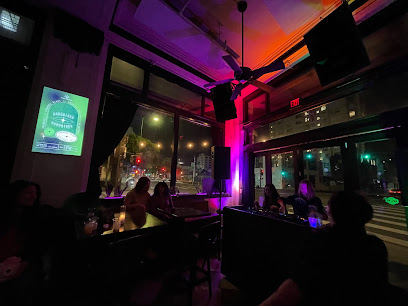
Everson Royce Bar
3.8 km
Experience the vibrant nightlife at Everson Royce Bar in Los Angeles' Fashion District, where creative cocktails meet an electric atmosphere.
Lock & Key
5.5 km
Discover Lock & Key in Koreatown, a lively cocktail bar and gastropub offering a unique speakeasy experience with live music and delicious cuisine.
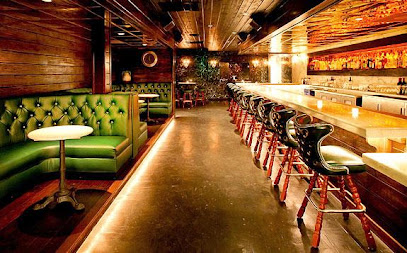
Nightclubs & after hour spots

Club Bahia
1.7 km
Discover Club Bahia: A lively night club in Echo Park, Los Angeles, where music and dance create unforgettable nights.
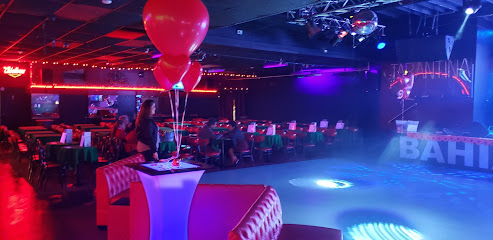
La Cita Bar
2.5 km
Discover the pulse of Los Angeles nightlife at La Cita Bar, where dance, drinks, and fun come together in a vibrant atmosphere.
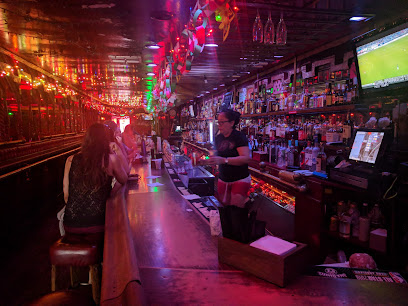
The Continental Club
2.7 km
Experience the vibrant nightlife of The Continental Club in Los Angeles - where cocktails, music, and dancing come together for an unforgettable night out.
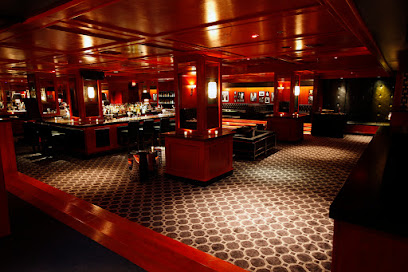
Crocker Club
2.8 km
Experience the vibrant nightlife of Los Angeles at Crocker Club, where exquisite cocktails and a chic atmosphere come together in the Historic Core.
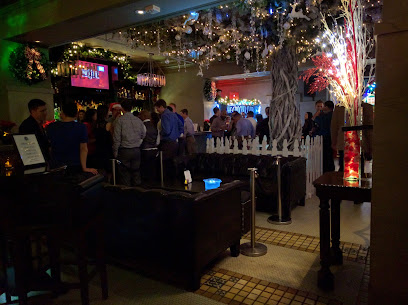
Exchange LA
3.1 km
Dive into the dynamic nightlife at Exchange LA, where electrifying music and stunning visuals create an unforgettable clubbing experience in the heart of Los Angeles.
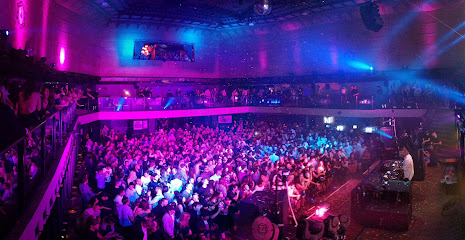
Elevate Lounge
3.2 km
Experience the vibrant nightlife of Los Angeles at Elevate Lounge, where stunning views and expertly crafted cocktails come together for an unforgettable evening.
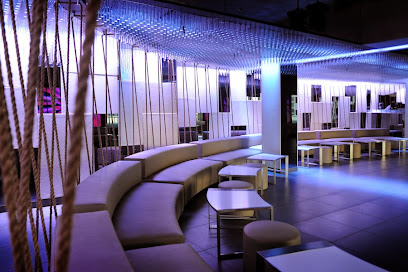
The Reserve
3.2 km
Experience the vibrant nightlife of Los Angeles at The Reserve, a premier nightclub offering live music and an unforgettable atmosphere.
The Catwalk Club
3.2 km
Experience the vibrant nightlife at The Catwalk Club, an exciting event venue in Los Angeles blending bar culture with unforgettable entertainment.
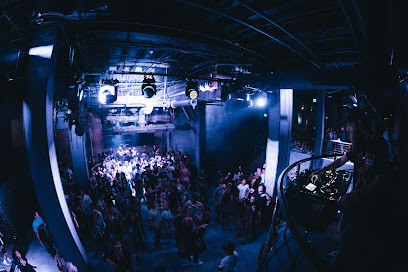
Los Angeles Club Crawl
3.5 km
Experience the vibrant nightlife of Los Angeles with the ultimate Club Crawl adventure, featuring exclusive access to the hottest nightclubs and bars.
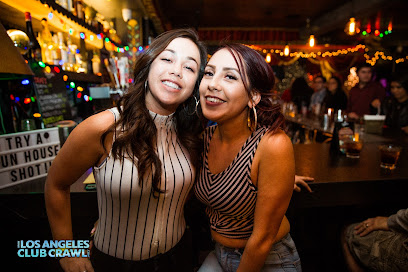
Los Candiles Night Club
3.9 km
Discover the electrifying nightlife at Los Candiles Night Club in Los Angeles, where vibrant music and dancing create unforgettable moments.
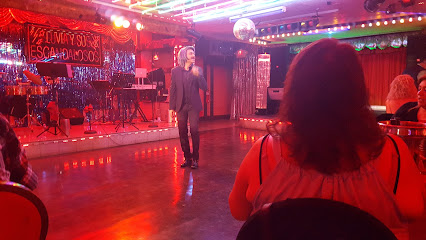
LA Grand Club Inc
4.0 km
Discover the electrifying nightlife of LA at LA Grand Club Inc, the ultimate destination for music and dancing in South Park.
Panamerican Night Club (Oficial)
4.0 km
Experience the vibrant nightlife of Panamerican Night Club in Historic Filipinotown, Los Angeles, where music, food, and fun collide.
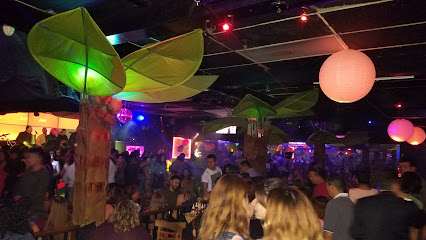
The Conga Room
4.1 km
Immerse yourself in the electric atmosphere of The Conga Room, a premier night club featuring live music, dance, and unforgettable nights in Los Angeles.
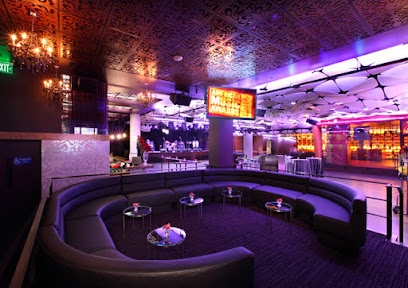
Club Tempo
7.6 km
Unleash your spirit at Club Tempo, the ultimate gay nightclub in Hollywood, where unforgettable nights and vibrant cocktails await.
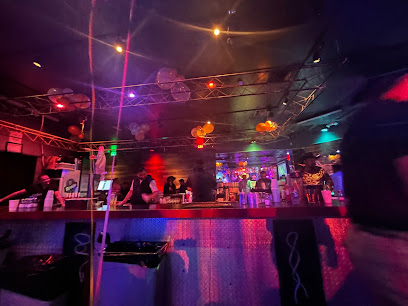
El Capiro Bar Club
7.9 km
Discover the lively charm of El Capiro Bar Club in East Los Angeles, where great drinks and a friendly atmosphere await every night.