A Powerful Lesson in Tolerance
Explore the Museum of Tolerance in Los Angeles: Confronting bigotry, promoting human rights, and inspiring action for a more inclusive world through immersive exhibits and educational programs.
The Museum of Tolerance in Los Angeles, established in 1993 by the Simon Wiesenthal Center, is a powerful institution dedicated to confronting bigotry and prejudice. Through interactive exhibits, personal testimonies, and historical artifacts, the museum challenges visitors to understand the Holocaust in both historical and contemporary contexts, and to take responsibility for positive change. Located on Pico Boulevard, the MOT serves as a vital educational resource, welcoming hundreds of thousands of visitors each year, including many students. Its mission is to promote understanding, respect, and human dignity, making it a must-see destination for those seeking to learn about the past and build a more tolerant future. The museum's focus extends beyond the Holocaust to address contemporary issues of prejudice, discrimination, and human rights, encouraging visitors to reflect on their own biases and to become agents of change in their communities.
A brief summary to Museum of Tolerance
- 9786 W Pico Blvd, Los Angeles, Pico-Robertson, California, 90035, US
- +1310-772-2505
- Visit website
- Monday 10 am-3:30 pm
- Tuesday 10 am-3:30 pm
- Wednesday 10 am-3:30 pm
- Thursday 10 am-3:30 pm
- Sunday 10 am-5 pm
Local tips
- Allow ample time, at least 3-4 hours, to fully experience the museum's exhibits, especially the Holocaust Section and Tolerancenter.
- Check the museum's website for special events, temporary exhibitions, and film screenings that may enhance your visit.
- Consider visiting on a weekday to avoid larger crowds, particularly school groups.
- Engage with the interactive exhibits and don't hesitate to ask questions of the museum staff; they are knowledgeable and eager to share information.
- Be prepared for a deeply emotional experience, especially in the Holocaust Section. Allow time for reflection after your visit.

Getting There
-
Public Transport
From central Los Angeles, take the Metro Expo Line to the Wilshire/Western Station. Transfer to the Metro Local Line 14 or 37 bus heading west on Wilshire Boulevard. Exit at the Beverwil Drive and Pico Boulevard stop. Walk two blocks west on Pico Boulevard to reach the museum. The total cost for the bus and metro is $1.75. Alternatively, from Santa Monica, ride the Big Blue Bus Route 7 along Pico Boulevard to the corner of Pico and Roxbury Drive.
-
Driving
From the San Diego Freeway (405), exit at Pico Boulevard/Olympic Boulevard. Head east on Pico Boulevard. The museum will be on your right. Free underground parking is available at the museum complex. Enter from Pico Boulevard. Be aware of parking restrictions on nearby residential streets; ticketing and towing are enforced.
-
Taxi/Ride-Share
A taxi or ride-share from Beverly Hills to the Museum of Tolerance is approximately a 10-15 minute ride, costing around $15-$25, depending on traffic. From Downtown Los Angeles, expect a 20-30 minute ride costing approximately $30-$45.
Discover more about Museum of Tolerance
Iconic landmarks you can’t miss

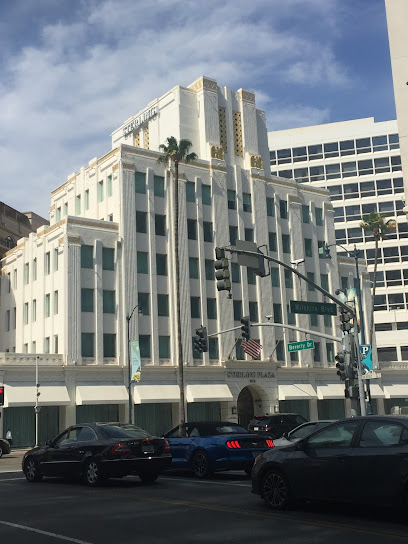
Sterling Plaza
1.5 km
Experience the elegance of Sterling Plaza, a stunning historical landmark in the heart of Beverly Hills, where history meets architectural beauty.
Beverly Hills Memorial
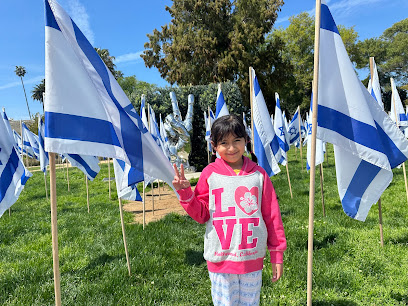
2.1 km
Discover the rich history of Beverly Hills at the iconic Beverly Hills Memorial, a serene landmark honoring the community's cultural legacy.
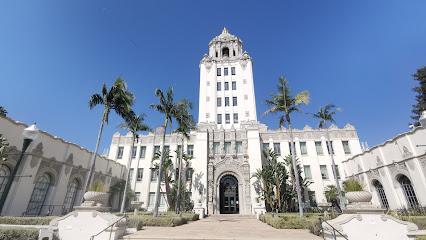
Beverly Hills City Hall
2.2 km
Experience the charm and elegance of Beverly Hills City Hall, a stunning example of Mediterranean Revival architecture in the heart of the city.
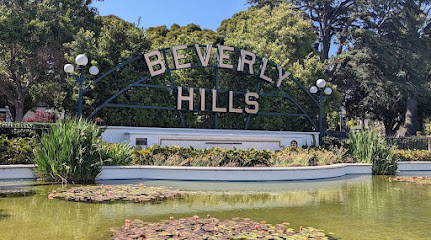
Beverly Hills Sign
2.9 km
Discover the iconic Beverly Hills Sign, an emblem of luxury and glamour in Los Angeles, perfect for a memorable photo op in a stunning park setting.
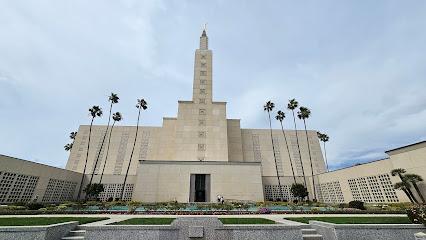
Los Angeles California Temple
3.0 km
Experience the serene beauty and spiritual tranquility of the Los Angeles California Temple, an architectural gem in the heart of California.
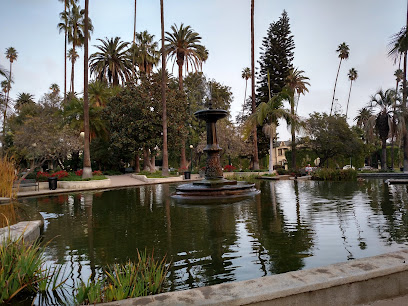
Will Rogers Memorial Park
3.1 km
Discover the tranquility of Will Rogers Memorial Park in Beverly Hills, a beautiful tribute to the iconic humorist surrounded by lush gardens and serene landscapes.
Historical MARILYN MONROE Apartment
3.9 km
Discover the iconic Historical Marilyn Monroe Apartment in West Hollywood, a tribute to the glamorous life of Hollywood's legendary star.
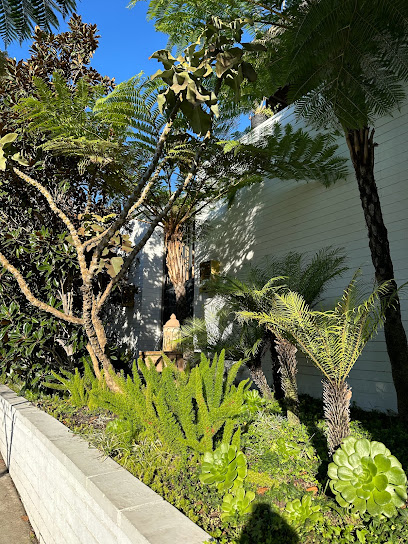
Beverly Estate
4.1 km
Explore the exquisite Beverly Estate, a historical landmark in Beverly Hills, showcasing stunning architecture and rich heritage for an unforgettable experience.
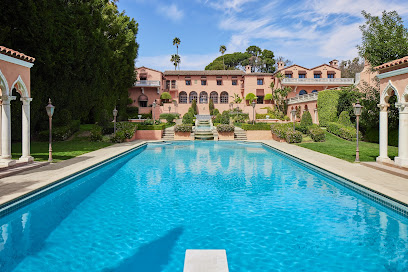
Sierra Towers
4.2 km
Experience the luxury and celebrity allure of Sierra Towers, a stunning condominium complex on the iconic Sunset Strip in West Hollywood.
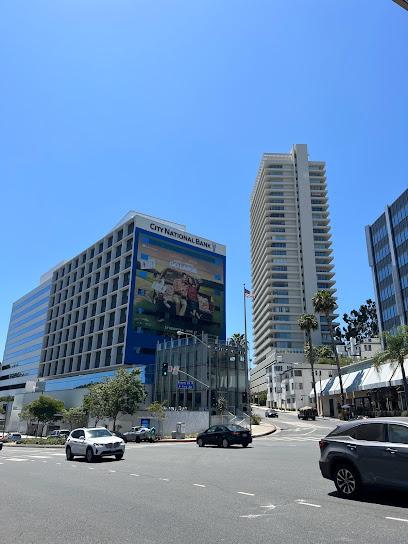
Greystone Mansion & Gardens: The Doheny Estate
4.3 km
Discover the enchanting Greystone Mansion & Gardens in Beverly Hills, where history, beauty, and elegance come together in a stunning estate.
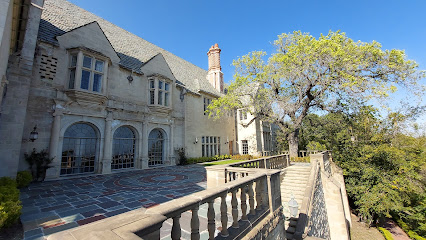
Old West Hollywood Sign Location
4.5 km
Discover the charm of the Old West Hollywood Sign, a historical landmark that captures the essence of Hollywood's glamorous past amidst the vibrant West Hollywood scene.
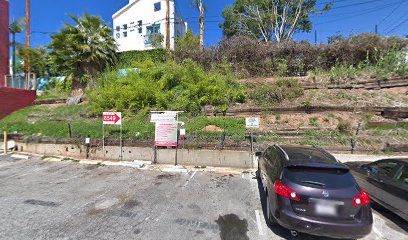
MAK Center for Art and Architecture at the Schindler House
4.5 km
Explore the MAK Center for Art and Architecture, a masterpiece of modern design in West Hollywood, showcasing innovative art and history.
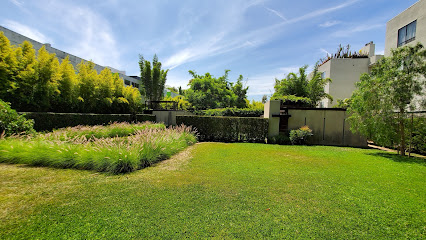
Sunset Spectacular
4.6 km
Explore contemporary art at Sunset Spectacular in West Hollywood's iconic Sunset Strip, where creativity meets culture in a stunning gallery setting.
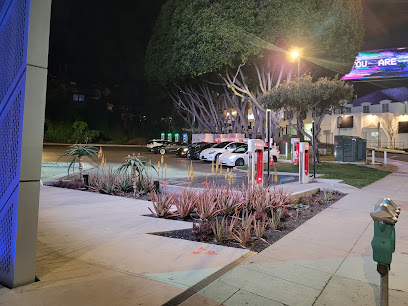
Pasadena Walking Tours
4.9 km
Discover the rich history and vibrant culture of Pasadena through guided walking tours that illuminate the city's architectural gems and hidden stories.
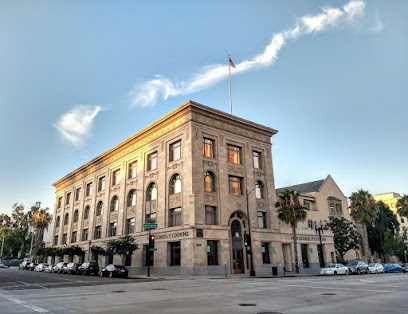
historic preservation in west hollywood
5.0 km
Explore the vibrant history and culture of West Hollywood through its dedicated historic preservation efforts, blending past charm with modern allure.
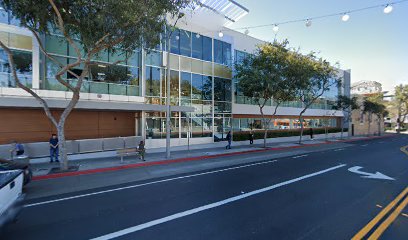
Unmissable attractions to see

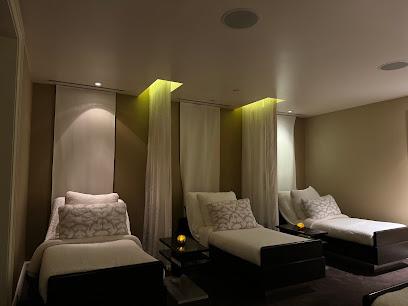
The Spa at Beverly Wilshire, A Four Seasons Hotel
1.5 km
Experience unparalleled relaxation and rejuvenation at The Spa at Beverly Wilshire, where luxurious treatments meet serene ambiance in Beverly Hills.
The Golden Triangle
1.5 km
Explore The Golden Triangle, Beverly Hills' luxurious shopping and dining district, where glamour meets culture in the heart of California.
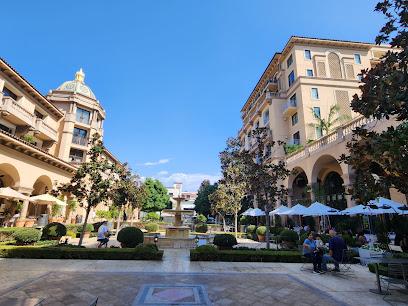
Beverly Cañon Gardens
1.6 km
Discover the tranquil beauty of Beverly Cañon Gardens, a serene escape in the heart of Beverly Hills, perfect for relaxation and exploration.
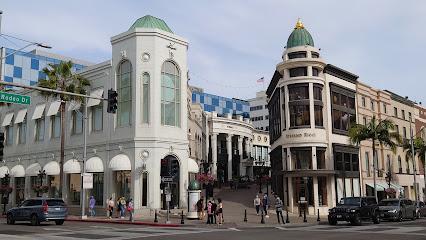
Rodeo Drive Walk Of Style
1.6 km
Discover Rodeo Drive, where luxury shopping meets glamorous lifestyle in the heart of Beverly Hills, California.
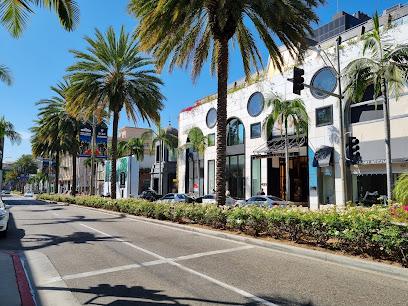
Anderton Court Shops - Frank Lloyd Wright
1.7 km
Discover the architectural brilliance of Frank Lloyd Wright at Anderton Court Shops in Beverly Hills, a unique blend of shopping and historical charm.
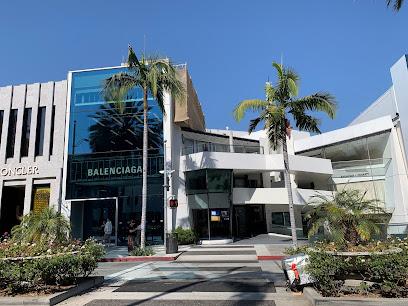
Church of the Good Shepherd
1.9 km
Discover the tranquility of the Church of the Good Shepherd in Beverly Hills, a stunning Catholic church blending rich history and serene beauty.
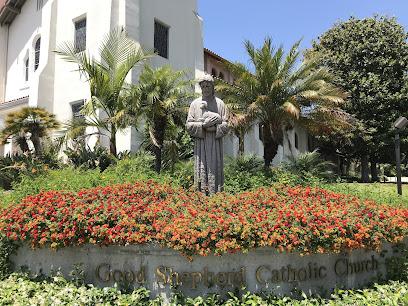
Spadena House
1.9 km
Discover the whimsical Spadena House in Beverly Hills, a historical landmark that enchants visitors with its fairytale architecture and rich artistic heritage.
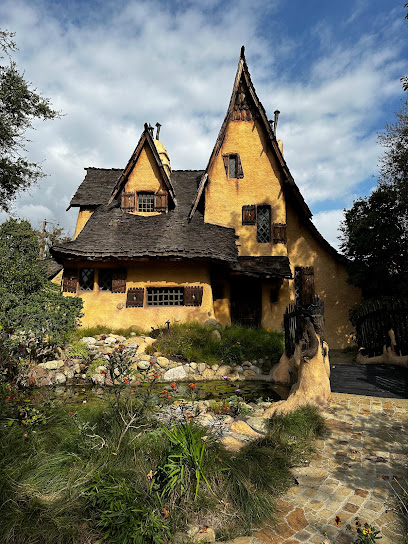
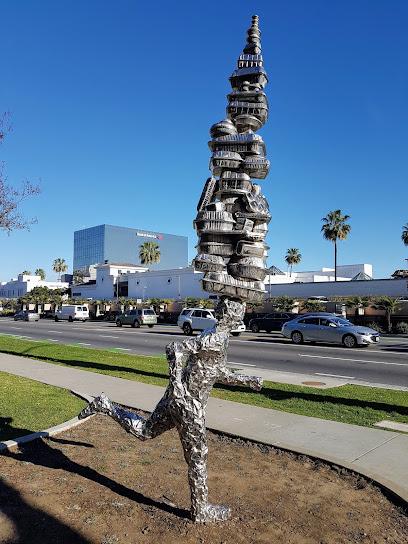
Public Art "Takeaway"
2.0 km
Discover the enchanting Public Art Takeaway in Beverly Hills—a cultural landmark celebrating contemporary creativity and artistic expression.
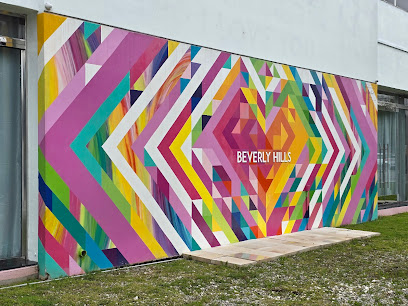
Love is Love Mural
2.1 km
Discover the Love is Love Mural in Beverly Hills, a vibrant celebration of love and inclusivity that captures the essence of acceptance.
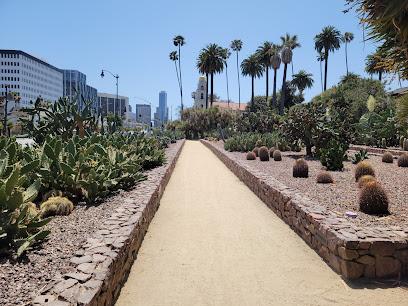
Beverly Gardens Park
2.1 km
Discover the tranquility and beauty of Beverly Gardens Park, a lush oasis in Beverly Hills with stunning gardens and iconic landscapes.
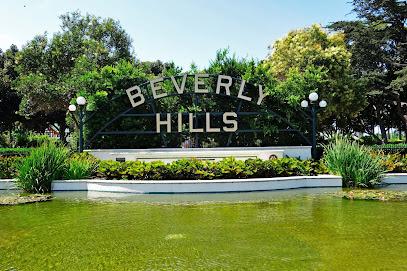
Beverly Hills Sign, Beverly Hills, California
2.1 km
Experience the luxury and glamour of Beverly Hills at the iconic Beverly Hills Sign, a must-visit attraction for every traveler.
Essential places to dine

Maude
1.2 km
Experience the art of fine dining at Maude in Beverly Hills—where seasonal ingredients inspire exquisite culinary creations.
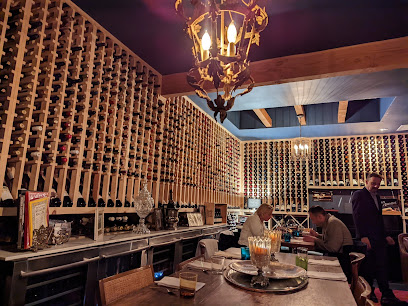
The Grill on the Alley
1.5 km
Experience fine dining at The Grill on the Alley in Beverly Hills - where exquisite cuisine meets elegant ambiance.
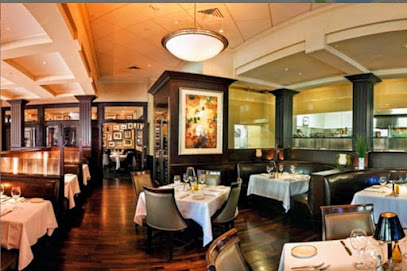
Avra Beverly Hills
1.6 km
Experience luxury dining with fresh seafood delicacies at Avra Beverly Hills - where every meal is an unforgettable occasion.
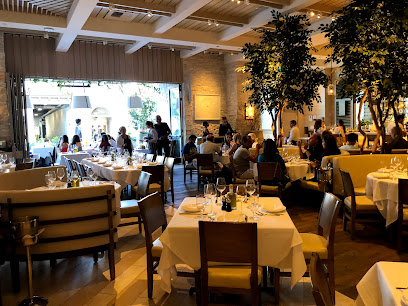
A Food Affair
1.6 km
Experience the exquisite fusion of French elegance and New American innovation at A Food Affair in Los Angeles' Pico-Robertson neighborhood.
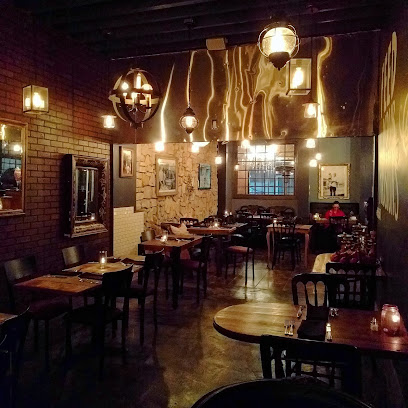
Via Alloro
1.7 km
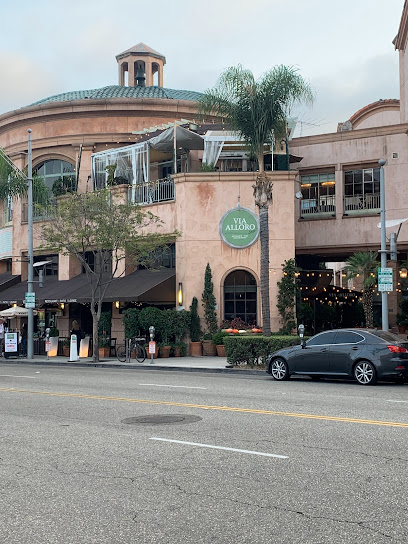
Experience authentic Italian flavors in a luxurious setting at Via Alloro in Beverly Hills - where culinary excellence meets elegance.
Crustacean Restaurant Beverly Hills, CA - Brunch, Lunch & Fine Dining
1.8 km
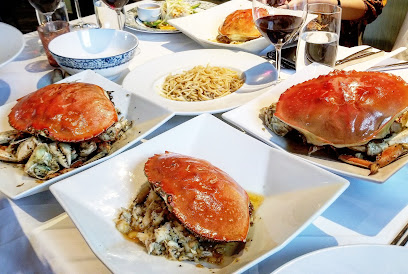
Discover the exquisite flavors of Asian fusion at Crustacean Restaurant in Beverly Hills – where fine dining meets vibrant culinary artistry.
La Scala
2.0 km
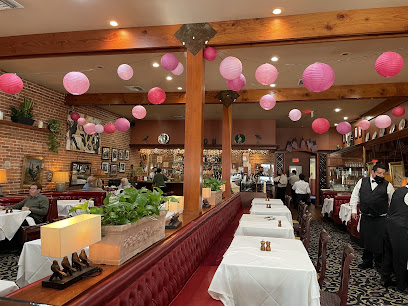
Experience authentic Italian cuisine at La Scala in Beverly Hills—where culinary tradition meets elegant dining.
L’ Restaurant
2.2 km
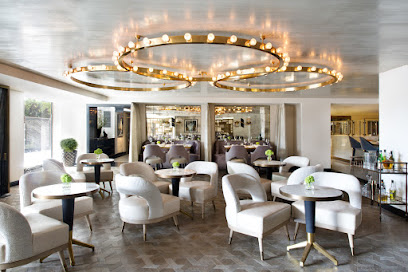
Discover L' Restaurant in Beverly Hills – where contemporary American cuisine meets elegance and sophistication for an unforgettable dining experience.
Prospect Gourmand
2.2 km
Discover gourmet organic Californian cuisine at Prospect Gourmand in Beverly Hills – where every meal is an exquisite experience.
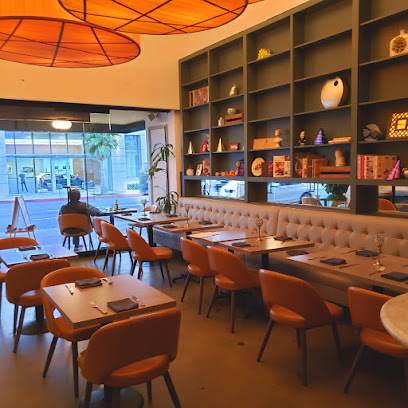
Tagine
2.3 km
Experience authentic Moroccan cuisine in Beverly Hills at Tagine, where exquisite flavors meet fine dining elegance.
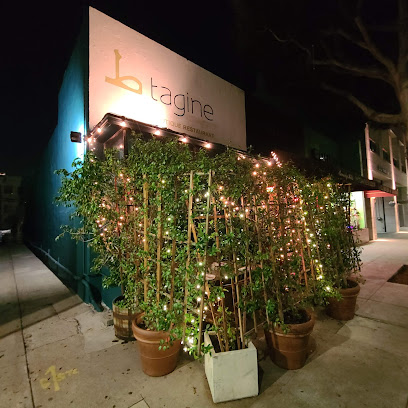
Il Cielo
2.4 km
Discover Il Cielo in Beverly Hills - where exquisite Italian cuisine meets enchanting ambiance for an unforgettable dining experience.
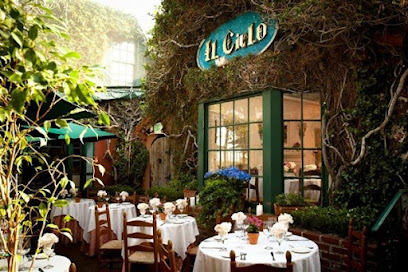
Cecconi's West Hollywood
3.4 km
Experience authentic Italian cuisine at Cecconi's West Hollywood, where elegance meets culinary excellence in a vibrant atmosphere.
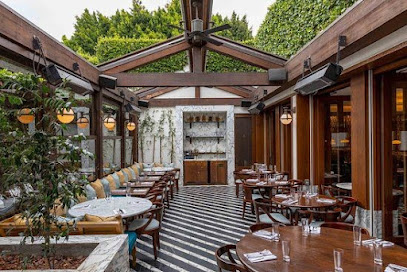
Son of a Gun
3.4 km
Discover the exquisite flavors of coastal cuisine at Son of a Gun in Beverly Grove, where innovative seafood dishes meet vibrant atmosphere.
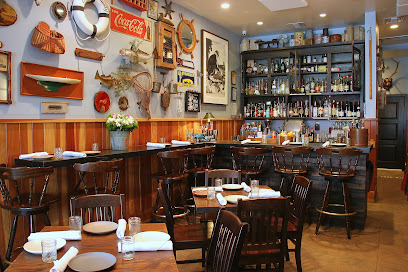
The Little Door
3.8 km
Experience exquisite modern European cuisine at The Little Door in Beverly Grove – where Mediterranean flair meets French elegance.
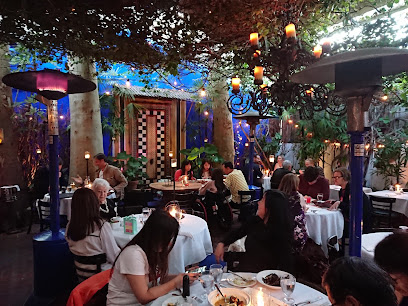
BOA Steakhouse
4.1 km
Experience unparalleled steak perfection at BOA Steakhouse on Sunset Strip - where every bite is a celebration of taste.
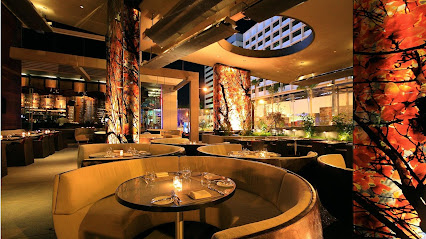
Markets, malls and hidden boutiques

Epiphany Boutique LLC
1.2 km
Discover unique gifts and stylish women's clothing at Epiphany Boutique in Beverly Hills, where fashion meets charm.
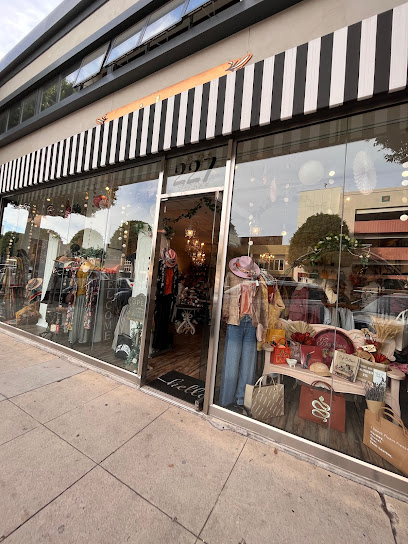
Two Rodeo
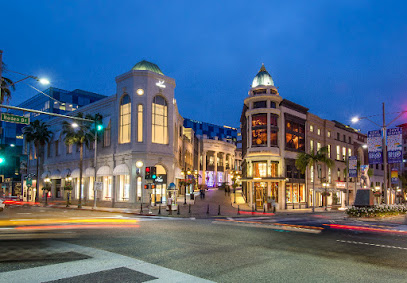
1.6 km
Discover the epitome of luxury shopping and dining at Two Rodeo in Beverly Hills, where elegance meets unforgettable experiences.
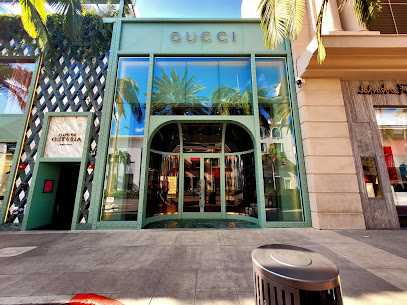
Gucci
1.7 km
Discover unparalleled luxury at Gucci in Beverly Hills, where fashion meets artistry in a stunning boutique setting.
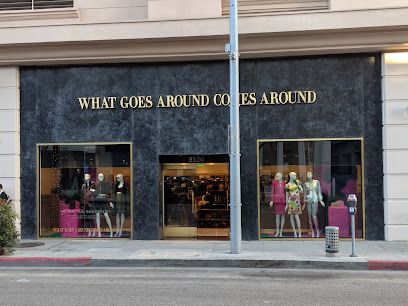
What Goes Around Comes Around
1.7 km
Explore luxury vintage fashion at What Goes Around Comes Around in Beverly Hills – the ultimate destination for unique clothing and accessories.
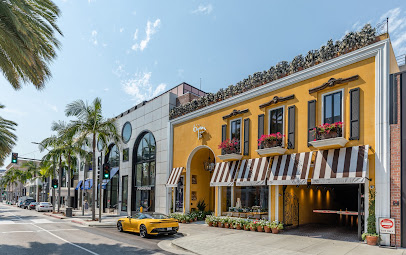
The Rodeo Collection
1.8 km
Explore luxury shopping, fine dining, and exclusive experiences at The Rodeo Collection in Beverly Hills, the epitome of elegance and style.
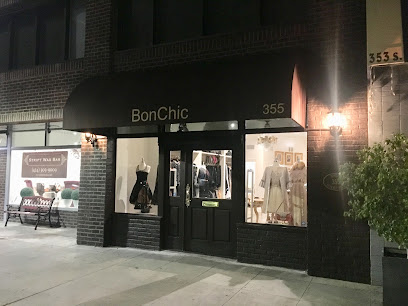
Bonchic Contemporary Vintage Designer & Couture
1.8 km
Explore Bonchic Contemporary Vintage Designer & Couture in Beverly Hills for unique vintage fashion that combines timeless elegance with modern design.
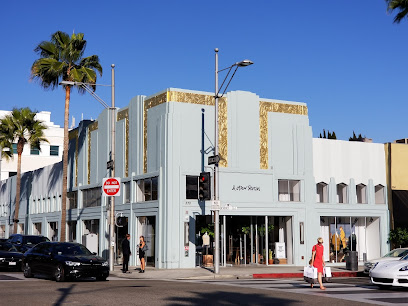
& Other Stories
1.8 km
Discover stylish women's fashion and accessories at & Other Stories in Beverly Hills, a must-visit for fashion enthusiasts.
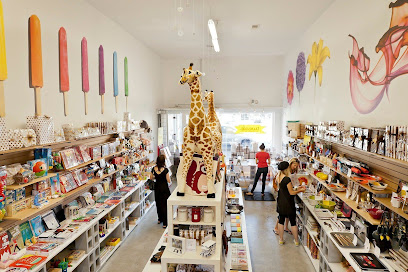
Tesoro - Best Gift Store Ever
1.9 km
Explore Tesoro, the Best Gift Store Ever, in Beverly Hills for unique gifts and stylish home decor that reflect California's vibrant culture.
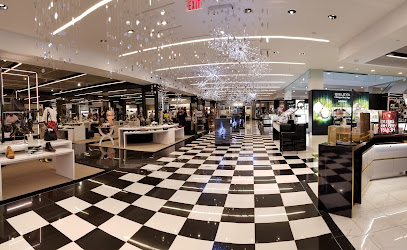
Bloomingdale's
3.2 km
Discover luxury shopping at Bloomingdale's in Beverly Grove, where fashion meets elegance in an exquisite department store experience.
Beverly Connection
3.3 km
Explore the ultimate shopping experience at Beverly Connection in Beverly Grove, Los Angeles – where luxury meets convenience.
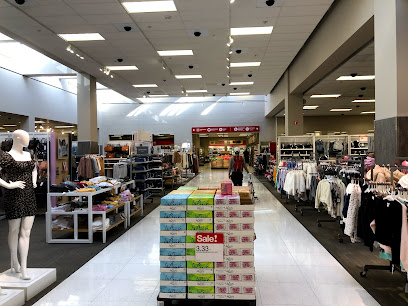
Black Market
4.1 km
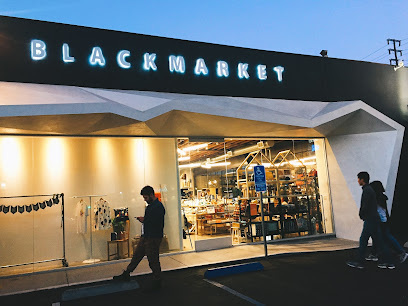
Explore Black Market in Sawtelle, Los Angeles—a unique gift shop offering eclectic finds and trendy clothing for every taste.
Brick & Mortar
4.2 km
Shop at Brick & Mortar for the latest in men's fashion, unique gifts, and stylish accessories in the heart of West Hollywood.
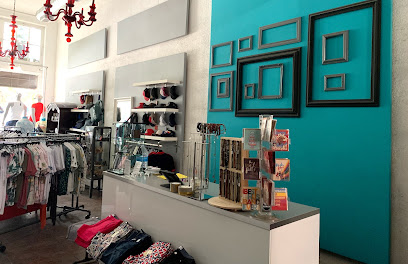
Gift & Gadget Nooks
4.3 km
Explore Gift & Gadget Nooks in Los Angeles for unique gifts and quirky gadgets that embody the spirit of California, perfect for every traveler.
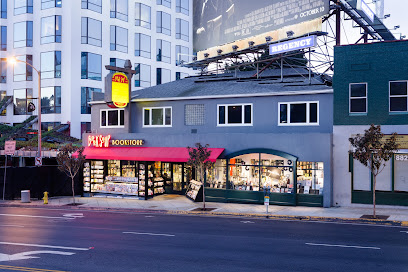
Book Soup
4.4 km
Discover a treasure trove of literature at Book Soup, West Hollywood's beloved bookstore and cultural hub.
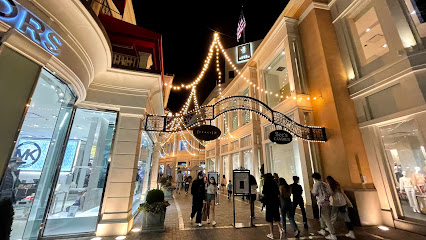
The Grove
4.5 km
Discover The Grove, a premier shopping destination in Los Angeles, blending luxurious retail, delightful dining, and vibrant entertainment for unforgettable experiences.
Essential bars & hidden hideouts

Honor Bar
1.4 km
Discover the culinary delights of Honor Bar in Beverly Hills, blending American favorites with fresh sushi in a vibrant, inviting atmosphere.
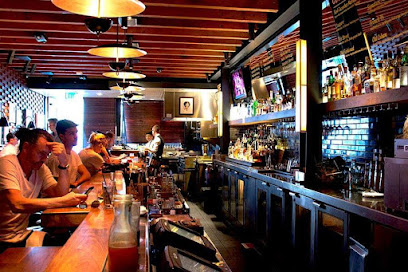
CUT Lounge
1.4 km
Experience the luxury of CUT Lounge, a culinary gem in Beverly Hills, with exquisite dishes and a sophisticated atmosphere that captivates every visitor.
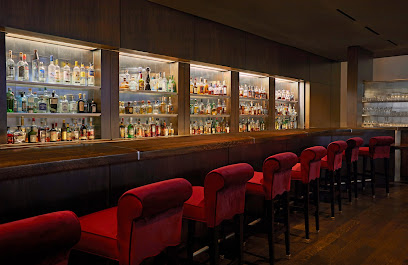
Bar Noir
1.5 km
Experience upscale elegance at Bar Noir, Beverly Hills' premier bar and pub, known for its sophisticated cocktails and chic ambiance.
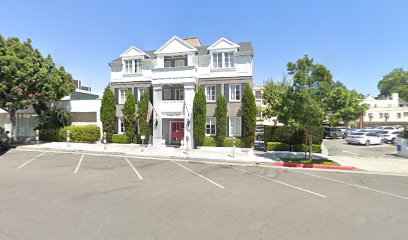
Above Sixty
1.6 km
Experience luxury and vibrant nightlife at Above Sixty, Beverly Hills' chic bar with stunning views and exquisite cocktails.
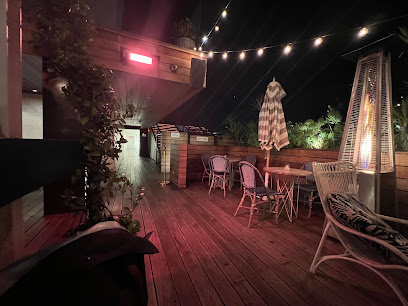
The Club Bar at The Peninsula
1.6 km
Experience the epitome of luxury and indulgence at The Club Bar at The Peninsula, a premier wine and cocktail lounge in Beverly Hills.
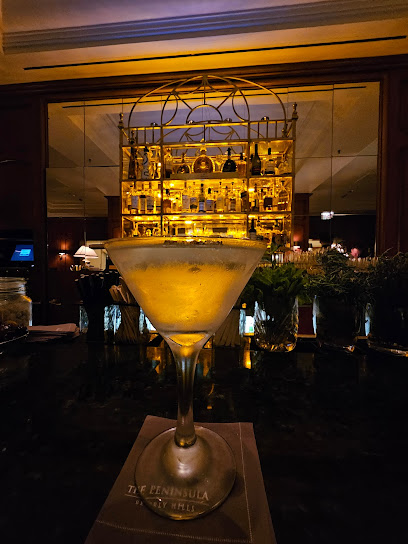
The Maybourne Bar
1.6 km
Experience the elegance of The Maybourne Bar in Beverly Hills, where unique cocktails and a luxurious atmosphere meet for an unforgettable night.
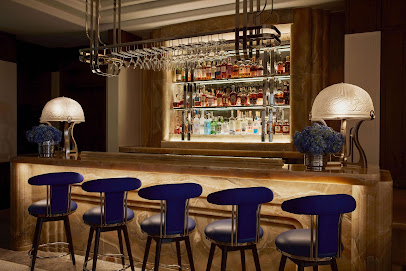
The Rooftop by JG
1.7 km
Experience breathtaking views and exquisite California cuisine at The Rooftop by JG in Beverly Hills for an unforgettable dining experience.
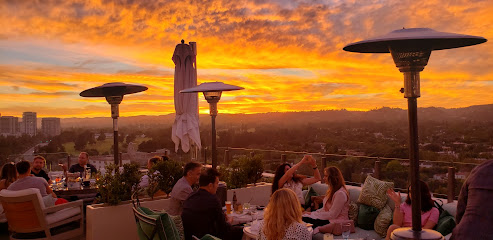
Beverly Bar
1.8 km
Experience the vibrant atmosphere and exquisite American cuisine at Beverly Bar, a stylish oasis in Beverly Hills.
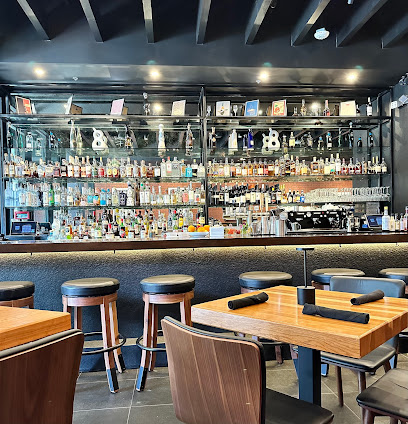
Bar Nineteen12
3.3 km
Experience the epitome of luxury at Bar Nineteen12 in the Beverly Hills Hotel, where elegance meets exquisite cocktails and a vibrant atmosphere.
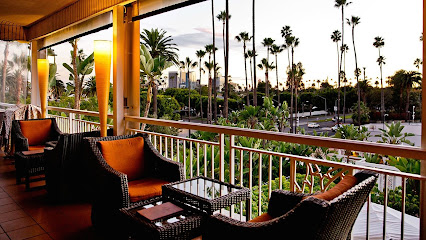
The Roger Room
3.6 km
Discover The Roger Room in Beverly Grove: A chic bar renowned for artisanal cocktails and a vibrant nightlife experience.
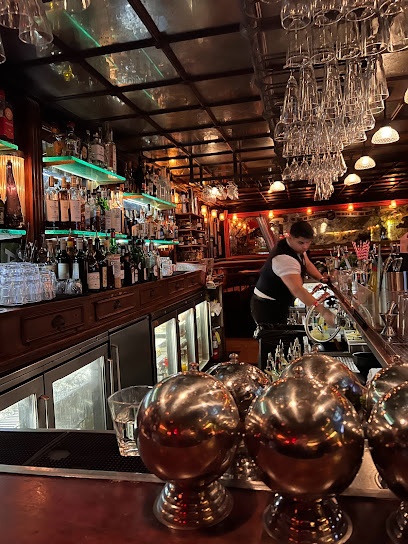
Schmitty's West Hollywood
4.2 km
Experience the vibrant nightlife at Schmitty's West Hollywood, a lively bar offering a diverse drink selection and a welcoming atmosphere.
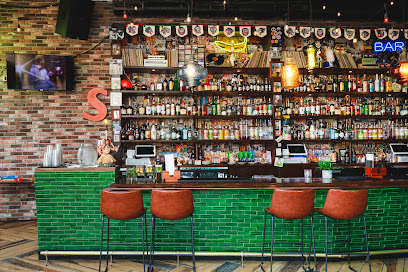
Bar Next Door
4.2 km
Discover Bar Next Door: An intimate bar on Sunset Strip with exceptional drinks and a vibrant atmosphere perfect for unwinding after exploring West Hollywood.
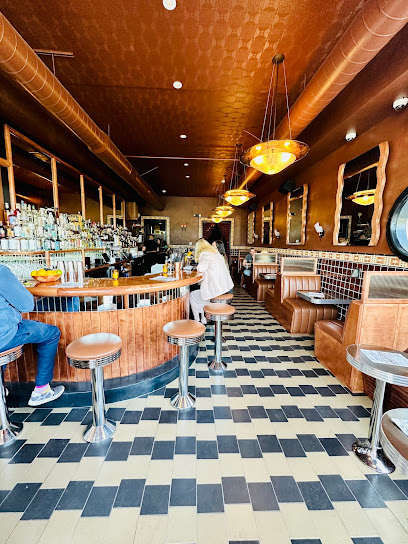
Rock & Reilly's
4.4 km
Experience the vibrant atmosphere of Rock & Reilly's, where authentic Irish charm meets modern American bar culture in West Hollywood.
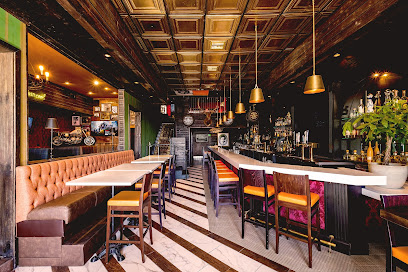
Whisky a Go Go
4.4 km
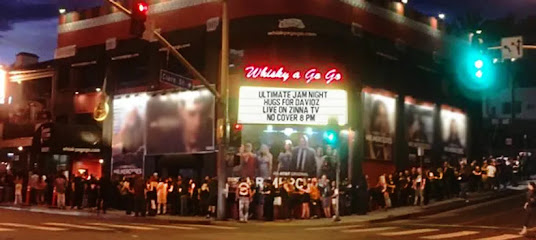
Discover the legendary Whisky a Go Go, a historic live music venue and cocktail bar on the Sunset Strip, perfect for an unforgettable night out in West Hollywood.
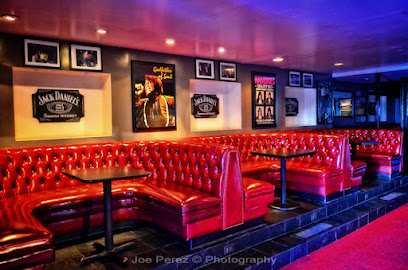
State Social House
4.5 km
Experience the vibrant atmosphere of State Social House, the premier gastropub on Sunset Strip, where great food and drinks meet lively social scenes.

Nightclubs & after hour spots

Nightclub Rescue
1.6 km
Discover the ultimate nightlife experience at Nightclub Rescue in Beverly Hills, where music, dancing, and unforgettable memories await.
Nightlife Empire
1.6 km
Discover the vibrant nightlife at Nightlife Empire, Beverly Hills' premier destination for music, dancing, and unforgettable evenings.
Grand Havana Room
1.7 km
Experience luxury at the Grand Havana Room in Beverly Hills, where exquisite cigars and fine drinks meet an elegant ambiance.
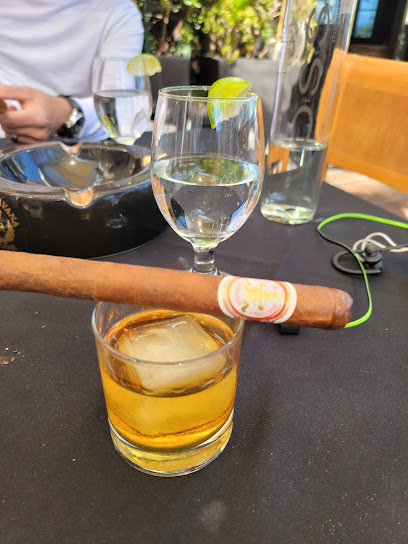
Peppermint Club
3.2 km
Discover the lively atmosphere of Peppermint Club, where live music, crafted cocktails, and dancing come together for an unforgettable night in West Hollywood.
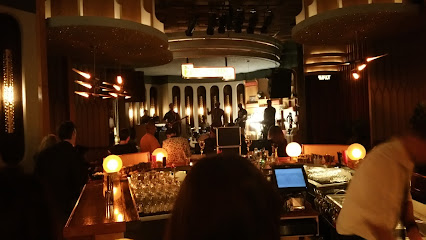
Murano Nightclub
3.5 km
Discover the electrifying atmosphere of Murano Nightclub in West Hollywood, where music, dance, and unforgettable nights come alive.
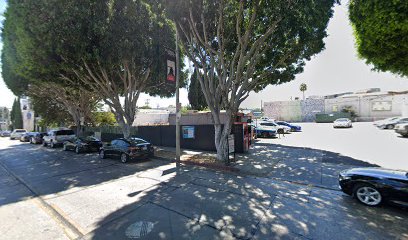
Heart Weho
3.8 km
Discover the vibrant nightlife of Heart Weho, a premier night club in West Hollywood, where music meets energy in an unforgettable party experience.
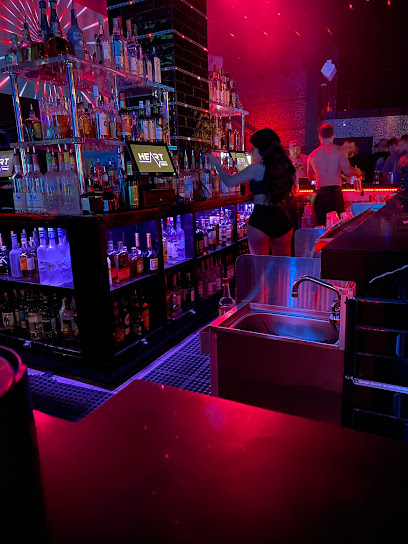
Micky's Weho
3.9 km
Experience the vibrant nightlife of West Hollywood at Micky's Weho, a premier gay bar and dance club with electrifying events and live music.
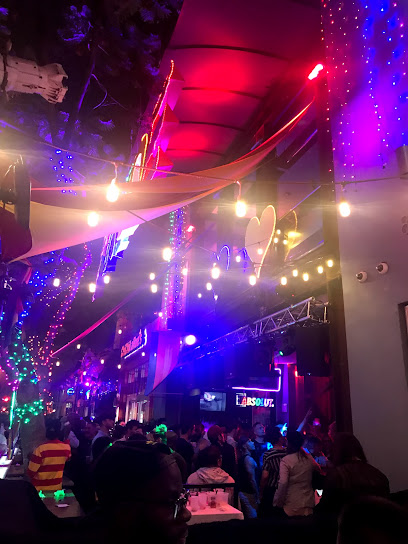
Switch West Hollywood
3.9 km
Discover Switch West Hollywood, a premier gay nightclub offering vibrant nightlife, electrifying performances, and a welcoming atmosphere in California.
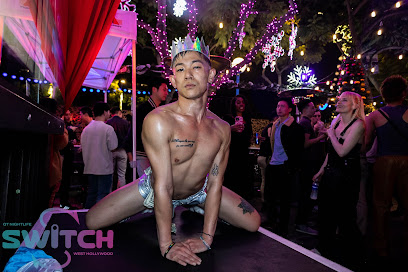
Nightingale Plaza
4.0 km
Discover the essence of Los Angeles nightlife at Nightingale Plaza, a chic venue featuring cocktails, live music, and an electric atmosphere.
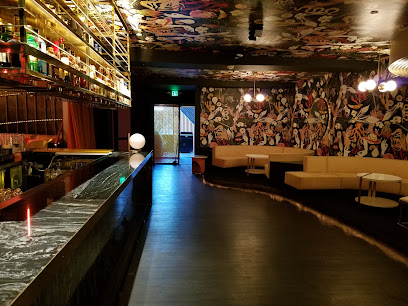
Bootsy Bellows
4.2 km
Discover the allure of Bootsy Bellows, a glamorous nightclub on Sunset Strip, where Hollywood nightlife meets unforgettable entertainment.
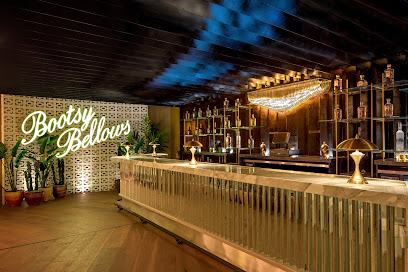
Sunset at EDITION
4.2 km
Discover the vibrant nightlife at Sunset at EDITION, where exceptional cocktails, live music, and an electrifying atmosphere await you in West Hollywood.
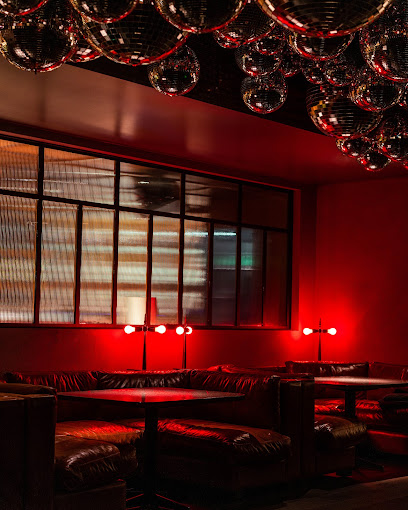
The Keys
4.3 km
Experience the vibrant nightlife at The Keys, a renowned night club on Sunset Strip in West Hollywood, where music and excitement come together.
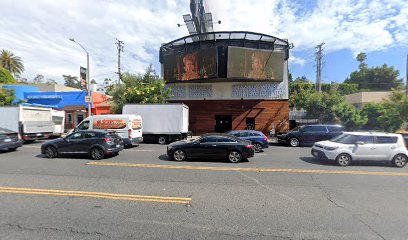
The Viper Room
4.4 km
Discover the electrifying atmosphere of the Viper Room, an iconic nightclub on Sunset Boulevard, where live music and celebrity sightings come alive.
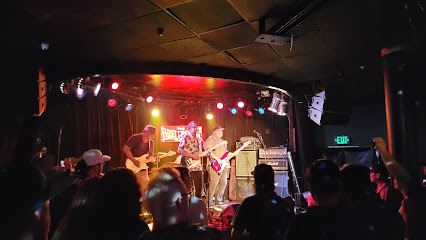
Ultimate Jam Night
4.4 km
Unleash your inner rockstar at Ultimate Jam Night, where spontaneous live music ignites the vibrant nightlife of West Hollywood.
Jim
4.5 km
Discover the electrifying nightlife at Jim Night Club in Beverly Hills, where unforgettable experiences and vibrant music await every visitor.