Urban Light: A Beacon of Art and History
Experience the magic of Urban Light at LACMA, where 202 vintage street lamps create a captivating urban landscape, blending art, history, and the vibrant spirit of Los Angeles.
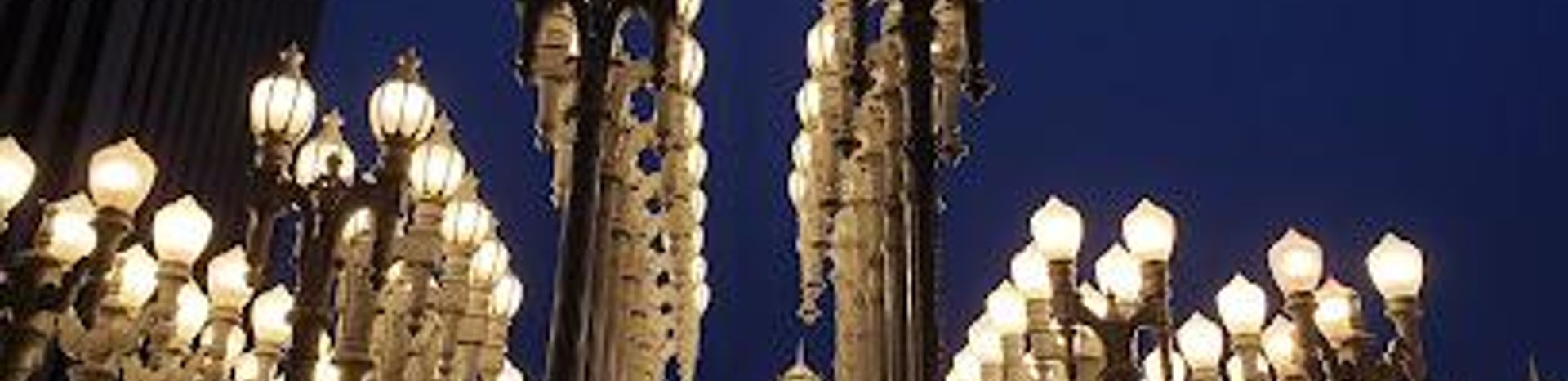
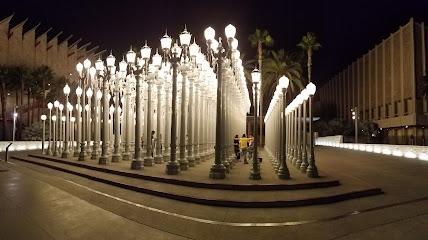
Urban Light, an iconic public art installation at the entrance of the Los Angeles County Museum of Art (LACMA), is a captivating display of 202 restored vintage street lamps from the 1920s and 1930s. Created by artist Chris Burden, the lamps, primarily sourced from Southern California streets, stand as a testament to the region's architectural heritage. Arranged in a grid-like formation, the installation transforms the museum's entrance into a mesmerizing spectacle, especially when illuminated at night. Visitors are encouraged to wander through the 'forest' of lamps, experiencing a unique blend of art, history, and urban landscape. Open 24 hours a day and free to access, Urban Light has become a beloved symbol of Los Angeles, drawing tourists and locals alike to its enchanting glow and offering a safe and beautiful space after dark.
A brief summary to Public Art Urban Light
- 5905 Wilshire Blvd, Los Angeles, Miracle Mile, California, 90036, US
- +1323-857-6000
- Visit website
- Monday 12 am-12 am
- Tuesday 12 am-12 am
- Wednesday 12 am-12 am
- Thursday 12 am-12 am
- Friday 12 am-12 am
- Saturday 12 am-12 am
- Sunday 12 am-12 am
Local tips
- Visit Urban Light at dusk or night for the most enchanting experience, as the illuminated lamps create a magical atmosphere.
- Take advantage of the 24-hour access to see the installation in different lighting conditions, from the bright California sun to the night sky.
- Combine your visit with a tour of the Los Angeles County Museum of Art (LACMA) to explore a wide range of art and cultural exhibits.
- Bring your camera! Urban Light provides a stunning backdrop for memorable photos, especially during the evening hours.
- Check LACMA's website for any special events or exhibitions that may coincide with your visit to enhance your experience.

Getting There
-
Public Transport
For those arriving via public transportation, several bus lines serve the LACMA area. Metro Local lines 20 and 720 on Wilshire Blvd, and lines 217 and 218 on Fairfax Ave, stop within a short walk of the museum. The closest bus stops are Wilshire Blvd & Ogden (Westbound) and Wilshire & Spaulding. A single Metro fare is $1.75, which includes up to two hours of transfers. You can pay using a TAP card, which can be purchased at Metro stations or online, or via the TAP app. Exact change is required if paying with cash on the bus.
-
Taxi/Ride-Share
Taxis and ride-sharing services (Uber/Lyft) provide a convenient way to reach Urban Light. Simply input 'LACMA' or '5905 Wilshire Blvd, Los Angeles' as your destination. From the general vicinity (Mid-Wilshire), a ride typically costs between $10-$20, depending on traffic and distance.
-
Driving
If driving, approach LACMA via Wilshire Boulevard or Fairfax Avenue. Parking is available in the Pritzker Parking Garage on 6th Street, just east of Fairfax Ave. The cost is $21 per day, with a reduced rate of $13 for entry after 8 PM. Metered street parking is also available on Wilshire Blvd and 6th Street, typically costing around $1 per hour. Be sure to read all parking signs for restrictions. Alternative parking options include the Petersen Museum and Museum Square, though these may involve a slightly longer walk.
Discover more about Public Art Urban Light
Iconic landmarks you can’t miss

The Fame Yard
2.3 km
Explore The Fame Yard in Los Angeles, a vibrant tourist attraction celebrating Hollywood culture and creativity through stunning art and photography.
MAK Center for Art and Architecture at the Schindler House
2.9 km
Explore the MAK Center for Art and Architecture, a masterpiece of modern design in West Hollywood, showcasing innovative art and history.
historic preservation in west hollywood
3.2 km
Explore the vibrant history and culture of West Hollywood through its dedicated historic preservation efforts, blending past charm with modern allure.
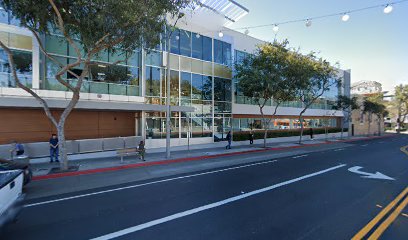
Old West Hollywood Sign Location
3.4 km
Discover the charm of the Old West Hollywood Sign, a historical landmark that captures the essence of Hollywood's glamorous past amidst the vibrant West Hollywood scene.
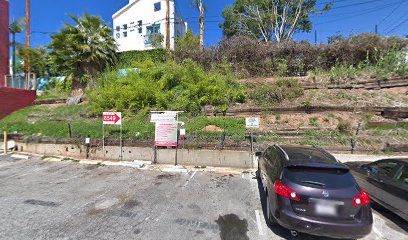
Sterling Plaza
3.7 km
Experience the elegance of Sterling Plaza, a stunning historical landmark in the heart of Beverly Hills, where history meets architectural beauty.
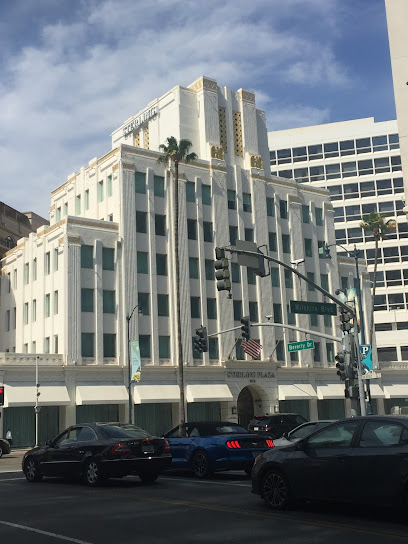
Beverly Cañon Gardens
3.7 km
Experience serenity and beauty at Beverly Canon Gardens, an exquisite urban oasis in the heart of Beverly Hills, perfect for relaxation and photography.
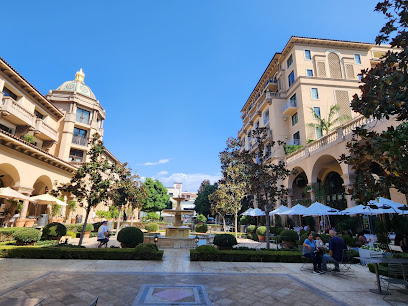
Sunset Spectacular
3.8 km
Explore contemporary art at Sunset Spectacular in West Hollywood's iconic Sunset Strip, where creativity meets culture in a stunning gallery setting.
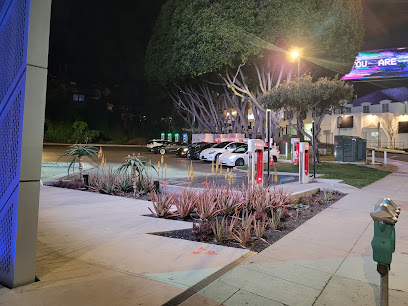
The Golden Triangle
3.9 km
Explore the luxurious Golden Triangle in Beverly Hills, a haven of upscale shopping, fine dining, and stunning architecture that defines California elegance.
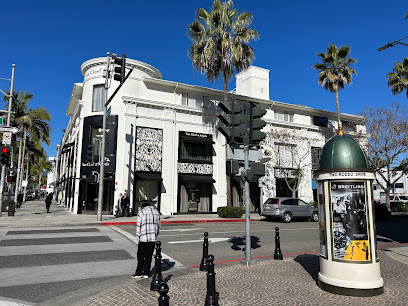
Historical MARILYN MONROE Apartment
3.9 km
Discover the iconic Historical Marilyn Monroe Apartment in West Hollywood, a tribute to the glamorous life of Hollywood's legendary star.
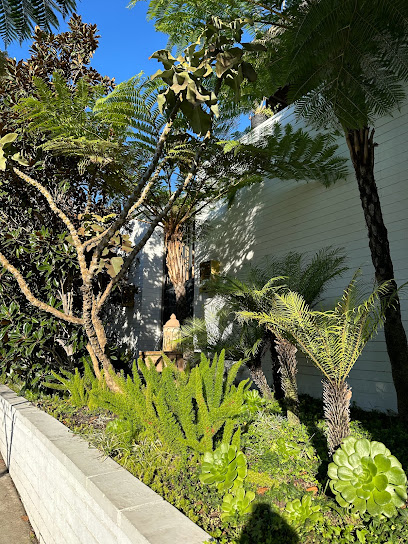
Schwabs Pharmacy
3.9 km
Discover the historical charm of Schwabs Pharmacy, a Hollywood landmark steeped in cinematic history, culture, and nostalgia.
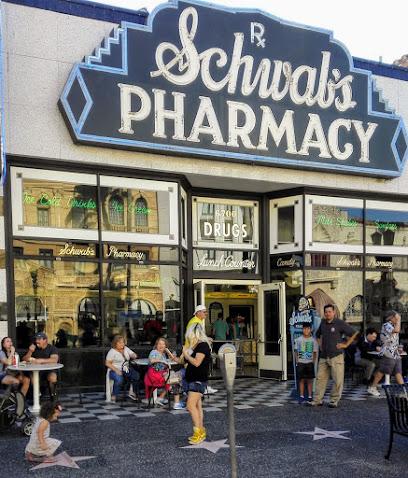
Weber House
3.9 km
Discover the historical elegance of Weber House, a landmark in Los Angeles that showcases exquisite architecture and rich cultural heritage.
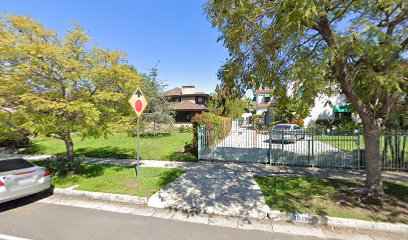
Beverly Hills City Hall
4.0 km
Experience the charm and elegance of Beverly Hills City Hall, a stunning example of Mediterranean Revival architecture in the heart of the city.
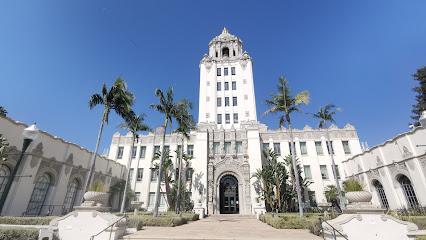
Halloween House
4.0 km
Visit the Halloween House in Hollywood for a year-round celebration of spooky fun, captivating decorations, and immersive Halloween culture.
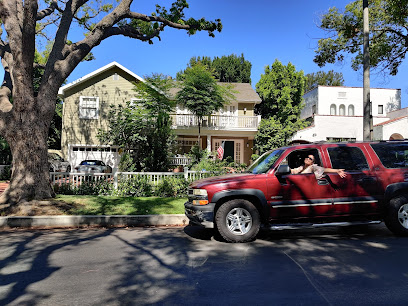
Beverly Hills Memorial
4.1 km
Discover the rich history of Beverly Hills at the iconic Beverly Hills Memorial, a serene landmark honoring the community's cultural legacy.
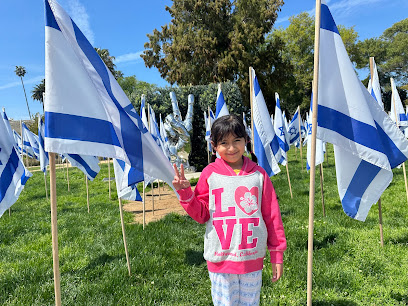
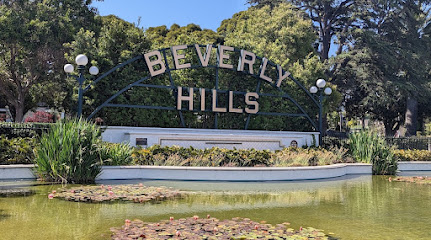
Beverly Hills Sign, Beverly Hills, California
4.2 km
Discover the charm of Beverly Hills at the iconic Beverly Hills Sign, a picturesque landmark surrounded by luxury and beauty.
Unmissable attractions to see

Los Angeles County Museum of Art
0.1 km
Discover the artistic treasures of the Los Angeles County Museum of Art, where creativity meets culture in a stunning setting.
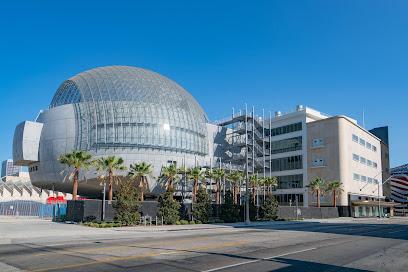
Academy Museum of Motion Pictures
0.2 km
Discover the magic of cinema at the Academy Museum of Motion Pictures in Los Angeles, where film history comes to life through innovative exhibits and stunning architecture.
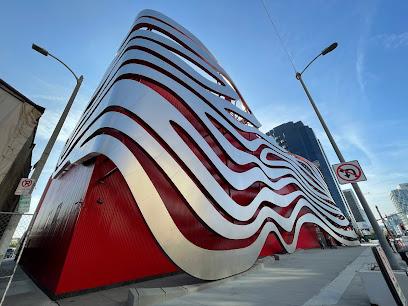
Petersen Automotive Museum
0.2 km
Discover the rich history of automobiles at the Petersen Automotive Museum in Los Angeles, a must-visit for car lovers and cultural enthusiasts alike.
La Brea Tar Pits and Museum
0.3 km
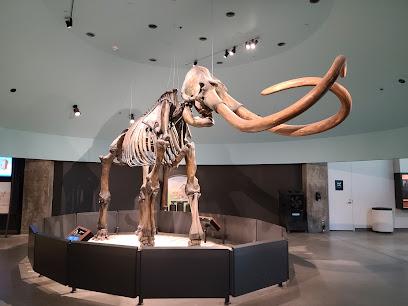
Explore the fascinating La Brea Tar Pits and Museum, where history comes alive with ancient fossils and the wonders of paleontology in the heart of Los Angeles.
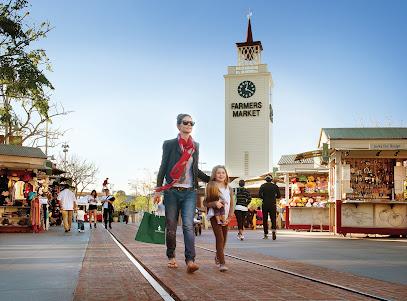
The Original Farmers Market
1.0 km
Experience the vibrant flavors and local culture at The Original Farmers Market in Los Angeles, a culinary treasure offering diverse food and shopping options.
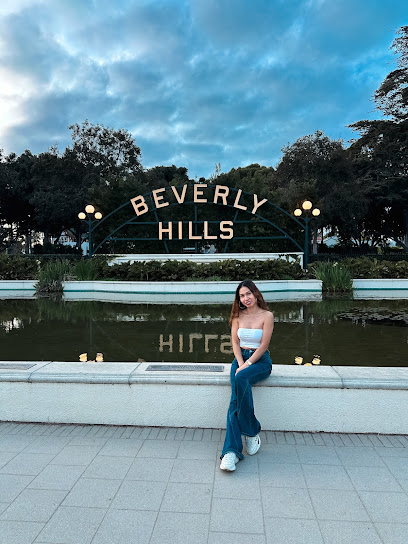
Beverly Hills Sign
1.2 km
Experience the allure of luxury at the iconic Beverly Hills Sign, a must-visit landmark in the heart of Beverly Hills, California.
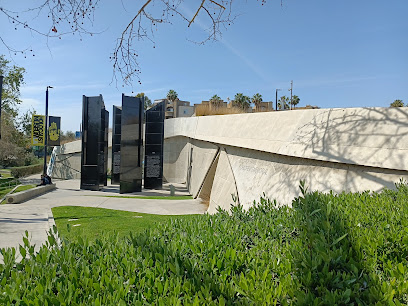
Holocaust Museum LA
1.3 km
Explore the poignant stories and exhibits at Holocaust Museum LA, where history and humanity intertwine in a powerful narrative of resilience and remembrance.
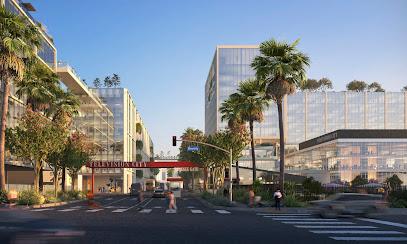
Television City
1.3 km
Discover the enchanting world of television production at Television City in Los Angeles, where iconic shows come to life in a vibrant studio setting.
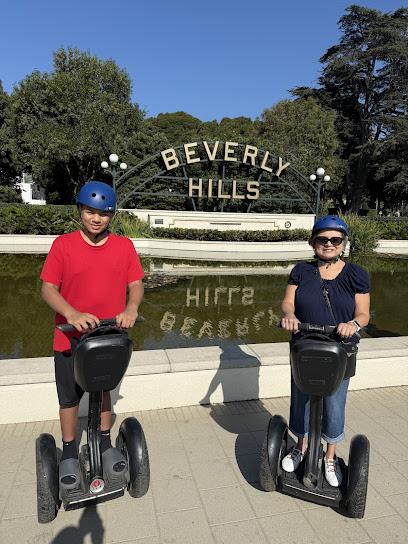
Another Side Of Los Angeles Tours
1.6 km
Explore Los Angeles's hidden gems and iconic sights with personalized small-group tours led by passionate local guides.
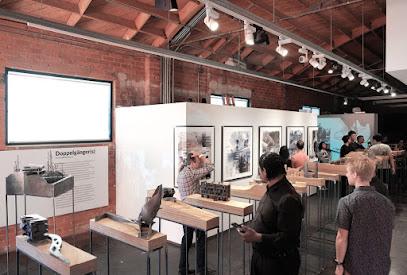
A+D Museum
1.7 km
Discover the A+D Museum in Los Angeles, a vibrant destination for architecture and design enthusiasts, showcasing innovative exhibits and engaging events.
Essential places to dine

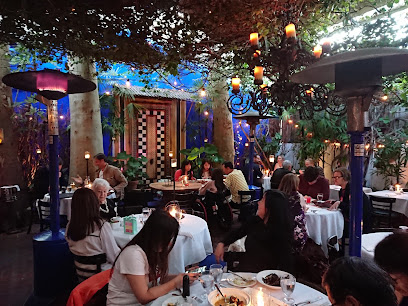
The Little Door
1.3 km
Experience exquisite modern European cuisine at The Little Door in Beverly Grove – where Mediterranean flair meets French elegance.
République Café Bakery & République Restaurant
1.4 km
Discover the perfect blend of French elegance and New American flair at République Café Bakery & Restaurant in Los Angeles.
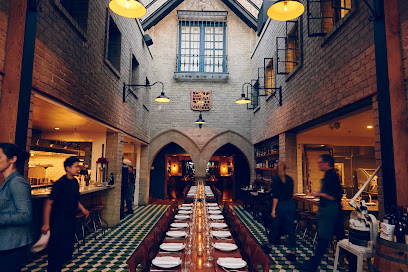
Son of a Gun
1.6 km
Discover the exquisite flavors of coastal cuisine at Son of a Gun in Beverly Grove, where innovative seafood dishes meet vibrant atmosphere.
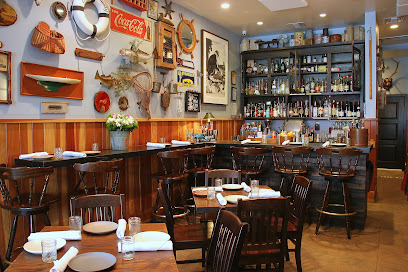
Tagine
2.3 km
Experience authentic Moroccan cuisine in Beverly Hills at Tagine, where exquisite flavors meet fine dining elegance.
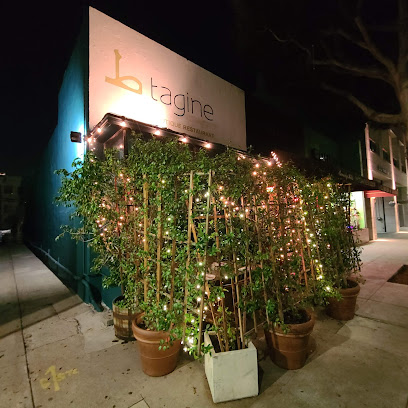
Prospect Gourmand
2.3 km
Discover gourmet organic Californian cuisine at Prospect Gourmand in Beverly Hills – where every meal is an exquisite experience.
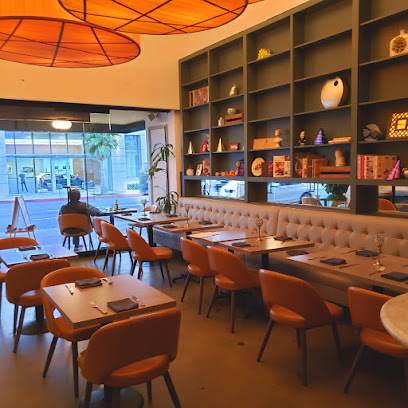
A Food Affair
2.6 km
Experience the exquisite fusion of French elegance and New American innovation at A Food Affair in Los Angeles' Pico-Robertson neighborhood.
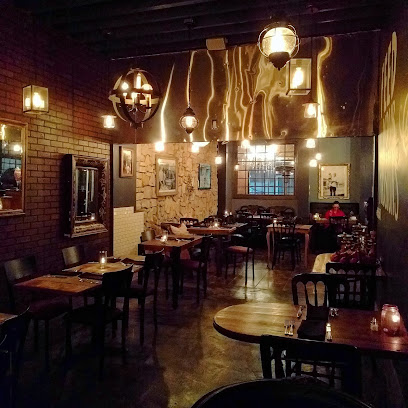
Ysabel
2.9 km
Discover Ysabel in West Hollywood - where New American cuisine meets stylish lounge vibes for an unforgettable dining experience.
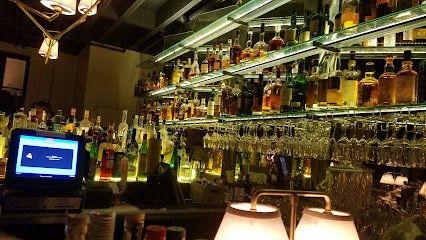
Il Cielo
2.9 km
Discover Il Cielo in Beverly Hills - where exquisite Italian cuisine meets enchanting ambiance for an unforgettable dining experience.
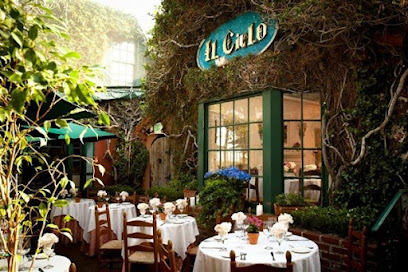
Meteora
2.9 km
Discover culinary excellence at Meteora in Hollywood, where exquisite flavors meet stunning ambiance for an unforgettable dining experience.
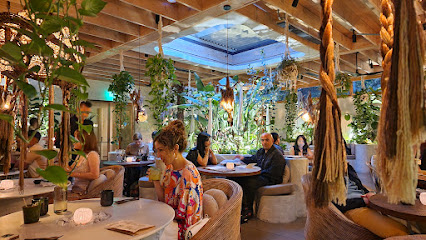
Osteria Mozza
2.9 km
Experience authentic Italian cuisine at Osteria Mozza in Los Angeles - where every dish tells a story of tradition and passion.
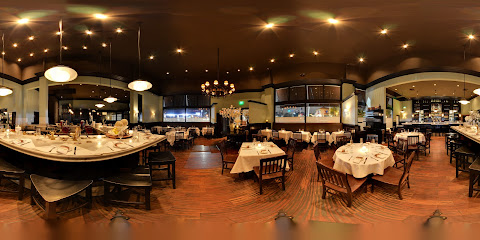
Cecconi's West Hollywood
3.1 km
Experience authentic Italian cuisine at Cecconi's West Hollywood, where elegance meets culinary excellence in a vibrant atmosphere.
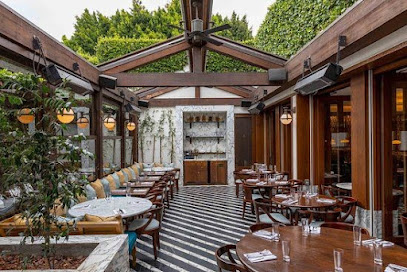
The Cat & Fiddle Pub & Restaurant
3.1 km
Experience authentic Irish hospitality at The Cat & Fiddle Pub & Restaurant in Hollywood - where traditional flavors meet modern dining.
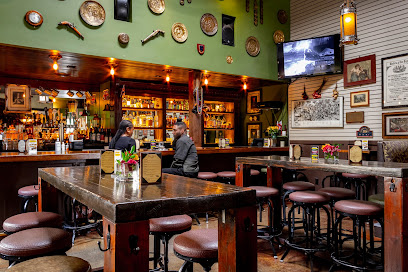
Laurel Hardware
3.1 km
Discover the essence of New American cuisine at Laurel Hardware in West Hollywood – where innovative dishes meet vibrant nightlife.
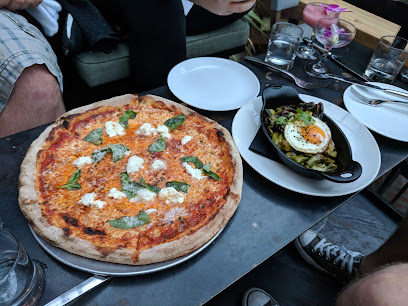
Barton G. The Restaurant Los Angeles
3.1 km
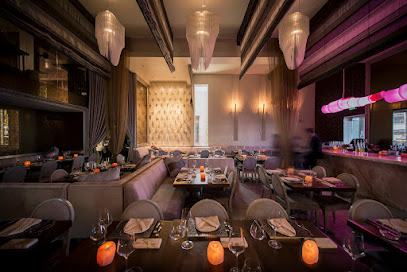
Discover Barton G. The Restaurant in Los Angeles: A fine dining experience where culinary art meets whimsical presentation.
Tu Madre- West Hollywood
3.2 km
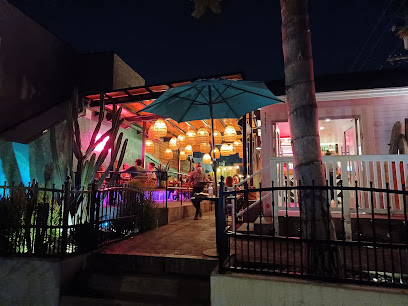
Experience modern Mexican cuisine at Tu Madre in West Hollywood – where vibrant flavors meet unforgettable dining.
Markets, malls and hidden boutiques

The Grove
1.0 km
Discover The Grove, a premier shopping destination in Los Angeles, blending luxurious retail, delightful dining, and vibrant entertainment for unforgettable experiences.
Gift & Gadget Nooks
1.0 km
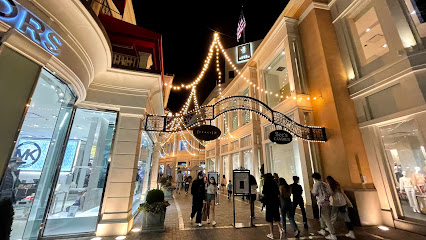
Explore Gift & Gadget Nooks in Los Angeles for unique gifts and quirky gadgets that embody the spirit of California, perfect for every traveler.
Pygmy Hippo Shoppe
1.5 km
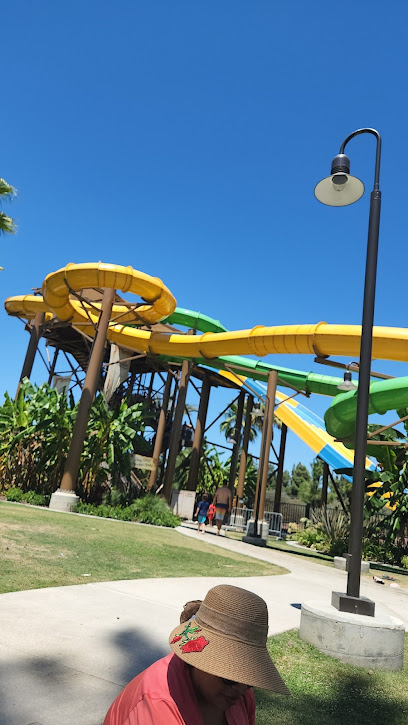
Explore the whimsical Pygmy Hippo Shoppe in Los Angeles, offering unique gifts, home decor, and delightful souvenirs in a charming setting.
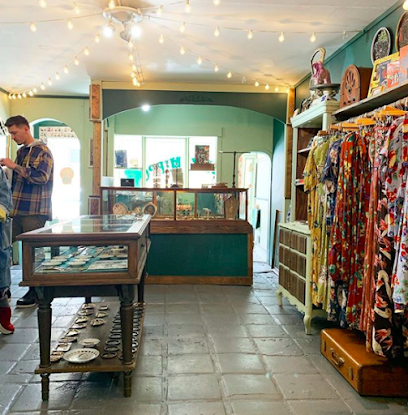
The Way We Wore
1.5 km
Discover vintage treasures and unique women's fashion at The Way We Wore, a must-visit vintage clothing store in Hancock Park, Los Angeles.
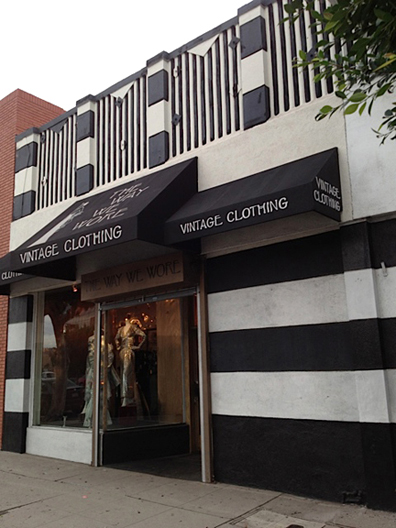
GOLDEN AGE Hollywood
1.8 km
Explore the elegance of vintage fashion at GOLDEN AGE Hollywood, a Los Angeles gem for unique clothing and accessories.
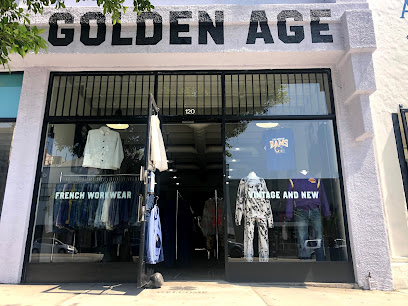
Beverly Connection
2.0 km
Explore the ultimate shopping experience at Beverly Connection in Beverly Grove, Los Angeles – where luxury meets convenience.
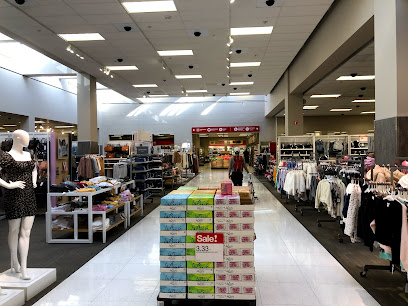
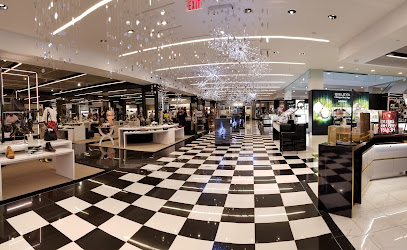
Bloomingdale's
2.0 km
Discover luxury shopping at Bloomingdale's in Beverly Grove, where fashion meets elegance in an exquisite department store experience.
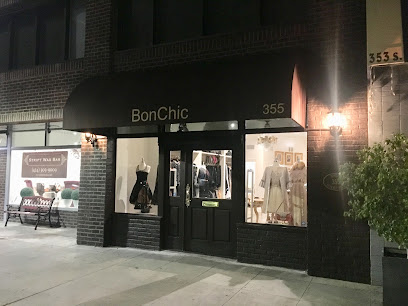
Bonchic Contemporary Vintage Designer & Couture
2.3 km
Explore Bonchic Contemporary Vintage Designer & Couture in Beverly Hills for unique vintage fashion that combines timeless elegance with modern design.
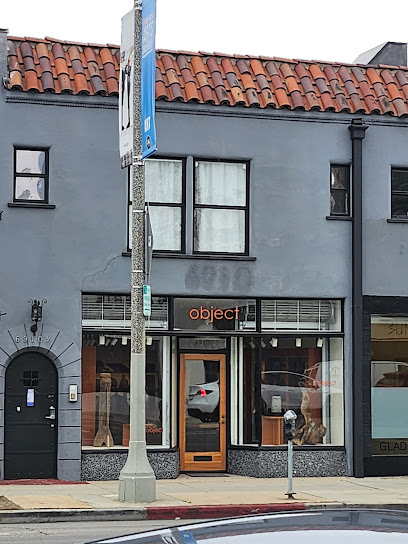
Object
2.8 km
Explore Object, the charming gift shop in Los Angeles, known for its unique treasures and vibrant local artisan products on Melrose Avenue.
Just One Eye
3.1 km
Discover the eclectic charm of Just One Eye, a unique boutique in Hollywood offering fashion, art, and home goods for the discerning shopper.
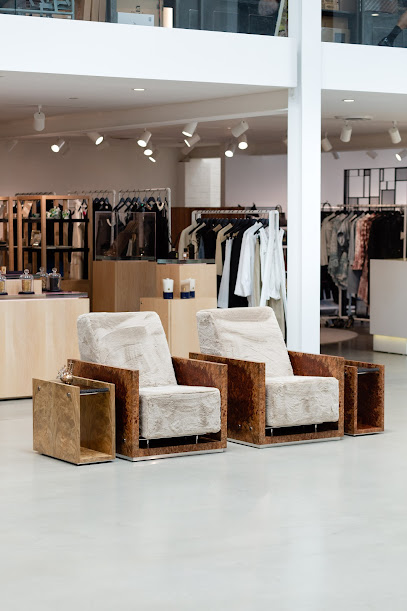
West Hollywood Gateway
3.3 km
Explore the West Hollywood Gateway: A vibrant shopping mall offering diverse retail, dining, and cultural experiences in the heart of Los Angeles.
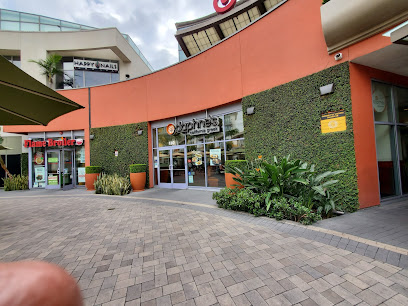
Brick & Mortar
3.4 km
Shop at Brick & Mortar for the latest in men's fashion, unique gifts, and stylish accessories in the heart of West Hollywood.
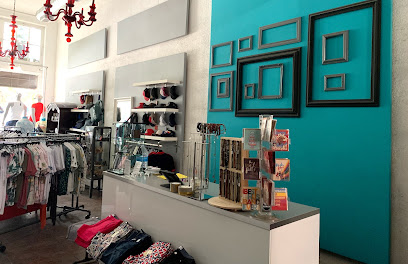
Epiphany Boutique LLC
3.7 km
Discover unique gifts and stylish women's clothing at Epiphany Boutique in Beverly Hills, where fashion meets charm.
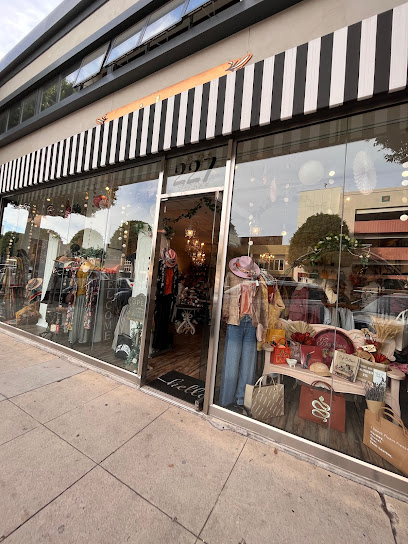
Zadig & Voltaire - LA
3.7 km
Experience the fusion of Parisian chic and California vibe at Zadig & Voltaire - LA, your go-to destination for contemporary fashion.
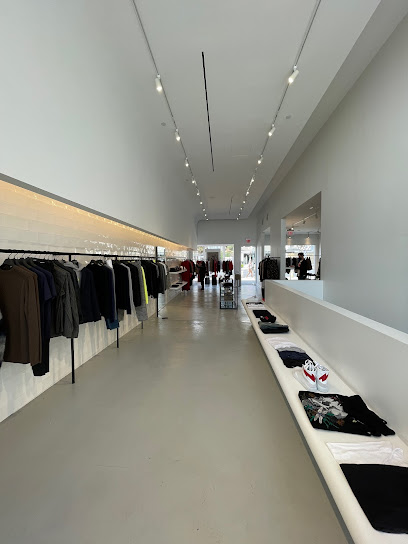
Goodthings
3.8 km
Discover unique gifts and boutique treasures at Goodthings in West Hollywood, where California creativity meets curated shopping.
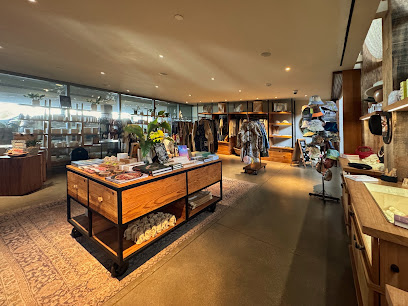
Essential bars & hidden hideouts

The Roger Room
2.3 km
Discover The Roger Room in Beverly Grove: A chic bar renowned for artisanal cocktails and a vibrant nightlife experience.
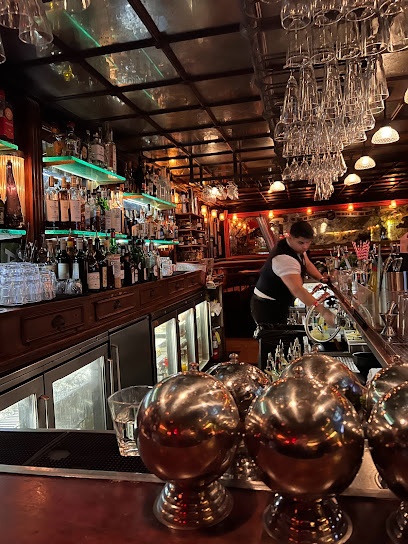
Bar Lubitsch
3.1 km
Experience the eclectic charm and vibrant nightlife at Bar Lubitsch, a must-visit bar in the heart of West Hollywood.
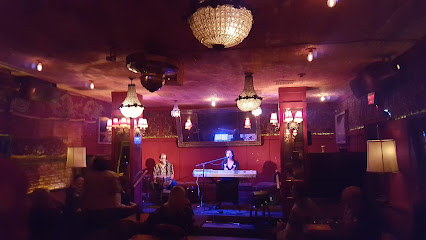
Employees Only Restaurant and Bar
3.1 km
Discover the vibrant culinary experience at Employees Only Restaurant and Bar in West Hollywood, where modern American cuisine meets innovative cocktails.
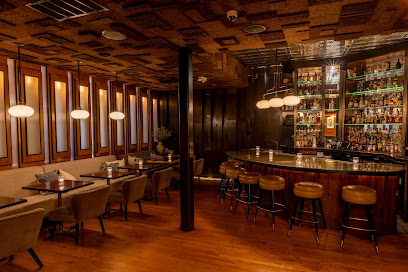
Surly Goat
3.1 km
Experience the vibrant nightlife at Surly Goat, a top bar in West Hollywood known for cocktails, karaoke, and sports entertainment.
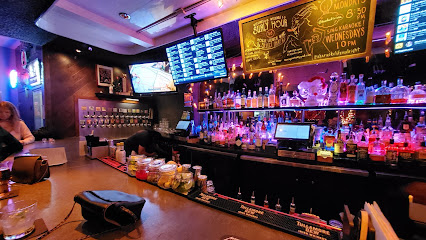
Or Bar
3.2 km
Experience the vibrant atmosphere at Or Bar in West Hollywood, where cocktails, coffee, and conversation blend perfectly.
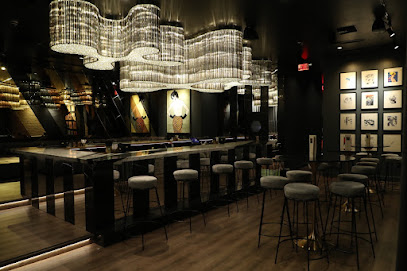
Schmitty's West Hollywood
3.4 km
Experience the vibrant nightlife at Schmitty's West Hollywood, a lively bar offering a diverse drink selection and a welcoming atmosphere.
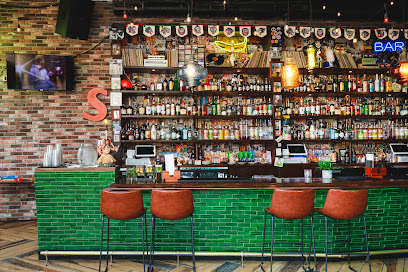
Above Sixty
3.4 km
Experience luxury and vibrant nightlife at Above Sixty, Beverly Hills' chic bar with stunning views and exquisite cocktails.
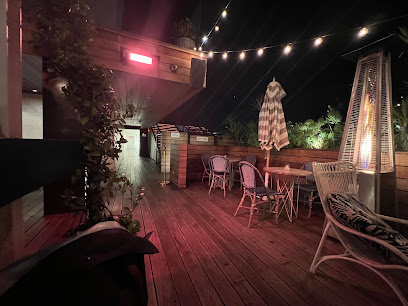
Bar 1200
3.7 km
Experience the epitome of upscale nightlife at Bar 1200 in West Hollywood, where innovative cocktails and vibrant ambiance await.
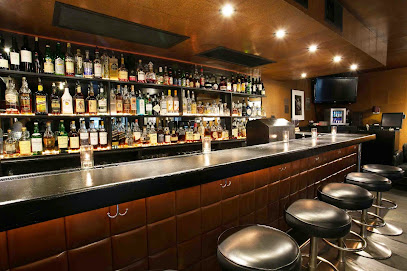
Honor Bar
3.7 km
Discover the culinary delights of Honor Bar in Beverly Hills, blending American favorites with fresh sushi in a vibrant, inviting atmosphere.
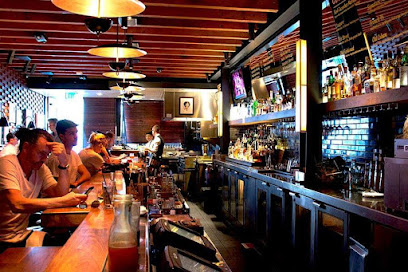
The Maybourne Bar
3.7 km
Experience the elegance of The Maybourne Bar in Beverly Hills, where unique cocktails and a luxurious atmosphere meet for an unforgettable night.
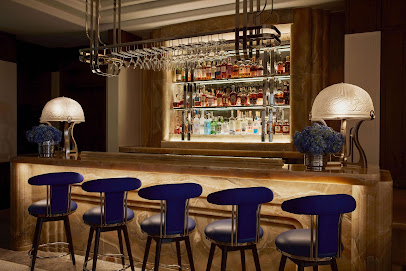
The Tower Bar
3.8 km
Discover the allure of Hollywood at The Tower Bar, a luxurious restaurant and bar offering stunning views and exquisite cuisine on Sunset Strip.
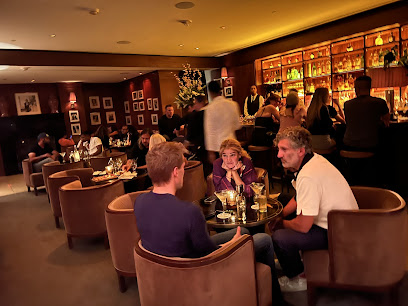
State Social House
3.8 km
Experience the vibrant atmosphere of State Social House, the premier gastropub on Sunset Strip, where great food and drinks meet lively social scenes.

Next Door Lounge
3.8 km
Discover the essence of Hollywood nightlife at Next Door Lounge, a vibrant spot for cocktails, music, and unforgettable experiences.
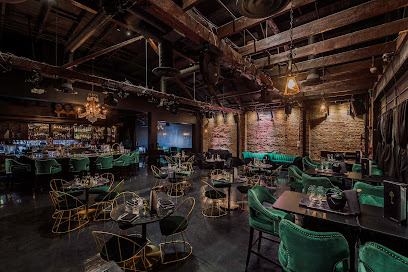
CUT Lounge
3.9 km
Experience the luxury of CUT Lounge, a culinary gem in Beverly Hills, with exquisite dishes and a sophisticated atmosphere that captivates every visitor.
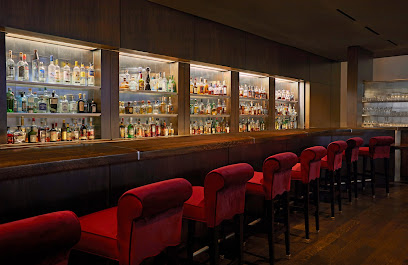
The Naughty Pig
3.9 km
Experience the vibrant energy of The Naughty Pig, a lively sports bar in West Hollywood, serving delicious burgers and a great selection of drinks.
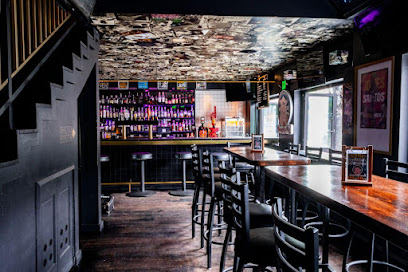
Nightclubs & after hour spots

Peppermint Club
2.5 km
Discover the lively atmosphere of Peppermint Club, where live music, crafted cocktails, and dancing come together for an unforgettable night in West Hollywood.
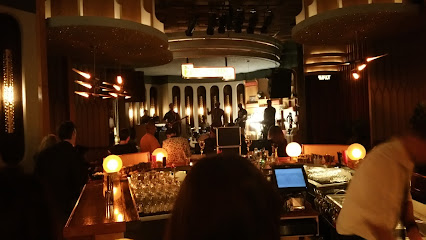
Nightingale Plaza
2.8 km
Discover the essence of Los Angeles nightlife at Nightingale Plaza, a chic venue featuring cocktails, live music, and an electric atmosphere.
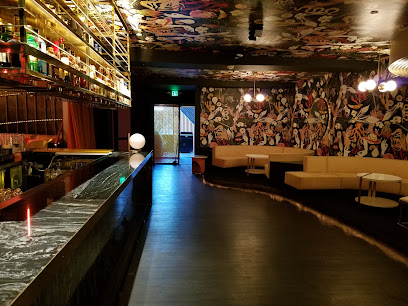
Murano Nightclub
3.3 km
Discover the electrifying atmosphere of Murano Nightclub in West Hollywood, where music, dance, and unforgettable nights come alive.
Micky's Weho
3.4 km
Experience the vibrant nightlife of West Hollywood at Micky's Weho, a premier gay bar and dance club with electrifying events and live music.
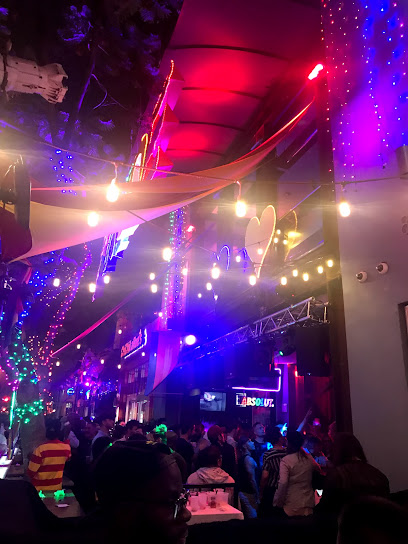
Heart Weho
3.4 km
Discover the vibrant nightlife of Heart Weho, a premier night club in West Hollywood, where music meets energy in an unforgettable party experience.
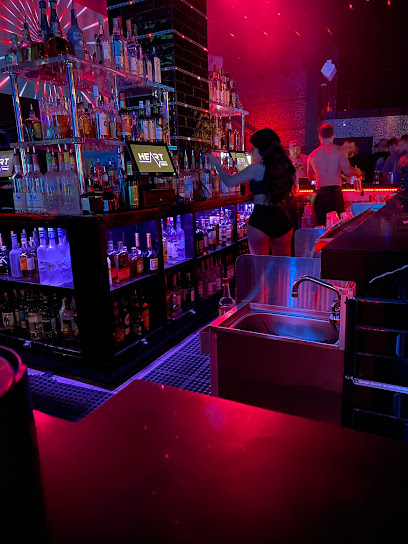
Switch West Hollywood
3.4 km
Discover Switch West Hollywood, a premier gay nightclub offering vibrant nightlife, electrifying performances, and a welcoming atmosphere in California.
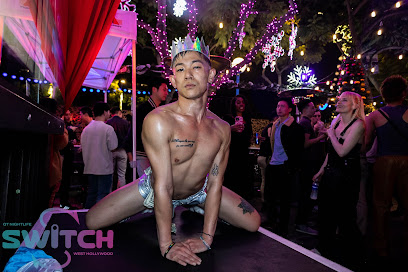
Catch One
3.6 km
Experience the vibrant nightlife of Los Angeles at Catch One, where live music, dancing, and a lively bar scene await every night.
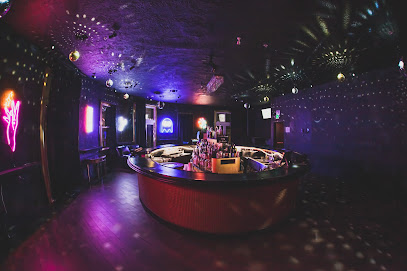
Saint Jhn
3.8 km
Vibrant nightlife awaits at Saint Jhn, a premier night club on Sunset Strip in West Hollywood, offering electrifying music and an unforgettable atmosphere.
Skybar Los Angeles
3.8 km
Experience the vibrant nightlife of Los Angeles at Skybar, where stunning views meet exquisite cocktails and live music on the iconic Sunset Strip.
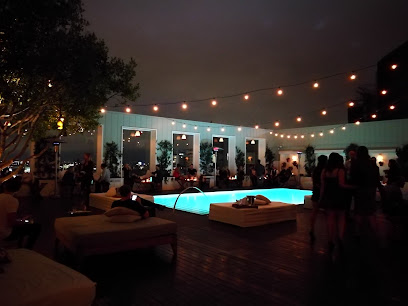
Grand Havana Room
3.8 km
Experience luxury at the Grand Havana Room in Beverly Hills, where exquisite cigars and fine drinks meet an elegant ambiance.
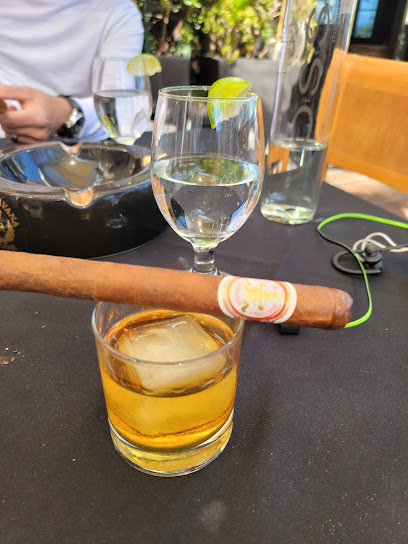
The Viper Room
3.8 km
Discover the electrifying atmosphere of the Viper Room, an iconic nightclub on Sunset Boulevard, where live music and celebrity sightings come alive.
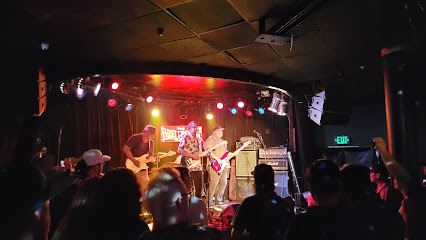
Ultimate Jam Night
3.9 km
Unleash your inner rockstar at Ultimate Jam Night, where spontaneous live music ignites the vibrant nightlife of West Hollywood.
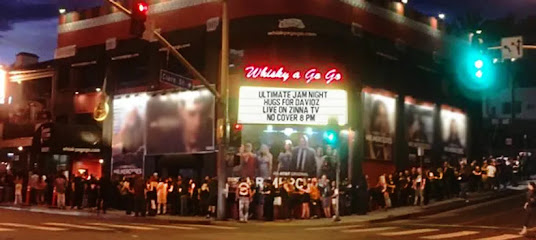
Hyde Sunset Kitchen + Cocktails
4.0 km
Experience the fusion of Italian and Californian flavors at Hyde Sunset Kitchen + Cocktails on the iconic Sunset Strip, where dining meets nightlife.
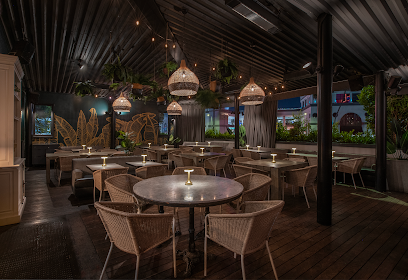
Paris at Night
4.0 km
Discover the vibrant nightlife of Los Angeles at Paris at Night, a premier club offering exquisite cocktails and lively entertainment in a chic atmosphere.
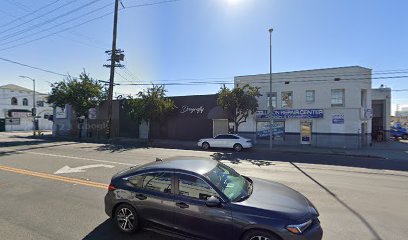
Dragonfly Hollywood
4.0 km
Discover the vibrant nightlife at Dragonfly Hollywood, where high-energy music and stylish decor create an unforgettable experience in Los Angeles.