The Wiltern: Art Deco Masterpiece in Koreatown
Experience the grandeur of Art Deco at The Wiltern, a historic Los Angeles theater hosting diverse events in the heart of Koreatown, from concerts to comedy shows, in a stunning architectural masterpiece.
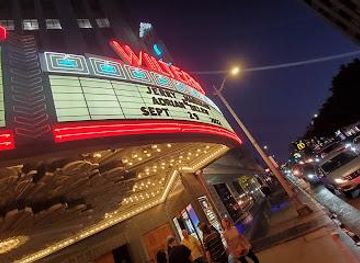
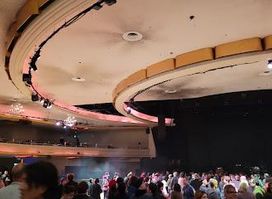
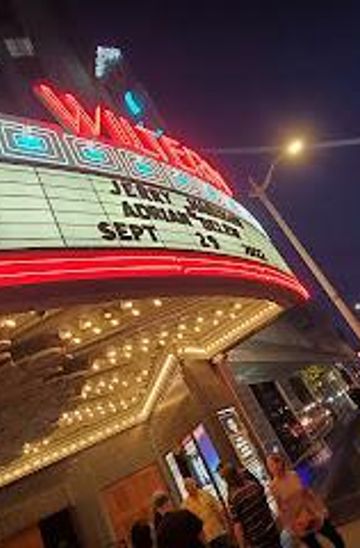
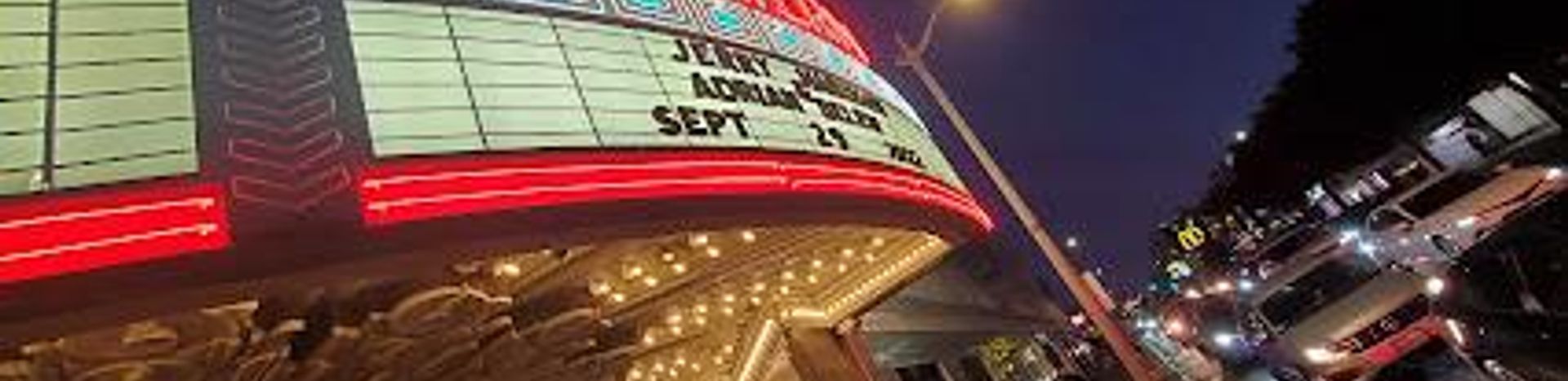
The Wiltern, an iconic Art Deco theater and landmark, stands proudly at the intersection of Wilshire Boulevard and Western Avenue in Los Angeles' vibrant Koreatown. More than just a performance venue, the Wiltern is a testament to architectural grandeur and a living piece of Hollywood history, offering visitors an immersive experience that transcends the ordinary. Originally opened in 1931 as the Warner Bros. Western Theatre, the Wiltern was designed by Stiles O. Clements of Morgan, Walls & Clements, with interiors by G. Albert Lansburgh. The theater quickly became a flagship for the Warner Brothers theater chain, showcasing both movies and vaudeville acts. Its grand opening was a star-studded affair, attended by Hollywood luminaries who crossed a temporary "Bridge of Stars" built over Wilshire Boulevard, as the city refused to close the street for the event. The theater's name, a portmanteau of Wilshire and Western, reflects its prime location and its significance as a cultural crossroads. The Wiltern's architectural style is a prime example of French Zig-Zag Moderne, characterized by its striking blue-green glazed architectural terra-cotta tile, known as Pellissier Green. The twelve-story Pellissier Building, which houses the theater, features narrow windows set between soaring vertical piers, creating an illusion of greater height. The entrance to the Wiltern is marked by large vertical neon signs and a colorful terrazzo paving that leads to the ticket booth. The theater's interior is equally impressive, boasting decorative plaster and tile work, along with vibrant murals painted by Anthony Heinsbergen. The most dramatic element of the interior design is the sunburst on the auditorium ceiling, with each ray representing Lansburgh's vision of the future of Wilshire Boulevard. When the Wiltern first opened, it also housed the largest theater pipe organ in the western United States, a Kimball 4/37, adding to its allure as a premier entertainment destination. Despite its initial success, the Wiltern faced challenges during the Great Depression, leading to its closure in 1933. However, it reopened in the mid-1930s as an independent theater, eventually regaining its prominence as a major entertainment venue. In 1956, the Pellissier family sold the building to Franklin Life Insurance Co., and it became known as the Franklin Life Building. The theater continued to operate under various owners until it closed again in 1979, facing the threat of demolition. Fortunately, a group of local preservationists, including the Los Angeles Conservancy, stepped in to save the Wiltern from destruction. In 1980, developer Wayne Ratkovich purchased the building and embarked on a four-year renovation project, restoring the theater to its original opulence. The renovation involved repairing damaged murals and plasterwork, replacing missing fixtures, and extending the stage to accommodate live performances. Tony Heinsbergen, son of the original interior decorator, worked on the restoration of the theater's murals, ceiling, and general interior decoration. The Wiltern reopened on May 1, 1985, with a performance by the Alvin Ailey American Dance Theater company. Since then, it has hosted a wide range of events, including concerts by renowned musicians, comedy shows, theatrical productions, and televised events. The Wiltern's versatility and state-of-the-art facilities have made it a favorite venue for both performers and audiences. Today, the Wiltern continues to be a vibrant cultural hub in Los Angeles, attracting visitors from all over the world. Its stunning architecture, rich history, and diverse programming make it a must-see destination for anyone interested in the arts and entertainment. Whether you're attending a concert, taking a tour of the building, or simply admiring its exterior from the street, the Wiltern is sure to leave a lasting impression. The Wiltern's location in Koreatown also adds to its appeal. Koreatown is a vibrant and diverse neighborhood known for its Korean restaurants, shops, and cultural attractions. Visitors to the Wiltern can easily explore the neighborhood's many offerings before or after a show, making it a complete cultural experience. The Wiltern has a seating capacity of 1,850 after modifications in 2002 removed the 1,200 permanent seats on the ground floor to allow for a variety of configurations from a standing-room-only crowd of 2,300 to a more intimate seated arrangement. The loge and mezzanine levels in the balcony continue to offer fixed theater seats. The venue remains one of the largest theaters in Los Angeles. The Wiltern Theatre has been used for lots of movie and commercial shoots, such as Barton Fink (1991), Escape from New York (1981), Purple Rain (1984) and Streets of Fire (1984). The Wiltern and Pellissier Building have been named to the National Register of Historic Places and declared a Los Angeles Historic-Cultural Monument by the City of Los Angeles.
Local tips
- Arrive early to fully appreciate the theater's stunning Art Deco architecture, including the sunburst ceiling and Anthony Heinsbergen's murals.
- Consider taking the Metro Purple Line to the Wilshire/Western station, which stops directly across the street from the theater, avoiding traffic and parking hassles.
- Explore Koreatown's culinary scene before or after a show, with numerous restaurants offering authentic Korean cuisine within walking distance.
- Check the Wiltern's website for information on premium Wiltern Underground parking and upgrades on select shows.
- Be aware that the Loge and Mezzanine levels are accessible by stairs only, due to the historic nature of the building.
A brief summary to The Wiltern
- 3790 Wilshire Blvd, Los Angeles, Koreatown, California, 90010, US
- +1213-388-1400
- Visit website
Getting There
-
Public Transport
The Wiltern is conveniently accessible via the Metro D Line (Purple) to the Wilshire/Western station, which drops you directly across the street from the theater. From Downtown LA, a single ride costs $1.75 and takes approximately 15 minutes. Purchase a TAP card for $1 to easily load fares. The Metro operates until midnight on weekdays and 2:00 AM on weekends.
-
Taxi/Ride-Share
From most points in Koreatown, a taxi or ride-share to The Wiltern will cost approximately $8-$15, depending on traffic and distance. Be sure to specify 'The Wiltern' as your destination, as it is a well-known landmark. Drop-off is easiest on Wilshire Boulevard directly in front of the theater.
-
Driving
If driving, The Wiltern is located at the intersection of Wilshire Boulevard and Western Avenue. Several parking options are available, including the Ralphs parking structure adjacent to the venue (enter from Oxford Street) and the Wiltern Underground parking for select shows. Parking costs can range from $30-$40 for event parking. Street parking may be available, but can be difficult to find, especially during events. Check parking apps for nearby lots and potential discounts.