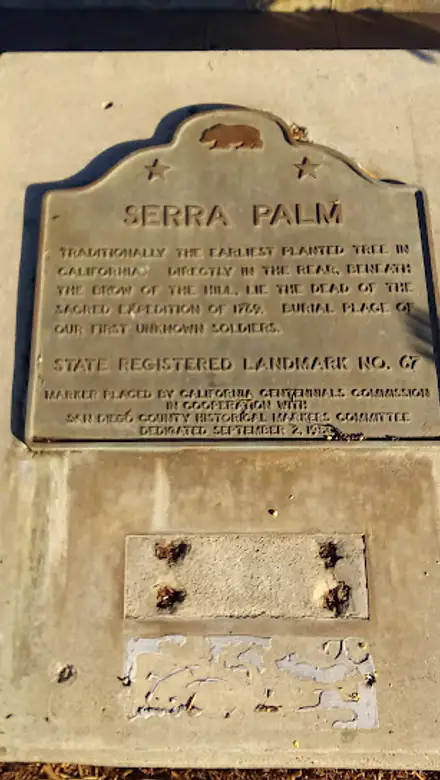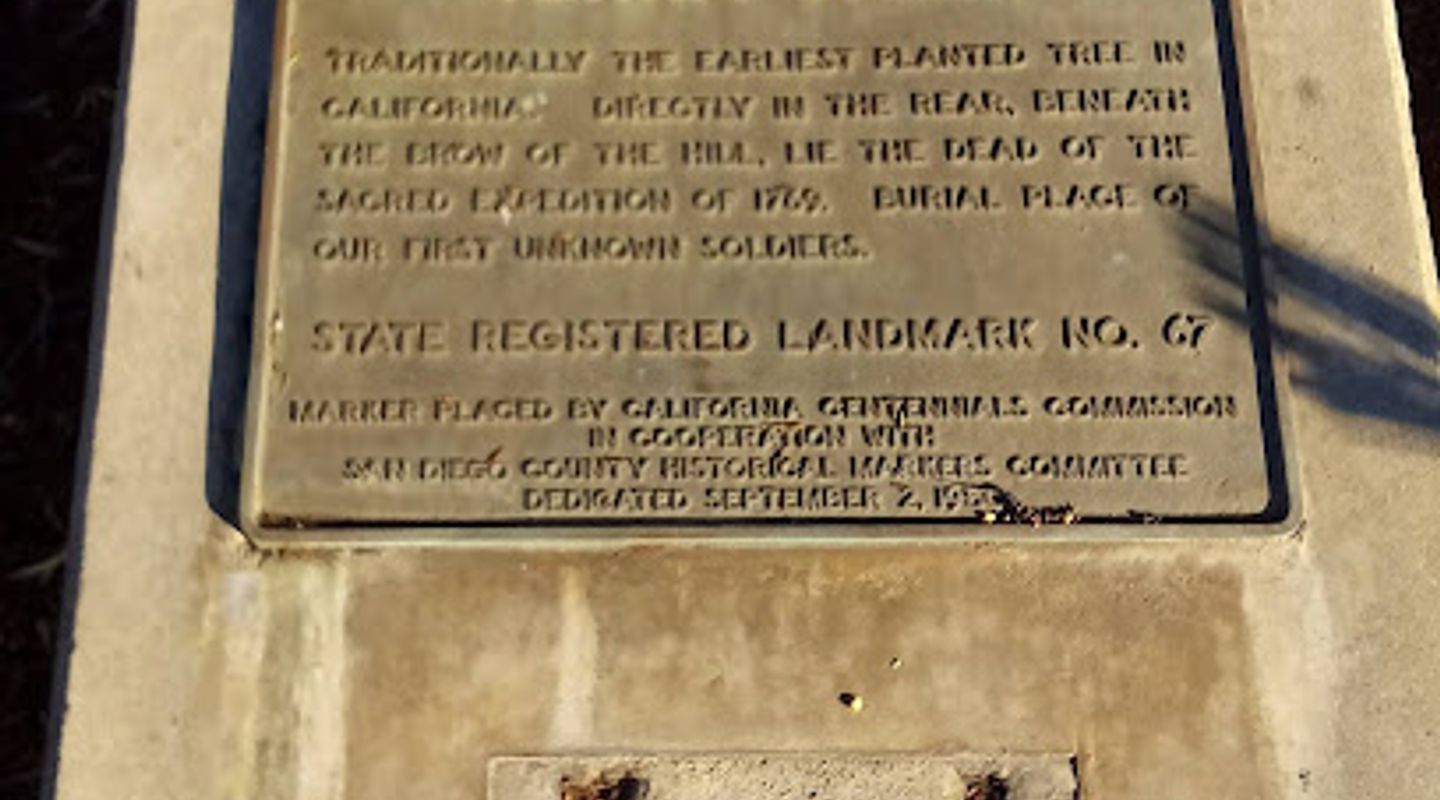
Derby Dike, San Diego County Travel Guide
Explore Derby Dike, an iconic historical landmark in Old Town San Diego, where history meets natural beauty in the heart of California.
Nestled in the vibrant Old Town area of San Diego, Derby Dike stands as a testament to the region's rich history. This historical landmark is a must-visit for tourists seeking to explore the cultural heritage of California. With picturesque views and a serene atmosphere, it's perfect for a leisurely stroll or a moment of reflection.
A brief summary to Derby Dike
- 0554 Taylor St, San Diego, Old Town, California, 92103, US

Know before you go
Hi, I'm Eve. Here are a few practical things to know before exploring Derby Dike.
- Visit early in the morning or late afternoon for the best light for photography.
- Combine your visit with a tour of nearby historic sites for a full day of exploration.
- Bring a picnic to enjoy by the dike while soaking in the tranquil atmosphere.
Do you manage this location?
Take control to get all the benefits, like improved information, better appearance, and stronger visibility across AI-powered discovery. Learn more about listing your business on Evendo
Activate your presenceOther nearby places you may find interesting
The closest places of the same kind, if this one is not quite what you had in mind.
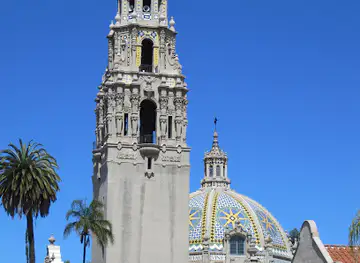
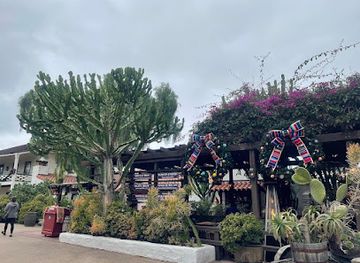
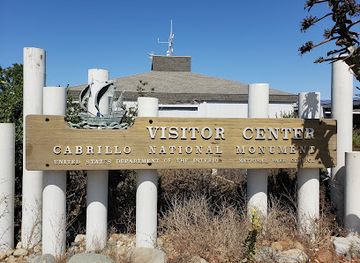
Explore Derby Dike on the Map
A handpicked selection of must-see spots near Derby Dike, mapped for you.
Getting There
-
Car
If you are driving, start by getting onto I-5 S from your location in San Diego County. Follow I-5 S and take exit 18 for 'Cabrillo Freeway' toward CA-163 N. Continue on CA-163 N for about 6 miles. Take the exit towards 'University Ave/CA-15' and merge onto University Ave. Continue for about 1.5 miles until you reach Taylor St. Turn right onto Taylor St, and Derby Dike will be on your right at 0554 Taylor St, San Diego, CA 92103.
-
Public Transportation (Bus)
To reach Derby Dike using public transportation, find the nearest bus stop serviced by San Diego Metropolitan Transit System (MTS). You can take the bus number 7, which travels from various points in San Diego County. Get off at the 'Taylor St & San Diego Ave' stop. From there, walk a short distance down Taylor St towards the address 0554 Taylor St, San Diego, CA 92103. Be sure to check the MTS website for the latest schedules and fares; a one-way fare is approximately $2.50.
-
Public Transportation (Trolley)
If you prefer to take the trolley, board the Blue Line at any station in San Diego County and head towards the 'Old Town' station. Once you arrive at Old Town, exit the trolley and transfer to bus number 7 or walk approximately 0.5 miles to Taylor St. Derby Dike is located at 0554 Taylor St, San Diego, CA 92103. The trolley fare is about $2.50 for a one-way trip.
Discover more about Derby Dike













Your all‑in‑one travel companion app
Explore expert travel guides, compare and book tours, experiences, hotels, and more—all from the palm of your hand. Download now for seamless trip planning wherever your wanderlust takes you.


Explore More of San Diego County
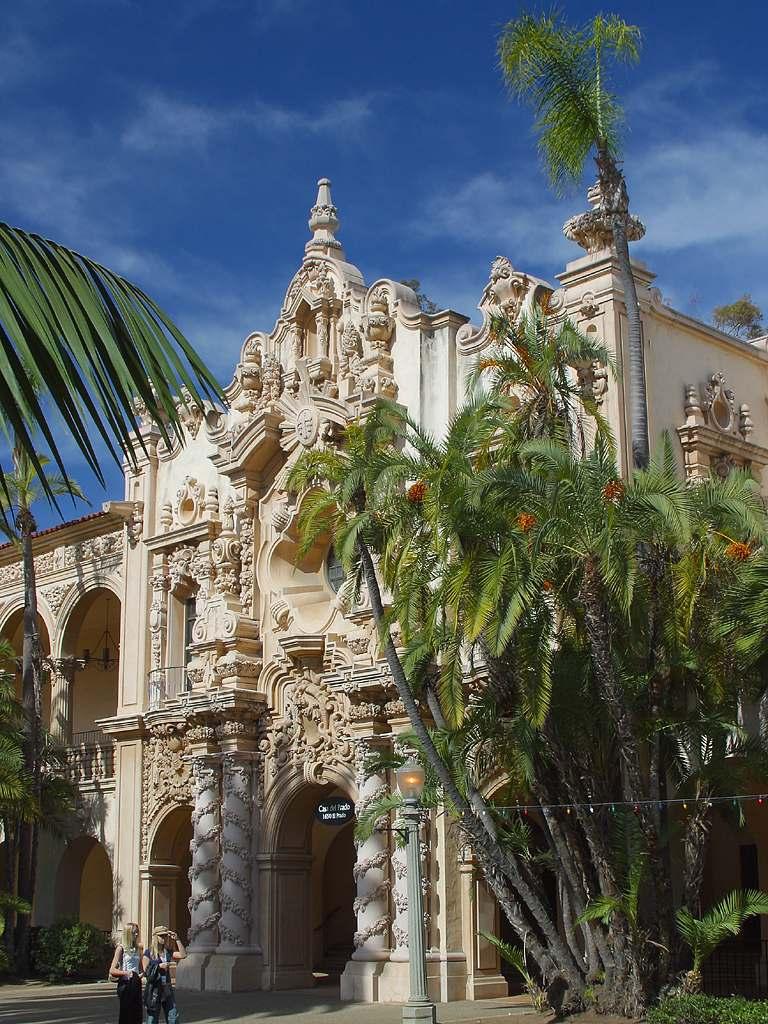
Looking beyond Derby Dike? Discover San Diego County for broader travel guides, local hot-spots, and regional highlights.
Explore San Diego County