
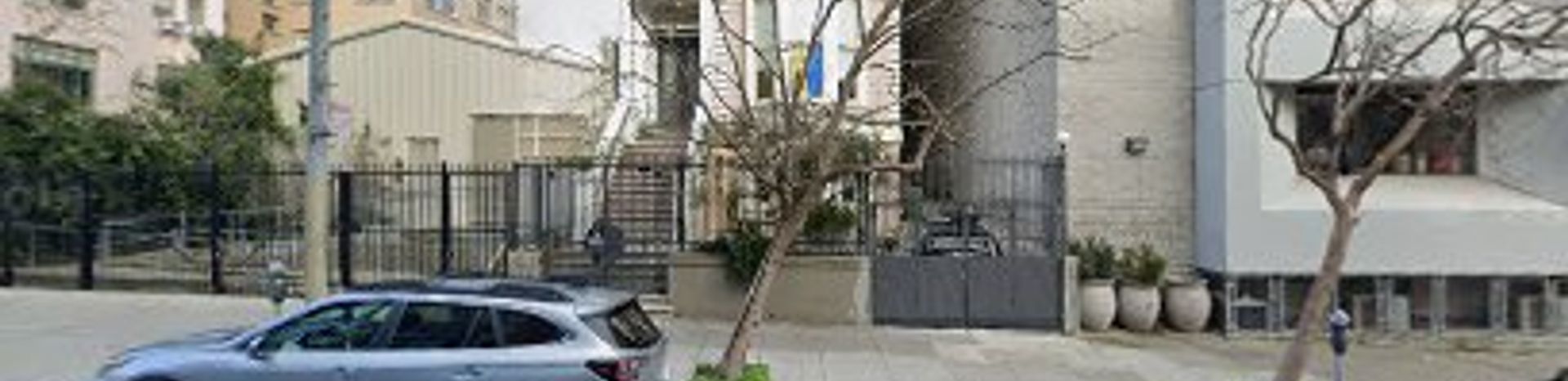
Rothschild House: A Glimpse into San Francisco's Past
Discover the Rothschild House in San Francisco's Fillmore District, a beautifully preserved Italianate landmark offering a glimpse into the city's rich history and architectural heritage.
The Rothschild House, nestled in the vibrant Fillmore District of San Francisco, is a captivating historical landmark that whispers tales of a city in transformation. Built around 1880 for Hugo Rothschild, a German immigrant who made his mark as a confectioner, the house stands as a fine example of restrained Italianate architecture, a style popular during the late 19th century. Its designation as a landmark in 1980 solidified its place in San Francisco's architectural and cultural heritage. The house's history is intertwined with the story of Hugo Rothschild, who arrived in San Francisco in the late 1860s. In partnership with George Ehrenpfort, he established a successful confectionery factory, contributing to the city's burgeoning economy. The Rothschilds, like many immigrant families, sought to build a life for themselves in a new land, and their home on Eddy Street became a symbol of their success and integration into San Francisco society. The house remained in the Rothschild family until 1902. The Fillmore District itself has a rich and diverse history. Originally a predominantly Jewish neighborhood, it transformed after the 1906 earthquake and fire, becoming a haven for those displaced by the disaster. In the 1940s and 50s, the Fillmore blossomed into a vibrant center of African American culture, earning the moniker "the Harlem of the West." Legendary jazz musicians graced the stages of its numerous clubs, solidifying its place in music history. However, urban renewal projects in the 1960s and 70s led to displacement and significant changes in the neighborhood's landscape. The Rothschild House, having survived these transformations, offers a tangible link to the Fillmore's past. Its Italianate design, characterized by its wood-frame construction, two living floors above a ground-level basement, and restrained ornamentation, reflects the architectural trends of the time. The slightly arched windows, pipestem colonettes, and dentilated cornices add to its elegant facade. The horizontal sheathing on the walls creates a visual balance with the vertical elements, showcasing the attention to detail that went into its construction. Over the years, the Rothschild House has served various purposes, from a single-family dwelling to a rooming house and apartments. In 1974, Sally J. Walker purchased the property and undertook its rehabilitation and restoration, reconverting it back to a single-family home. This act of preservation ensured that the house would continue to stand as a reminder of the city's past. Today, the Rothschild House stands as a proud landmark in a neighborhood that continues to evolve. While the immediate vicinity has seen changes, with scattered residential and institutional uses, the house remains a testament to the Fillmore's resilience and cultural significance. Its designation for rehabilitation by the San Francisco Redevelopment Agency and the conveyance of a Preservation Easement to the Foundation for San Francisco's Architectural Heritage further underscore its importance. Visiting the Rothschild House offers a unique opportunity to connect with San Francisco's history and appreciate the architectural beauty of a bygone era. While the interior may not always be accessible, the exterior provides a captivating glimpse into the past. Take a stroll around the Fillmore District, explore its vibrant streets, and imagine the lives of those who once called this neighborhood home. Discover the jazz clubs that echo with the sounds of legendary musicians, browse the boutiques that showcase local designers, and savor the diverse culinary offerings that reflect the neighborhood's multicultural heritage. The Rothschild House is more than just a building; it's a symbol of San Francisco's enduring spirit, a reminder of its rich history, and a testament to the power of preservation. It invites visitors to step back in time and experience the charm and character of a city that has always embraced change while honoring its past. Consider visiting nearby attractions such as the Fillmore Auditorium, a historic music venue that has hosted legendary performers, or explore the African American Freedom Trail, which includes several historic churches in the Fillmore District. Immerse yourself in the neighborhood's jazz culture by attending a live performance at one of the many clubs or visiting during the annual Fillmore Jazz Festival. The Rothschild House is a valuable piece of San Francisco's history, offering a glimpse into the lives of its early residents and the evolution of the Fillmore District. Its architectural beauty and historical significance make it a must-see for anyone interested in exploring the city's rich cultural heritage. Take the time to appreciate this landmark and discover the stories it has to tell.
Local tips
- Explore the Fillmore District's vibrant jazz scene by visiting local clubs and venues, many of which host live performances.
- Check out the Fillmore Auditorium, a legendary music venue that has hosted iconic artists throughout history.
- Wander through the Fillmore District and admire the colorful Victorian architecture that characterizes the neighborhood.
- Visit during the annual Fillmore Jazz Festival in July to experience the neighborhood's rich musical heritage.
- Explore the Fillmore's diverse culinary scene, with restaurants offering a wide range of cuisines reflecting the neighborhood's multicultural heritage.

A brief summary to Rothschild House
- 964 Eddy St, San Francisco, Fillmore District, California, 94109, US
Getting There
-
Public Transport
From the Downtown/Civic Center area, the Rothschild House is easily accessible by public transport. Take the Muni bus lines 5, 5R, 31, or 38/38R to the stops near Divisadero St & Eddy St, which is a short walk to the house. A single ride on Muni costs $3.00, payable with a Clipper card or the MuniMobile app.
-
Taxi/Ride-Share
A taxi or ride-share from Union Square to the Rothschild House will typically cost between $15 and $25, depending on traffic and demand. The journey usually takes around 10-15 minutes.
-
Walking
If you are in the Lower Nob Hill or Western Addition area, walking to the Rothschild House is a viable option. From the intersection of Van Ness Avenue and Eddy Street, walk west on Eddy Street for approximately 5 blocks. The Rothschild House will be on your left. The walk is relatively flat and takes about 15-20 minutes.


