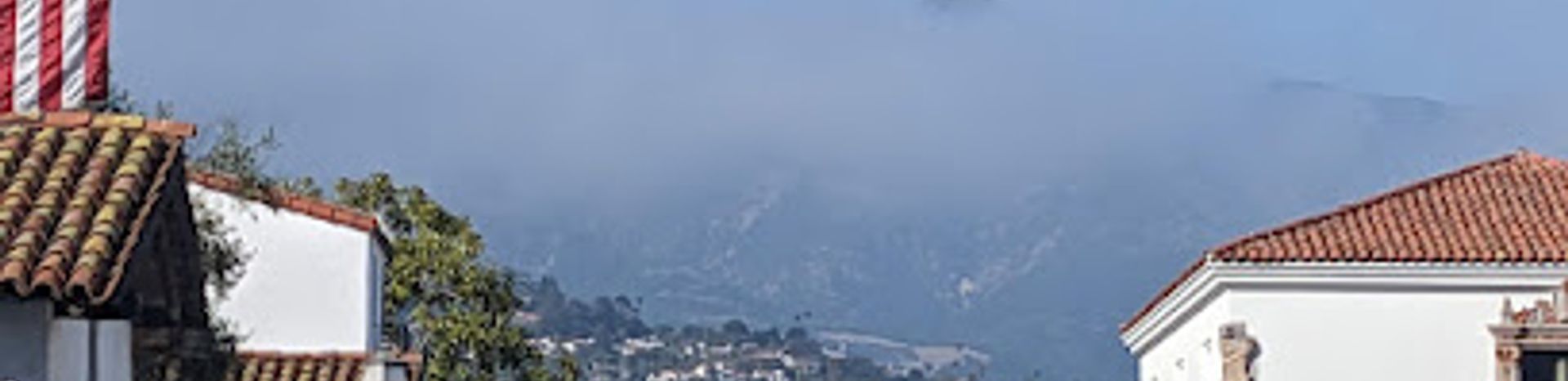
Casa de la Guerra: A Window into Santa Barbara's Past
Explore Santa Barbara's vibrant past at Casa de la Guerra, the meticulously restored home of Comandante José de la Guerra, offering a captivating glimpse into 19th-century California life and culture.
Step back in time at Casa de la Guerra, a beautifully preserved adobe home that once served as the heart of Santa Barbara's social, political, and cultural life during the Mexican period. Built for José de la Guerra, the fifth comandante of the Presidio, this historic landmark offers a glimpse into the lives of the de la Guerra family and the Chumash laborers who supported their household. Explore furnished rooms, learn about the family's legacy, and discover the rich history of early 19th-century Santa Barbara. With its central location in the Presidio neighborhood, Casa de la Guerra is an essential stop for anyone interested in the region's Spanish and Mexican heritage. The Casa is a Santa Barbara City Landmark, a California Historical Landmark, and is listed on the National Register of Historic Places. Admission also includes entry to El Presidio de Santa Bárbara State Historic Park.
A brief summary to Casa de la Guerra
- 15 E De La Guerra St, Santa Barbara, Santa Barbara Downtown, California, 93101, US
- +1805-965-0093
- Visit website
Local tips
- Visit during Fiesta week in August to experience the Casa de la Guerra courtyard alive with traditional music, dance, and cultural celebrations.
- Combine your visit with a trip to El Presidio de Santa Bárbara State Historic Park, as admission to Casa de la Guerra includes entry to the Presidio.
- Check the Santa Barbara Trust for Historic Preservation's calendar for lectures, exhibits, and special events held at the Casa throughout the year.
- Take advantage of the guided tours offered to gain deeper insights into the history of the de la Guerra family and the Casa's significance.

Getting There
-
Walking
Casa de la Guerra is centrally located in downtown Santa Barbara's Presidio neighborhood, making it easily accessible on foot from many nearby attractions and hotels. From State Street, walk east on De la Guerra Street towards City Hall. The Casa is located on the north side of De la Guerra Street, just off State Street. From El Paseo Restaurant, walk across State Street to De la Guerra street. The Casa will be on your left. No costs are associated with walking.
-
Public Transport
Santa Barbara Metropolitan Transit District (MTD) buses serve the downtown area. Several bus lines stop near City Hall, a short walk from Casa de la Guerra. From the Transit Center, take bus lines 5, 20, 33, or 80 and get off at the Anacapa St & De la Guerra St stop. Walk west on De la Guerra St to reach the Casa. A single ride fare is $1.75.
-
Taxi/Ride-Share
Taxis and ride-sharing services like Uber and Lyft are readily available in Santa Barbara. Request a ride to 15 E De la Guerra St. Expect to pay around $8-$15 for a short ride within the downtown area, depending on demand and distance.
-
Driving
If driving, navigate to the intersection of State Street and De la Guerra Street. Limited street parking is available, but can be difficult to find. Hourly parking is available in the public parking lot at 115 E. Canon Perdido Street, a couple blocks away. Parking costs approximately $3 per hour.
Discover more about Casa de la Guerra
Iconic landmarks you can’t miss

El Paseo "Street in Spain"
0.0 km
Discover the charm and history of El Paseo Street in Santa Barbara, Spain, where vibrant culture meets stunning architecture for an unforgettable experience.
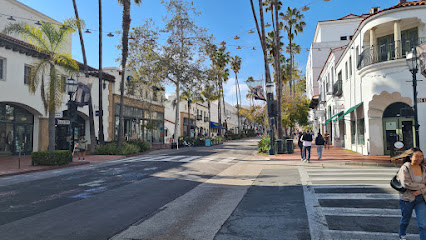
Paseo de la Guerra
0.0 km
Explore the historic Paseo de la Guerra in Santa Barbara, a landmark that embodies the rich cultural heritage of California's coastal history.

De La Guerra Plaza
0.1 km
Experience the vibrant heart of Santa Barbara at De la Guerra Plaza, a historic public square surrounded by iconic architecture, where community and culture come alive.
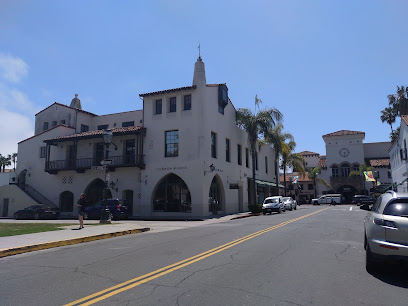
The Orena Adobe
0.1 km
Discover the Orena Adobe in Santa Barbara: a historic landmark showcasing Spanish Colonial heritage and the blending of cultures in California's captivating past.

Santa Barbara Old Japantown Plaque
0.2 km
Explore Santa Barbara's rich cultural tapestry at the Old Japantown Plaque, honoring the legacy of the Japanese community that once thrived in this historic city.

Casa Covarrubias
0.3 km
Step back in time at Casa Covarrubias, a beautifully preserved 1817 adobe offering a glimpse into Santa Barbara's rich history and the lives of its prominent early families.

Janssens-Orella-Birk Building
0.4 km
Explore the Janssens-Orella-Birk Building in Santa Barbara, a historic landmark showcasing enchanting Spanish Colonial Revival architecture and a captivating glimpse into the city's past.
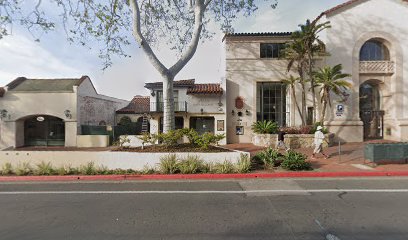
Rafael González House
0.5 km
Explore the historical charm of Rafael González House, a stunning example of Spanish-Moorish architecture in Santa Barbara's Laguna neighborhood.
Andalucia Building
0.8 km
Discover the Andalucia Building in Santa Barbara: A unique Moorish-style landmark on State Street, blending history, architecture, and downtown charm for an unforgettable experience.
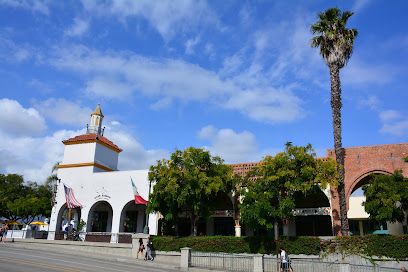
Area 5.1 Winery
1.0 km
Discover unconventional wine blends in a quirky, alien-themed tasting room located in Santa Barbara's Funk Zone, offering an out-of-this-world experience with live music and a vibrant atmosphere.
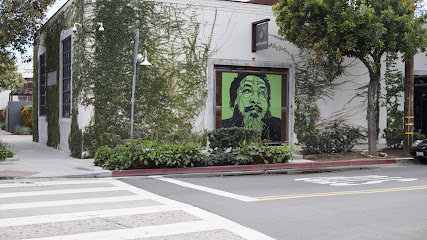
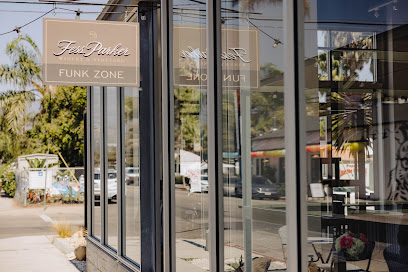
Fess Parker Funk Zone
1.0 km
Experience the acclaimed wines of Fess Parker Winery in the heart of Santa Barbara's Funk Zone, a vibrant arts district offering a modern tasting experience and a taste of local wine heritage.
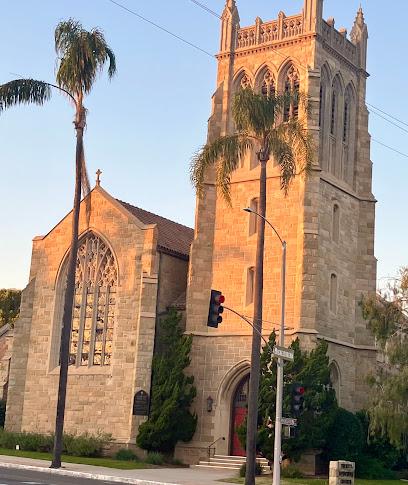
Trinity Episcopal Church
1.1 km
Discover a Santa Barbara landmark: Trinity Episcopal Church, a historic sanctuary with stunning Gothic architecture, vibrant community programs, and a welcoming spirit for all.
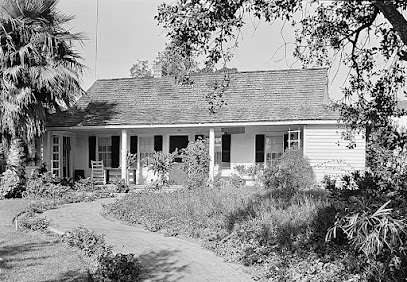
Hastings Adobe
1.1 km
Discover the Hastings Adobe in Santa Barbara, a historic landmark built in 1854, blending New England charm with California history, offering a glimpse into the past.
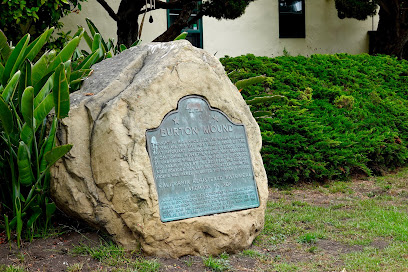
Burton Mound State Historical Landmark
1.2 km
Discover the historical landmark of Burton Mound in Santa Barbara, the site of the ancient Chumash village of Syujtun, and reflect on the rich cultural heritage of the California coast.
Funk Zone Studios
1.3 km
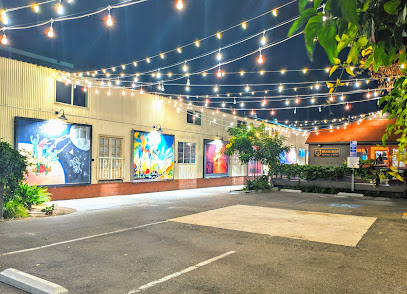
Explore the vibrant Funk Zone Studios in Santa Barbara, where art, photography, and creativity come together in a colorful coastal atmosphere.
Unmissable attractions to see

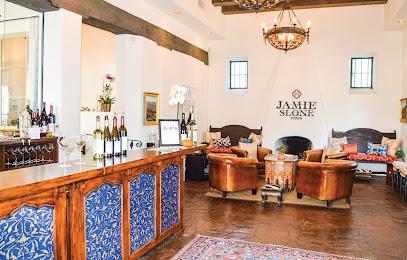
Jamie Slone Wines
0.1 km
Experience the finest wines and a charming ambiance at Jamie Slone Wines in downtown Santa Barbara, a perfect destination for wine lovers and event seekers.
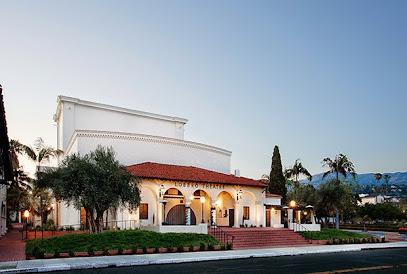
Lobero Theatre
0.1 km
Experience the magic of performing arts at California's oldest continuously operating theater, a historic landmark in the heart of Santa Barbara.
Santa Barbara Historical Museum
0.2 km
Explore the Santa Barbara Historical Museum, where rich history, art, and culture come together, showcasing the stories of a vibrant coastal city.
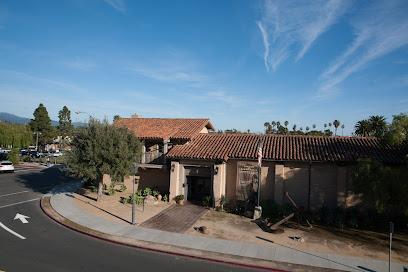
El Presidio de Santa Bárbara State Historic Park
0.3 km
Explore the historic El Presidio de Santa Bárbara State Historic Park, a gateway to California's colonial past filled with culture and natural beauty.
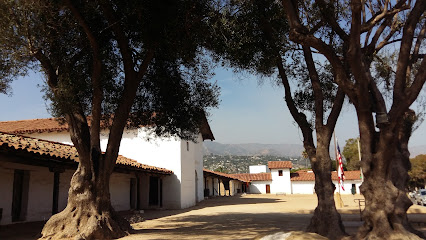
Santa Barbara Fox
0.3 km
Experience the charm of Santa Barbara Fox, a historic theater blending art, culture, and entertainment in the heart of California's coastal gem.
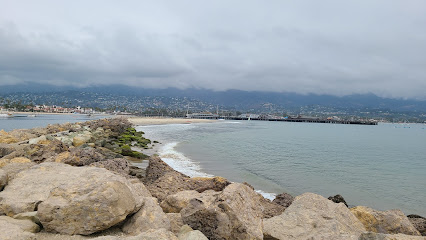
Hill Carrillo Adobe
0.3 km
Explore Hill Carrillo Adobe, a historic gem in Santa Barbara reflecting California's rich architectural heritage and cultural history.
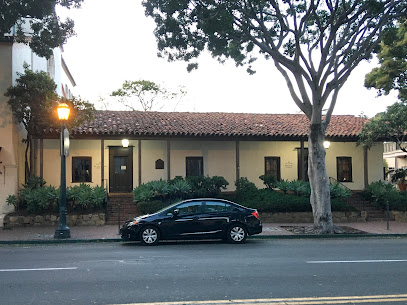
Susan Quinlan Doll & Teddy Bear Museum & Library
0.3 km
Discover the charm of dolls and teddy bears at Santa Barbara's enchanting Susan Quinlan Doll & Teddy Bear Museum & Library, a treasure trove for collectors and families alike.

Scavenger Hunt Walking Tours - Santa Barbara
0.4 km
Experience the vibrant culture and history of Santa Barbara through interactive scavenger hunt walking tours that engage the whole family.
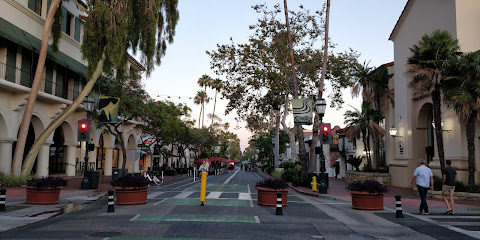
Superior Court Of California County Of Santa Barbara
0.5 km
Explore the historical Superior Court of California in Santa Barbara, a stunning architectural gem showcasing the region's rich heritage.
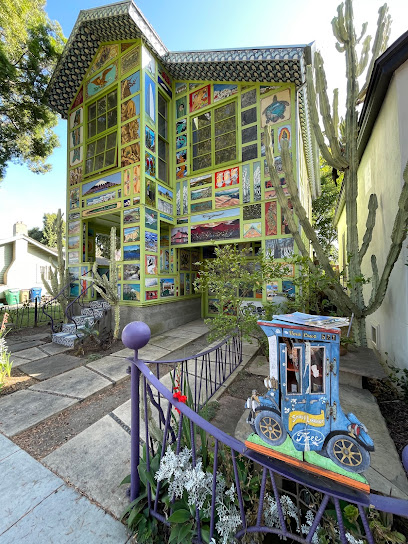
Vera Cruz - House with murals
0.5 km
Explore the vibrant murals of Vera Cruz in Santa Barbara, a dynamic tourist attraction celebrating community art and culture.
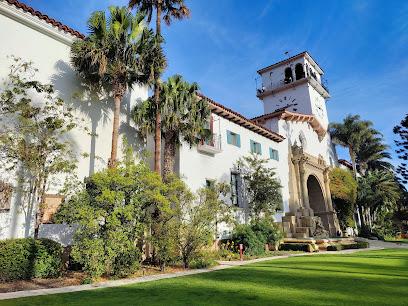
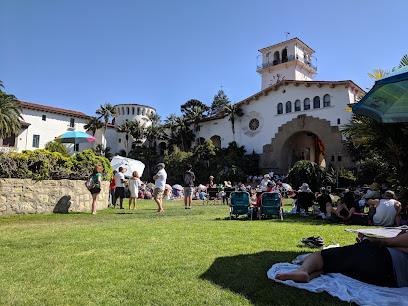
Santa Barbara County Courthouse Gardens
0.5 km
Discover the stunning gardens of Santa Barbara County Courthouse, a historical landmark blending nature and culture in California's beautiful coastal city.
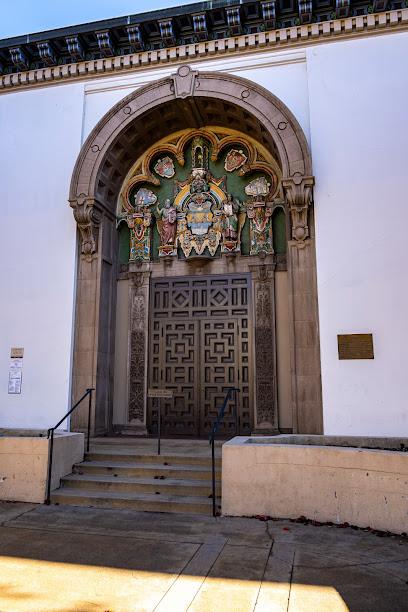
Santa Barbara Museum Of Art
0.5 km
Explore the Santa Barbara Museum of Art, a cultural treasure trove featuring diverse art collections and engaging programs in beautiful coastal California.

Santa Barbara Public Library
0.5 km
Discover the Santa Barbara Public Library, where books, art, and community come together in a beautiful setting in downtown Santa Barbara.
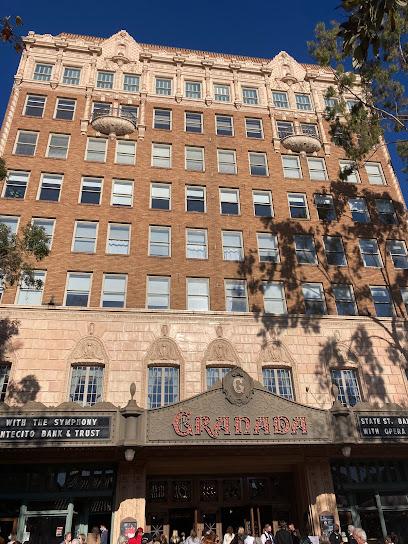
The Granada Theatre
0.6 km
Experience the rich cultural heritage and vibrant performances at The Granada Theatre, a historic landmark in Santa Barbara, California.
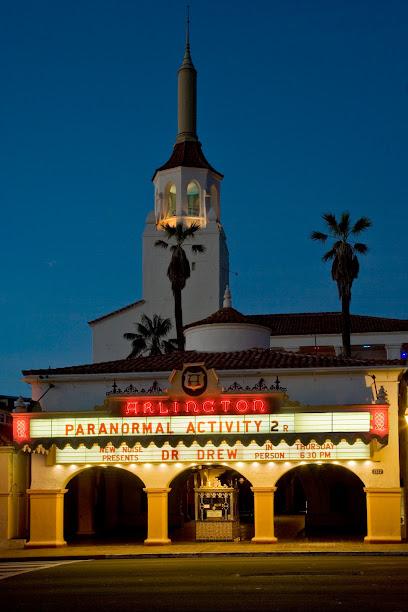
Arlington Theatre
0.8 km
Discover the enchanting Arlington Theatre in Santa Barbara, where performing arts, cocktails, and cinematic magic come to life.
Essential places to dine

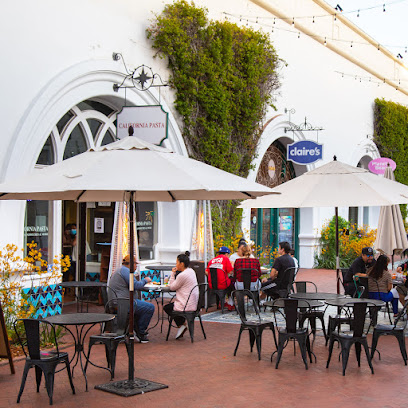
California Pasta
0.1 km
Discover authentic Italian cuisine at California Pasta in Santa Barbara - where every dish is crafted with love and tradition.
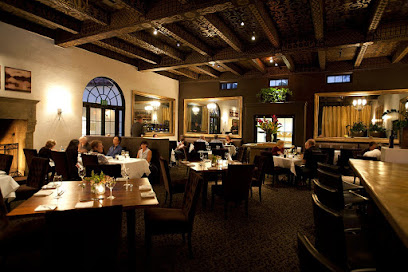
Intermezzo by Wine Cask
0.1 km
Experience exquisite fine dining at Intermezzo by Wine Cask in Santa Barbara – where seasonal flavors meet exceptional service.
The Blue Owl
0.1 km
Discover fusion cuisine and live music at The Blue Owl in Santa Barbara - where every meal is an unforgettable experience.
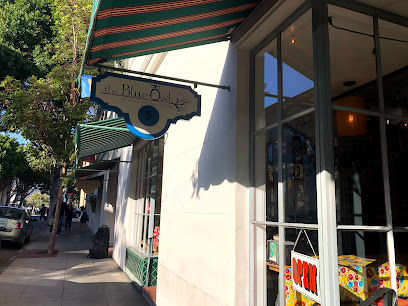
Eureka!
0.2 km
Discover Eureka!, the vibrant American restaurant in Santa Barbara offering delicious comfort food and craft beverages in a lively atmosphere.
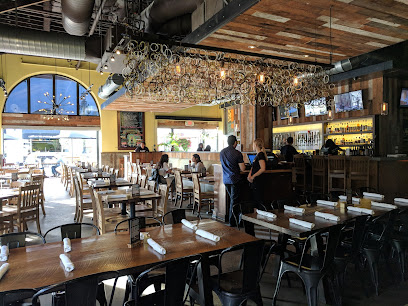
Roy
0.2 km
Experience authentic Italian cuisine at Roy in Santa Barbara – where every meal is a celebration of flavor and tradition.
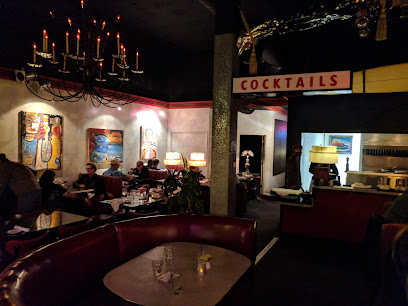
Cajun Kitchen
0.3 km
Experience authentic Southern cuisine at Cajun Kitchen in Santa Barbara - where hearty breakfasts meet vibrant flavors.
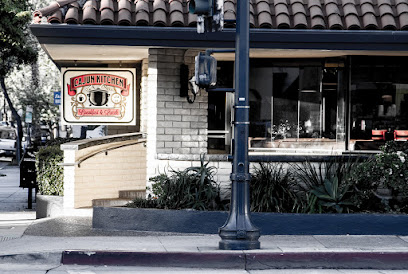
Finch & Fork
0.3 km
Discover Finch & Fork: A premier dining destination in Santa Barbara offering innovative New American cuisine in an inviting atmosphere.
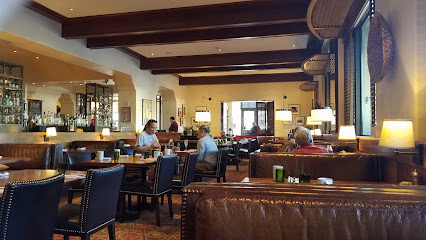
Chase Restaurant and Lounge
0.3 km
Experience exquisite Italian-American cuisine at Chase Restaurant and Lounge in Santa Barbara's vibrant downtown area.
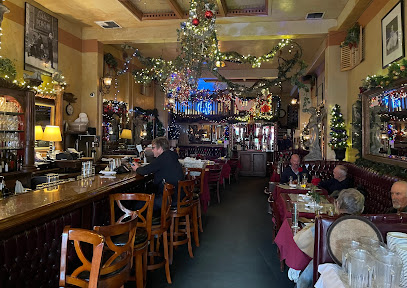
Jill's Place Restaurant
0.4 km
Discover the taste of expertly grilled steaks and handcrafted cocktails at Jill's Place Restaurant in beautiful Santa Barbara.
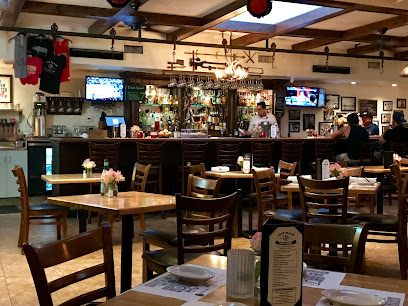
Joe's Cafe
0.4 km
Experience the best of American cuisine at Joe's Cafe in Santa Barbara - where delicious meals meet lively ambiance.
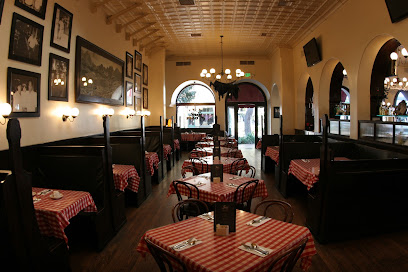
The Palace Grill
0.4 km
Experience the vibrant flavors of American cuisine at The Palace Grill in Santa Barbara, where every meal tells a delicious story.
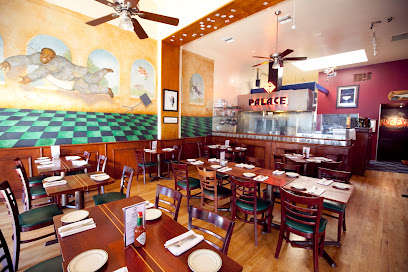
Barbareño
0.4 km
Discover Barbareño: Where American flavors meet local ingredients in an unforgettable dining experience in Santa Barbara.
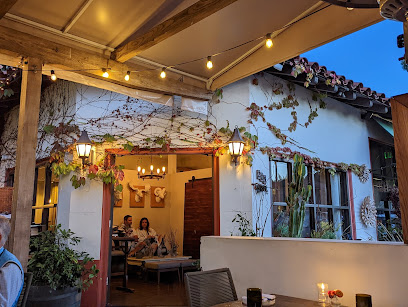
Petit Valentien
0.4 km
Discover authentic French cuisine at Petit Valentien in Santa Barbara – where every dish tells a story of culinary artistry and passion.
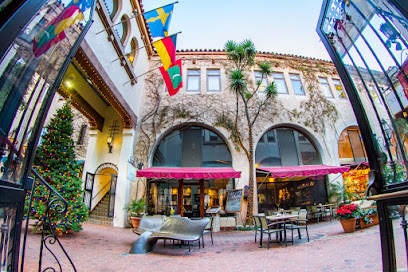
Mizza
0.5 km
Savor authentic Italian flavors at Mizza in Santa Barbara - where every bite feels like a trip to Italy.
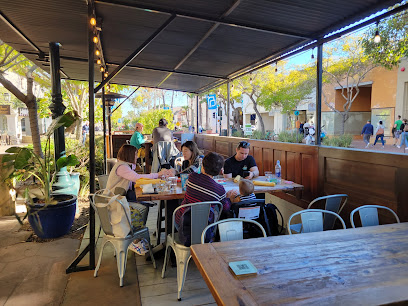
State & Fig
0.5 km
Experience authentic Californian cuisine at State & Fig, where fresh ingredients meet culinary artistry in Santa Barbara's vibrant downtown.
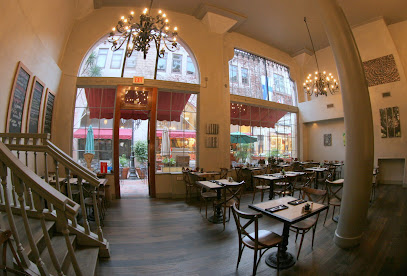
Markets, malls and hidden boutiques

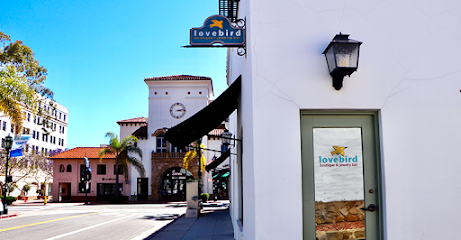
Lovebird Boutique & Jewelry Bar
0.0 km
Explore the unique charm of Lovebird Boutique & Jewelry Bar in Santa Barbara, where fashion meets elegance with a curated selection of clothing and jewelry.
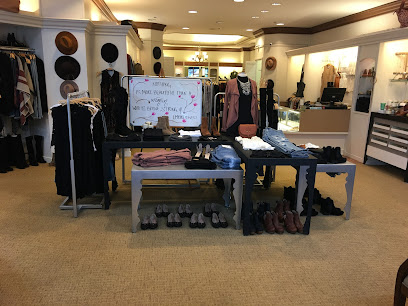
Evangelina Boutique
0.1 km
Experience the charm of Santa Barbara shopping at Evangelina Boutique, where unique styles and local artistry come together.
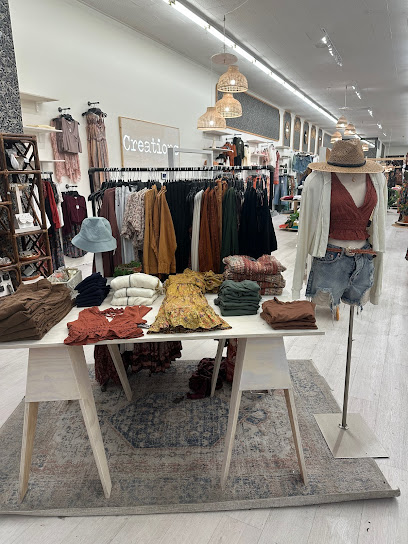
Creations Boutique
0.1 km
Discover the essence of Santa Barbara fashion at Creations Boutique, your go-to destination for stylish women's clothing and accessories.
Salt Boutique
0.1 km
Explore the elegance of Salt Boutique, Santa Barbara's premier destination for women's fashion and unique local styles.
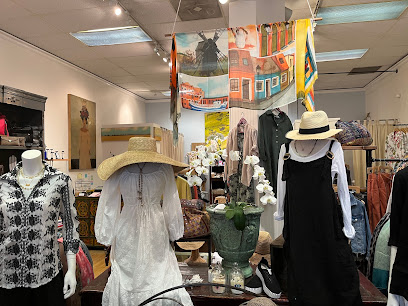
Marshalls
0.1 km
Experience unbeatable deals on fashion and essentials at Marshalls Santa Barbara, where every visit is a treasure hunt for unique finds.
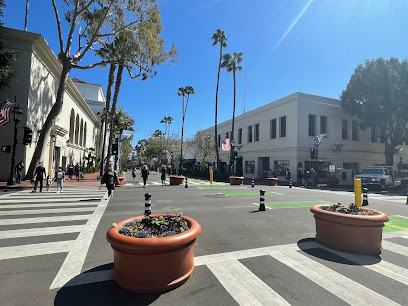
Paseo Nuevo
0.1 km
Discover the charm of Paseo Nuevo, Santa Barbara's premier shopping destination with unique stores, delightful dining, and vibrant community events.
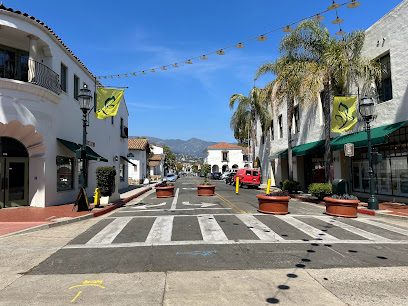
Sands Boutique
0.1 km
Discover unique fashion at Sands Boutique in Santa Barbara, featuring stylish women's and men's clothing along with trendy swimwear.
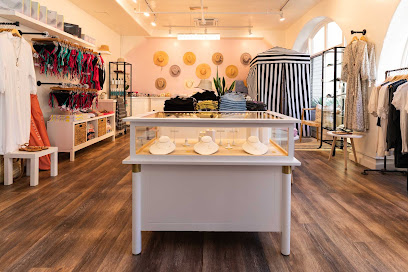
URBAN FLEA MARKET
0.1 km
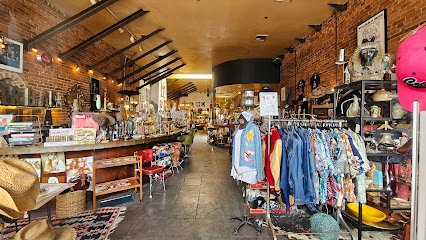
Explore the Urban Flea Market in Santa Barbara to find vintage clothing, antiques, and unique gifts in a vibrant atmosphere full of local culture.
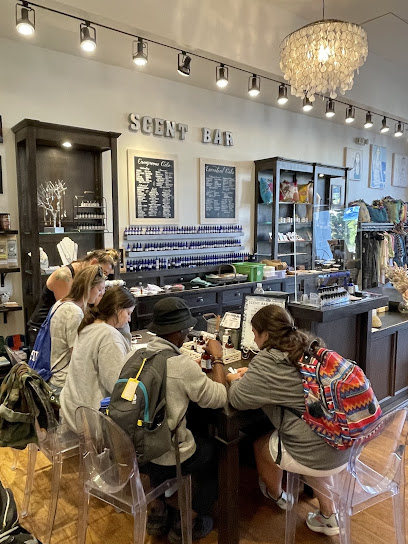
The Grapeseed Company @ Seaside Makers Collective
0.1 km
Explore The Grapeseed Company for unique, locally sourced gifts and artisan products that embody the spirit of California's coastal charm.
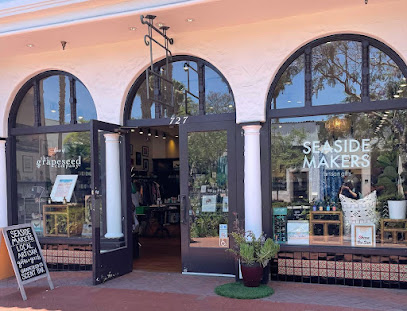
Seaside Makers - Santa Barbara
0.1 km
Explore Santa Barbara's Seaside Makers for unique gifts and local art, where creativity and craftsmanship meet in a vibrant shopping experience.
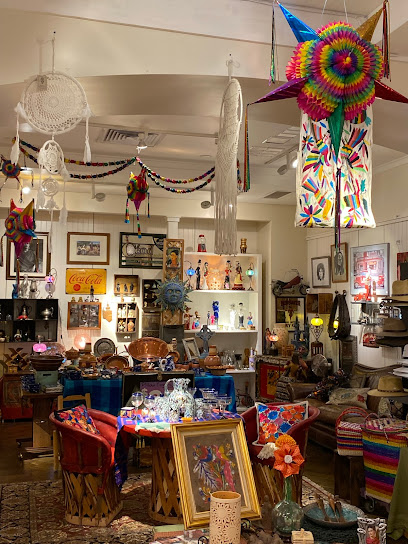
Zitzilin Imports
0.1 km
Discover unique handcrafted gifts and local treasures at Zitzilin Imports, a charming gift shop in Santa Barbara's vibrant downtown.
Moon River
0.2 km
Explore Moon River, Santa Barbara's charming gift shop, offering custom t-shirts, unique souvenirs, and hobby supplies for every traveler.
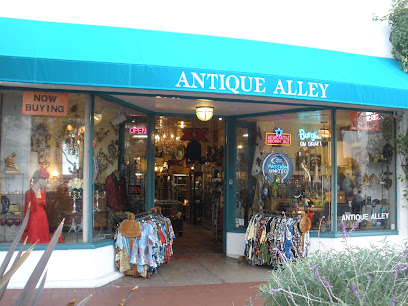
Antique Alley
0.2 km
Explore Antique Alley in Santa Barbara for a unique blend of vintage treasures, art, and local charm that captures the essence of California's rich history.
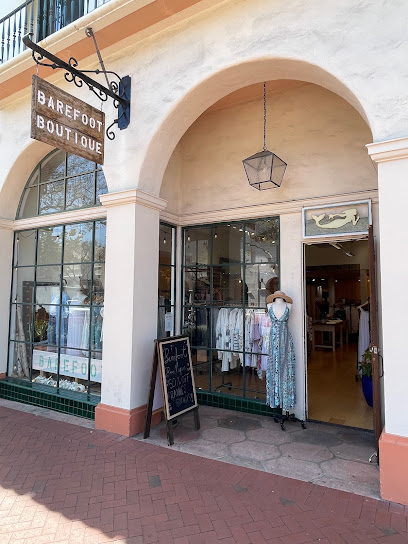
Barefoot Boutique
0.2 km
Explore Barefoot Boutique: Your go-to destination for unique clothing and accessories in the heart of Santa Barbara's vibrant shopping scene.
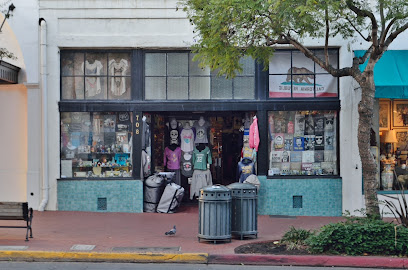
Only In Santa Barbara
0.3 km
Shop unique gifts and souvenirs that capture the essence of Santa Barbara at Only In Santa Barbara, a must-visit destination for travelers.
Essential bars & hidden hideouts

Press Room
0.2 km
Experience the vibrant nightlife at The Press Room, a charming bar in Santa Barbara offering generous pours and a welcoming atmosphere for all.
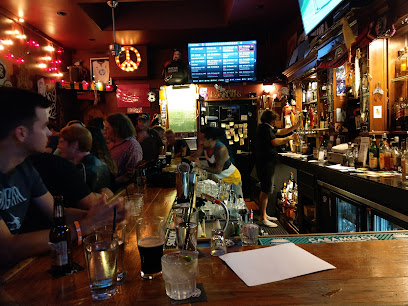
The Pickle Room
0.2 km
Experience the vibrant nightlife at The Pickle Room - Santa Barbara's premier cocktail bar and grill that delights with innovative drinks and delicious food.
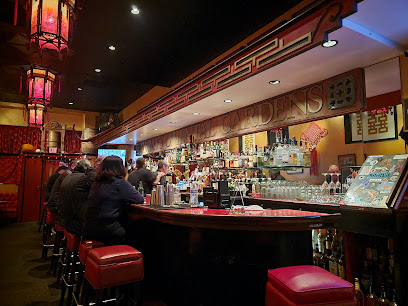
Dargan's
0.2 km
Experience authentic Irish hospitality at Dargan's, a lively pub in Santa Barbara offering delicious cuisine and live entertainment.
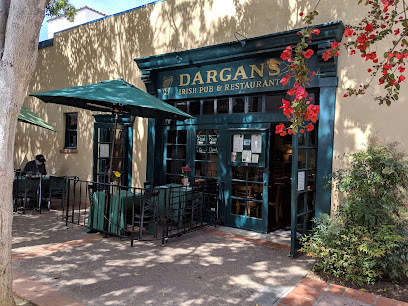
The Bobcat Room
0.3 km
Experience the vibrant retro charm of The Bobcat Room in Santa Barbara, where unique cocktails and lively atmosphere await every visitor.
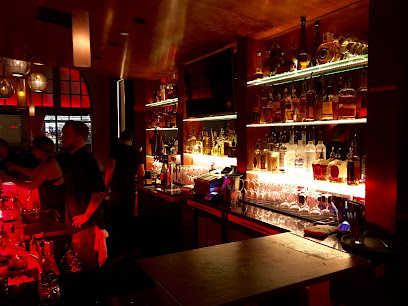
Elsies Tavern
0.3 km
Experience the lively atmosphere at Elsies Tavern, Santa Barbara's go-to pub for drinks, food, and friendly gatherings in a vibrant setting.
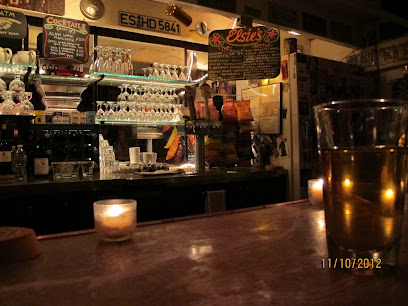
Old Kings Road
0.4 km
Discover the vibrant atmosphere and delightful offerings of Old Kings Road, a beloved pub in Santa Barbara perfect for relaxation and local flavor.
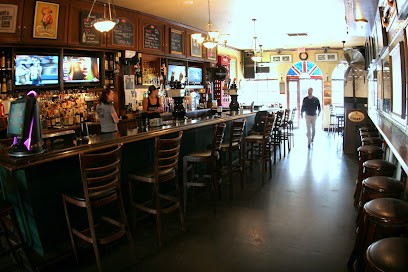
Dusk Bar
0.4 km
Experience the vibrant nightlife of Santa Barbara at Dusk Bar, where creative cocktails and a relaxing atmosphere await every visitor.
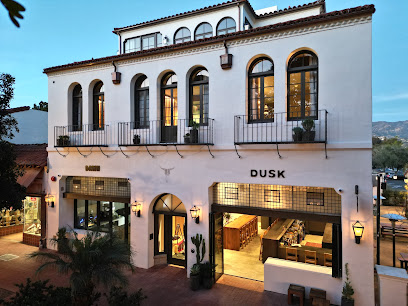
O'Malleys Bar
0.4 km
Discover O'Malleys Bar in Santa Barbara, a vibrant cocktail bar offering expertly crafted drinks and a lively atmosphere for an unforgettable night out.
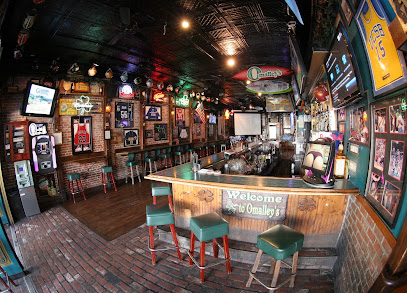
Mel's Lounge
0.5 km
Experience the vibrant atmosphere and affordable drinks at Mel's Lounge, a popular dive bar in Santa Barbara, CA.
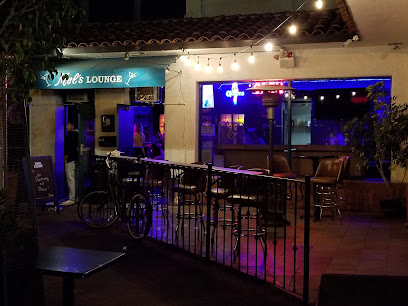
Odessa Lounge
0.5 km
Discover a serene wine haven at Odessa Lounge in Santa Barbara, where exquisite wines and a cozy atmosphere create unforgettable moments.
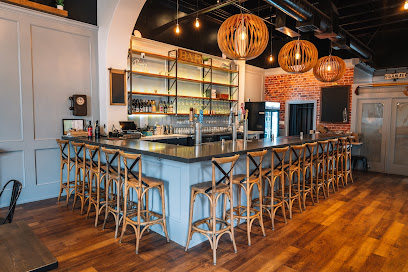
Unbearable Skee Lodge
0.5 km
Experience the vibrant atmosphere of Unbearable Skee Lodge, where craft beer meets fun arcade games in Santa Barbara's lively bar scene.
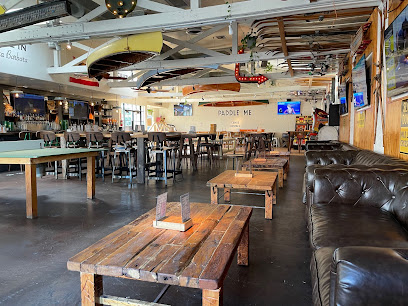
Santa Barbara Wine Therapy
0.5 km
Experience the ultimate wine journey at Santa Barbara Wine Therapy, a charming bar offering exquisite local and international wines paired with delectable bites.
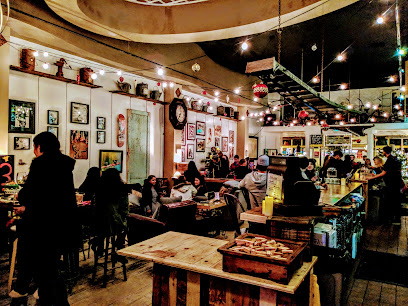
Whiskey Richards
0.6 km
Experience the vibrant nightlife at Whiskey Richards, Santa Barbara's beloved bar with live music, pool tables, and a welcoming atmosphere.
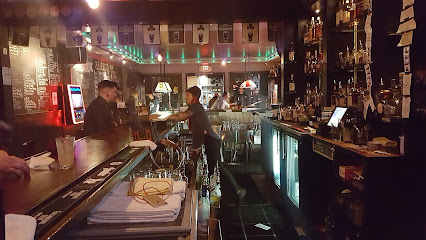
Shaker Mill
0.6 km
Experience innovative cocktails and a lively atmosphere at Shaker Mill, the go-to cocktail bar in Santa Barbara's Lower State neighborhood.
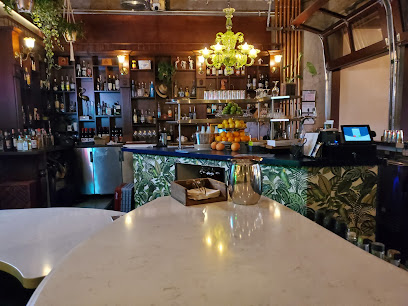
The Good Lion
0.6 km
Experience the vibrant cocktail culture of Santa Barbara at The Good Lion, where expertly crafted drinks meet a lively atmosphere.
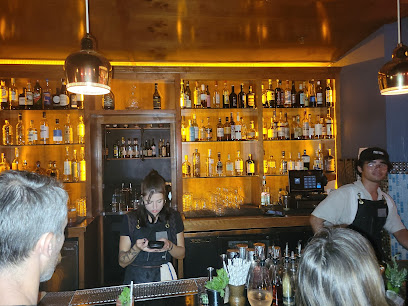
Nightclubs & after hour spots

Wildcat Lounge
0.3 km
Discover the vibrant nightlife at Wildcat Lounge in Santa Barbara, featuring creative cocktails, lively atmosphere, and late-night fun.
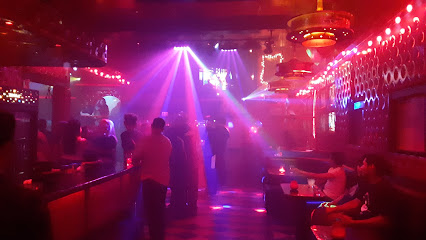
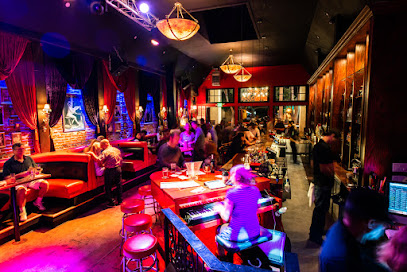
The Red Piano
0.5 km
Discover the charm of The Red Piano in Santa Barbara, a premier piano bar offering live music, exquisite cocktails, and a vibrant nightlife experience.
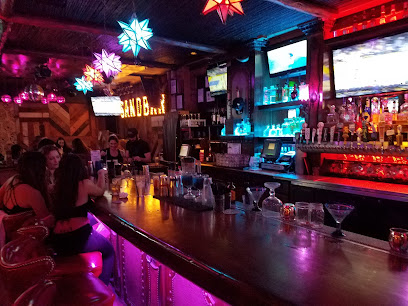
Sandbar
0.5 km
Savor authentic Mexican cuisine and vibrant nightlife at Sandbar, a must-visit spot in Santa Barbara for food lovers and partygoers alike.
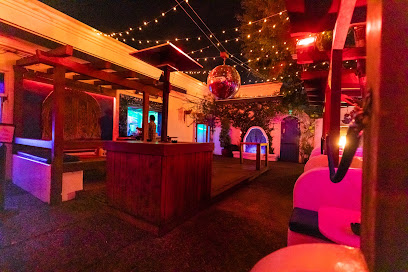
EOS Lounge
0.5 km
Discover the vibrant nightlife at EOS Lounge in Santa Barbara, where live music meets craft cocktails in a stylish lounge atmosphere.
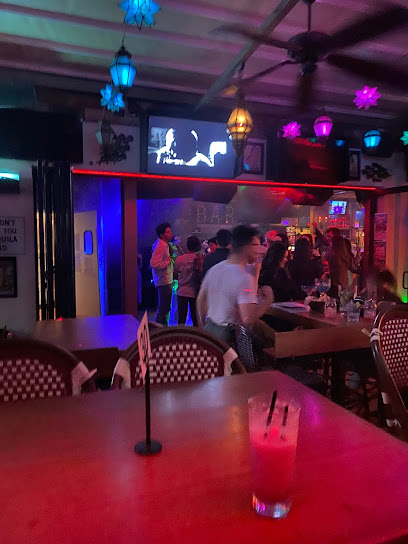
Indochine
0.6 km
Experience the vibrant nightlife of Santa Barbara at Indochine, a lively night club offering eclectic music and a welcoming atmosphere.
The vip
0.6 km
Experience the heartbeat of Santa Barbara's nightlife at The VIP, where unforgettable nights and vibrant energy await.
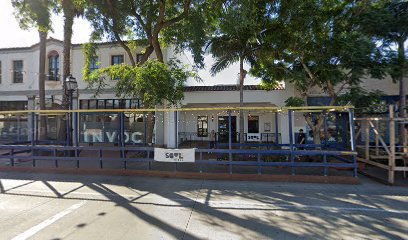
Backstage Santa Barbara
0.6 km
Discover the lively nightlife of Backstage Santa Barbara - a premier bar and lounge featuring cocktails, music, and unforgettable experiences.
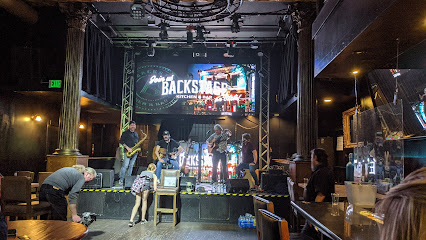
MLounge
0.7 km
Experience the vibrant nightlife of Santa Barbara at MLounge, where unique cocktails and a stylish atmosphere await you.
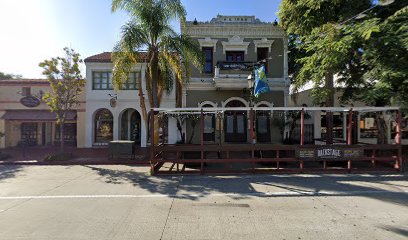
SOhO Restaurant & Music Club
0.7 km
Discover Santa Barbara's nightlife at SOhO Restaurant & Music Club, where dining meets live music in an intimate setting.
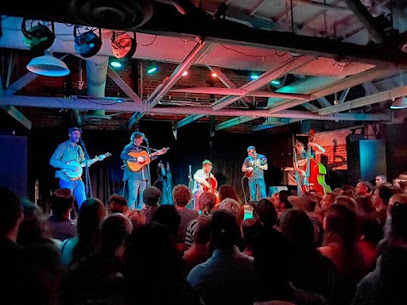
La Pachanga
1.5 km
Experience the electrifying atmosphere at La Pachanga, Santa Barbara's premier night club featuring vibrant music, delicious drinks, and unforgettable dance nights.
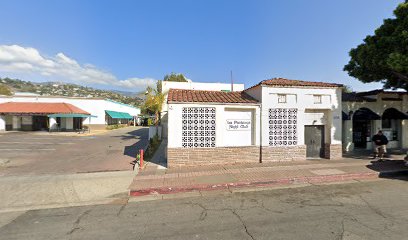
Emerson Lower Rooms
4.9 km
Discover the energetic nightlife of Emerson Lower Rooms in Montecito, California, where music and camaraderie create unforgettable memories.
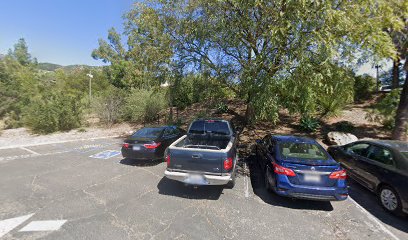
The Tower Club, Oxnard
52.7 km
Experience the elegance of The Tower Club in Oxnard, where stunning views, exquisite cocktails, and vibrant nightlife await.
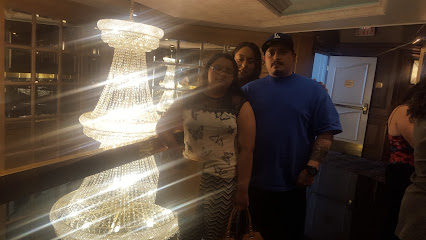
Ruby's Cafe
53.9 km
Discover the vibrant flavors and festive atmosphere of Ruby's Cafe, a premier Mexican dining experience in Oxnard, California.
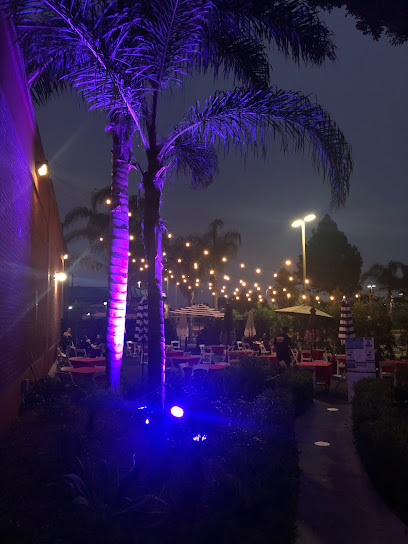
VidaLive!
54.1 km
Discover the lively nightlife at VidaLive! in Oxnard, California, where vibrant drinks and a friendly atmosphere await.
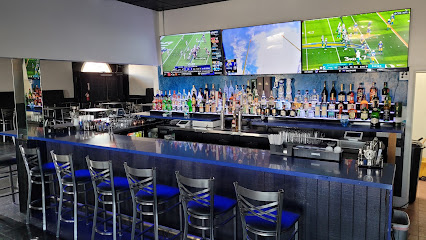
Spearmint Rhino Gentlemen's Club Oxnard
56.2 km
Discover the vibrant adult entertainment scene at Spearmint Rhino Gentlemen's Club Oxnard, where nightlife comes alive with exhilarating performances.