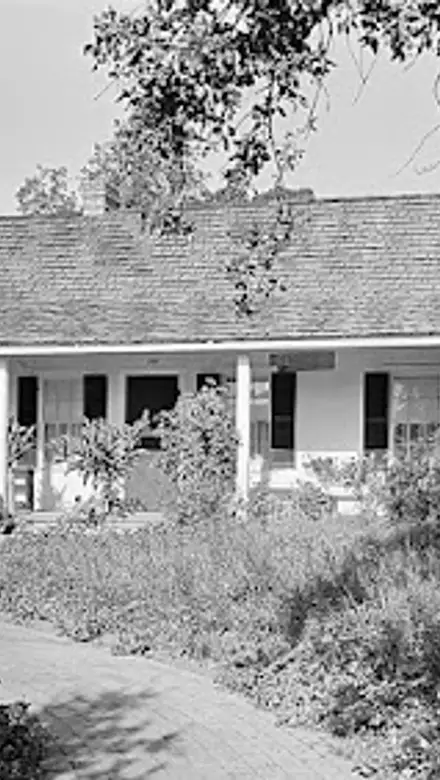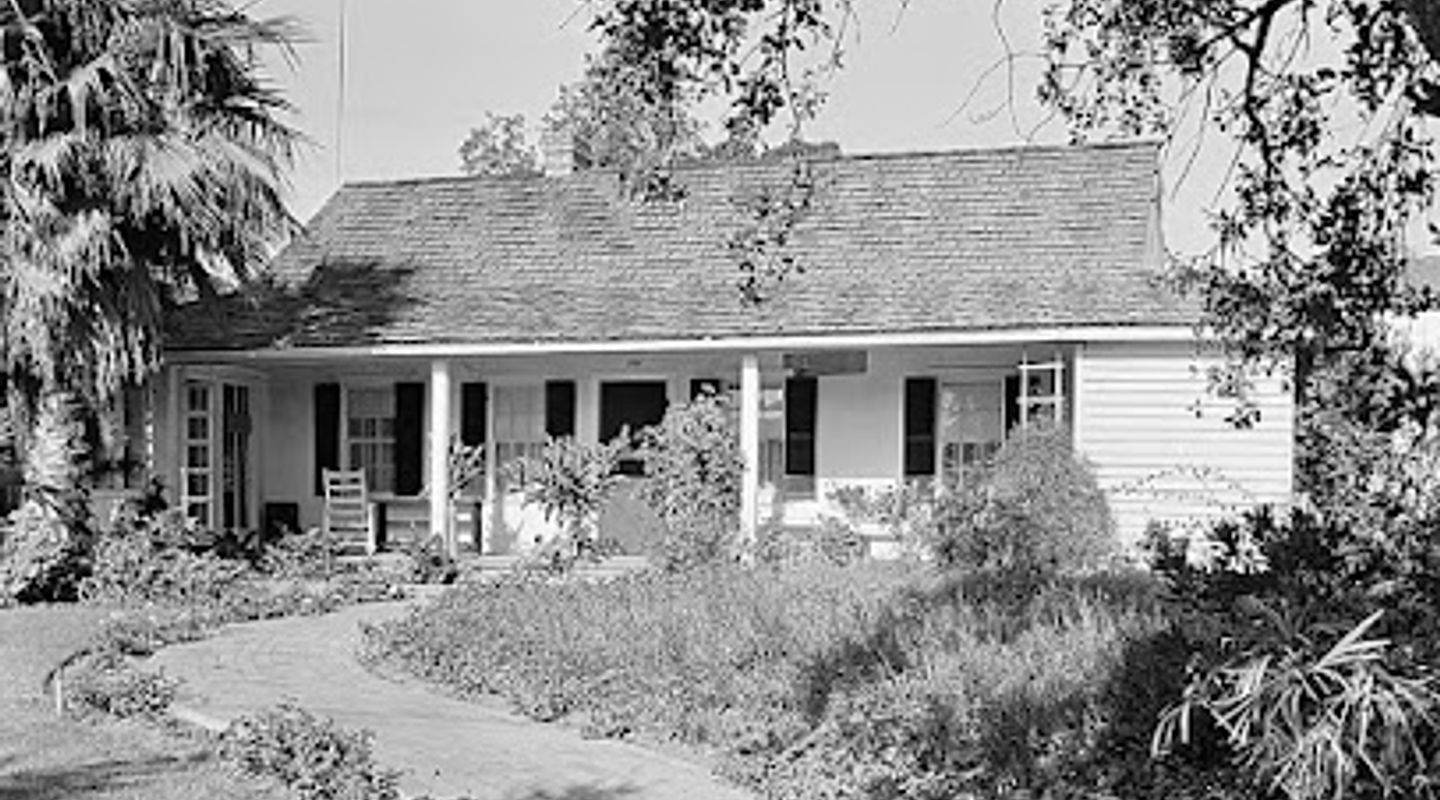
Hastings Adobe, Santa Barbara Travel Guide
Discover Hastings Adobe in Santa Barbara: A historic landmark built in 1854, blending New England style with California charm, and a testament to the city's heritage.
The Hastings Adobe, also known as the Trussell-Winchester Adobe, stands as a testament to Santa Barbara's rich history. Built in 1854, this California Historical Landmark offers a glimpse into the city's early architectural styles and the lives of its prominent residents. Constructed by Captain Horatio Gates Trussell using materials salvaged from the shipwrecked S.S. Winfield Scott, the adobe showcases a blend of New England practicality and California charm. Later owned by the Winchester family, it eventually became a gift to the Santa Barbara Historical Society, preserving its legacy for future generations. Visiting this landmark provides a unique opportunity to step back in time and appreciate the cultural heritage of Santa Barbara.
A brief summary to Hastings Adobe
- 412 W Montecito St, Santa Barbara, California, 93101, US

Know before you go
Hi, I'm Eve. Here are a few practical things to know before exploring Hastings Adobe.
- While Hastings Adobe is a private residence, take time to admire its architecture from the street and read the historical marker to learn about its history.
- Explore the surrounding neighborhood, known for its art galleries, boutiques, and restaurants, to experience the vibrant culture of Santa Barbara.
- Combine your visit with a walk along West Montecito Street to see other historic homes and buildings in the area.
Do you manage this location?
Take control to get all the benefits, like improved information, better appearance, and stronger visibility across AI-powered discovery. Learn more about listing your business on Evendo
Activate your presenceOther nearby places you may find interesting
The closest places of the same kind, if this one is not quite what you had in mind.
Explore Hastings Adobe on the Map
A handpicked selection of must-see spots near Hastings Adobe, mapped for you.
Getting There
-
Walking
From the intersection of State Street and West Montecito Street, walk west on West Montecito Street for approximately two blocks. Hastings Adobe will be on your left at 412 W Montecito St. The walk is relatively flat and should take about 5-10 minutes. Note the nearby businesses and residential architecture as you approach.
-
Public Transport
The Santa Barbara Metropolitan Transit District (MTD) has several bus lines that stop near the intersection of State Street and West Montecito Street. From there, follow the walking directions. A single ride on the MTD costs approximately $1.75. Check the MTD website for current schedules and route information.
-
Taxi/Ride-Share
Request a taxi or ride-share (Uber/Lyft) to 412 W Montecito St, Santa Barbara. From downtown Santa Barbara, a ride-share will typically cost between $8-$12, depending on demand and time of day. Be aware of potential surge pricing during peak hours.
-
Driving
From Highway 101, exit onto Castillo Street and head north. Turn right onto West Montecito Street. Hastings Adobe will be on your right. Street parking is available, but can be limited. Check street signs for parking restrictions. City parking lots are available downtown, with the first 75 minutes free and $3.00 per hour thereafter, up to a daily maximum of $33.00.
Discover more about Hastings Adobe













Your all‑in‑one travel companion app
Explore expert travel guides, compare and book tours, experiences, hotels, and more—all from the palm of your hand. Download now for seamless trip planning wherever your wanderlust takes you.


Explore More of Santa Barbara
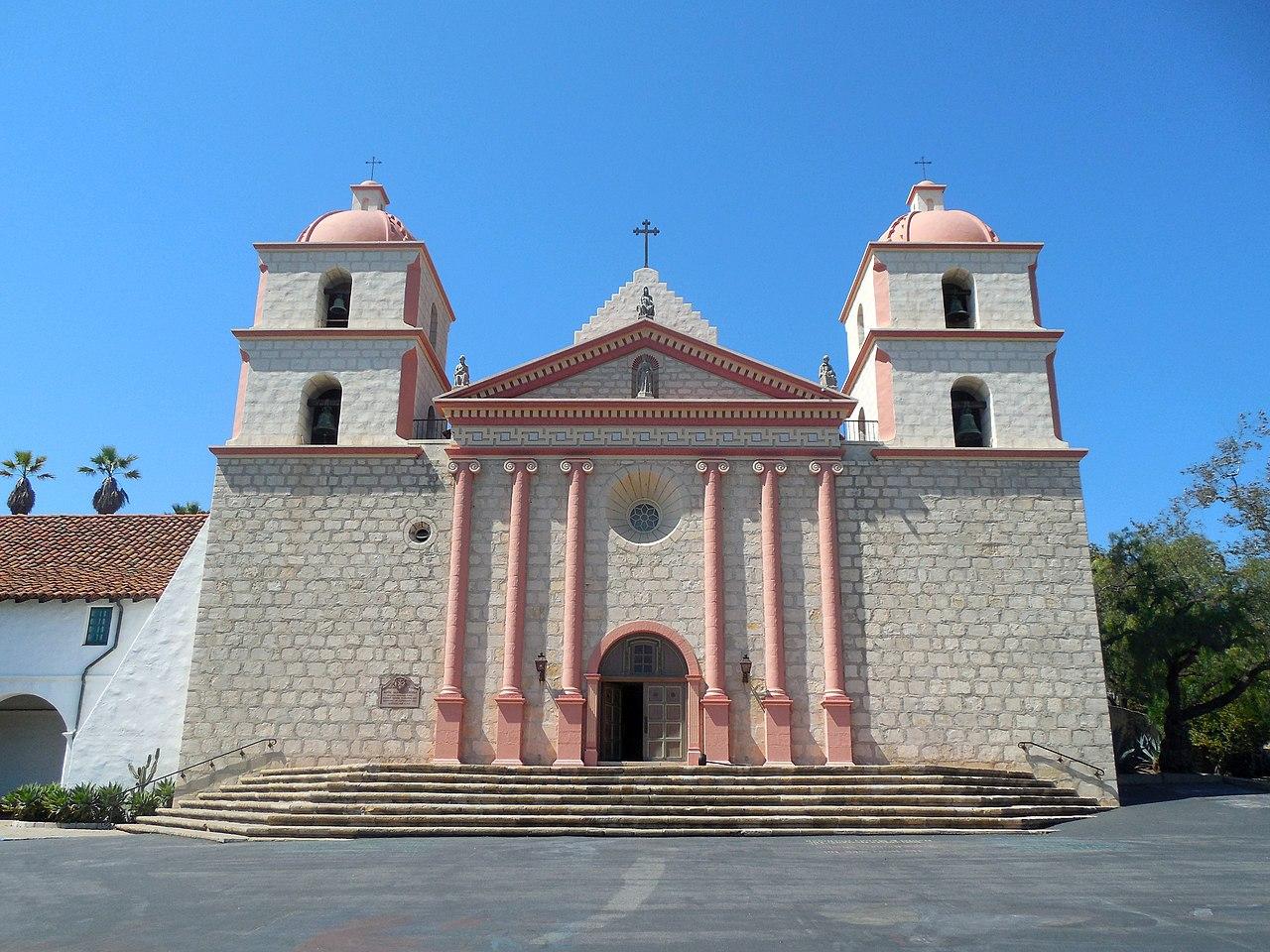
Looking beyond Hastings Adobe? Discover Santa Barbara for broader travel guides, local hot-spots, and regional highlights.
Explore Santa Barbara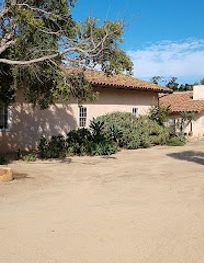
Step back in time at Casa Covarrubias, a beautifully preserved 1817 adobe offering a glimpse into Santa Barbara's rich history and the lives of its prominent early families.
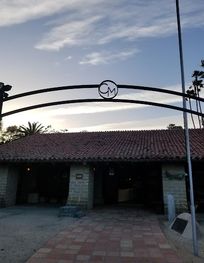
Discover a captivating collection of vintage carriages, saddles, and Western art in Santa Barbara, offering a unique glimpse into the region's rich transportation history and cultural heritage.