
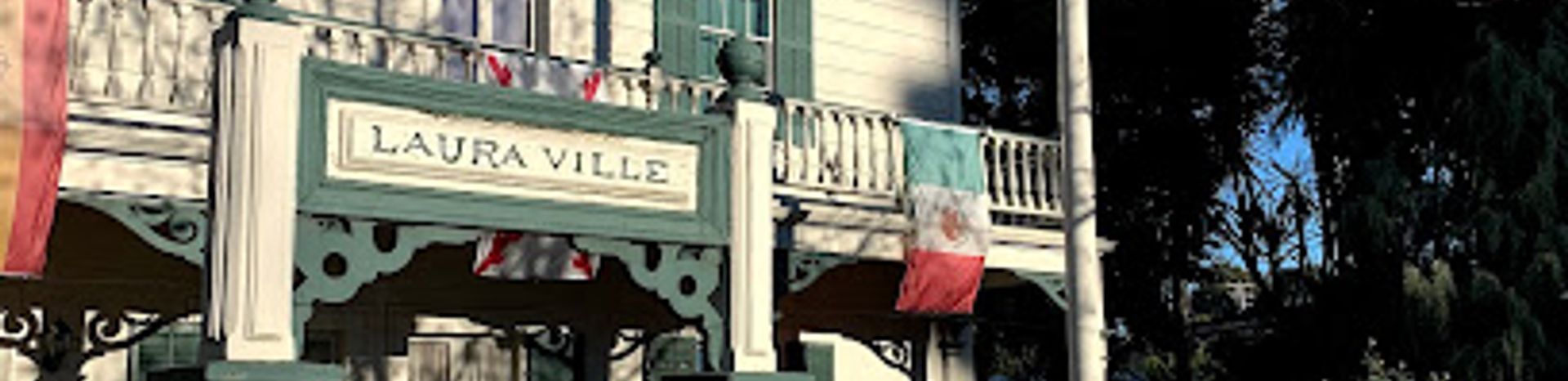
Roberto Adobe & Sunol House: A Glimpse into California's Past
Discover California's past at the Roberto Adobe & Sunol House in San Jose: a preserved landmark showcasing Native American and Spanish colonial history in the heart of Willow Glen.
The Roberto Adobe & Sunol House, nestled in the heart of San Jose's Willow Glen, offers a captivating journey into California's rich and diverse past. This historical landmark comprises two distinct structures: the Roberto Adobe, dating back to approximately 1836, and the Sunol House, built in 1847. Together, they stand as a testament to the region's Native American, Spanish, and early American influences. The Roberto Adobe, constructed by Roberto Balermino, a member of the local Tamien Ohlone tribe, represents one of the few remaining adobes in San Jose. Balermino, who once worked as a cook at Mission Santa Clara, received a land grant in 1844 from Governor Juan Bautista Alvarado for his Rancho de los Coches, encompassing over 2,200 acres. The adobe served as his family's home, embodying the simple yet resilient lifestyle of early California settlers. In 1847, Antonio Suñol, a Spanish-born businessman and prominent figure in San Jose, acquired the property from Balermino. Suñol, an educated man who had served as mayor, city attorney, and postmaster, constructed a brick house adjacent to the adobe. This Sunol House, the first brick residence in Alta California, became a hub of social and political activity, hosting members of the first California Legislature. Suñol's influence extended throughout the region, solidifying his place in local history. Over the years, the property changed hands, with notable owners including Captain Stefano Splivalo, a Dalmatian sea captain, who added a second story and wood siding to the Sunol House in the 1850s. Later, the Bassoni family maintained a Willow Glen orchard on the land until 1966, contributing to the area's agricultural heritage. In 2013, the Bruzzone family, who had owned the property since the 1970s and operated a law office there, generously donated the Roberto Adobe & Sunol House to the California Pioneers of Santa Clara County. This non-profit organization, dedicated to preserving local history, transformed the site into a free museum for the public's benefit. Today, visitors can explore the meticulously restored Roberto Adobe & Sunol House, gaining insights into the lives of its early inhabitants. The museum features exhibits showcasing artifacts, documents, and stories that bring the past to life. Knowledgeable docents provide guided tours, sharing fascinating details about the Balermino, Suñol, and other families who shaped the region. The grounds surrounding the buildings offer a tranquil setting, with lush gardens and pathways that invite leisurely exploration. A traditional horno, or Spanish oven, and a historic Mission fig tree add to the site's charm and authenticity. The Roberto Adobe & Sunol House stands as a tangible link to California's past, offering a unique opportunity to connect with the stories of those who came before us. The Roberto Adobe & Sunol House is more than just a museum; it's a living testament to the diverse cultures and experiences that have shaped the Santa Clara Valley. From the humble adobe of Roberto Balermino to the elegant brick house of Antonio Suñol, each structure tells a story of resilience, innovation, and community. A visit to this historical landmark is an enriching experience for anyone interested in learning about California's fascinating heritage. Visiting the Roberto Adobe & Sunol House is like stepping into a time capsule, where the echoes of the past resonate through the preserved walls and artifacts. The museum's exhibits offer a comprehensive overview of the region's history, from its Native American roots to its Spanish colonial era and its eventual incorporation into the United States. Visitors can learn about the daily lives of the early settlers, their challenges and triumphs, and their contributions to the development of the Santa Clara Valley. The museum's docents are passionate about sharing their knowledge and providing engaging tours that cater to visitors of all ages. They bring the stories of the Roberto Adobe & Sunol House to life, making history accessible and relevant. Whether you're a seasoned history buff or a curious newcomer, you're sure to find something to captivate your interest. The Roberto Adobe & Sunol House is not only a valuable educational resource but also a beautiful and peaceful place to spend an afternoon. The gardens surrounding the buildings offer a respite from the hustle and bustle of modern life, allowing visitors to connect with nature and reflect on the past. The site's serene atmosphere makes it an ideal destination for families, students, and anyone seeking a deeper understanding of California's heritage.
Local tips
- Check the opening hours before visiting; the museum is typically open only on Saturdays from 12 PM to 2 PM.
- Join a guided tour for valuable insights into the history of the Adobe and its significance in the Santa Clara Valley.
- Explore the gardens and grounds surrounding the buildings for a peaceful and immersive experience.
- Consider visiting during special events or exhibitions for a more engaging and interactive experience.

A brief summary to Roberto Adobe & Sunol House
- 770 Lincoln Ave, San Jose, Willow Glen, California, 95126, US
Getting There
-
Public Transport
From the Santa Clara Transit Center, take the VTA Light Rail (Blue Line) towards the Santa Teresa station. Ride for 6 stops and get off at the 'San Jose Diridon Station.' Transfer to the VTA Light Rail (Green Line) in the direction of the Old Ironsides station. Ride for 3 stops and get off at the 'Civic Center Station.' From the Civic Center, walk south on N 1st St for about 0.5 miles until you reach E Santa Clara St. Turn right onto E Santa Clara St and continue for about 0.3 miles. Turn left onto Lincoln Ave, and you will find Roberto Adobe & Sunol House at 770 Lincoln Ave, San Jose, CA 95126. A single ride on VTA light rail is $2.50.
-
Walking
If you are in downtown Santa Clara, head east on E Santa Clara St towards N 1st St. Continue straight for about 1 mile until you reach the intersection with Lincoln Ave. Turn right onto Lincoln Ave. Continue walking for about 0.5 miles, and you will arrive at Roberto Adobe & Sunol House located at 770 Lincoln Ave, San Jose, CA 95126.
-
Driving
If driving, navigate to 770 Lincoln Ave, San Jose, CA 95126. Limited free parking is available behind the building; enter from the side street next to the highway. Parking is free.


