

Santa Clara Tower, Santa Clara Travel Guide
Explore the Santa Clara Tower, a meticulously restored 1926 railway interlocking tower, offering a glimpse into California's rich railroad history and the technology that kept trains running smoothly.
The Santa Clara Tower, a well-preserved Harriman Standard #4 interlocking tower, stands as a testament to the golden age of railroading. Built in 1926 and operational from 1927 to 1993, it controlled the complex junction of the Coast Line and Western Division of the Southern Pacific Railroad. Today, lovingly restored by the South Bay Historical Railroad Society, the tower offers a glimpse into the intricate workings of railway signaling and the vital role these towers played in ensuring safe and efficient train operations. While tours may be limited, the tower's exterior and its historical significance make it a worthwhile stop for rail enthusiasts and history buffs alike. Its proximity to the Santa Clara Caltrain station further enhances its accessibility and appeal.
A brief summary to Santa Clara Tower
- 601 CA-82, Santa Clara, California, 95050, US
- Click to display

Know before you go
Hi, I'm Eve. Here are a few practical things to know before exploring Santa Clara Tower.
- Check the South Bay Historical Railroad Society's website for potential open house events or limited tours of the tower's interior.
- Combine your visit with a stop at the adjacent Santa Clara Caltrain station to experience a broader sense of the area's railway heritage.
- Take photos of the tower from different angles to capture its architectural details and its relationship to the surrounding railway environment.
Do you manage this location?
Take control to get all the benefits, like improved information, better appearance, and stronger visibility across AI-powered discovery. Learn more about listing your business on Evendo
Activate your presenceOther nearby places you may find interesting
The closest places of the same kind, if this one is not quite what you had in mind.


Explore Santa Clara Tower on the Map
A handpicked selection of must-see spots near Santa Clara Tower, mapped for you.
Getting There
-
Public Transport
From the Santa Clara Caltrain Station, the Santa Clara Tower is a very short walk. Exit the station towards Railroad Avenue. The tower is located adjacent to the station, on the same side of the tracks. No additional fares are required beyond your Caltrain ticket to reach the station.
-
Driving
If driving, navigate to 601 CA-82, Santa Clara, CA 95050. Note that parking directly adjacent to the tower is limited. Consider parking at the Santa Clara Caltrain Station parking lot or nearby street parking. Parking fees at the Caltrain station vary, but typically range from $2-$8 per day. Street parking may be metered, with rates around $1-2 per hour.
-
Taxi/Ride-Share
Taxis and ride-sharing services (Uber/Lyft) can drop you off directly at the Santa Clara Caltrain Station. From there, the tower is a short walk as described above. A ride-share from within Santa Clara should cost approximately $8-$15, depending on distance and demand.
Discover more about Santa Clara Tower













Your all‑in‑one travel companion app
Explore expert travel guides, compare and book tours, experiences, hotels, and more—all from the palm of your hand. Download now for seamless trip planning wherever your wanderlust takes you.


Explore More of Santa Clara
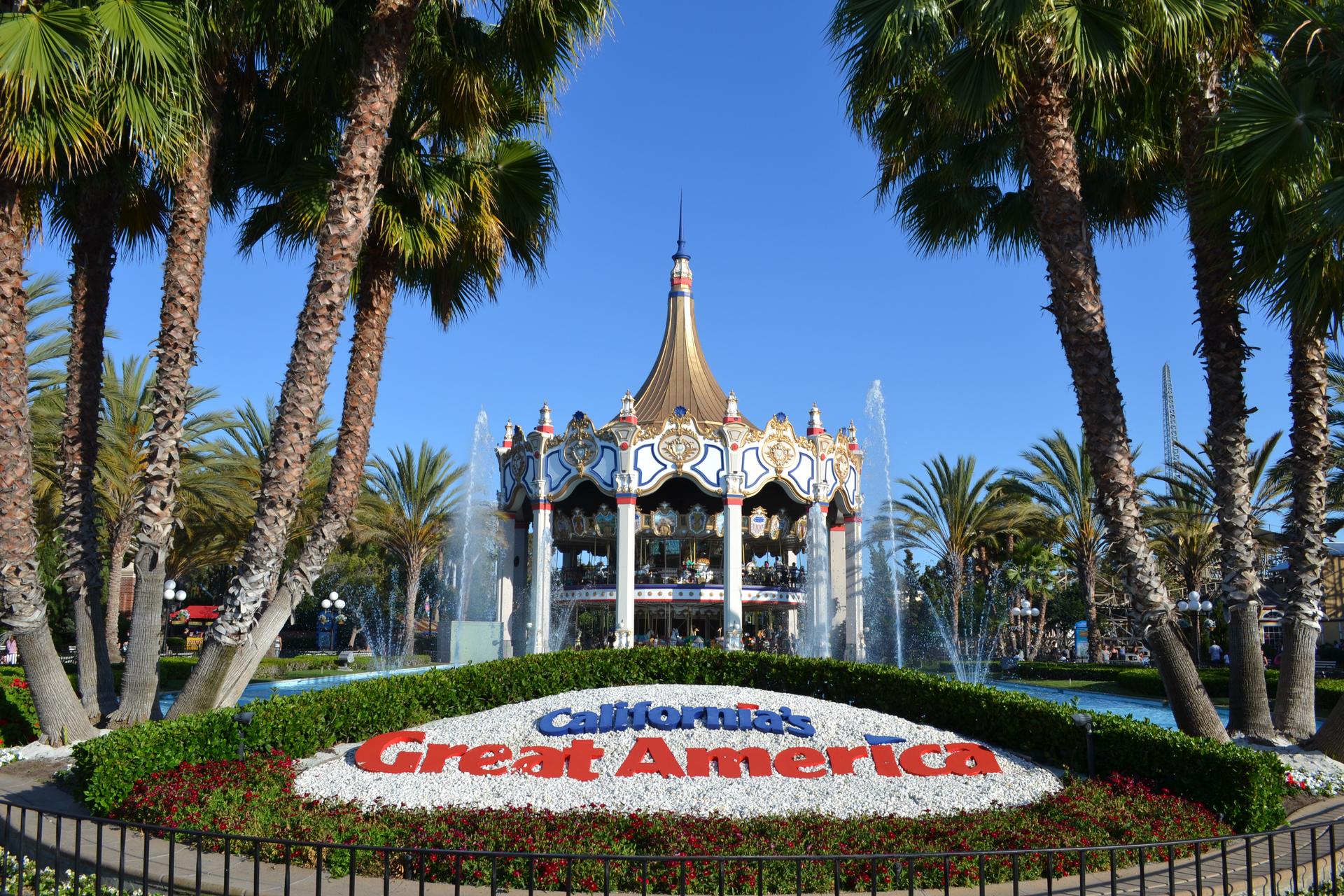
Looking beyond Santa Clara Tower? Discover Santa Clara for broader travel guides, local hot-spots, and regional highlights.
Explore Santa Clara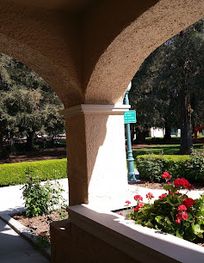
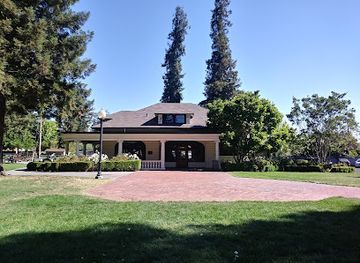
Step back in time at the Headen-Inman House, a beautifully preserved 1913 Craftsman bungalow showcasing Santa Clara's history and the legacy of its pioneering families.
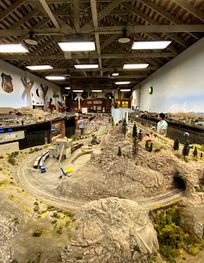
Explore the golden age of railroading at the South Bay Historical Railroad Society, a free museum in Santa Clara's historic depot, showcasing artifacts, model trains, and local history.
