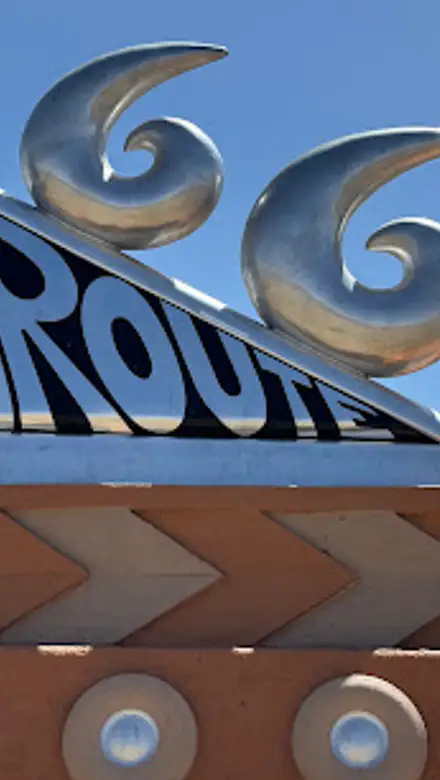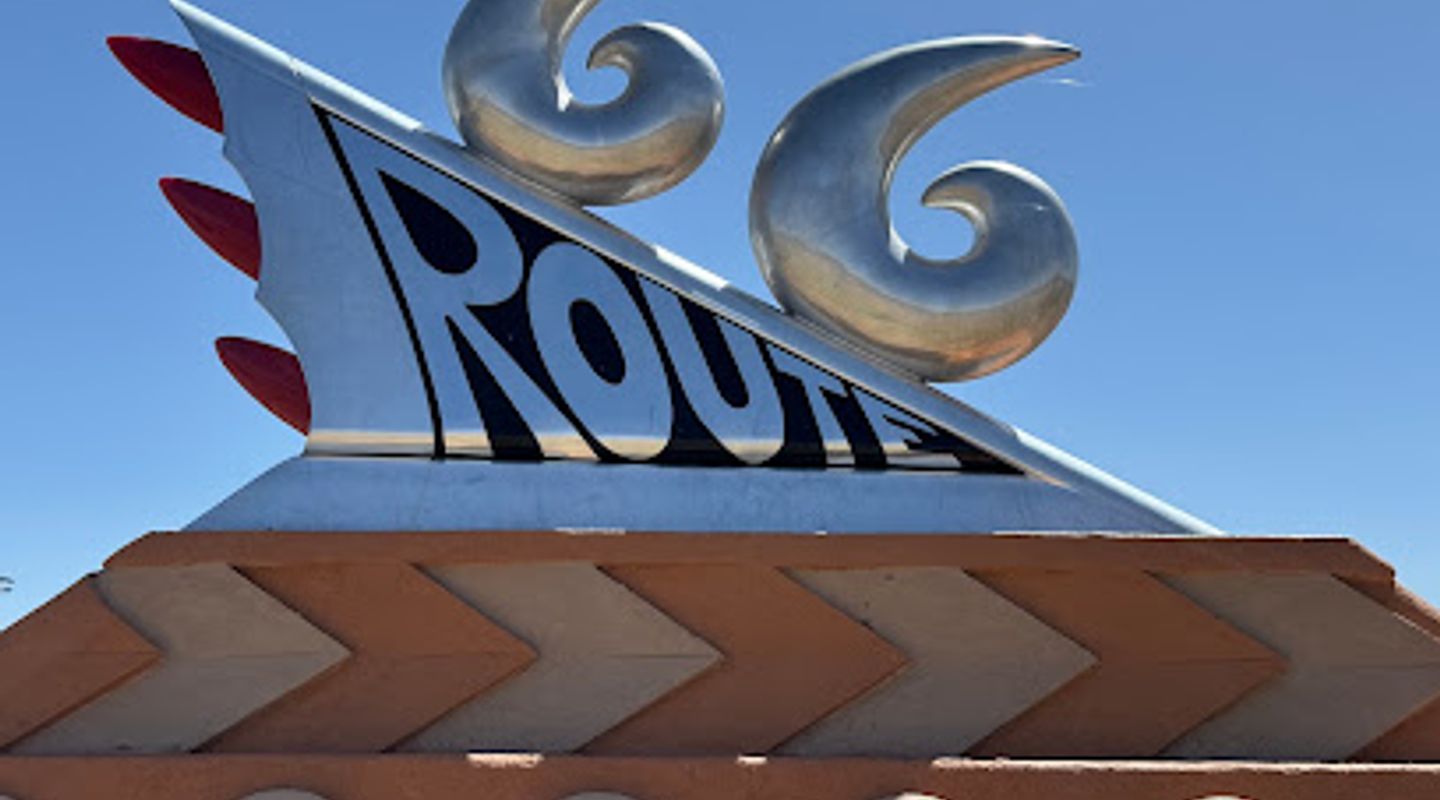
Old Rte 66,, Santa Monica Travel Guide
Discover the western end of the legendary Route 66 in Santa Monica, where the iconic highway meets the Pacific Ocean, offering a blend of history, culture, and seaside charm.
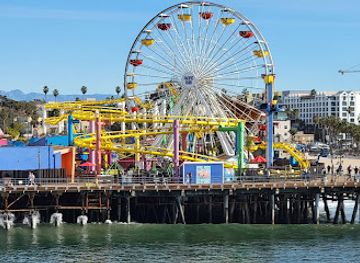
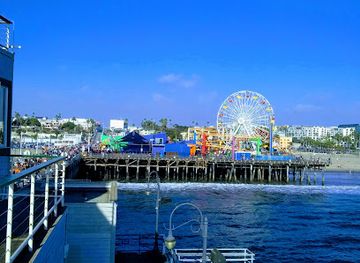
Santa Monica marks the celebrated end of Route 66, the iconic highway that once stretched from Chicago to the California coast. While the official terminus was at the intersection of Lincoln and Olympic Boulevards, the spirit of the Mother Road lives on at the Santa Monica Pier. Here, the 'End of the Trail' sign provides a photo-worthy conclusion to a cross-country journey, real or imagined. Explore the pier's amusements, soak in the ocean views, and reflect on the highway's historical significance as a symbol of American freedom, opportunity, and the westward expansion. Though decommissioned in 1985, Route 66 remains a powerful cultural touchstone, evoking nostalgia for a bygone era of roadside attractions, family road trips, and the open road. Santa Monica embraces this legacy, offering visitors a chance to connect with the Mother Road's enduring appeal.
A brief summary to Old Rte 66,
- Santa Monica, Mid-City, California, US

Know before you go
Hi, I'm Eve. Here are a few practical things to know before exploring Old Rte 66,.
- Visit the Santa Monica Pier at sunset for stunning views and a memorable photo opportunity at the 'End of the Trail' sign.
- Explore the area around Lincoln and Olympic Boulevards to see the official, albeit less scenic, end of Route 66.
- Check out local events and festivals celebrating Route 66 to immerse yourself in the highway's history and culture.
Do you manage this location?
Take control to get all the benefits, like improved information, better appearance, and stronger visibility across AI-powered discovery. Learn more about listing your business on Evendo
Activate your presenceOther nearby places you may find interesting
The closest places of the same kind, if this one is not quite what you had in mind.
Explore Old Rte 66, on the Map
A handpicked selection of must-see spots near Old Rte 66,, mapped for you.
Getting There
-
Walking
From the Downtown Santa Monica Metro E Line station (4th Street and Colorado Avenue), walk west on Colorado Avenue towards the ocean. Continue across Ocean Avenue onto the Santa Monica Pier. The 'End of the Trail' sign is located near Pacific Park, on the pier's west side. This is a straightforward, approximately 10-15 minute walk.
-
Public Transport
From various points in Santa Monica or Los Angeles, take the Big Blue Bus or Metro bus lines to the Santa Monica Pier. Several bus routes stop near the pier entrance. Check the Big Blue Bus or Metro website for specific routes and schedules. A single fare on the Big Blue Bus is $1.10, and a Metro bus fare is $1.75. You can pay with a TAP card or cash (exact change required).
-
Taxi/Ride-Share
From anywhere in Santa Monica, a taxi or ride-share (Uber/Lyft) to the Santa Monica Pier is a convenient option. Typical fares from downtown Santa Monica range from $8 to $15, depending on traffic and demand. Ask your driver to drop you off as close to the pier entrance as possible (Ocean Avenue and Colorado Avenue).
-
Driving
If driving, navigate to the Santa Monica Pier (200 Santa Monica Pier, Santa Monica, CA 90401). Be aware that parking near the pier can be challenging, especially during peak season. Several parking lots are available, including the Pier Deck Parking Lot and beach lots along Pacific Coast Highway (PCH). Parking rates vary by day and season, ranging from $7 to $18 per day. Street parking is also available, but metered and limited to a maximum of two hours, costing $1-2 per hour. Consider parking in downtown Santa Monica and walking to the pier to avoid potential parking hassles.
Discover more about Old Rte 66,













Your all‑in‑one travel companion app
Explore expert travel guides, compare and book tours, experiences, hotels, and more—all from the palm of your hand. Download now for seamless trip planning wherever your wanderlust takes you.


Explore More of Santa Monica
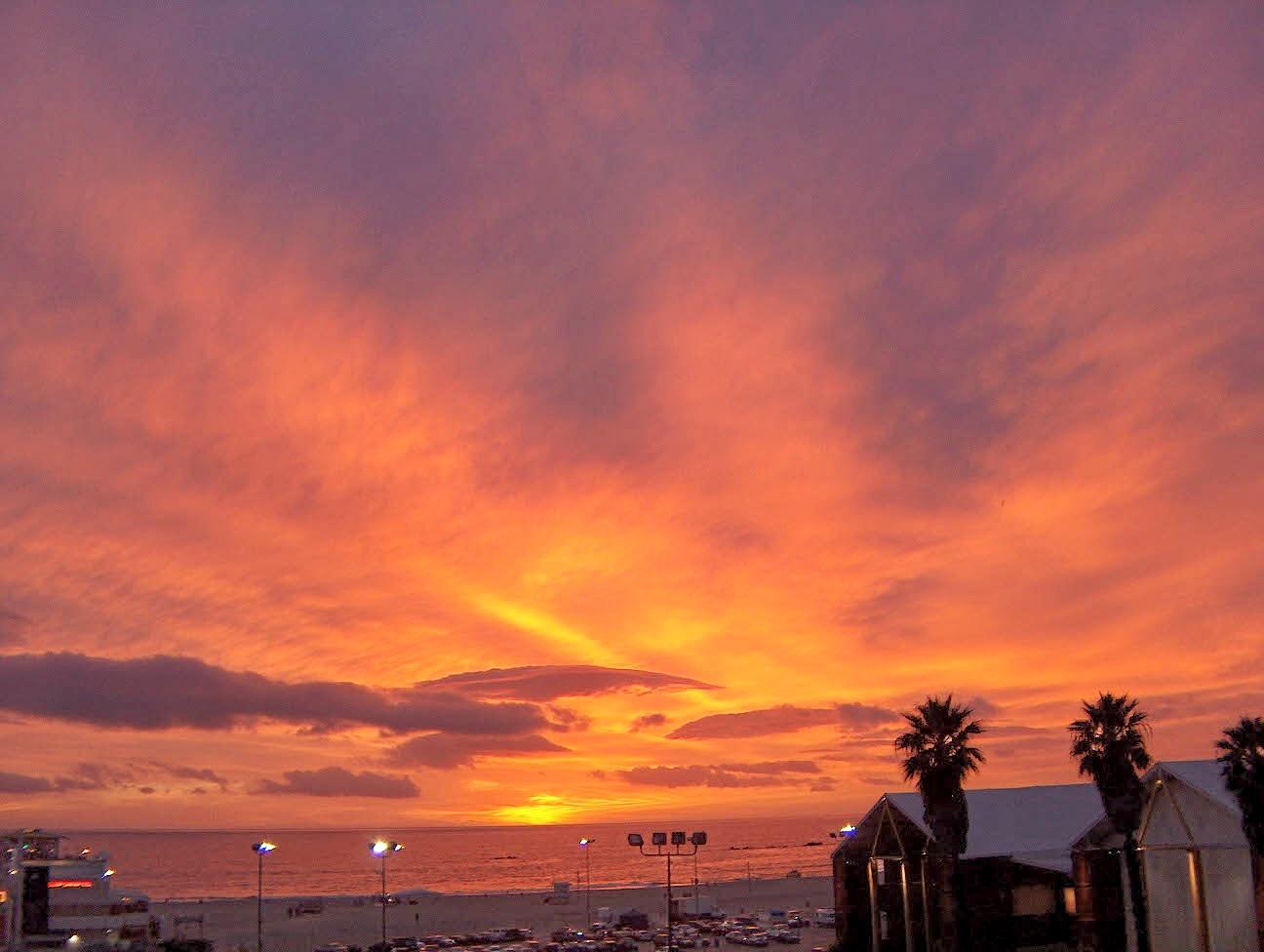
Looking beyond Old Rte 66,? Discover Santa Monica for broader travel guides, local hot-spots, and regional highlights.
Explore Santa Monica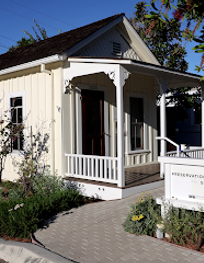
Discover Santa Monica's architectural heritage at the Shotgun House, a preserved 19th-century home showcasing local history and sustainable preservation in the heart of Ocean Park.
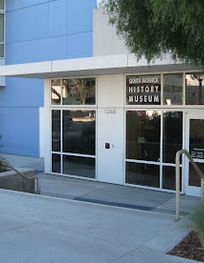
Discover Santa Monica's vibrant history at the Santa Monica History Museum, featuring engaging exhibits and rich cultural stories that celebrate the city's heritage.