Moro Rock, Sequoia National Park Travel Guide
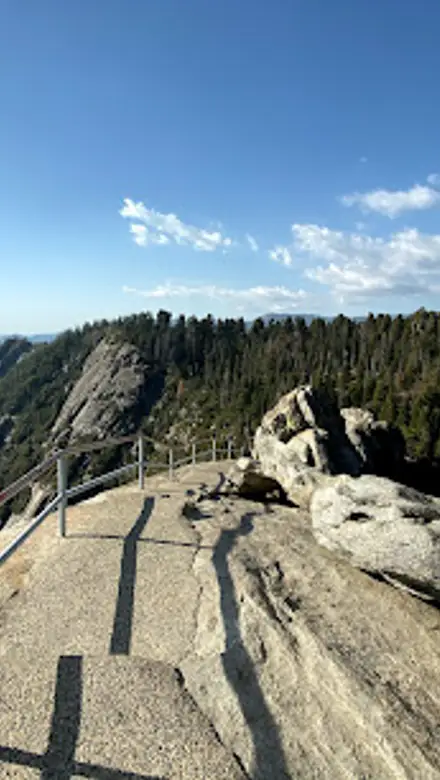
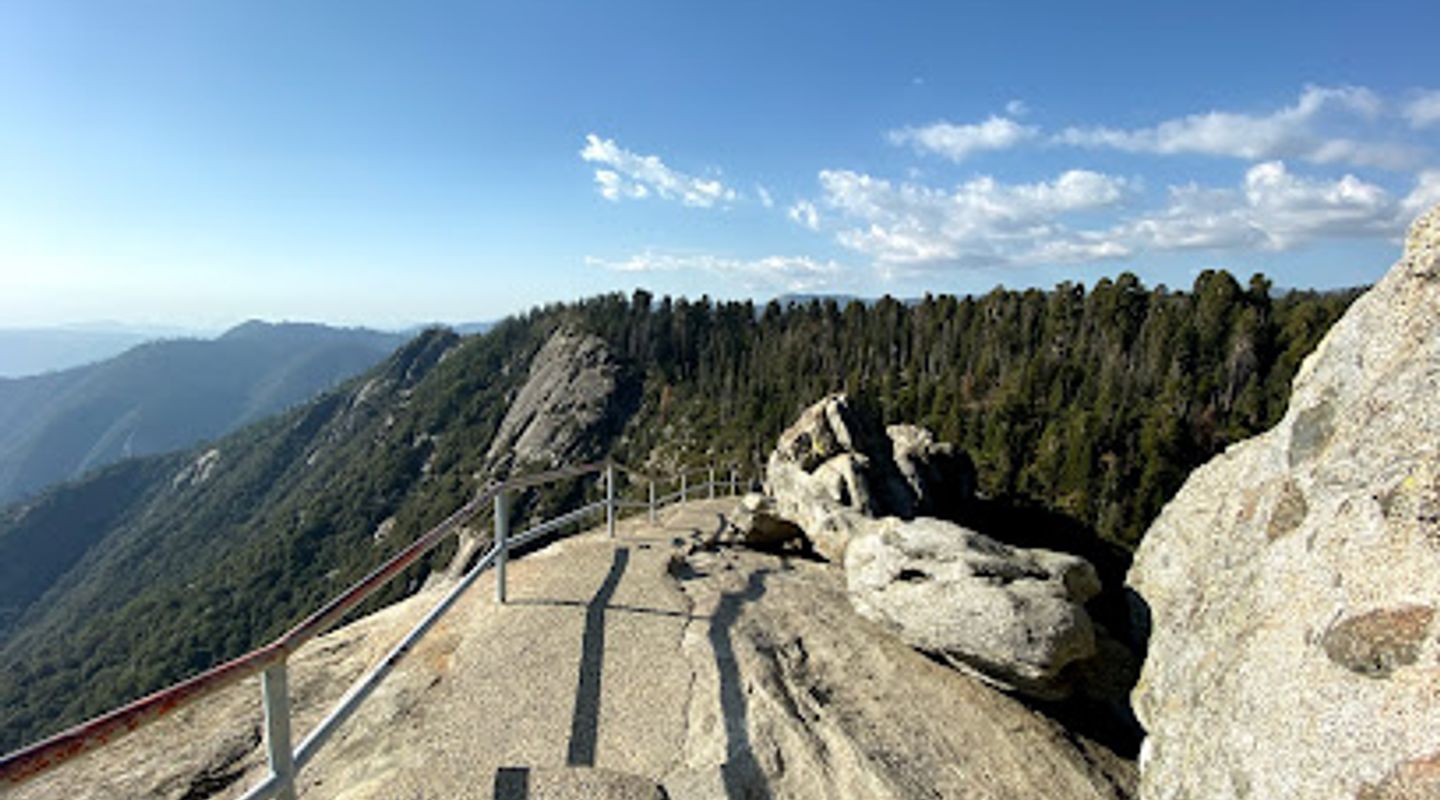
Ascend Moro Rock in Sequoia National Park for unparalleled panoramic views of the Great Western Divide and San Joaquin Valley, a rewarding climb through natural beauty and history.
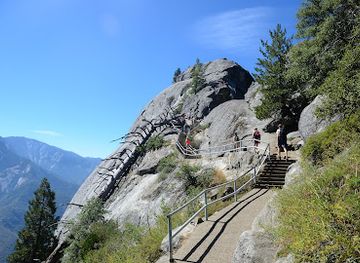
Moro Rock, a prominent granite dome in Sequoia National Park, offers breathtaking panoramic views of the Great Western Divide and the San Joaquin Valley. A 1/4-mile trail with over 350 steps, constructed in the 1930s by the Civilian Conservation Corps, leads to the summit. While the climb can be strenuous due to the elevation and steepness, the reward is well worth the effort. From the top, visitors can witness stunning sunsets, moonrises, and the vast expanse of the park's wilderness. During summer, a free shuttle service operates, making access easier and reducing traffic congestion. Be prepared for crowds during peak season and potential winter closures due to snow and ice.
A brief summary to Moro Rock
- Sequoia National Park, California, 93262, US
- Click to display

Know before you go
Hi, I'm Eve. Here are a few practical things to know before exploring Moro Rock.
- Visit during the shoulder season (spring or fall) for fewer crowds and pleasant weather.
- Take the free shuttle during summer to avoid parking hassles and road closures.
- Bring water and wear sturdy shoes, as the climb can be strenuous, especially at high elevation.
- Check the weather forecast before you go, as the stairway may close due to snow or ice in winter.
- Stay for sunset or moonrise for an unforgettable experience, but bring a flashlight for the descent.
Do you manage this location?
Take control to get all the benefits, like improved information, better appearance, and stronger visibility across AI-powered discovery. Learn more about listing your business on Evendo
Activate your presenceOther nearby places you may find interesting
The closest places of the same kind, if this one is not quite what you had in mind.
Explore Moro Rock on the Map
A handpicked selection of must-see spots near Moro Rock, mapped for you.
Unlock the Best of Moro Rock
Buy tickets
-
No tickets available
Book tours with entry


Book tours without entry
-
No tours available
Getting There
-
Shuttle
During the summer (late May to early September), the Moro Rock/Crescent Meadow Road may be closed to private vehicles, especially on weekends. Take the free Sequoia Shuttle from the Giant Forest Museum to the Moro Rock Shuttle Stop. The shuttle is wheelchair accessible. Check the park's website for the current shuttle schedule. There is no cost for the shuttle itself.
-
Driving
When the Moro Rock/Crescent Meadow Road is open to private vehicles (typically weekdays outside of peak summer season), drive from the Giant Forest Museum, following the Crescent Meadow Road for approximately 1 mile. Parking at the Moro Rock trailhead is limited and fills quickly, especially during peak hours. If the lot is full, consider parking at the Hanging Rock trailhead and walking the short distance (0.2 miles) down Moro Rock Loop Road. There are no parking fees.
-
Walking
From the Giant Forest Museum, it is possible to walk to Moro Rock via a longer trail system. One option is to take the Bear Hill Trail up to Moro Rock. Alternatively, you can walk along the Crescent Meadow Road. These routes add considerable distance and elevation gain to your visit. Check trail maps for specific distances and difficulty levels. There are no costs associated with walking.
Discover more about Moro Rock













Your all‑in‑one travel companion app
Explore expert travel guides, compare and book tours, experiences, hotels, and more—all from the palm of your hand. Download now for seamless trip planning wherever your wanderlust takes you.


Explore More of Sequoia National Park
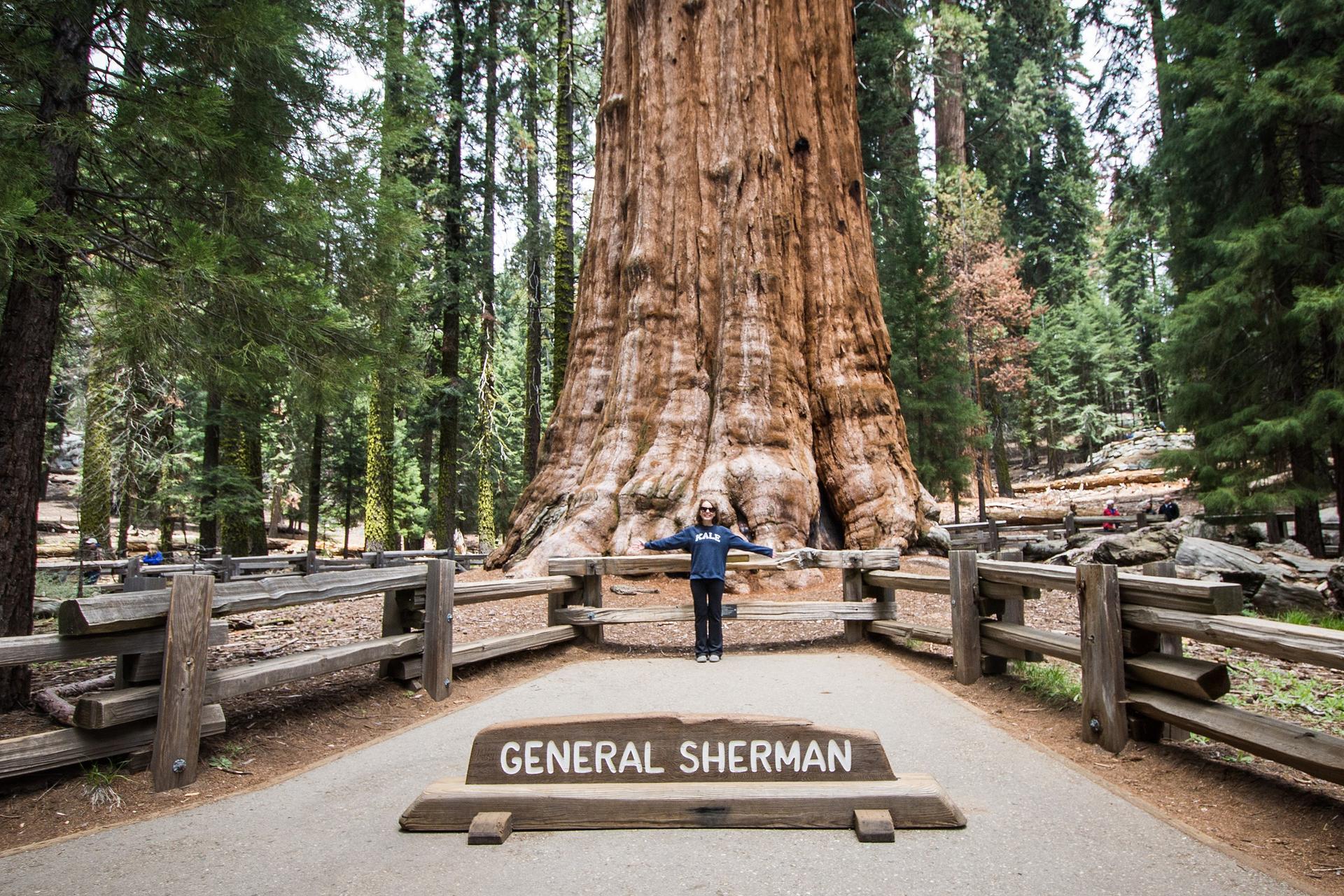
Looking beyond Moro Rock? Discover Sequoia National Park for broader travel guides, local hot-spots, and regional highlights.
Explore Sequoia National Park
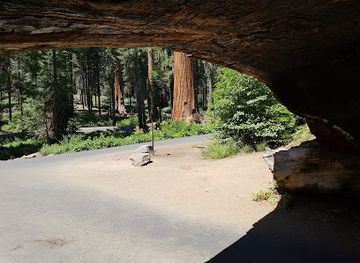
Step back in time at Tharp's Log, a remarkable pioneer cabin built inside a fallen giant sequoia, offering a unique glimpse into the early days of Sequoia National Park and the Giant Forest.

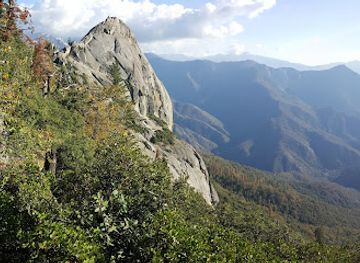
Ascend Moro Rock's historic stairway for unparalleled panoramic views of Sequoia National Park, offering a thrilling and unforgettable experience amidst the Sierra Nevada's grandeur.