

West Baray Travel Guide
Free Guide: Discover the serene beauty and rich history of West Baray, Angkor's largest reservoir, offering a tranquil escape near Siem Reap.


A brief summary of West Baray
Discover the serene beauty and rich history of West Baray, Angkor's largest reservoir, offering a tranquil escape near Siem Reap.
West Baray, or Baray Teuk Thla, is the largest reservoir constructed during the Angkor era, dating back to the 11th century. This vast body of water, measuring 7.8km long and 2.1km wide, provided irrigation and symbolized the Sea of Creation in Hindu mythology. Today, it's a popular recreational area for locals and tourists alike, offering swimming, boat rides, and a tranquil escape.
- Address
- Krong Siem Reap
Getting there
Tuk-tuk
Taxi/Ride-Share
Bicycle/Motorbike
Discover more about West Baray
Overview
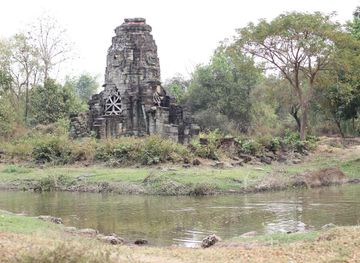
West Baray, also known as Baray Teuk Thla (meaning "Clear Water Reservoir"), is an ancient and massive reservoir located west of Angkor Thom. Constructed in the 11th century during the reign of King Suryavarman I and completed under King Udayadityavarman II, it stands as a testament to the advanced engineering of the Khmer civilization. The baray is the largest in the Angkor region, stretching 7.8 kilometers long and 2.1 kilometers wide, with a capacity of approximately 53 million cubic meters.Originally, West Baray served as a crucial water source for the ancient city of Angkor, providing a stable supply for irrigation and supporting the cultivation of multiple rice crops each year. The reservoir also held cultural and religious significance, symbolizing the cosmic ocean in Hindu cosmology. Temples and shrines, such as West Mebon, were built on its shores, reflecting the spiritual practices of the Khmer people. West Mebon temple once housed a large bronze statue of Vishnu, which is now displayed at the National Museum in Phnom Penh.Today, West Baray continues to be a vital resource for local communities, providing water for irrigation. It has also become a popular recreational area, attracting locals and tourists seeking respite from the bustling city of Siem Reap. Visitors can enjoy swimming in the clear waters, taking boat rides to explore the West Mebon temple (requires Angkor Pass), and relaxing on the sandy shores. The western end of the baray features a small beach with picnic huts and inner tubes for rent, creating a lively atmosphere, especially on weekends. Exploring West Baray offers a unique opportunity to delve into the rich history and culture of Angkor.
Evendo Review Centre
 Google
Guest reviews
Explore West Baray on the map
A handpicked selection of must-see spots near West Baray, mapped for you.
Get your free copy of our complete guide to West Baray, delivered straight to you.
Everything on this page, from opening hours and how to get there to Eve’s tips and the best time to go, in one PDF you can read offline, print or share.
Already have an account? Sign in
Your West Baray guide is ready.
We'll send it to · Not you? Sign out

Getting your guide ready…
We are putting together a fresh copy of the West Baray guide. This can take up to a minute.
This can take a few moments. If your browser asks, choose Allow so the download can start. You'll find the guide in your Downloads folder.
Nothing happened? Download it again
Sorry, the guide is taking longer than usual. Please try again in a minute, or get it by email instead.
Unlock the best of West Baray
Skip-the-line tickets, guided tours with entry, and walking tours of the area, booked in a few clicks.
 Tour with entry
Siem Reap Countryside Adventure Haft-Day Guide Tour
from $25.65 Tour with entry
Pedal Through Rural Siem Reap Full Day Tour with Picnic Lunch
from $65.55 Tour with entry
Siem Reap Countryside Jeep Tour / SUV Car Available
from $71.25 Tour with entry
Siem Reap Countryside Guided Tour by Bike and E-Bike Private Tour
from $74.10


Other nearby places you may find interesting
The closest places of the same kind, if this one is not quite what you had in mind.
-
-
-
-
-


Swipe for more places
More to explore near West Baray

 Best experiences near West Baray
 Best hotels near West Baray
 Best landmarks near West Baray
 Best attractions near West Baray
 Best shops near West Baray
 Best restaurants near West Baray
 Best bars near West Baray
Do you manage this location?
Take control to get all the benefits, like improved information, better appearance, and stronger visibility across AI-powered discovery.
Explore more
Explore more of Oddar Meanchey
Discover the untamed beauty and historical depth of Oddar Meanchey, Cambodia's hidden gem, where history, nature, and culture intertwine seamlessly.
Explore Oddar Meanchey
Explore more of Cambodia
Discover Cambodia: From the ancient wonders of Angkor Wat to the vibrant streets of Phnom Penh, immerse yourself in a land of history, culture, and natural beauty.
Explore Cambodia
