

Dja Faunal Reserve, Cameroon Travel Guide
Explore the Dja Faunal Reserve in Cameroon, a UNESCO World Heritage Site teeming with wildlife, rich biodiversity, and vibrant indigenous culture.
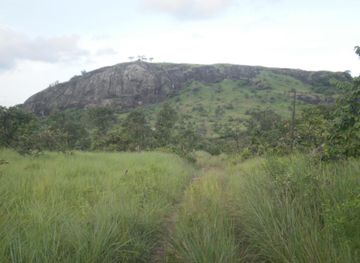
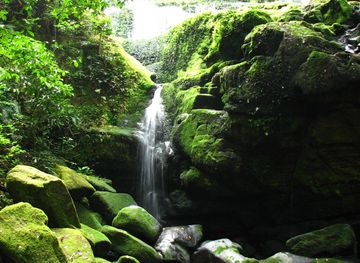
Dja Faunal Reserve, a UNESCO World Heritage Site, is a pristine haven for nature enthusiasts, located in the heart of Cameroon. This vast expanse of tropical rainforest spans over 5,260 square kilometers and boasts one of the richest and most diverse ecosystems in Africa. The reserve is home to numerous endangered species, including lowland gorillas, chimpanzees, and forest elephants, making it a prime destination for wildlife lovers and conservationists alike. The reserve's dense and lush forests are interspersed with rivers, swamps, and savannas, creating a breathtaking landscape that offers a variety of habitats for its inhabitants. Visitors can explore the reserve through guided tours, which provide an immersive experience into this natural paradise. Birdwatchers will be thrilled by the presence of over 320 bird species, including the elusive grey parrot and the African crowned eagle. Apart from its incredible biodiversity, the Dja Faunal Reserve is also culturally significant. It is inhabited by the Baka pygmies, an indigenous community known for their deep knowledge of the forest and its resources. Interacting with the Baka people offers a unique opportunity to learn about their traditional lifestyles and survival skills. The reserve's commitment to conservation and sustainable tourism ensures that both its natural and cultural treasures are preserved for future generations.

Know before you go
Hi, I'm Eve. Here are a few practical things to know before exploring Dja Faunal Reserve.
- Hire a local guide to navigate the dense forest and enhance your wildlife spotting experience.
- Visit during the dry season (December to February) for easier access and better wildlife viewing opportunities.
- Pack lightweight, long-sleeved clothing and insect repellent to protect against mosquitoes and other insects.
- Bring binoculars and a good camera for bird watching and capturing the stunning landscape.
- Respect the local Baka pygmies' customs and traditions when interacting with them.
Explore Dja Faunal Reserve: Things to Do, Places to Eat, Hotels & More
Handpicked recommendations for top attractions, local dining, accommodations, and more

Best attractions in Dja Faunal Reserve
Top-rated picks
Best Attractions

Rocher de Mezesse
Discover Rocher de Mezesse in Cameroon: Majestic rock formations, stunning views, and a unique natural experience in the heart of Africa.

Pont Du Nyong (Ayos)
Discover the scenic beauty of Pont Du Nyong in Ayos, Cameroon, a perfect spot for nature enthusiasts and photographers alike.

garden beauty eden
Discover Garden Beauty Eden in Ayos: A serene botanical garden with diverse flora, perfect for nature lovers and family outings in Cameroon.

Maison Docteur Jamotde Ayos
Explore Maison Docteur Jamotde Ayos, a historical landmark in Cameroon, showcasing colonial architecture and medical history.

Best landmarks in Dja Faunal Reserve
Top-rated picks
Best Landmarks

Cameroon Reunification Monument
A landmark in Yaoundé symbolizing Cameroon's reunification and national unity, offering historical insights and cultural appreciation.

Ekom Nkam Waterfalls
Discover the breathtaking Ekom Nkam Waterfalls in Cameroon, a stunning natural wonder with cultural significance and cinematic history.

Limbe Botanic Garden
Discover Cameroon's botanical treasures at Limbe Botanic Garden, a historic haven of diverse flora and tranquil beauty by Mount Cameroon.

Limbe Wildlife Centre
Discover Cameroon's wildlife at the Limbe Wildlife Centre, a sanctuary dedicated to rescue, rehabilitation, and conservation education.

Best restaurants in Dja Faunal Reserve
Top-rated picks
Best Restaurants

Maison H
Discover authentic Cameroonian flavors at Maison H in Douala - where culinary tradition meets modern dining.

Saga Africa Restaurant - Akwa, Douala
Discover exquisite African and European flavors at Saga Africa Restaurant in Akwa, Douala - a delightful culinary experience awaits!

Bois Sainte Anastasie
Discover the perfect blend of delicious cuisine and serene nature at Bois Sainte Anastasie in Yaoundé – your ultimate culinary escape.

LA PIZZERIA
Experience authentic Italian cuisine at La Pizzeria in Douala - where every dish tells a story of tradition and flavor.

Best bars in Dja Faunal Reserve
Top-rated picks
Best Bars

Badjoue Bar
Discover the essence of Cameroonian dining at Badjoue Bar, where vibrant ambiance meets delicious grilled specialties.

Pépinière
Explore the vibrant nightlife of Abong Mbang at Pépinière, the perfect bar to enjoy local drinks and lively entertainment.

Le Lounge
Discover the serenity of Le Lounge in Doume, where relaxation meets local culture in a perfect blend of ambiance and flavor.

Afrik du Sud Motel
Experience the vibrant atmosphere of Afrik du Sud Motel in Ayos, a perfect blend of local charm and relaxation for every traveler.

Best nightclubs in Dja Faunal Reserve
Top-rated picks
Best Nightclubs

Katios Night Club Yaoundé
Discover the heart of Yaoundé's nightlife at Katios Night Club, where music, dance, and unforgettable experiences await every visitor.

Byblos Nightclub
Dive into Douala's vibrant nightlife at Byblos Nightclub, where music, dance, and culture come alive every night.

Mermo NightLife
Immerse yourself in Douala's nightlife at Mermo Lounge, where vibrant music, exquisite cocktails, and a lively atmosphere await every visitor.

Dja Faunal Reserve
Experience the rich biodiversity and breathtaking landscapes of Dja Faunal Reserve, a UNESCO World Heritage site in the heart of Cameroon.

Best shops in Dja Faunal Reserve
Top-rated picks
Best Shops

Dja Faunal Reserve
Discover Cameroon’s Dja Faunal Reserve: A UNESCO World Heritage site filled with rich biodiversity, stunning landscapes, and thrilling wildlife encounters.

Club, SUDCAM
Experience the essence of Nlobésé at Club, SUDCAM, a vibrant coffee shop rich in local flavor and community spirit.

Angossas Centre
Explore Angossas Centre in Zendé: A vibrant shopping mall offering unique stores, delicious dining, and a taste of local culture.

Complexe Commercial Mvomeka
Explore Complexe Commercial Mvomeka, a bustling shopping mall in Mvomeka'a offering local culture, diverse shops, and delightful dining options.

Explore Dja Faunal Reserve on the Map
A handpicked selection of must-see spots in Dja Faunal Reserve, mapped for you.
Dja Faunal Reserve Essentials
-
Dja Faunal Reserve is located in southeastern Cameroon. The nearest major city and airport is Yaoundé, the capital of Cameroon, approximately 243 kilometers away. From Yaoundé, you can hire a private car or take a bus to Lomie, which is the nearest town to the reserve. The journey by road typically takes around 5 to 6 hours, depending on road conditions. It is advisable to arrange transportation in advance, as public transport options directly to the reserve are limited.
-
Within the Dja Faunal Reserve, transportation options are limited. The best way to explore the reserve is by hiring a local guide who can arrange 4x4 vehicles or boats, depending on the area you wish to visit. Walking and guided trekking are popular ways to experience the reserve's biodiversity. Be prepared for rough terrain and always follow the guidance of your local guide.
-
The official currency in Cameroon is the Central African CFA Franc (XAF). Credit cards are rarely accepted in rural areas, including near the Dja Faunal Reserve. It is advisable to carry sufficient cash for your needs. ATMs are available in larger towns like Yaoundé, but you should withdraw enough money before heading to the reserve. Ensure you have small denominations for easier transactions.
-
Dja Faunal Reserve is generally safe for tourists, but it is important to stay vigilant. Avoid traveling alone, especially at night, and always stay with your group or guide. Petty crime can occur, so keep your belongings secure and avoid displaying valuables. It is recommended to stay updated on local travel advisories and follow any safety guidelines provided by your guide.
-
In case of emergency, the local emergency number in Cameroon is 112. Medical facilities near the Dja Faunal Reserve are limited, so it is essential to have travel insurance that covers medical emergencies and evacuation. For minor health issues, carry a basic first aid kit and any necessary medications. Your guide will have knowledge of the closest medical facilities and can assist in emergencies.
-
Fashion: Do wear lightweight, breathable clothing suitable for the tropical climate. Long sleeves and pants are recommended to protect against insects. Avoid wearing flashy jewelry or expensive accessories. Religion: Do respect local customs and traditions. Be mindful of local religious practices and dress modestly. Public Transport: Public transport is limited near the reserve. Do be prepared for long journeys if using local buses. Greetings: Do greet locals with a friendly smile and handshake if appropriate. Learning a few phrases in French or local languages can be appreciated. Eating & Drinking: Do try local cuisine and accept food offerings graciously. Avoid drinking tap water; always use bottled or purified water.
-
To experience the Dja Faunal Reserve like a local, engage with the local Baka pygmy communities. They offer unique insights into traditional ways of life and their relationship with the forest. Participate in guided walks and learn about local flora and fauna from indigenous perspectives. Visit local markets in nearby towns to purchase handmade crafts and traditional goods. Always be respectful and open to learning about local cultures and practices.
When is the best time to visit Dja Faunal Reserve?
Useful Local Phrases for Dja Faunal Reserve
You don't need to speak the language perfectly. Even learning a few simple words can make conversations warmer—and locals usually appreciate the effort.
— Eve

Here are the phrases I use most often in Dja Faunal Reserve. Try a few—you'll be surprised how far they go! 😊
❤️
-
- HelloMbote
[m-boh-teh] - GoodbyeKwaheri
[kwah-heh-ree] - YesEe
[eh] - NoTia
[tee-ah] - Please/You're welcomeMalamu
[mah-lah-moo] - Thank youAsante
[ah-san-teh] - Excuse me/SorrySamahani
[sah-mah-hah-nee] - How are you?Uko sawa?
[oo-koh sah-wah] - Fine. And you?Sawa. Na wewe?
[sah-wah. nah weh-weh] - Do you speak English?Unasema kiingereza?
[oo-nah-seh-mah keen-geh-reh-zah] - I don't understandSielewi
[see-leh-wee]
- HelloMbote
-
- I'd like to see the menu, pleaseNataka kuona menyu, tafadhali
[nah-tah-kah kwoh-nah meh-nyoo, tah-fah-dah-lee] - I don't eat meatSili nyama
[see-lee nya-mah] - Cheers!Mambo
[mahm-boh] - I would like to pay, pleaseNingependa kulipa, tafadhali
[neen-geh-pehn-dah koo-lee-pah, tah-fah-dah-lee]
- I'd like to see the menu, pleaseNataka kuona menyu, tafadhali
-
- Help!Usaidizi!
[oo-sah-ee-dee-zee] - Go away!Nenda zako!
[nen-dah zah-koh] - Call the Police!Piga polisi!
[pee-gah poh-lee-see] - Call a doctor!Piga daktari!
[pee-gah dahk-tah-ree] - I'm lostNimepotea
[nee-meh-poh-teh-ah] - I'm illNinaumwa
[nee-nah-oom-wah]
- Help!Usaidizi!
-
- I'd like to buy...Ningependa kununua...
[neen-geh-pehn-dah koo-noo-noo-ah] - I'm just lookingNatazama tu
[nah-tah-zah-mah too] - How much is it?Bei ni kiasi gani?
[beh-ee nee kya-see gah-nee] - That's too expensiveHii ni ghali sana
[hee nee gah-lee sah-nah] - Can you lower the price?Unaweza kupunguza bei?
[oo-nah-weh-zah koo-poon-goo-zah beh-ee]
- I'd like to buy...Ningependa kununua...
-
- What time is it?Saa ngapi?
[sah-ah ngah-pee] - It's one o'clockSaa moja
[sah-ah moh-jah] - Half past (10)Nusu kumi
[noo-soo koo-mee] - MorningAsubuhi
[ah-soo-boo-hee] - AfternoonMchana
[m-chah-nah] - EveningJioni
[joh-nee] - YesterdayJana
[jah-nah] - TodayLeo
[leh-oh] - TomorrowKesho
[keh-shoh] - 1Moja
[moh-jah] - 2Mbili
[m-bee-lee] - 3Tatu
[tah-too] - 4Nne
[n-neh] - 5Tano
[tah-noh] - 6Sita
[see-tah] - 7Saba
[sah-bah] - 8Nane
[nah-neh] - 9Tisa
[tee-sah] - 10Kumi
[koo-mee]
- What time is it?Saa ngapi?
-
- Where's a/the...?Iko wapi...?
[ee-koh wah-pee] - What's the address?Anwani ni ipi?
[ahn-wah-nee nee ee-pee] - Can you show me (on the map)?Unaweza kunionyesha (kwenye ramani)?
[oo-nah-weh-zah koo-nee-oh-nyeh-shah kweh-neh rah-mah-nee] - When's the next (bus)?Basi la pili ni saa ngapi?
[bah-see lah pee-lee nee sah-ah ngah-pee] - A ticket (to ....)Tiketi (kwenda ....)
[tee-keh-tee kwehn-dah]
- Where's a/the...?Iko wapi...?
History of Dja Faunal Reserve
-
Dja Faunal Reserve, situated in southeastern Cameroon, is one of Africa's largest and most well-preserved rainforests. Established as a reserve in 1950, it spans over 5,260 square kilometers. The area has a rich natural history, with its origins dating back millions of years, providing a habitat for a diverse range of flora and fauna.
-
In 1987, the Dja Faunal Reserve was designated a UNESCO World Heritage Site due to its exceptional biodiversity and relatively undisturbed ecosystem. This recognition helped bring international attention to the region, underscoring its importance as a conservation area and a natural heritage site of global significance.
-
The indigenous Baka people, also known as Pygmies, have lived in the Dja Faunal Reserve for centuries. Their deep knowledge of the forest and traditional way of life are integral to the cultural heritage of the area. The Baka's practices of sustainable living and their spiritual connection to the forest play a crucial role in the conservation efforts of the reserve.
-
During the colonial period, the region that includes the Dja Faunal Reserve was influenced by both German and French colonial powers. The establishment of the reserve in 1950 was partly driven by colonial conservation efforts to protect the biodiversity and resources from over-exploitation. This period marked the beginning of formal conservation initiatives in the area.
-
Over the years, Dja Faunal Reserve has become a significant site for biodiversity research and scientific studies. Numerous international and local researchers have conducted extensive studies on its unique ecosystems, contributing to our understanding of tropical rainforests and their inhabitants. These studies have been vital in shaping conservation strategies and policies.
Neighbouring destination travel guides
Browse our curated selection of top destinations, scenic points, and must-visit spots in the area.




Your all‑in‑one travel companion app
Explore expert travel guides, compare and book tours, experiences, hotels, and more—all from the palm of your hand. Download now for seamless trip planning wherever your wanderlust takes you.


Explore More of South Region

Looking beyond Dja Faunal Reserve? Discover South Region for broader travel guides, local hot-spots, and regional highlights.
Explore South RegionExplore More of Cameroon

Looking beyond Dja Faunal Reserve? Discover Cameroon for broader travel guides, local hot-spots, and regional highlights.
Explore CameroonDja Faunal Reserve in Photos
Browse through our photo collection highlighting the charm and character of the destination.


Dja Faunal Reserve: A Wildlife Wonderland in Cameroon
Dja Faunal Reserve, a UNESCO World Heritage Site, is a pristine haven for nature enthusiasts, located in the heart of Cameroon. This vast expanse of tropical rainforest spans over 5,260 square kilometers and boasts one of the richest and most diverse ecosystems in Africa. The reserve is home to numerous endangered species, including lowland gorillas, chimpanzees, and forest elephants, making it a prime destination for wildlife lovers and conservationists alike. The reserve's dense and lush forests are interspersed with rivers, swamps, and savannas, creating a breathtaking landscape that offers a variety of habitats for its inhabitants. Visitors can explore the reserve through guided tours, which provide an immersive experience into this natural paradise. Birdwatchers will be thrilled by the presence of over 320 bird species, including the elusive grey parrot and the African crowned eagle. Apart from its incredible biodiversity, the Dja Faunal Reserve is also culturally significant. It is inhabited by the Baka pygmies, an indigenous community known for their deep knowledge of the forest and its resources. Interacting with the Baka people offers a unique opportunity to learn about their traditional lifestyles and survival skills. The reserve's commitment to conservation and sustainable tourism ensures that both its natural and cultural treasures are preserved for future generations.