
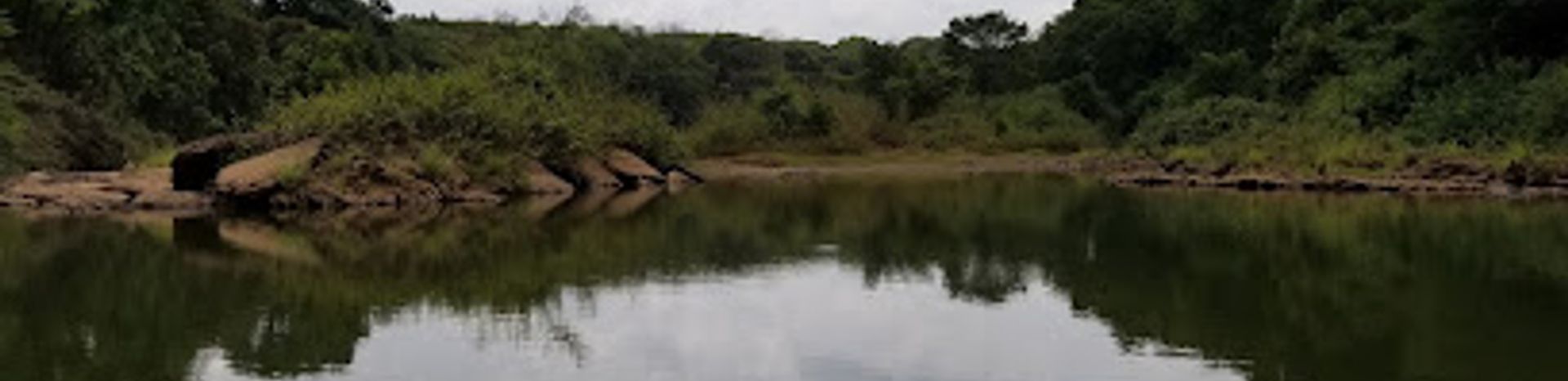
Chinko Nature Reserve: Untamed Heart of Africa
Discover Chinko Nature Reserve: A vast Central African wilderness teeming with diverse wildlife and stunning landscapes, managed for conservation.
Chinko Nature Reserve, a vast protected area in the Central African Republic, offers a unique and rugged wilderness experience. Managed by African Parks, the reserve is a haven for diverse wildlife, including elephants, lions, and the elusive African wild dog, set amidst stunning landscapes of savannah and dense forest.
A brief summary to Chinko Nature Reserve
- 2X83+CFR, CF
- +23675505118
Local tips
- Visit during the dry season (December to March) for the most pleasant weather and optimal wildlife viewing opportunities.
- Bring binoculars to fully appreciate the diverse birdlife; Chinko is home to over 400 species.
- Engage with local communities to learn about their culture and how they coexist with the rich ecosystem.
- Pack essential supplies like water, snacks, and a first-aid kit, as facilities within the reserve are limited.
- Respect the wildlife and maintain a safe distance during encounters to ensure both your safety and the animals' well-being.

Getting There
-
Chartered Flight
The most convenient way to reach Chinko Nature Reserve is by a chartered flight from Bangui M'Poko International Airport (BGF) to the reserve's airstrip. This avoids the challenging road conditions and security concerns in the region. Contact a tour operator specializing in Chinko, such as the Central African Adventure Company, to arrange the flight. Prices vary depending on the operator and aircraft, but expect to pay upwards of $5,000 USD for a round trip. Ensure to book well in advance due to limited availability.
-
Road (4x4)
For adventurous travelers, reaching Chinko by road is possible but requires a 4x4 vehicle and careful planning. From Mbomou, head southeast on the main road (Route Nationale 3), following signs for Chinko Nature Reserve. The journey is approximately 150 km and takes 3.5-4 hours, depending on road conditions. Fuel is limited en route, so ensure you have sufficient supplies. Due to security concerns and the remoteness of the area, it is highly recommended to travel with a local guide. Hiring a guide with a 4x4 can cost around 50,000 CFA Francs for a round trip. Be prepared for rugged terrain and potential delays.
-
Public Transportation & Motorcycle Taxi
A more budget-friendly, but time-consuming option involves a combination of public transport and a motorcycle taxi. From Mbomou, take a shared taxi or bus (taxi-brousse) towards Bangassou. Inform the driver you wish to disembark at the junction for Chinko Nature Reserve. The taxi-brousse costs approximately 5,000 CFA francs and takes about 1.5 hours. From the junction, hire a motorcycle taxi (okada) for the remaining 40 km to the reserve. Negotiate the fare, typically around 10,000 CFA francs. Be prepared for a bumpy ride on a rugged road. This option is not recommended during the rainy season.


