San Agustin cloister, Tunja Travel Guide
Explore the historic Claustro de San Agustín in Tunja: a cultural center with a rich past as a convent, hospital, and prison.
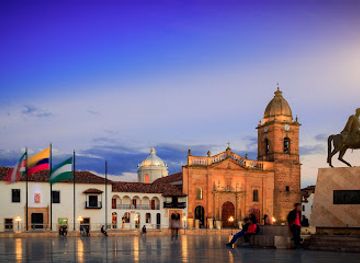
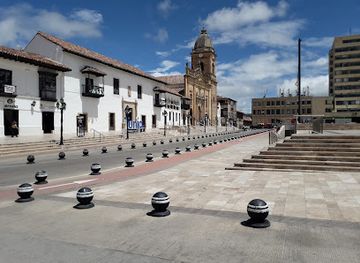
The Claustro de San Agustín in Tunja is a historic building with architecture dating back to the 16th century. Once a religious site, it has served as a school, hospital, and even a prison. Today, it functions as a cultural center, showcasing the city's rich heritage.
A brief summary to San Agustin cloister
- Cra. 8 #23-10, Tunja, Centro Histórico, Boyaca, 150001, CO
- Click to display
- Click to display

Know before you go
Hi, I'm Eve. Here are a few practical things to know before exploring San Agustin cloister.
- Take your time to admire the architecture, which showcases a blend of colonial and religious styles.
- Check out the Cultural Center of Banco de la República for local art exhibitions and cultural events.
- Visit the nearby Plaza de Bolívar and Metropolitan Cathedral Basilica, which are within walking distance.
Do you manage this location?
Take control to get all the benefits, like improved information, better appearance, and stronger visibility across AI-powered discovery. Learn more about listing your business on Evendo
Activate your presenceOther nearby places you may find interesting
The closest places of the same kind, if this one is not quite what you had in mind.
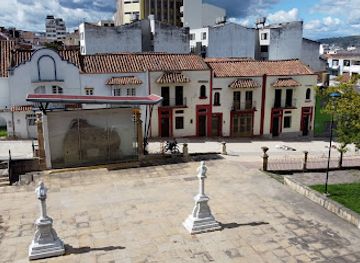

Explore San Agustin cloister on the Map
A handpicked selection of must-see spots near San Agustin cloister, mapped for you.
Getting There
-
Walking
The Claustro de San Agustín is located in the historic center of Tunja, easily accessible on foot from Plaza de Bolívar. From the plaza, walk along Cra. 8 towards the south. The cloister will be on your left, about three blocks from the plaza. There are no specific costs involved in reaching the cloister on foot.
-
Public Transport
If arriving by bus at the Tunja bus terminal, take a local bus heading towards the city center. Ask the driver to drop you off near Plaza de Bolívar. From there, follow the walking directions to the Claustro de San Agustín. A single bus fare within Tunja typically costs around 2,100 COP.
-
Taxi
Taxis are readily available in Tunja. From the bus terminal or any other point in the city, you can take a taxi to the Claustro de San Agustín. A short taxi ride within the city center should cost approximately 4,000 - 5,000 COP.
Discover more about San Agustin cloister













Your all‑in‑one travel companion app
Explore expert travel guides, compare and book tours, experiences, hotels, and more—all from the palm of your hand. Download now for seamless trip planning wherever your wanderlust takes you.


Explore More of Tunja
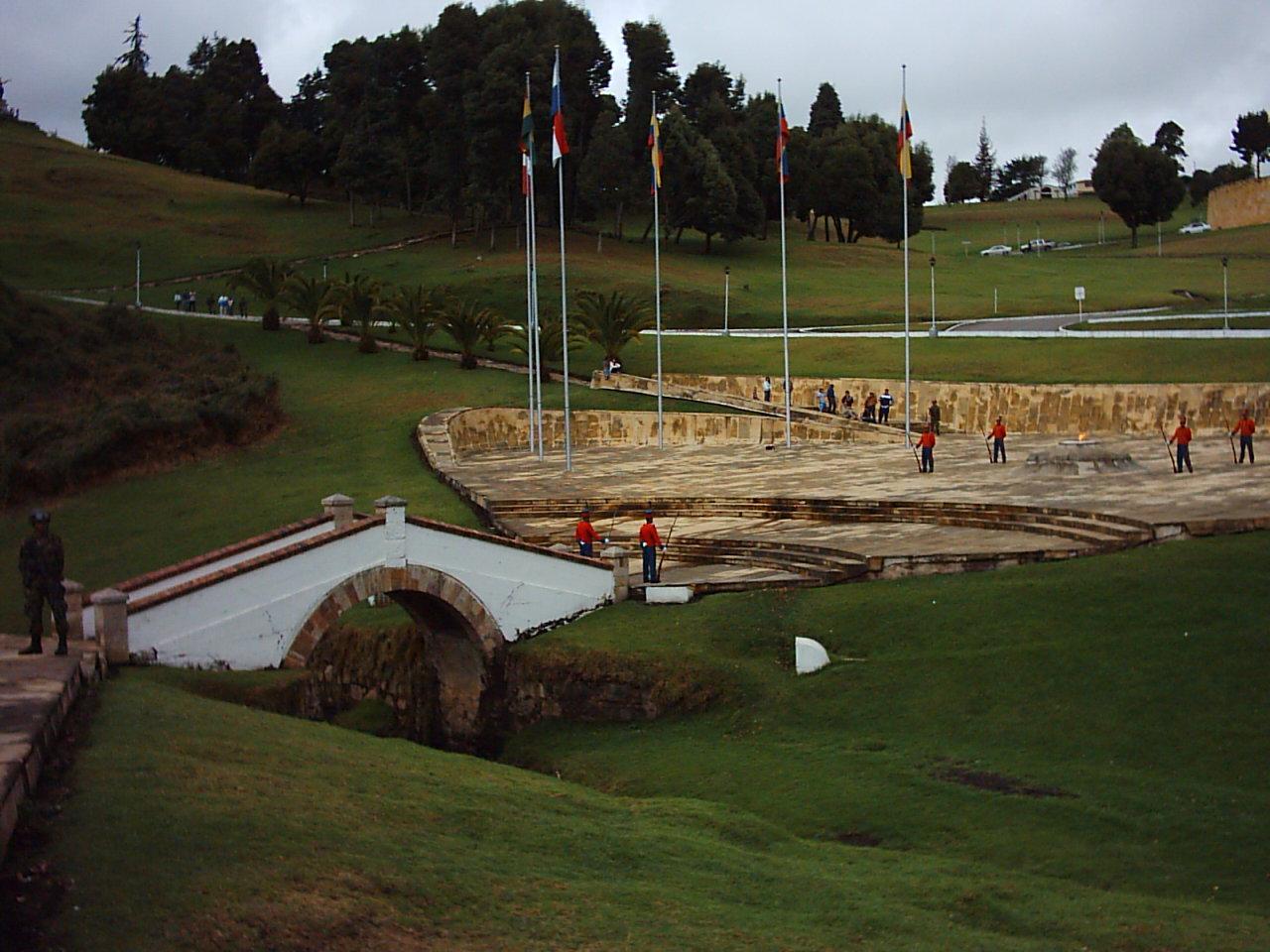
Looking beyond San Agustin cloister? Discover Tunja for broader travel guides, local hot-spots, and regional highlights.
Explore Tunja