
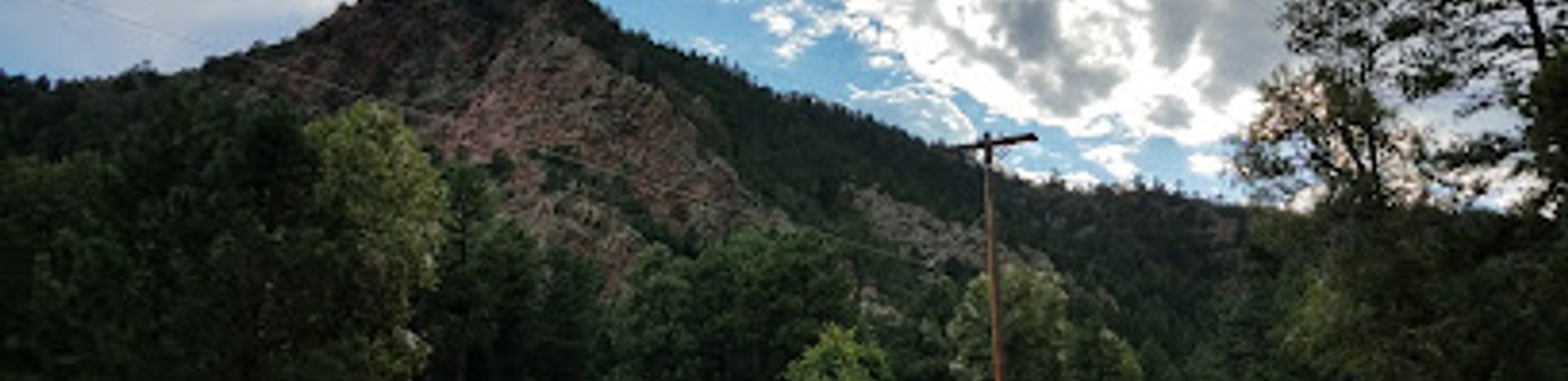
May Natural History Museum: A World of Insects
Discover the world's largest private insect collection at the May Natural History Museum, a unique and fascinating destination for all ages.
Step into the fascinating world of entomology at the May Natural History Museum, home to over 7,000 meticulously preserved insect and arachnid specimens. Founded by James May, an avid insect collector, and later established as a museum by his son, John May, in 1952, this unique attraction offers a glimpse into the diverse and often unseen world of insects. The museum's collection spans the globe, featuring species from South America, Africa, Asia, and beyond. Visitors can marvel at vibrant butterflies, bizarre beetles, giant spiders, and even deadly scorpions, all carefully displayed in custom-made cases with handwritten labels. Some of the specimens are believed to be extinct, making the museum a valuable archive of biodiversity. As you approach the museum, you'll be greeted by Herkimer, a giant replica of a Hercules beetle, which has been the museum's mascot since 1952. The museum's charming atmosphere, with its antique cases and vintage light fixtures, evokes the feeling of an old-fashioned roadshow. The May Natural History Museum is open from May 1 to October 1, 9 am to 6 pm daily.
Local tips
- Arrive early to avoid crowds, especially during peak season (summer).
- Check out the gift shop for unique bug-related souvenirs and educational gifts.
- Don't miss the Herkimer statue outside the museum, a great photo opportunity.

A brief summary to May Natural History Museum
- 710 Rock Creek Canyon Rd, Colorado Springs, Rock Creek, Colorado, 80926, US
- +1719-576-0450
- Visit website
- Monday 9 am-6 pm
- Tuesday 9 am-6 pm
- Wednesday 9 am-6 pm
- Thursday 9 am-6 pm
- Friday 9 am-6 pm
- Saturday 9 am-6 pm
- Sunday 9 am-6 pm
Getting There
-
Driving
The May Natural History Museum is located at 710 Rock Creek Canyon Rd, Colorado Springs, CO 80926, about 20-30 minutes south of Colorado Springs. From Colorado Springs, take Highway 115 south. Look for the giant Herkimer beetle statue on the side of the highway; this marks the turnoff to the museum. Follow Rock Creek Canyon Road to the museum. Parking is available on-site.


