La pyramide, Abidjan Travel Guide
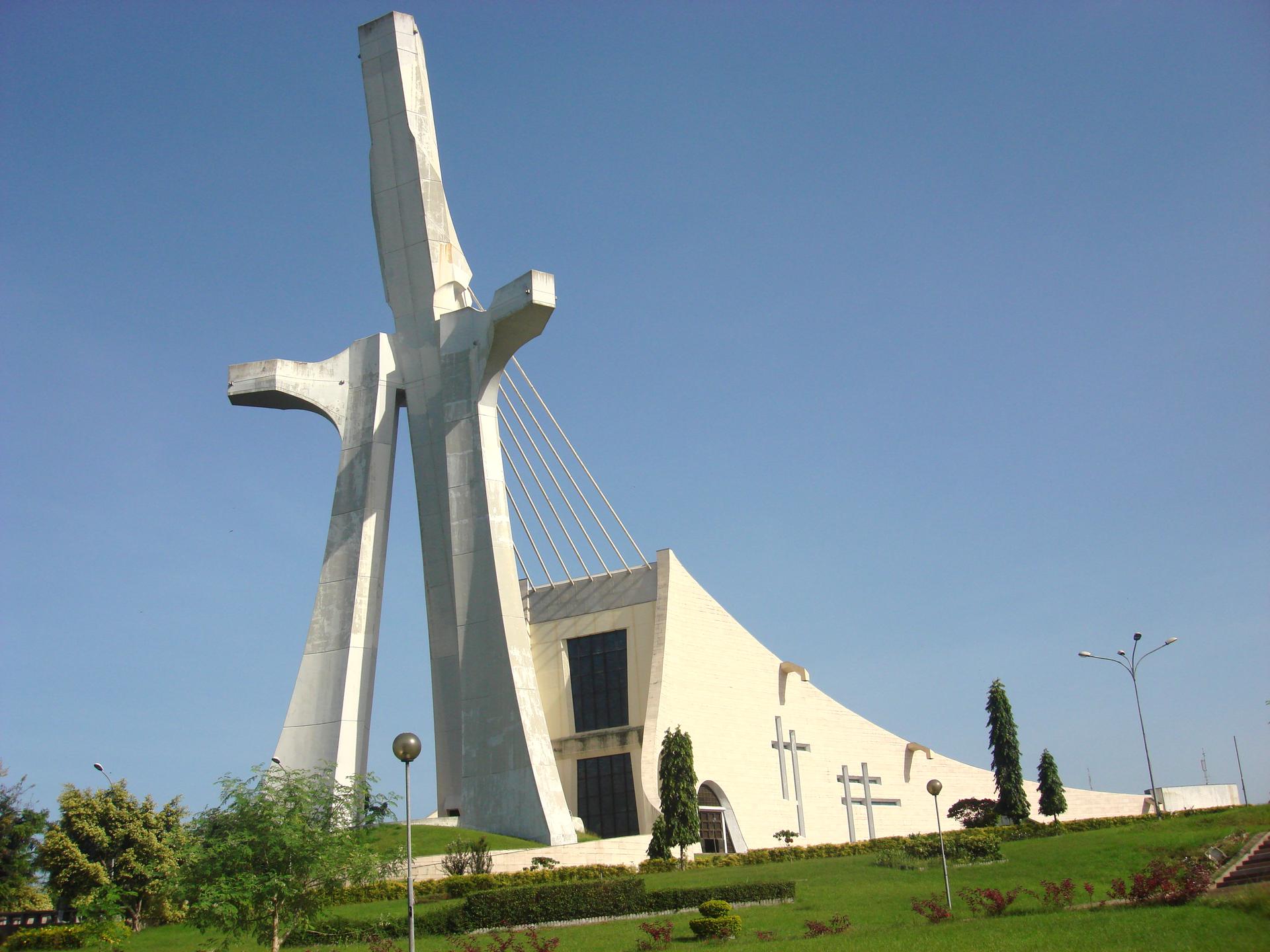
Discover La Pyramide, Abidjan's iconic Brutalist masterpiece, a symbol of architectural innovation and a testament to the city's modern heritage.
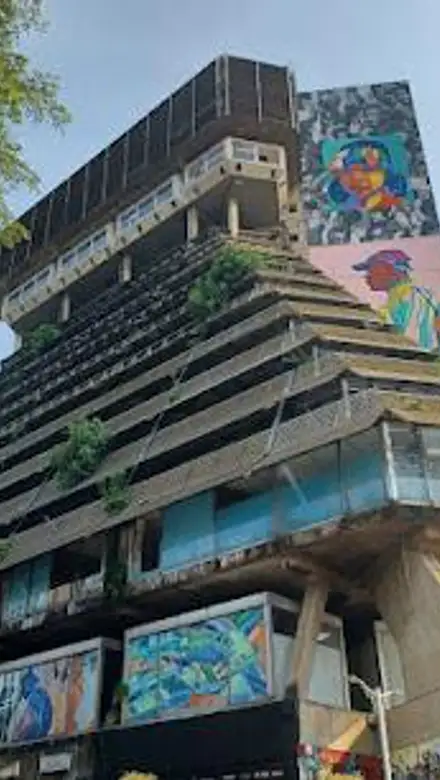
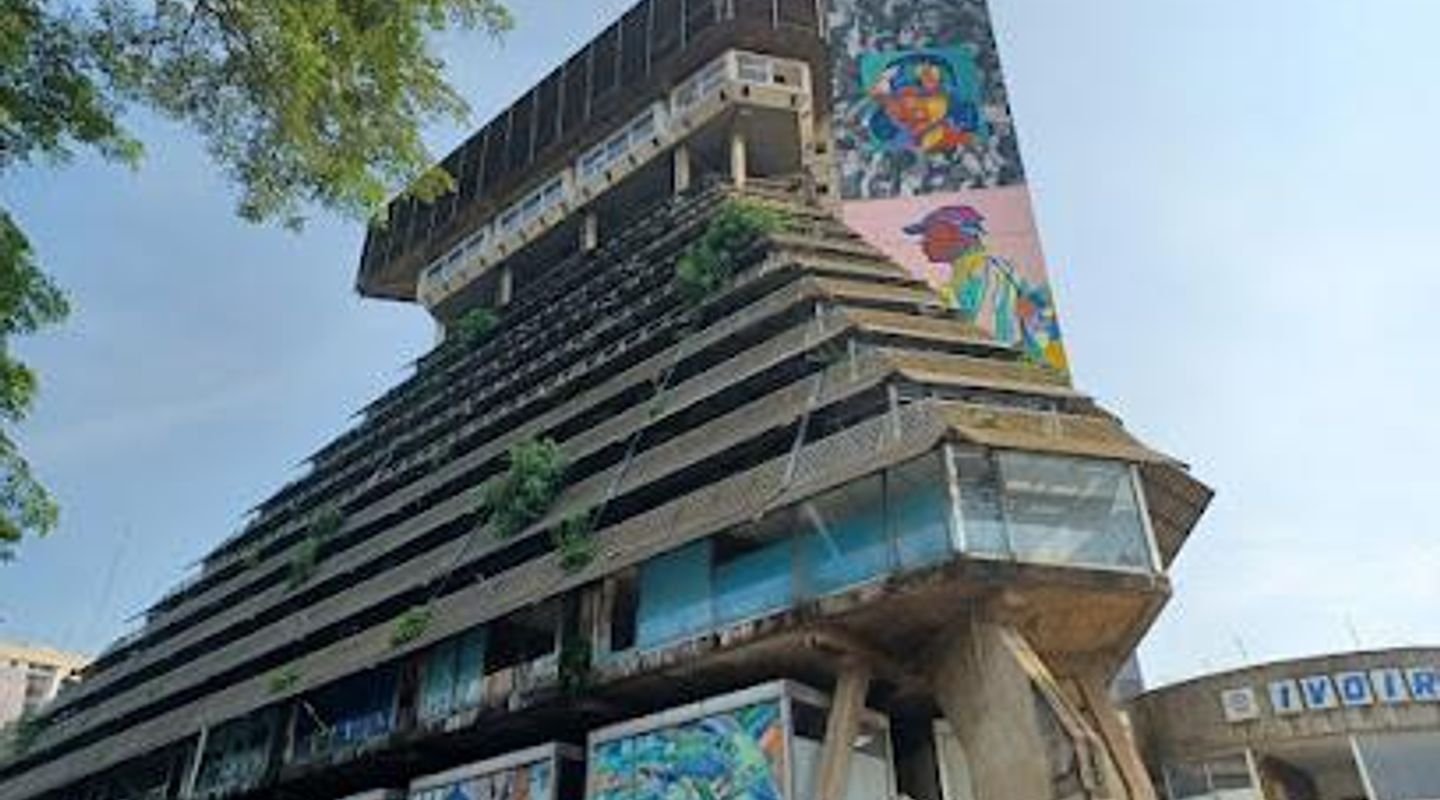
La Pyramide, a striking pyramid-shaped building in Abidjan's Plateau district, is a prime example of Brutalist architecture. Designed by Italian architect Rinaldo Olivieri and completed in 1973, it aimed to capture the essence of an African market within an urban setting. Though its original purpose as a commercial center was never fully realized, it remains one of Abidjan's most recognizable landmarks.
A brief summary to La pyramide
- Abidjan, CI

Know before you go
Hi, I'm Eve. Here are a few practical things to know before exploring La pyramide.
- View La Pyramide from afar to appreciate its unique architectural design and its contrast with the surrounding cityscape.
- Explore the Plateau district, where La Pyramide is located, to discover other examples of Abidjan's modern architecture.
- Visit during the day to see the building's structure and the street art that adorns its facades.
Do you manage this location?
Take control to get all the benefits, like improved information, better appearance, and stronger visibility across AI-powered discovery. Learn more about listing your business on Evendo
Activate your presenceOther nearby places you may find interesting
The closest places of the same kind, if this one is not quite what you had in mind.



Explore La pyramide on the Map
A handpicked selection of must-see spots near La pyramide, mapped for you.
Getting There
-
Walking
La Pyramide is located in the Plateau district of Abidjan. From most points in Plateau, it is easily accessible on foot. Head towards Avenue Lamblin and continue until you reach Rue des Jardins. La Pyramide will be on your left. No costs are associated with walking.
-
Public Transport
From other districts in Abidjan, take a SOTRA bus to Plateau. Alight at a bus stop near Avenue Lamblin and Rue des Jardins. La Pyramide will be a short walk away. A single bus fare costs 200 XOF.
-
Taxi
Taxis are readily available throughout Abidjan. Ask the driver to take you to La Pyramide in Plateau. Confirm the fare before starting your journey. A short taxi ride within Plateau should cost around 1,000-2,000 XOF.
Discover more about La pyramide













Your all‑in‑one travel companion app
Explore expert travel guides, compare and book tours, experiences, hotels, and more—all from the palm of your hand. Download now for seamless trip planning wherever your wanderlust takes you.


Explore More of Abidjan
Looking beyond La pyramide? Discover Abidjan for broader travel guides, local hot-spots, and regional highlights.
Explore Abidjan
Explore the lush landscapes and historical significance of Maison de la Nature in Abidjan, a tranquil escape into Côte d'Ivoire's natural beauty.

Discover the scenic beauty and cultural richness of Bordure de Lagune, a tranquil lakeside attraction in Abidjan, perfect for relaxation and exploration.