Diocletian's Palace, Dalmatia Travel Guide
Explore Split's ancient Roman heart: Diocletian's Palace, a living UNESCO World Heritage site blending history and modern life.
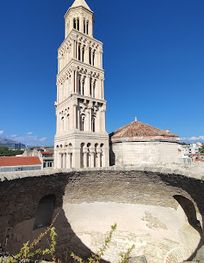
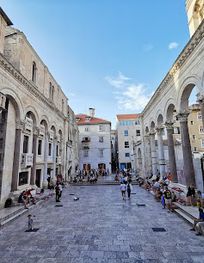
Diocletian's Palace, a UNESCO World Heritage site in Split, Croatia, is more than just ruins; it's a living city. Built in the late 3rd and early 4th centuries AD for Emperor Diocletian's retirement, it seamlessly blends ancient Roman architecture with a vibrant modern cityscape. Explore its walls, gates, temples, and courtyards, now home to shops, restaurants, and apartments.
A brief summary to Diocletian's Palace
- Split, Grad, 21000, HR

Know before you go
Hi, I'm Eve. Here are a few practical things to know before exploring Diocletian's Palace.
- Explore the Palace cellars for a glimpse into the original Roman construction and a unique perspective on the structure.
- Visit the Cathedral of Saint Domnius, originally Diocletian's mausoleum, for a journey through religious and architectural history.
- Walk the Riva, Split's waterfront promenade, for stunning views of the Palace's southern facade and the Adriatic Sea.
- Get lost in the narrow streets and discover hidden shops, cafes, and restaurants integrated within the ancient walls.
- Visit the Golden Gate, the grand northern entrance, and imagine Emperor Diocletian's arrival.
Do you manage this location?
Take control to get all the benefits, like improved information, better appearance, and stronger visibility across AI-powered discovery. Learn more about listing your business on Evendo
Activate your presenceOther nearby places you may find interesting
The closest places of the same kind, if this one is not quite what you had in mind.

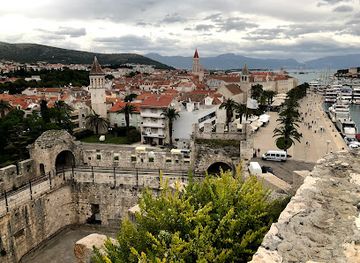
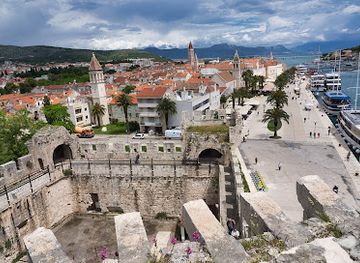
Explore Diocletian's Palace on the Map
A handpicked selection of must-see spots near Diocletian's Palace, mapped for you.
Unlock the Best of Diocletian's Palace
Buy tickets
-
No tickets available
Book tours with entry


Getting There
-
Walking
From the Riva (waterfront promenade), enter the Palace through the Bronze Gate (also known as the Southern Gate). This gate leads directly into the Palace cellars, offering immediate access to the heart of Diocletian's residence. Walking is free and the most immersive way to experience the Palace.
-
Public Transport
From Split's main bus or train station (located next to each other), Diocletian's Palace is a short walk. Alternatively, take bus line 9 from the station to Tržnica (Pazar). From there, it's a brief walk to the Silver Gate, one of the main entrances on the eastern side of the Palace. A single bus fare costs approximately €1 - €2.
-
Taxi/Ride-Share
Taxis and ride-sharing services like Uber are readily available in Split. A short taxi ride from the main bus or train station to Diocletian's Palace typically costs between €5 and €10, depending on traffic and the specific drop-off location near the Palace.
-
Parking
Note that Diocletian's Palace is located in a pedestrian zone with very limited parking. If driving, the closest parking options are Riva Parking, Train Station Parking Lot, and Stari Plac Parking Lot. Stari Plac is the most affordable, at approximately €1.50 per hour. Riva Parking, closest to the Palace, is more expensive at €4 per hour. Be aware that these lots can fill up quickly, especially during peak season.
Discover more about Diocletian's Palace













Your all‑in‑one travel companion app
Explore expert travel guides, compare and book tours, experiences, hotels, and more—all from the palm of your hand. Download now for seamless trip planning wherever your wanderlust takes you.


Explore More of Dalmatia
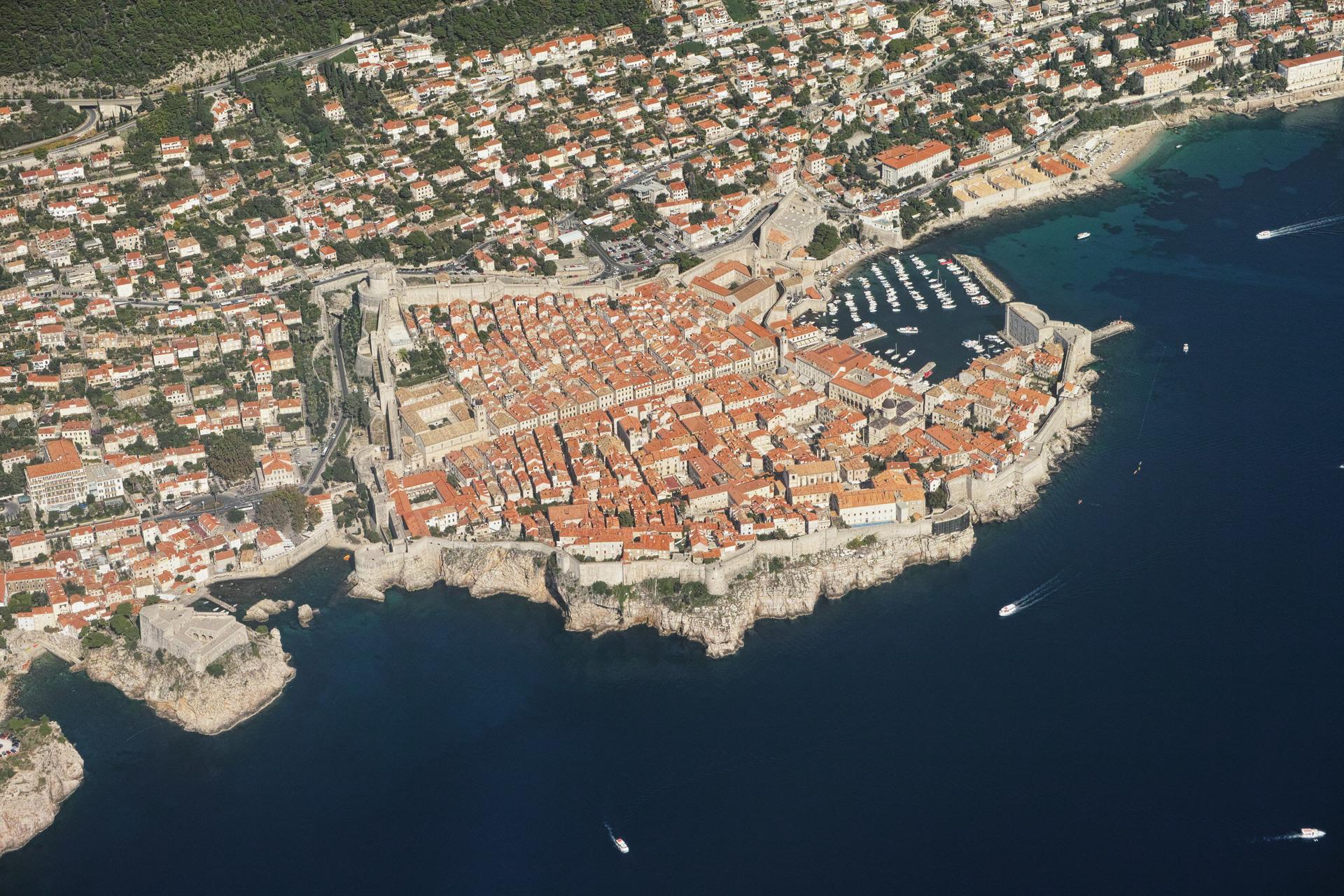
Looking beyond Diocletian's Palace? Discover Dalmatia for broader travel guides, local hot-spots, and regional highlights.
Explore Dalmatia