Kvarner Gulf Travel Guide
Free Guide: Explore Croatia's Kvarner Gulf: Islands, history, and stunning Adriatic beauty await in this captivating destination.


A brief summary of Kvarner Gulf
Explore Croatia's Kvarner Gulf: Islands, history, and stunning Adriatic beauty await in this captivating destination.
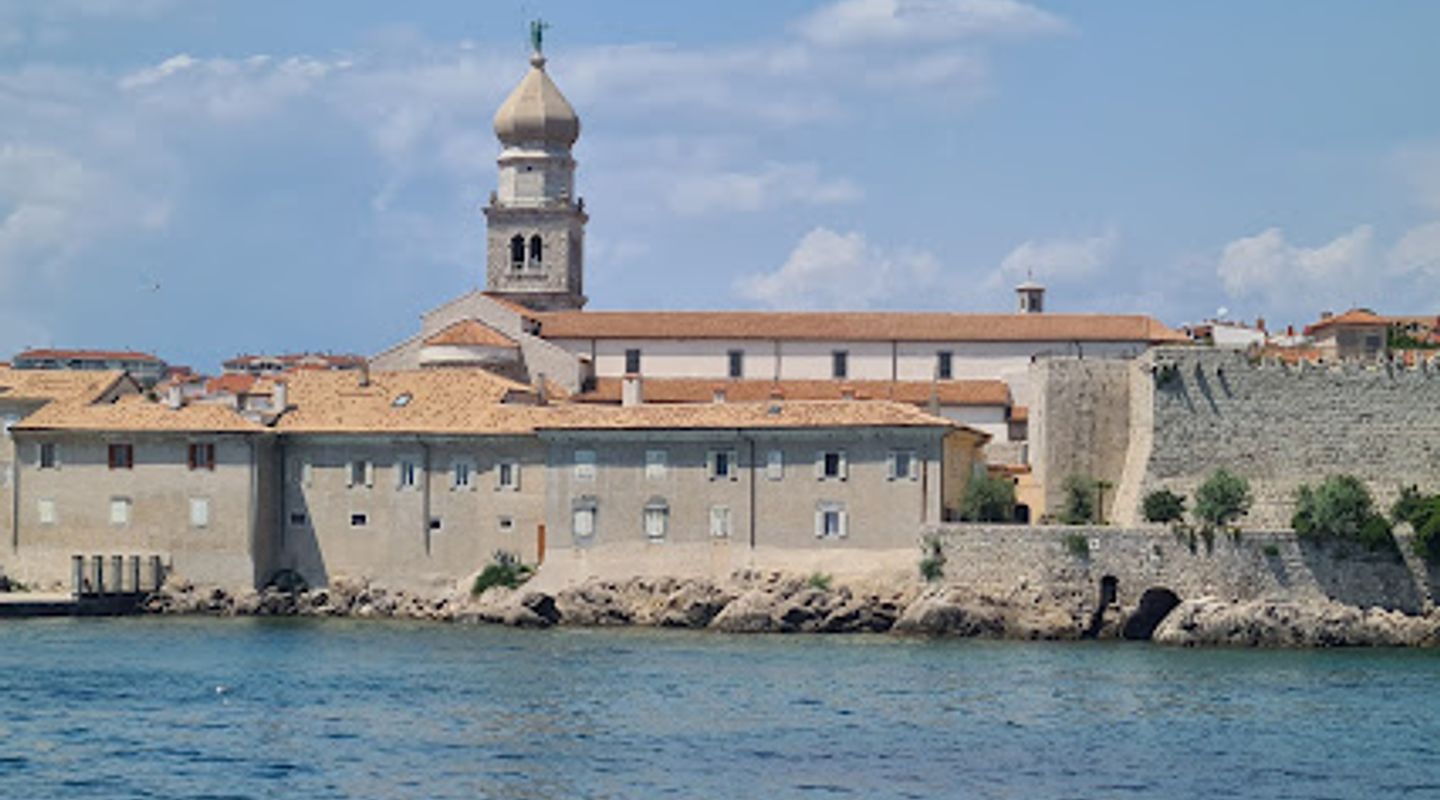
The Kvarner Gulf, nestled in the northern Adriatic Sea between the Istrian Peninsula and the Croatian mainland, is a stunning bay dotted with islands and rich in history. Known for its deep waters and strategic location connecting the Mediterranean and Central Europe, it offers a blend of cultural heritage and natural beauty.
- Address
- Kvarner Gulf
Getting there
Ferry
Public Transport
Car
Discover more about Kvarner Gulf
Overview
The Kvarner Gulf, also known as Kvarner Bay, is a captivating destination in the northern Adriatic Sea. Situated between the Istrian Peninsula and the Croatian Littoral, this gulf boasts a unique blend of Mediterranean charm and mountainous landscapes. Its strategic location has made it a significant crossroads throughout history, connecting the Mediterranean with Central Europe.The gulf is characterized by its numerous islands, each offering its own distinct appeal. Krk, the largest island in Croatia, is connected to the mainland by a bridge and offers historic towns and beautiful beaches. Cres is known for its untouched nature and freshwater lake. Lošinj is famous for its clean air, wellness resorts, and dolphin-watching opportunities. Rab is renowned for its sandy beaches and medieval town. Pag offers a unique, rugged landscape.The Kvarner region has a rich history, with evidence of settlements dating back to prehistoric times. The Liburnians, an ancient people, established trade connections in the area, and numerous Roman monuments attest to the influence of Roman culture. The Baška Tablet, discovered on Krk Island, is a valuable monument of the Croatian language, dating back to around 1100. The Austro-Hungarian rule also left a lasting impact, with the construction of summer residences and villas for the aristocracy, marking the beginnings of tourism in the region.Today, the Kvarner Gulf is a popular tourist destination, offering a diverse range of activities and attractions. Visitors can explore historic towns, relax on beautiful beaches, enjoy water sports, hike through scenic trails, and sample local cuisine. The region's mild climate makes it a year-round destination, with warm summers and mild winters. Whether you're seeking relaxation, adventure, or cultural immersion, the Kvarner Gulf promises an unforgettable experience.
Evendo Review Centre
 Google
Guest reviews
Explore Kvarner Gulf on the map
A handpicked selection of must-see spots near Kvarner Gulf, mapped for you.
Get your free copy of our complete guide to Kvarner Gulf, delivered straight to you.
Everything on this page, from opening hours and how to get there to Eve’s tips and the best time to go, in one PDF you can read offline, print or share.
Already have an account? Sign in
Your Kvarner Gulf guide is ready.
We'll send it to · Not you? Sign out

Getting your guide ready…
We are putting together a fresh copy of the Kvarner Gulf guide. This can take up to a minute.
This can take a few moments. If your browser asks, choose Allow so the download can start. You'll find the guide in your Downloads folder.
Nothing happened? Download it again
Sorry, the guide is taking longer than usual. Please try again in a minute, or get it by email instead.
Other nearby places you may find interesting
The closest places of the same kind, if this one is not quite what you had in mind.
-
-
-
-
-


Swipe for more places
More to explore near Kvarner Gulf

 Best experiences near Kvarner Gulf
 Best hotels near Kvarner Gulf
 Best landmarks near Kvarner Gulf
 Best attractions near Kvarner Gulf
 Best shops near Kvarner Gulf
 Best restaurants near Kvarner Gulf
 Best bars near Kvarner Gulf
Do you manage this location?
Take control to get all the benefits, like improved information, better appearance, and stronger visibility across AI-powered discovery.
Explore more

Explore more of Dalmatia
Explore Dalmatia: Croatia’s coastal gem with stunning beaches, historic cities, and natural wonders. Experience the perfect blend of adventure, relaxation, and culture.
Explore Dalmatia
Explore more of Croatia
Discover Croatia: A Mediterranean paradise with stunning coastlines, ancient cities, and rich cultural heritage. Perfect for beach lovers, history buffs, and nature enthusiasts.
Explore Croatia