

Dalmatia, Croatia Travel Guide
Explore Dalmatia: Croatia’s coastal gem with stunning beaches, historic cities, and natural wonders. Experience the perfect blend of adventure, relaxation, and culture.
Dalmatia, a stunning region along Croatia's Adriatic coast, is a blend of natural beauty, rich history, and vibrant culture. Stretching from the island of Pag in the north to the Bay of Kotor in the south, Dalmatia offers something for every traveler. Its pristine beaches, crystal-clear waters, and picturesque islands make it a paradise for sun-seekers and water sports enthusiasts. The region is home to several UNESCO World Heritage sites, including the ancient city of Split with its magnificent Diocletian's Palace and the historic city of Dubrovnik, often referred to as the 'Pearl of the Adriatic.' Wander through charming coastal towns like Zadar and Šibenik, each offering unique historical landmarks and delightful local cuisine. Dalmatia is also a gateway to exploring Croatia's national parks, such as Krka and Plitvice Lakes, where you can witness breathtaking waterfalls and lush landscapes. The local food and wine scene in Dalmatia is a gastronomic delight, with fresh seafood, traditional peka dishes, and locally-produced wines that tantalize your taste buds. Whether you're looking for adventure, relaxation, or a cultural experience, Dalmatia provides an unforgettable vacation with its warm hospitality and stunning vistas.

Know before you go
Hi, I'm Eve. Here are a few practical things to know before exploring Dalmatia.
- Visit in the shoulder seasons (May-June or September-October) to avoid the summer crowds and enjoy pleasant weather.
- Use ferries to explore the islands like Hvar, Brač, and Korčula for a unique perspective of Dalmatia's beauty.
- Try local delicacies like black risotto, octopus salad, and the famous Dalmatian prosciutto.
- Pack comfortable shoes for exploring the cobblestone streets of historic towns and natural parks.
- Learn a few basic Croatian phrases; locals appreciate the effort and it enhances your travel experience.
Top City Travel Guides in Dalmatia
The cities of Dalmatia, and the easiest places to base yourself.

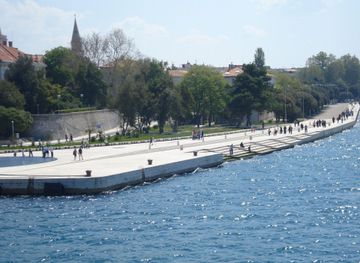


Destinations in Dalmatia
Resorts, valleys and scenic spots worth a trip of their own.


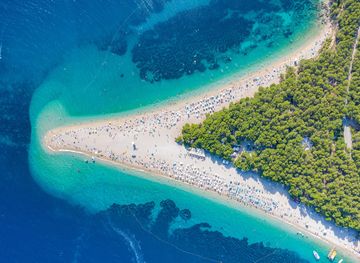
Explore Dalmatia: Things to Do, Places to Eat, Hotels & More
Handpicked recommendations for top attractions, local dining, accommodations, and more

Top Attractions & Sightseeing in Dalmatia
Top-rated picks
Best Attractions

Diocletian's Palace
Discover the timeless beauty and rich history of Diocletian's Palace, a UNESCO World Heritage Site in the heart of Split, Croatia.

Krka National Park
Explore the breathtaking waterfalls, diverse wildlife, and scenic trails of Krka National Park in Croatia, a must-visit destination for nature enthusiasts.

Split Riva
Explore the enchanting Split Riva, a lively promenade that offers picturesque views, rich history, and a vibrant local atmosphere along the stunning Adriatic coastline.

Golden Horn Beach
Experience the stunning beauty of Golden Horn Beach in Bol, Croatia, with its unique shape and crystal-clear waters, perfect for relaxation and adventure.

Best landmarks in Dalmatia
Top-rated picks
Best Landmarks

Diocletian's Palace
Explore Split's ancient Roman heart: Diocletian's Palace, a living UNESCO World Heritage site blending history and modern life.

Sea Organ
Experience the enchanting melodies of the Adriatic Sea at Zadar's Sea Organ, where nature composes a symphony of sound and light.

Krka National Park
Discover cascading waterfalls, diverse wildlife, and ancient history in the heart of Dalmatia at Krka National Park, a Croatian natural treasure.

Golden Horn Beach
Experience the ever-shifting beauty of Zlatni Rat, Croatia's iconic Golden Horn beach, offering pristine waters and thrilling water sports.

Best restaurants in Dalmatia
Top-rated picks
Best Restaurants

Restaurant Panorama
Experience exquisite Mediterranean cuisine with breathtaking views at Restaurant Panorama in Dubrovnik.

Pizzeria ANTULA
Discover authentic Italian flavors at Pizzeria ANTULA in Omiš - where every slice tells a story!
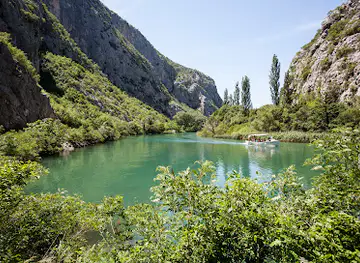
Radmanove mlinice
Discover culinary delights at Radmanove Mlinice along the serene Cetina River; a perfect blend of nature and traditional Croatian flavors.
Konoba Laganini
Experience authentic Croatian cuisine at Konoba Laganini in Split - where local flavors meet inviting ambiance.

Best bars in Dalmatia
Top-rated picks
Best Bars

Radmanove mlinice
Experience the flavors of Croatia at Radmanove Mlinice, a charming riverside restaurant offering traditional dishes and stunning views of the River Cetina.

Cave Bar More
Discover the captivating Cave Bar More in Dubrovnik, where stunning natural beauty meets exceptional cocktails in a unique cave setting.
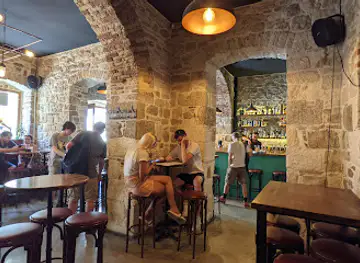
The Daltonist
Discover The Daltonist in Split, where culinary creativity meets a vibrant atmosphere for breakfast, brunch, and cocktails.

Shooko Beach Bar
Experience the ultimate beachside escape at Shooko Beach Bar, where delicious food meets stunning sea views and lively entertainment in Split.

Best nightclubs in Dalmatia
Top-rated picks
Best Nightclubs

Carpe Diem Beach Hvar
Experience the vibrant nightlife and stunning beach at Carpe Diem Beach Hvar, the ultimate destination for fun and relaxation in Croatia.

Hula Hula Hvar - Beach Bar & Restaurant
Discover Hula Hula Hvar, the ultimate beach bar and restaurant for vibrant nightlife and stunning views on the beautiful Croatian coast.

Shooko Beach Bar
Experience the vibrant atmosphere and exquisite flavors at Shooko Beach Bar, your go-to destination for relaxation and culinary delights in Omiš, Croatia.

Cocomo Club
Experience the electrifying nightlife at Cocomo Club in Novalja, Croatia - a premier disco club for unforgettable memories and vibrant entertainment.

Best shops in Dalmatia
Top-rated picks
Best Shops
Supernova Zadar
Discover a shopping paradise at Supernova Zadar, where local charm meets international brands in a vibrant atmosphere.

City Center one Split
Explore City Center One in Split for an unforgettable shopping experience with over 200 stores, dining options, and entertainment for all ages.

DALMARE Ltd.
Explore DALMARE Ltd. in Šibenik for a unique shopping experience with diverse stores, dining, and entertainment options.

Zipline Croatia
Zipline Croatia: An exhilarating adventure soaring above the stunning Cetina River canyon, perfect for thrill-seekers and nature lovers alike.

Explore Dalmatia on the Map
A handpicked selection of must-see spots in Dalmatia, mapped for you.
Dalmatia Essentials
-
Dalmatia is easily accessible by various means of transportation. The main international airports are in Split, Dubrovnik, and Zadar. These airports have direct flights from many European cities, especially during the tourist season. For those traveling by train, there are international connections to Zagreb, from where you can take a domestic train to Split. Additionally, international bus services are available and connect major European cities to Dalmatian towns. If you're arriving by sea, ferries from Italy (Ancona, Bari) dock in Split, Dubrovnik, and Zadar.
-
Dalmatia offers various transportation options for travelers. Public buses run frequently between major towns and cities, offering a cost-effective way to travel. Taxis are available, but it's advisable to use registered ones. Car rentals are popular and provide flexibility for exploring the region. For island hopping, ferries and catamarans operated by Jadrolinija and other companies connect the mainland with islands like Hvar, Brac, and Korcula. In cities like Split and Dubrovnik, walking is the best way to explore the historic centers.
-
The official currency in Croatia is the Croatian Kuna (HRK). Credit and debit cards are widely accepted, especially in hotels, restaurants, and larger stores. However, it is advisable to carry some cash for smaller establishments and markets. ATMs are readily available in cities and towns. Currency exchange offices are also common, but banks generally offer better rates.
-
Dalmatia is generally considered safe for tourists. Petty crime, such as pickpocketing, can occur in crowded areas, especially during the tourist season. It is advisable to stay vigilant in popular tourist spots like Split's Diocletian's Palace and Dubrovnik's Old Town. Avoid poorly lit areas at night and keep an eye on your belongings. There are no specific high-crime areas targeting tourists, but it is always best to take standard precautions.
-
In case of emergency, dial 112 for immediate assistance, which is the European emergency number. Medical facilities are available in all major towns and cities, with hospitals in Split, Dubrovnik, and Zadar. Pharmacies are well-stocked and can provide over-the-counter medications. It is recommended to have travel insurance that covers medical emergencies. For minor issues, local pharmacies can often provide advice and necessary medications. Police stations are present in all larger towns.
-
Fashion: Do dress comfortably and modestly, especially when visiting religious sites. Avoid beachwear when not on the beach. Religion: Do respect local customs and traditions. When entering churches, cover your shoulders and knees. Public Transport: Do validate your bus ticket upon boarding. Don't eat or drink on public transport. Greetings: Do greet people with a handshake. A friendly 'Dobar dan' (Good day) is appreciated. Eating & Drinking: Do try local dishes and wines. Don't leave a tip on the table; it's customary to hand it directly to the server.
-
To experience Dalmatia like a local, visit the bustling green markets (Pazar) in Split and Dubrovnik to buy fresh produce and local delicacies. Engage with locals, as they are friendly and proud of their heritage. Don't miss the opportunity to attend a local festival or 'festa,' where you can enjoy traditional music, dance, and food. For a unique experience, take a boat trip to the Blue Cave on Bisevo Island or explore the less touristy islands like Vis and Lastovo. Tasting local wines and olive oils is a must.
When is the best time to visit Dalmatia?
Useful Local Phrases for Dalmatia
You don't need to speak the language perfectly. Even learning a few simple words can make conversations warmer—and locals usually appreciate the effort.
— Eve

Here are the phrases I use most often in Dalmatia. Try a few—you'll be surprised how far they go! 😊
❤️
-
- HelloBok
[Bok] - GoodbyeDoviđenja
[Doh-vee-jen-ya] - YesDa
[Dah] - NoNe
[Neh] - Please/You’re welcomeMolim
[Moh-leem] - Thank youHvala
[Hvah-lah] - Excuse me/SorryOprostite
[Oh-pro-stee-teh] - How are you?Kako si?
[Kah-koh see] - Fine. And you?Dobro. A ti?
[Doh-broh. Ah tee?] - Do you speak English?Govoriš li engleski?
[Goh-voh-reesh lee eng-les-kee?] - I don't understandNe razumijem
[Neh rah-zoo-mee-em]
- HelloBok
-
- I’d like to see the menu, pleaseŽelio bih vidjeti meni, molim
[Zhel-ee-oh bih veed-yeh-tee meh-nee, moh-leem] - I don't eat meatNe jedem meso
[Neh yeh-dem meh-so] - Cheers!Živjeli!
[Zhee-vel-ee] - I would like to pay, pleaseŽelio bih platiti, molim
[Zhel-ee-oh bih plah-tee-tee, moh-leem]
- I’d like to see the menu, pleaseŽelio bih vidjeti meni, molim
-
- Help!Pomoć!
[Poh-mohch] - Go away!Ode!
[Oh-deh] - Call the Police!Nazovite policiju!
[Nah-zoh-vee-teh poh-lee-tsee-yoo] - Call a doctor!Nazovite doktora!
[Nah-zoh-vee-teh doh-kto-rah] - I’m lostIzgubio sam se
[Iz-goo-bee-oh sahm seh] - I’m illBolestan sam
[Boh-leh-stahn sahm]
- Help!Pomoć!
-
- I’d like to buy...Želio bih kupiti...
[Zhel-ee-oh bih koo-pee-tee] - I’m just lookingSamo gledam
[Sah-mo gled-am] - How much is it?Koliko košta?
[Koh-lee-koh koh-shta?] - That’s too expensiveTo je preskupo
[To yeh preh-skoo-poh] - Can you lower the price?Možeš li spustiti cijenu?
[Moh-zhehsh lee spoo-stee-tee tsee-en-oo?]
- I’d like to buy...Želio bih kupiti...
-
- What time is it?Koliko je sati?
[Koh-lee-koh yeh sah-tee?] - It’s one o’clockJedan je sat
[Yeh-dahn yeh saht] - Half past (10)Pola (deset)
[Poh-lah (deh-set)] - MorningJutro
[Yoo-troh] - AfternoonPoslijepodne
[Poh-slee-eh-poh-deh] - EveningVečer
[Veh-cher] - YesterdayJučer
[Yoo-cher] - TodayDanas
[Dah-nahs] - TomorrowSutra
[Soo-trah] - 1Jedan
[Yeh-dahn] - 2Dva
[Dvah] - 3Tri
[Tree] - 4Četiri
[Cheh-tee-ree] - 5Pet
[Peht] - 6Šest
[Shest] - 7Sedam
[Seh-dahm] - 8Osam
[Oh-sahm] - 9Devet
[Deh-vet] - 10Deset
[Deh-set]
- What time is it?Koliko je sati?
-
- Where's a/the...?Gdje je...?
[Gdyeh yeh...?] - What’s the address?Koja je adresa?
[Koh-yah yeh ah-dreh-sah?] - Can you show me (on the map)?Možeš li mi pokazati (na karti)?
[Moh-zhehsh lee mee poh-kah-zah-tee (nah kar-tee)?] - When's the next (bus)?Kada je sljedeći (autobus)?
[Kah-dah yeh sleh-deh-chee (ow-toh-boos)?] - A ticket (to ....)Karta (do ...)
[Kahr-tah (doh ...)]
- Where's a/the...?Gdje je...?
History of Dalmatia
-
The region of Dalmatia was originally inhabited by Illyrian tribes, who were known for their warrior culture and maritime prowess. The Delmatae tribe, from which the name 'Dalmatia' is derived, was particularly influential. They engaged in frequent conflicts with the Romans, showcasing their resistance and resilience.
-
In the 1st century BCE, the Romans conquered Dalmatia, incorporating it into the Roman province of Illyricum. The Romans established several important settlements, including Salona, which became the capital of the province. Roman architecture, roads, and culture significantly influenced the region, traces of which can still be seen today.
-
One of the most significant historical landmarks in Dalmatia is Diocletian's Palace, located in Split. Built by the Roman Emperor Diocletian in the early 4th century CE as a retirement residence, the palace is a marvel of Roman architecture. It remains one of the best-preserved Roman ruins in the world and is a UNESCO World Heritage Site.
-
During the Middle Ages, Dalmatia was characterized by the rise of powerful city-states such as Dubrovnik, Zadar, and Trogir. These cities grew wealthy through maritime trade and were known for their impressive fortifications, Gothic and Renaissance architecture, and vibrant cultural life. Dubrovnik, in particular, became a significant maritime republic rivaling Venice.
-
From the 15th to the 18th century, much of Dalmatia came under the control of the Republic of Venice. Venetian rule left a lasting impact on the region's architecture, art, and culture. The Venetian influence is evident in the historic buildings, city layouts, and coastal fortresses that dot the Dalmatian landscape.
-
Dalmatia faced numerous incursions and conflicts with the Ottoman Empire from the 15th to the 17th centuries. The borderlands, especially, were often the site of skirmishes and battles. Despite the threats, Dalmatia managed to preserve its distinct cultural identity and resist full Ottoman occupation.
-
In the 19th century, Dalmatia became part of the Habsburg Monarchy and later the Austro-Hungarian Empire. This period saw significant modernization, including the construction of railways and the development of tourism. The cities of Dalmatia grew and prospered, blending their rich history with new influences from Central Europe.
-
During World War II, Dalmatia was occupied by Axis powers, leading to significant hardship and resistance movements. After the war, Dalmatia became part of the Socialist Federal Republic of Yugoslavia. This era brought industrialization and growth but also political repression. The region's natural beauty began to attract international tourists, laying the foundation for its modern tourist industry.
-
Following the breakup of Yugoslavia in the early 1990s, Dalmatia became part of the independent Republic of Croatia. The Croatian War of Independence had a profound impact on the region, but Dalmatia has since recovered and thrived. Today, it is renowned for its stunning coastline, historical sites, and vibrant culture, making it one of the most popular tourist destinations in the Mediterranean.
Neighbouring Regions of Dalmatia
The closest regions to Dalmatia, if you have time for more than one.




Your all‑in‑one travel companion app
Explore expert travel guides, compare and book tours, experiences, hotels, and more—all from the palm of your hand. Download now for seamless trip planning wherever your wanderlust takes you.


Explore More of Croatia

Looking beyond Dalmatia? Discover Croatia for broader travel guides, local hot-spots, and regional highlights.
Explore CroatiaDalmatia in Photos
Browse through our photo collection highlighting the charm and character of the destination.





Discover Dalmatia: The Jewel of Croatia
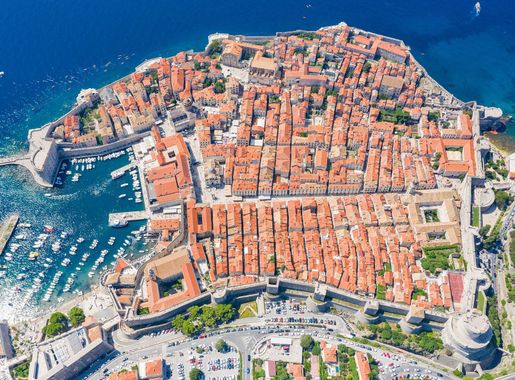
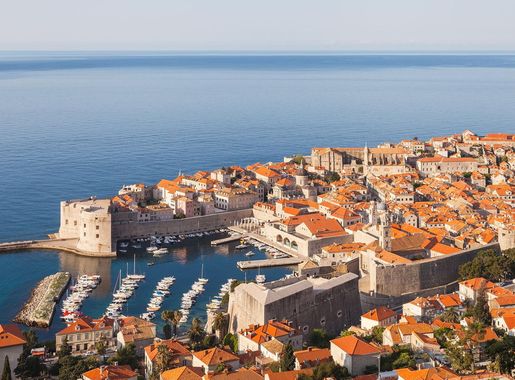
Dalmatia, a stunning region along Croatia's Adriatic coast, is a blend of natural beauty, rich history, and vibrant culture. Stretching from the island of Pag in the north to the Bay of Kotor in the south, Dalmatia offers something for every traveler. Its pristine beaches, crystal-clear waters, and picturesque islands make it a paradise for sun-seekers and water sports enthusiasts. The region is home to several UNESCO World Heritage sites, including the ancient city of Split with its magnificent Diocletian's Palace and the historic city of Dubrovnik, often referred to as the 'Pearl of the Adriatic.' Wander through charming coastal towns like Zadar and Šibenik, each offering unique historical landmarks and delightful local cuisine. Dalmatia is also a gateway to exploring Croatia's national parks, such as Krka and Plitvice Lakes, where you can witness breathtaking waterfalls and lush landscapes. The local food and wine scene in Dalmatia is a gastronomic delight, with fresh seafood, traditional peka dishes, and locally-produced wines that tantalize your taste buds. Whether you're looking for adventure, relaxation, or a cultural experience, Dalmatia provides an unforgettable vacation with its warm hospitality and stunning vistas.