Queen Emma Bridge, Punda Travel Guide
Discover the charm of Queen Emma Bridge, a floating icon of Willemstad connecting Punda and Otrobanda with breathtaking views and vibrant culture.
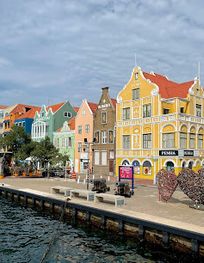
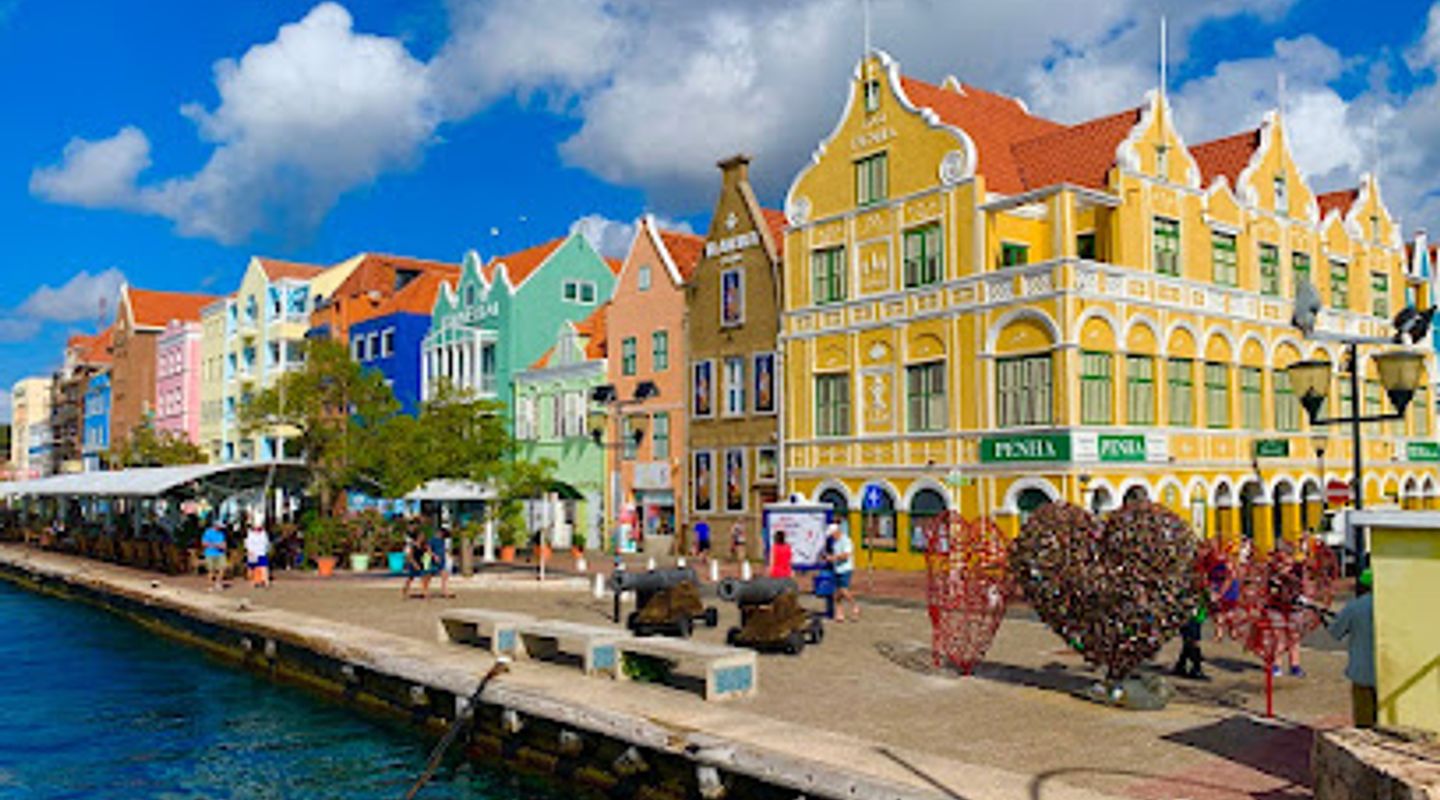
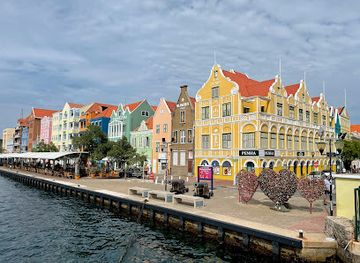
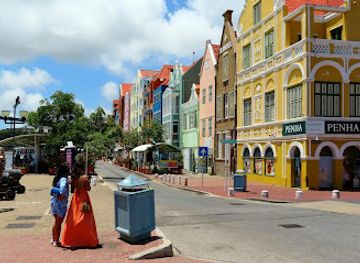
Queen Emma Bridge, also known as the Swinging Old Lady, is a picturesque floating bridge in Willemstad, Curaçao, connecting the vibrant districts of Punda and Otrobanda. This charming structure offers breathtaking views of the colorful waterfront and is a must-visit for tourists looking to experience the local culture and history.
A brief summary to Queen Emma Bridge
- Kon. Emmabrug, Willemstad, Punda, CW

Know before you go
Hi, I'm Eve. Here are a few practical things to know before exploring Queen Emma Bridge.
- Visit early in the morning or during sunset for the best lighting and fewer crowds.
- Bring your camera to capture the stunning views of the colorful buildings and the harbor.
- Check the bridge's schedule for opening times to see large ships pass through.
- Explore the markets and street food stalls on either side of the bridge for a taste of local cuisine.
- Consider visiting at night when the bridge is beautifully illuminated.
Do you manage this location?
Take control to get all the benefits, like improved information, better appearance, and stronger visibility across AI-powered discovery. Learn more about listing your business on Evendo
Activate your presenceOther nearby places you may find interesting
The closest places of the same kind, if this one is not quite what you had in mind.


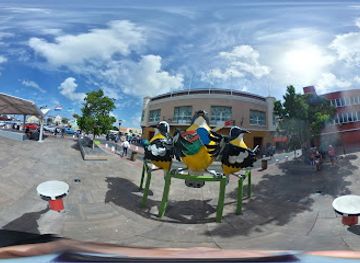
Explore Queen Emma Bridge on the Map
A handpicked selection of must-see spots near Queen Emma Bridge, mapped for you.
Unlock the Best of Queen Emma Bridge
Buy tickets
-
No tickets available
Book tours with entry


Getting There
-
Walking
If you are already in Punda, the Queen Emma Bridge is easily accessible on foot. From the central area of Punda, head towards the waterfront. Walk along the main road, which is Breedestraat, until you reach the water's edge. The bridge is located at the end of Breedestraat, where it meets the Sint Anna Bay. The walk should take about 10-15 minutes, and you will enjoy views of the colorful buildings along the way.
-
Car
If you are driving, navigate to Punda via the main roads leading into Willemstad. Once you reach the Punda area, look for parking options nearby. There are several paid parking lots available, with costs typically around $1.50 to $3 per hour. After parking, exit your vehicle and head towards Breedestraat and follow the same route as pedestrians to reach the Queen Emma Bridge, which is about a 10-minute walk from popular parking spots.
-
Public Transportation
For those using public transportation, take a local bus or taxi to the Punda area. The bus system is efficient, and you can board at various locations throughout Willemstad. Make sure to inform the driver that you are heading to Punda. Once you arrive in Punda, disembark near the waterfront area, and walk towards Breedestraat. From there, the Queen Emma Bridge is a short 10-minute walk, following the same route mentioned for pedestrians.
-
Taxi
If you prefer a taxi, simply request a ride to 'Queen Emma Bridge' or 'Kon. Emmabrug' from your current location. Taxi fares can vary, but expect to pay around $10-$20 depending on your starting point. Once you arrive, the bridge will be directly in front of you, and you can explore the area on foot.
Discover more about Queen Emma Bridge













Your all‑in‑one travel companion app
Explore expert travel guides, compare and book tours, experiences, hotels, and more—all from the palm of your hand. Download now for seamless trip planning wherever your wanderlust takes you.


Explore More of Punda
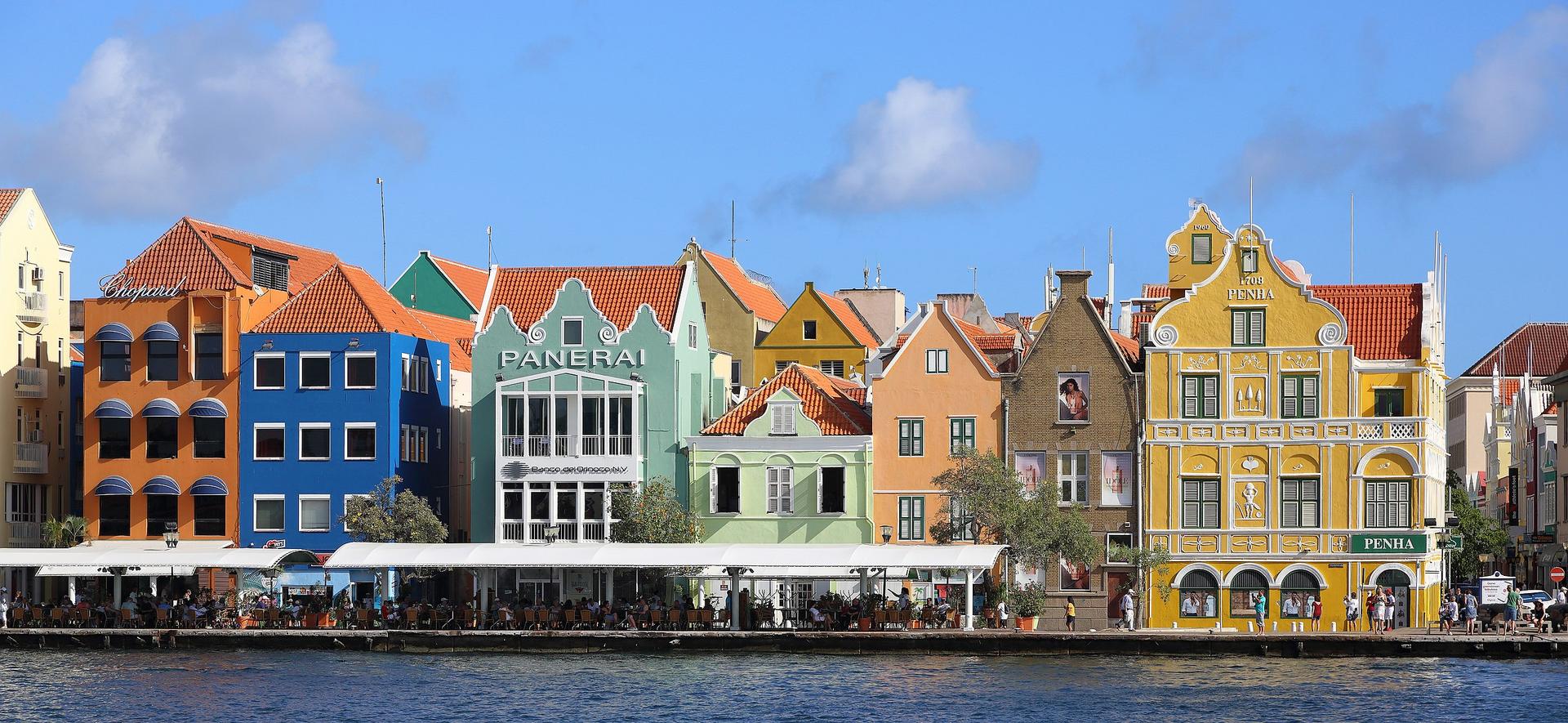
Looking beyond Queen Emma Bridge? Discover Punda for broader travel guides, local hot-spots, and regional highlights.
Explore Punda