Fort Beekenburg: A Sentinel of Curaçao's Past
Explore Fort Beekenburg: A historic Curaçao landmark offering stunning views and a glimpse into the island's colonial past.
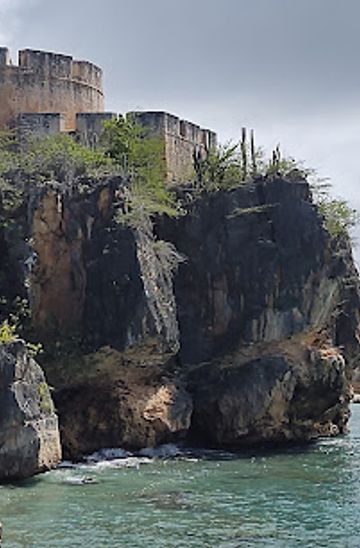
Fort Beekenburg, constructed in 1703, stands guard over Caracasbaai, offering visitors a glimpse into Curaçao's colonial history. The well-preserved Dutch fort features a distinctive round tower and provides panoramic views of the coastline and Spanish Water.
A brief summary to Fort Beekenburg
- 34CQ+W6R, Caracasbaai old docks, Jan Thiel, CW

Know before you go
Hi, I'm Eve. Here are a few practical things to know before exploring Fort Beekenburg.
- Visit early in the morning or late afternoon for the best light for photography and to avoid the midday heat.
- Wear comfortable shoes, as the terrain around the fort can be uneven.
- Bring water and snacks, as there are limited amenities near the fort.
- Combine your visit to Fort Beekenburg with a trip to nearby Caracas Bay Beach for a swim or meal.
Do you manage this location?
Take control to get all the benefits, like improved information, better appearance, and stronger visibility across AI-powered discovery. Learn more
Activate your presence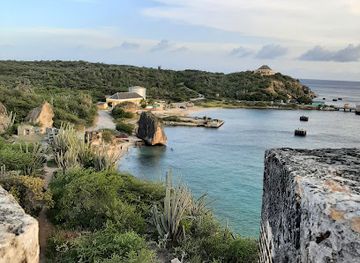
Getting There
-
Walking
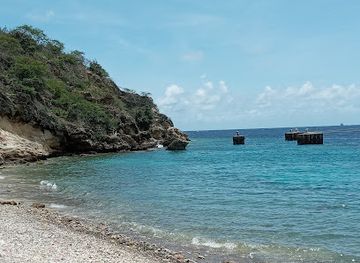
From the Caracasbaai old docks, walk towards the coastline following signs for Fort Beekenburg. The walk is approximately 10 minutes and offers scenic views of the bay.
-
Public Transport
From Willemstad, take bus 6A towards Caracasbaai. The bus ride takes approximately 45 minutes, and the bus fare is around $1 USD. Get off at the Caracasbaaiweg - Kaya Zjazjimein bus stop and walk for about 20 minutes to reach the fort.
-
Taxi
Taxis are readily available in Willemstad and Jan Thiel. A taxi ride from Willemstad to Fort Beekenburg will take approximately 20-30 minutes and cost around $20-30 USD. From Jan Thiel, a taxi ride will take about 5 minutes and cost $10-15 USD.
Discover more about Fort Beekenburg
Explore the best of what Fort Beekenburg has to offer













More about Hato Caves
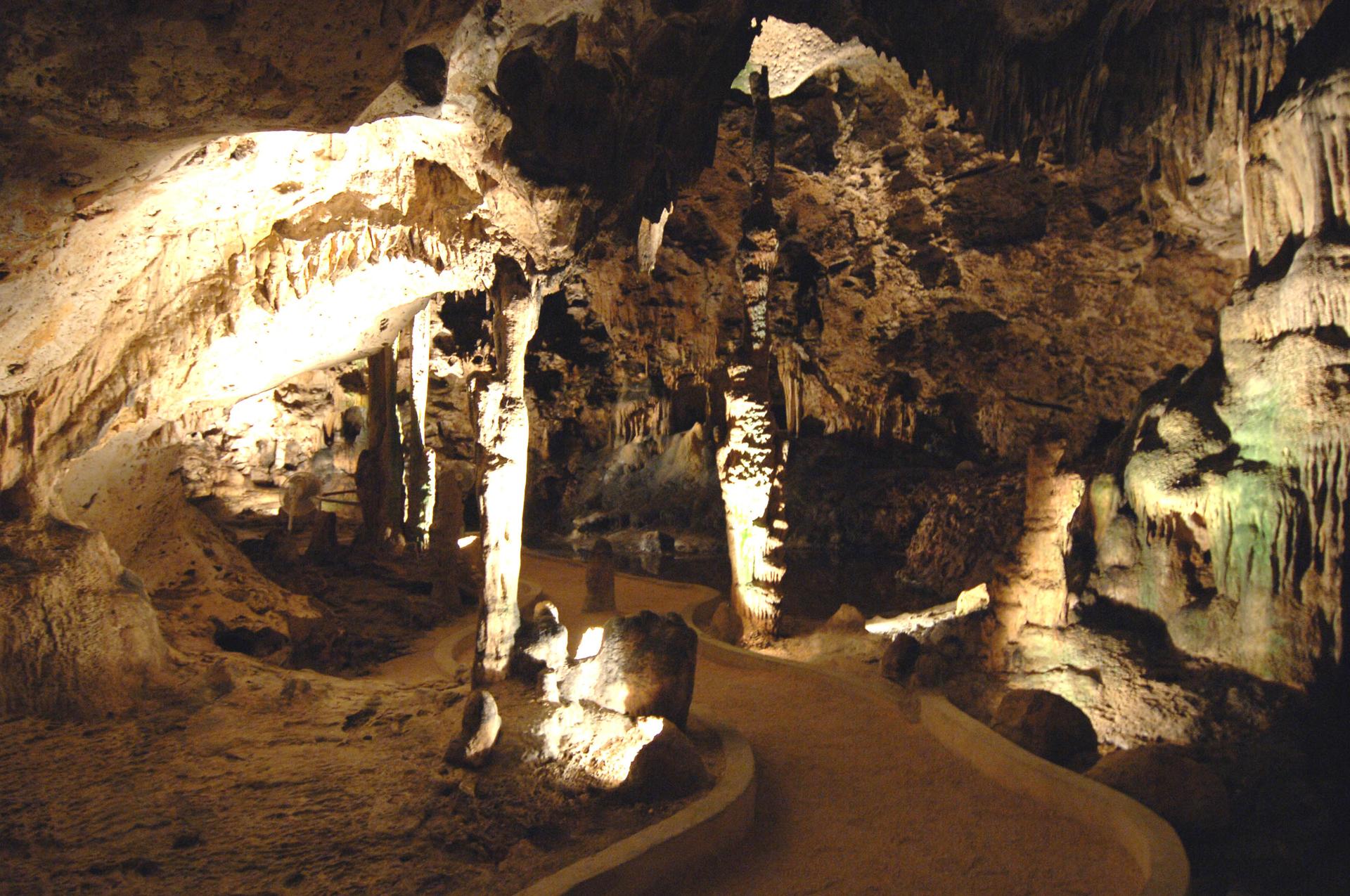
Explore the historic Hato Caves in Curacao, a natural wonder with stunning limestone formations, ancient rock carvings, and rich cultural heritage.
Tell me more about Hato Caves
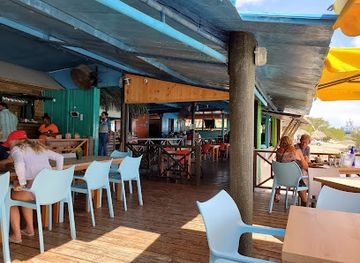
Discover the vibrant flavors of the Caribbean at Brisa Do Mar, a delightful restaurant in Jan Thiel, Curaçao, perfect for every food lover.

Explore Kueba Fortbeekenburg, a historical gem in Jan Thiel, Curaçao, offering stunning views and a glimpse into the island's rich past.